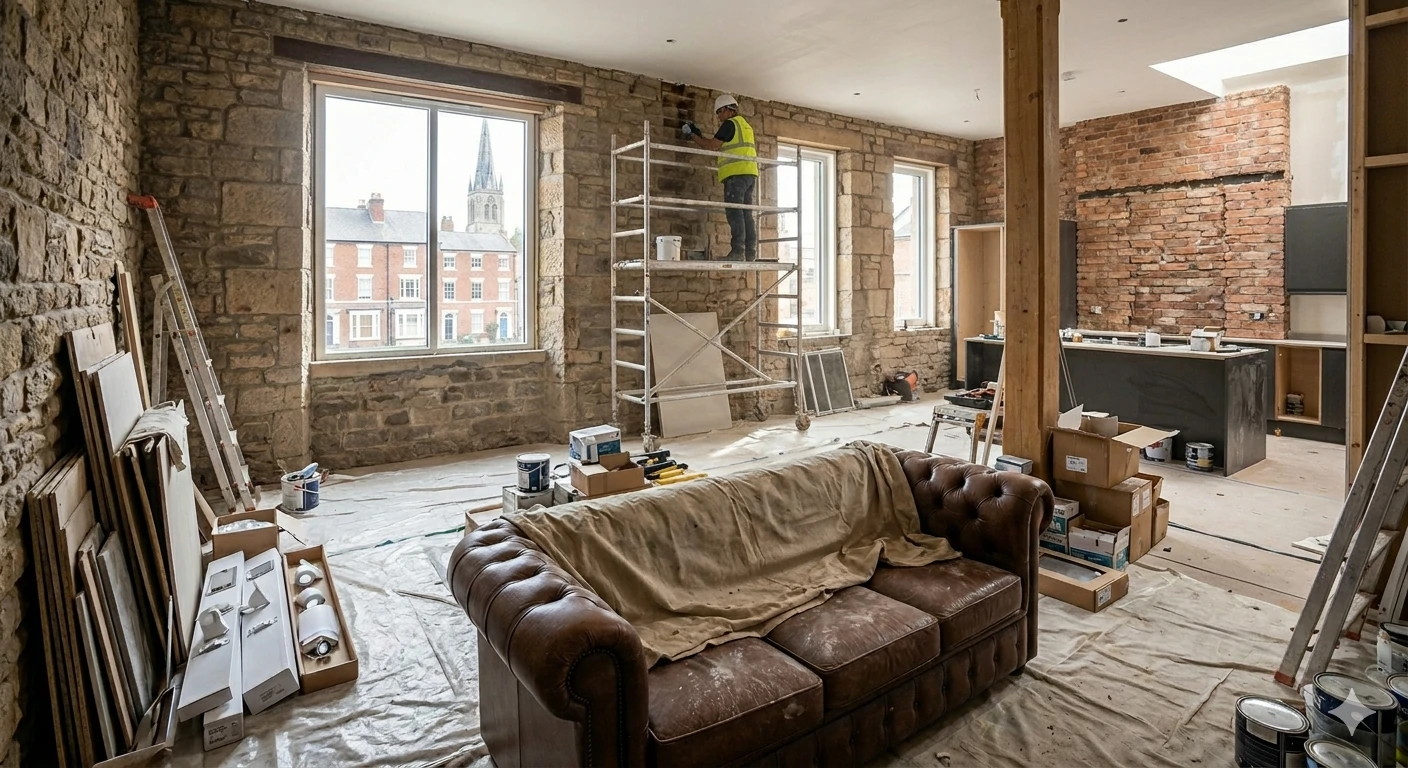
What Interior Space Renovation Actually Includes
Most homeowners in Chesterfield call about interior space renovation after they've already talked to a contractor or looked into architecture services. They've got a vision. Maybe it's knocking out a wall to open the kitchen into the living room, or turning a barely-used formal dining room into a home office. But the contractor said something like "you'll need an engineer for that." And now they're not sure what that actually means.
Here's what it means. Interior space renovation is the structural side of changing how your home works on the inside. Not the paint colors, not the tile. The bones.
The team handles the parts of your project that affect how loads move through your house. That covers a lot of ground:
- Removing or relocating interior walls, including load-bearing wall removal with proper beam and header design
- Reconfiguring floor plans so the new layout actually works with your existing foundation and floor system
- Opening up sightlines between rooms without creating a structural problem two years down the road
- Designing staircase structural changes when you're adding access between floors
- Producing structural drawings for permits that Chesterfield inspectors will approve the first time
Every project starts with one question: "Is this wall load-bearing?" In older homes around Wildwood and the Clarkson Valley area, the answer is almost always yes. That doesn't mean you can't remove it. It means you need a plan that shows exactly what replaces it, the beam size gets calculated, the posts get located, and the load path gets traced all the way down to your foundation.
That's what separates interior space renovation from a general remodel. The team isn't picking finishes. The team is making sure your contractor can open up that space without the floor above sagging or the permit getting rejected. The International Code Council requires that any alteration affecting structural elements use engineered plans reviewed by a licensed professional. That's not optional, it's code.
So if your project involves moving walls, changing room layouts, or combining spaces, this is the work that has to happen before the demo crew shows up.
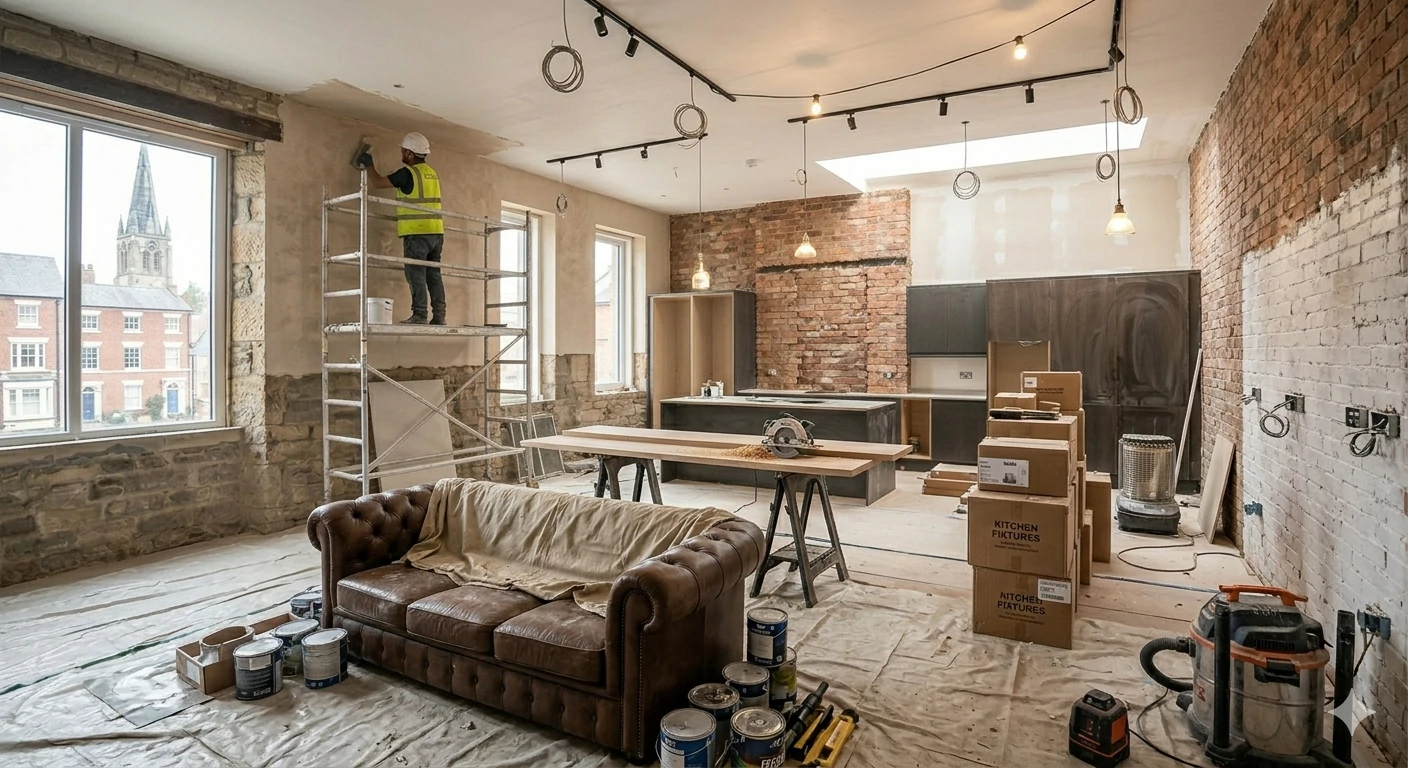
How to Know If Your Project Needs a Permit
Most homeowners in Chesterfield don't call about permits first. They call because a contractor told them they need stamped drawings, or because the city sent them back to square one after a failed submission. The permit question usually shows up mid-project, and by then it's already costing time.
Here's the short version. If your interior space renovation changes the structure, moves plumbing, or alters electrical layouts, you almost certainly need a permit from St. Louis County. That covers more projects than people expect.
These are the most common triggers the team sees in Chesterfield homes:
- Removing or modifying any wall, especially one separating the kitchen from the living area
- Adding or relocating a bathroom
- Changing floor layouts that affect load paths or egress
- Converting a basement into livable space
- Opening up a room where a header or beam needs to carry new loads
In most Wildwood and Clarkson Valley-area homes, the partition dividing the kitchen from the dining room is load-bearing. That single change triggers a structural permit drawing requirement. St. Louis County plan reviewers don't accept napkin sketches. They want stamped structural calculations showing the new beam size, connection details, and load path to the foundation.
So what doesn't need a permit? Cosmetic work. New paint, new flooring, swapping cabinets in the same footprint. If nothing structural moves, you're usually fine.
But here's where it gets tricky. A lot of projects start cosmetic and turn structural once the contractor opens a wall. That "simple" kitchen update becomes a beam and header design project overnight. The team handles this exact situation regularly, sometimes getting a call on a Thursday with framing exposed and an inspector visit on Monday.
If you're not sure, the safest move is a consultation before demo starts. Unpermitted structural work is one of the top reasons residential real estate transactions fall through during inspection, according to the International Code Council. Getting the permit right up front protects your investment and keeps your project on schedule.
What to Expect Behind the Walls of a 1980s–1990s Home
Most interior space renovation projects in Chesterfield start with a homeowner who wants to open up a kitchen, combine two rooms, or finally finish a basement. And most of those homes were built between 1983 and 1998. The team sees this every week.
That era of construction has its own personality. The framing is solid, but the layouts are compartmentalized. Lots of load-bearing walls running through the center of the house. Builders in the Wildwood and Clarkson Valley subdivisions used similar floor plans, so the structural patterns repeat. That's actually good news for your project. It means the team already knows what's likely behind your drywall before anyone picks up a hammer.
Here's what typically shows up during an interior space renovation assessment in homes from that period:
- Center-span bearing walls that carry floor joists from above and sometimes roof loads too
- HVAC ductwork routed through interior walls and floor cavities in ways that limit where new beams can go
- Plumbing stacks tucked inside walls that look like simple partitions but aren't
- Undersized headers over doorways and pass-throughs that don't meet current code for the spans homeowners want
Not sure if that shared wall between your kitchen and dining room is structural? That's actually pretty common. In a two-story Chesterfield home, the wall running parallel to the front of the house is almost always carrying load. It doesn't mean you can't remove it. It means you need engineered beam and header design before your contractor touches it.
The other thing that catches people off guard is the floor system. Homes from this era often used 2x10 joists at 16-inch spacing. That works fine for the original layout, but once you remove a wall and change how loads transfer, the existing joists may need reinforcement. The team runs structural calculations on the actual span and loading conditions, not rules of thumb.
Knowing what's behind those walls before demo day saves you from permit rejections, change orders, and the kind of surprises that add weeks to a project.
The Renovation Process From First Visit to Final Walkthrough
Most Chesterfield homeowners don't call because they're bored. They call because they've got a vision for their space and no clear path to make it real. Maybe the contractor said "you'll need an engineer for that." Maybe the permit office kicked back a set of plans. Either way, the team follows the same steps every time, and knowing what those steps look like takes most of the stress out of it.
Here's how an interior space renovation moves from idea to done:
- Site visit and assessment. The team walks your home, takes measurements, checks framing conditions, and identifies anything structural. That dividing wall between the kitchen and dining room? It's almost always load-bearing. Better to know now than after demo day.
- Design and structural calculations. Based on what the site visit reveals, the team produces structural drawings and calculations. These aren't rough sketches. They're stamped, permit-ready documents that show beam sizes, connection details, and load paths.
- Permit submission. Plans go to the municipality. In the Wildhorse neighborhood and most of Chesterfield, plan review typically takes two to four weeks. The team builds drawings around what the local inspector wants to see, so rejections are rare.
- Construction coordination. Once your contractor starts work, questions come up. The team stays available for field calls, a joist that doesn't match the original plans, a hidden duct run that changes the layout. These things happen on every project.
- Final walkthrough and verification. Before you close out the permit, the team reviews the finished work against the approved drawings. This is where small misses get caught before they become big problems.
The projects that go sideways skipped step one or step two. They jumped straight to demo without understanding what was holding the house up.
The structural engineering side of an interior space renovation isn't just a box to check for the permit office. It's what keeps your contractor from guessing and what keeps the inspector from flagging your project on site day. The team has walked through hundreds of these in Chesterfield. The process works because it catches problems early, not after drywall is up.
Not sure where your project stands right now? Give us a call and the team can tell you in about five minutes.
How to Verify the Work Before You Sign Off
The drywall looks smooth. The paint is fresh. Everything feels finished. But "looks done" and "is done" aren't the same thing when it comes to interior space renovation.
Before you sign off on any project in Chesterfield, there's a short list of things worth checking. The team walks through every one of these with homeowners, but you should know what to look for on your own too.
- Check that all permit inspections passed. Your contractor should have a final inspection sign-off from the municipality. No exceptions. If they can't produce it, the work isn't done.
- Compare the finished space to the approved structural drawings. Beam locations, header sizes, support posts. They should match what was engineered.
- Open and close every door in the renovated area. Doors that stick or won't latch often point to framing that shifted during construction.
- Look at where new walls meet old ceilings. Cracks there within the first week usually mean something wasn't tied in right.
- Run water in any relocated plumbing. Check below for leaks. Then check again two days later.
The problems the team catches during a post-renovation walkthrough are things a homeowner could have spotted with a flashlight and ten minutes. A sagging header over a new opening. A floor that bounces more than it should near a removed wall. These aren't cosmetic issues, they're structural red flags.
Homeowners in Chesterfield Valley sometimes call after their contractor has already left the job. They notice a crack forming above a doorway or a floor that doesn't feel level. A building condition assessment at that point can tell you whether it's settling or something the contractor missed. It's always cheaper to catch it before you make that last payment.
Your municipality's final inspection covers code minimums. It doesn't confirm the work matches your engineering plans exactly. That's a separate check, and it's one worth doing on any project that involved load-bearing changes or new structural supports.
Frequently Asked Questions
Do I need a permit to remove a wall in my Chesterfield home?
Yes, removing a wall in Chesterfield almost always requires a permit from St. Louis County. This is true even if the wall looks like a simple partition. St. Louis County plan reviewers require stamped structural drawings showing beam sizes, connection details, and the full load path to your foundation. Submitting without those drawings means your project gets sent back. Getting the permit right before demo starts protects your home's value and keeps your timeline on track.
How do I know if the wall I want to remove is load-bearing?
The most reliable way to know is to have a licensed structural engineer assess it before anyone touches the drywall. In Chesterfield homes built in the 1980s and 1990s, walls running parallel to the front of the house and center-span walls are almost always load-bearing. That wall between your kitchen and dining room? It's carrying floor joists above it in most two-story homes here. Guessing wrong leads to sagging floors or a failed inspection.
What happens if my contractor opens a wall and finds something unexpected?
This happens regularly in Chesterfield, especially in homes from the Wildwood and Clarkson Valley-area subdivisions. A project that starts as a simple kitchen update can turn into a beam and header design job once the framing is exposed. HVAC ducts, plumbing stacks, and undersized headers all show up behind walls that looked straightforward. When that happens mid-project, you need stamped structural drawings fast. Getting an engineer involved before demo starts prevents this scramble.
Can I combine two rooms without affecting my foundation?
You can combine rooms, but the load path has to be traced all the way down to your foundation before work starts. Removing a wall shifts how weight moves through your home. A properly sized beam and correctly placed posts carry that load down through the floor system to the foundation. Skipping that step is what causes floors to sag or settle over time. Your contractor needs engineered drawings showing exactly where the new beam sits and how it connects.
How long does the structural drawing process take for an interior renovation in Chesterfield?
Most structural drawing packages for interior space renovation in Chesterfield are ready within one to two weeks after the initial assessment. Timeline depends on project complexity. A single wall removal with beam design moves faster than a full floor plan reconfiguration. If your contractor already has the wall exposed and an inspector visit is coming up, flag that at the start. Knowing your deadline helps prioritize the work so your project stays on schedule.
Will unpermitted renovation work cause problems when I sell my home?
Yes, unpermitted structural work is one of the most common reasons home sales fall through during inspection in Chesterfield. Buyers and their inspectors look for signs that walls were moved or rooms were added without permits. If work was done without stamped drawings and county approval, you may have to open walls, get retroactive permits, or renegotiate the sale price. Doing it right the first time protects your investment when it matters most.