Why Chesterfield Homes Need Foundation Inspections
Most of Chesterfield's residential housing stock was built between the 1970s and 1990s. That puts a large portion of local homes at 30 to 50 years old, which is the window when foundation issues tend to surface. Clay-heavy soils near the Missouri River floodplain expand and contract with moisture changes. Freeze-thaw cycles stress foundation walls every winter. Over time, that movement adds up.
Homes in the Chesterfield Valley carry additional exposure. Parts of the valley floor fall within FEMA flood zone designations, and the soil conditions in those areas are among the most problematic for foundation stability in the St. Louis metro. Settlement, lateral movement, and moisture intrusion are all common findings during inspections in this area.
Chesterfield also has roughly 20 recognized century homes, some built in the 1930s or earlier. Those structures involve aging timber framing, older foundation systems, and load-bearing configurations that don't always match what's visible from the surface. A licensed structural engineer familiar with older construction methods is the right call for those properties.
What the Inspection Covers
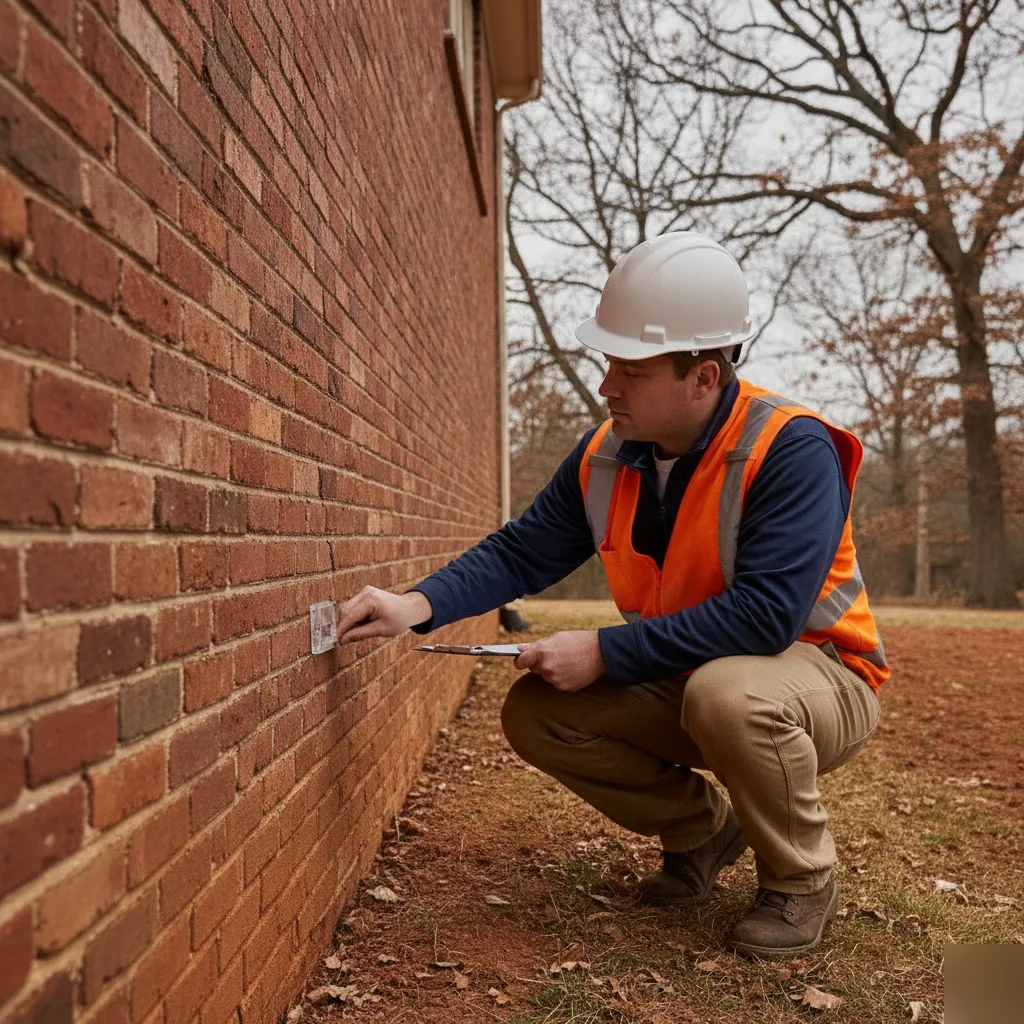
A foundation inspection from Open Concept Engineering is a site visit by a licensed professional engineer, not a general contractor walkthrough. The team evaluates the foundation type, visible cracking, signs of lateral movement, moisture conditions, and how the structure above is interacting with the foundation below.
Specific items reviewed during a typical inspection include:
- Crack patterns in poured concrete, block, or stone foundations
- Signs of lateral wall movement or bowing
- Evidence of differential settlement
- Moisture intrusion and drainage conditions around the foundation perimeter
- Floor system conditions where accessible
- Connections between the foundation and the structural framing above
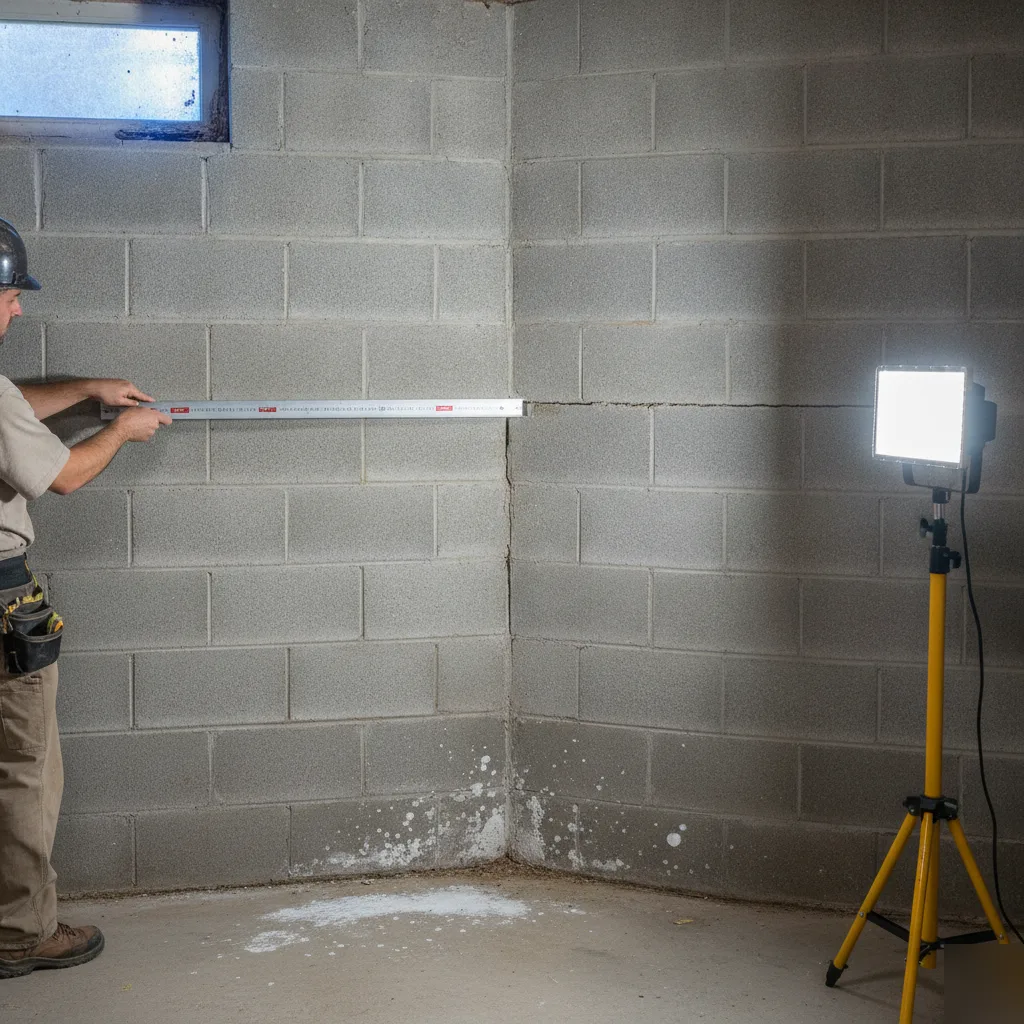
The team documents findings with measurements and photos during the visit. Lidar is used where precise measurements of wall deflection or floor elevation changes are needed. That level of documentation matters when you're deciding whether to move forward with a repair, a sale, or a permit application.
The Sealed Report
After the site visit, Open Concept Engineering produces a sealed engineering report. The report includes a summary of structural findings, photo documentation, and professional recommendations. It carries the stamp and signature of a licensed PE, which is what lenders, permit offices, and real estate transactions require.
A sealed report also protects you if questions come up later. If a contractor says the foundation needs a specific repair, the engineering report gives you an independent basis for evaluating that recommendation. If a permit is required for repair work, the report supports the application.

When to Schedule a Foundation Inspection
Some situations call for an inspection right away. Others are worth scheduling before they become urgent. Common triggers include:
Visible cracking. Horizontal cracks in block foundation walls are a red flag for lateral pressure. Stair-step cracks in block or brick may indicate settlement. Vertical cracks in poured concrete can be normal shrinkage or something more significant depending on width and location.
Doors or windows that stick. When a foundation shifts, the structure above moves with it. Doors and windows that suddenly don't operate correctly are often the first sign a homeowner notices.
Pre-purchase or pre-sale. A foundation inspection before closing gives buyers accurate information and gives sellers documentation they can stand behind. A general home inspection is not a structural engineering evaluation.
Before a renovation. If you're planning to remove a load-bearing wall, add a room, or modify the structure in any way, knowing the current condition of the foundation is part of the engineering process. Problems found mid-project are more expensive than problems found before work starts.
After storm or flood damage. Missouri's severe weather can cause rapid soil saturation and movement. A post-event inspection documents conditions while they're fresh, which matters for insurance claims and repair planning.
Chesterfield Permitting and Code Requirements
Chesterfield operates under the International Building Code with local amendments. Structural repair work on foundations typically requires a permit, and the permit application requires engineering documentation. The city also requires a Municipal Zoning Approval before work begins on most projects involving structural changes.
Plans that go in without proper engineering documentation are where permits get held up. The team at Open Concept Engineering has direct experience in plan review from work at St. Louis County — experience that shapes how our structural engineer produces every report and drawing submitted to the permit office. That reduces back-and-forth and keeps your project moving.
For properties in HOA-governed neighborhoods, engineer-stamped drawings are often required by the architectural review board in addition to the city permit. The sealed report from Open Concept Engineering satisfies both requirements.
The Difference Between a Structural Engineer and a Foundation Contractor
Foundation contractors diagnose problems and sell repairs. That's not a criticism, it's just the nature of their business model. A structural engineer has no financial interest in what the repair turns out to be. The findings in the report reflect what's actually observed on site.
That independence is worth something, especially when a contractor has quoted a significant repair. An engineering evaluation either confirms the recommendation or identifies a different scope. Either way, you're making decisions based on documented structural findings rather than a sales conversation.
Scott Reid, PE and Ryan Delbert, PE
Open Concept Engineering is led by Scott Reid, PE, who holds a Bachelor's in Civil Engineering from SIUE (2015) and his Professional Engineering License (2022). Scott is ICC IRC Building Code Certified and has direct experience in plan review at St. Louis County and structural engineering at Huneke Engineering.
Ryan Delbert, PE earned his Bachelor's in Civil Engineering from the University of Missouri-Columbia (2016) and his PE License (2021). Ryan brings experience in plan examination at St. Louis County from 2017 to 2023 and structural design work at MiTek Inc. Both engineers are registered in Missouri.
When the team comes to your home for a foundation inspection, you're getting a licensed professional engineer on site, not a technician or a subcontractor.
Schedule a Foundation Inspection in Chesterfield
If you're seeing signs of foundation movement, planning a renovation that involves structural changes, or preparing to buy or sell a property, a foundation inspection gives you documented, engineering-backed answers. Open Concept Engineering serves Chesterfield and the surrounding St. Louis area. Contact the team to schedule a site visit.
Warning Signs That Mean It's Time to Schedule
Most people schedule a foundation inspection because something caught their eye. Perhaps a crack they had not noticed before, or a door that now sticks. Your home indicates that something has shifted.
The team sees this pattern across Chesterfield. Watch for these signs:
- Cracks in drywall that run diagonally from door or window corners
- Gaps forming between walls and the ceiling or floor
- Floors that feel uneven or slope in one direction
- Exterior brick showing stair-step cracks along the mortar joints
- Basement walls that bow inward or show horizontal cracking
Not every crack signals a disaster. Small hairline cracks in concrete are normal as a home settles. However, diagonal cracks wider than a quarter inch, cracks that grow over weeks, or any horizontal cracking in a basement wall warrant professional evaluation.
Many homeowners in the Chesterfield Valley area do not consider the soil. Clay-heavy soil expands when wet and shrinks when dry. This seasonal movement puts pressure on your foundation year after year. Expansive soils cause more financial damage to structures annually in the U.S. than floods, hurricanes, and earthquakes combined. This statistic often surprises people, yet the team observes its effects regularly during foundation inspection visits.
The team often sees this scenario: a homeowner notices a crack, fills it with caulk, and forgets it for two years. By the time they call, the underlying movement has worsened. A simple repair could have become a larger problem.
Sometimes, the signs are not visible. You might notice an increase in your water bill. This can indicate a slab leak caused by foundation movement. Your chimney might also pull away from the house slightly. These signs are easy to miss if you are not looking for them.
Trust your observations. If something feels off with your home's structure, it likely is.
Why Chesterfield Soil and Seasons Drive Foundation Movement
Most homeowners in Chesterfield do not consider what lies under their slab until a crack appears. However, the ground here actively works year-round. This activity is not always gentle.
Much of the Chesterfield Valley and Wildwood border areas contain expansive clay soil. This clay swells when it absorbs moisture and shrinks as it dries. Expansive soils cause more financial damage to structures annually in the U.S. than floods, hurricanes, and earthquakes combined. This statistic often surprises people, yet the team observes its effects regularly during foundation inspection visits.
Seasonal swings make this area challenging. A wet spring saturates the soil and pushes upward against your foundation. Then, a dry July and August pull that moisture out, causing the soil to contract. Your foundation does not remain static during these cycles. It moves, sometimes unevenly.
Conditions That Speed Up Damage
- Poor grading that directs rainwater toward the foundation instead of away
- Large trees planted close to the home pulling moisture from one side of the slab
- Downspouts that dump water right at the foundation wall
- Older homes near Chesterfield Parkway with original drainage that has not been updated
Homeowners who call about a crack typically have at least two of these conditions in their yard. The crack is a symptom. The soil movement is the cause.
The situation is not always obvious. A door that sticks in August but works fine in April may not indicate a door problem. This shows your foundation responding to seasonal soil changes. The frame shifts enough to bind the door, then settles back when moisture returns. Homes in the River's Bend area frequently experience this. This is due to the lower elevation and higher water table near the Missouri River floodplain.
A foundation inspection identifies these patterns before they develop into structural problems requiring significant repair design work.
Pre-Purchase Foundation Inspections Have a Hard Deadline
Most foundation inspection requests come with an existing closing date. This impacts the speed at which the team must operate.
Buying a home in Chesterfield typically involves a 10-to-14-day inspection window. Your general home inspector might flag a crack or suggest a structural engineer evaluation in their report. You then have approximately one week to get a licensed engineer on-site, receive a definitive answer, and decide whether to negotiate, withdraw, or proceed with the purchase. This is a tight timeframe.
The team conducts pre-purchase structural inspections regularly in the Wildwood and Chesterfield Valley areas. The process involves these steps:
- You contact the team with your closing date and the home inspector's notes.
- The team schedules a site visit, usually within two to three business days.
- A licensed structural engineer inspects the foundation, crawl space or basement, and any areas flagged in the report.
- You receive a written report that details structural issues, cosmetic findings, and their implications for the home's structure.
- This report is then shared with your agent to assist in negotiating repairs or credits before closing.
Often, cracks flagged by a home inspector are shrinkage cracks or minor settling. They are not structural. However, without a professional engineer evaluating the foundation, you cannot confirm this. A seller's agent will not consider "my contractor said it looks fine" as a serious negotiation point. A stamped report from an engineer carries professional weight.
Homeowners often lose time at this stage. They might wait several days after receiving the home inspection report before making a call. This leaves insufficient time to schedule an inspection and deliver findings before the contingency deadline. We advise calling the same day you receive the report.
The team also identifies conditions a general inspector might overlook. These include bowing basement walls, floor system deflection, and evidence of improperly performed previous repairs. Such items directly impact your purchase decision and are often missed without structural engineering expertise.
If you are under contract on a Chesterfield home and your inspector flagged the foundation, contact the team before your deadline approaches.
What Happens After the Inspection Report Is Delivered
The report arrives in your inbox. Many homeowners in Chesterfield then feel uncertain about the next steps. This is a common feedback point for us.
Your foundation inspection report serves as a detailed roadmap, not merely a document to file. Each finding receives a clear label. Some items require immediate attention. Others are for long-term monitoring. The team reviews every page with you to clarify all information.
Reading the Report
Most reports contain three sections. These include the current condition of your foundation, identified concerns with photos and measurements, and recommended next steps ranked by urgency. If cracks are found, the report shows exact locations, widths, and direction of movement. A hairline crack at 1/16 inch differs from a stair-step crack running through mortar joints at 1/4 inch. This distinction is critical for subsequent actions.
Deciding on Next Steps
For homes around the Wildhorse and Clarkson Valley areas of Chesterfield, here is a typical process:
- Review the report findings with the team via phone or in person.
- Determine which items require structural repair design and which need only monitoring.
- Obtain structural calculations or drawings if repairs necessitate a permit from St. Louis County.
- Share the report with your contractor, real estate agent, or insurance adjuster as relevant to your situation.
Homeowners often find relief in understanding the scope of work. The report clarifies whether this is a minor repair or a significant structural issue. It provides your contractor with concrete data for bidding, eliminating guesswork.
Sometimes the report confirms your foundation is solid. This occurs more often than people anticipate. Cracks might be cosmetic. Doors might stick due to humidity, not settlement. In either case, you gain documentation that offers protection.
If you are buying a home, the report functions as a negotiation tool. If you are planning a room addition or basement renovation, it informs the team precisely what your existing foundation can handle before any design work begins. One report influences every subsequent decision.
Frequently Asked Questions
How long does a foundation inspection take in Chesterfield?
Most foundation inspections in Chesterfield take two to three hours from start to finish. The inspector works through the exterior first, then moves inside to check floors, walls, and any crawlspace or basement areas. Larger homes or properties with visible distress can push the on-site visit well beyond an hour. You will get a written report with crack maps, floor elevation readings, and specific findings — not just a verbal summary. Plan to be home for the full visit so you can ask questions as they work.
Does Chesterfield's clay soil really affect my foundation that much?
Yes, and it affects more homes here than most people realize. The clay-heavy soil in Chesterfield Valley and along the Wildwood border swells when wet and shrinks when dry. This seasonal movement pushes and pulls against your foundation every year. A wet spring followed by a dry August is enough to shift a slab unevenly. This is why a door that sticks in summer but works fine in spring is not always a door problem — it is often your foundation responding to the soil beneath it.
What should I do before the inspector arrives?
Clear access to your basement, crawlspace, and any storage areas along the foundation walls before the inspector arrives. Move boxes or shelving that block the walls. Make a short list of anything you have noticed — sticking doors, new cracks, damp spots — and when you first saw each one. That timeline helps the inspector understand whether movement is active or old. You do not need to clean or repair anything before the visit. The inspector needs to see conditions as they are.
Can a foundation inspection tell me if a crack is serious or just normal settling?
Yes, and this is one of the most useful things the inspection does for you. Not every crack is a warning sign. Hairline cracks in poured concrete are common as a home cures and settles. However, diagonal cracks wider than a quarter inch, cracks that radiate from window corners, or any horizontal cracking in a basement wall are different. The inspector measures crack widths, maps their locations, and looks at the pattern. That pattern tells the story that a single crack alone cannot.
Do I need a foundation inspection before buying a home in Chesterfield?
A standard home inspection does not go deep enough on foundation issues — a structural engineer's foundation inspection does. If you are buying a home near Chesterfield Parkway or in an older neighborhood, the foundation has been through decades of seasonal soil movement. A pre-purchase inspection gives you documented findings before closing, not surprises after. It also gives you facts to bring to negotiations if repairs are needed. Many buyers skip this step and regret it within the first year of ownership.
What happens after the inspection report is delivered?
You receive a written report with crack maps, floor slope measurements, and a clear summary of what was found. If repairs are needed, the report gives contractors the specific data they need to quote accurately. If nothing serious is found, you have a documented baseline to compare against in future years. Either way, you leave the process knowing exactly what your home is standing on — not guessing. Most homeowners say the report alone gives them peace of mind they did not expect.