Why Ranch and Split-Level Homes Require Structural Engineering Before Any Addition
Most homes in Chesterfield were built between the 1960s and 1990s. That means ranch layouts and split-levels everywhere. These are great homes, but they weren't designed with a second story or a 400-square-foot bump-out in mind, which is where trusted structural engineer come in.
The team sees this almost every week. A homeowner in Wildwood Ridge or Chesterfield Valley calls because their contractor said the foundation "should be fine" for an addition. Maybe it is. But without engineering, that's a guess.
Ranch homes sit on slab-on-grade or shallow crawlspace foundations. The footings were sized for one story of load. Adding a second level or even a large room off the back changes everything. The existing footings may not carry the new weight. The soil bearing capacity matters too, and clay-heavy soils across this part of Missouri shift and settle more than most homeowners realize.
Split-levels create a different problem. The floor elevations change at multiple points, so the load paths get complicated fast. Here's what the team typically evaluates on a split-level before any addition moves forward:
- Whether the existing foundation walls can handle lateral pressure from new construction tied into them
- How the roof framing connects at different elevations and where new loads will transfer
- If the floor joists spanning between levels are sized for the original layout only
- Where load-bearing walls sit relative to the proposed addition footprint
That last one trips up a lot of projects. The wall between your kitchen and living room in a 1970s ranch? Almost always load-bearing. And if your addition plan calls for opening that wall while also extending the roofline, you need a beam and header design that accounts for both changes at once.
According to the International Code Council, any alteration that increases loads on existing structural elements requires engineering analysis. That's not a suggestion. It's code.
Getting the structural engineering done before your contractor starts framing keeps the permit process clean and keeps the inspector from flagging your project on the first visit. The foundation under a 1975 ranch in Chesterfield wasn't built to hold what you're planning to put on top of it. The team figures out exactly what it can hold, then designs around that reality.
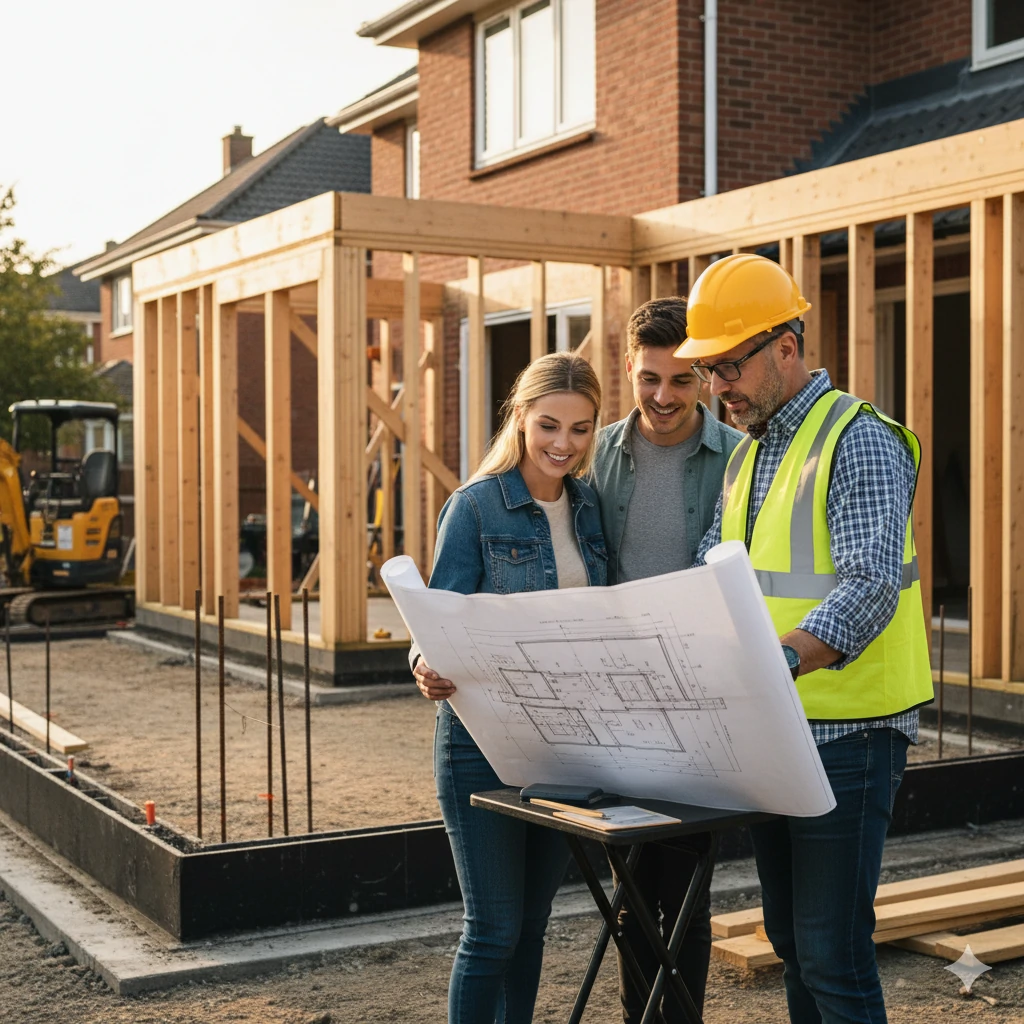
What a Licensed Missouri PE Does During a Home Addition Project
A lot happens before a single footer gets poured. Homeowners are often surprised by how much. A licensed Professional Engineer does the work that sits between your idea and a permit that actually gets approved.
The team starts with your existing home. That means reviewing the original foundation, the framing, the roof structure, and how loads currently travel through the building. The existing plans from when your home was built are either missing or don't match what's actually there. So the first step is documenting what exists right now, down to joist sizes and bearing points.
The Actual Engineering Work
Once the existing conditions are clear, the structural design for your addition begins. This isn't drafting. It's calculating how new loads connect to old structure. Here's what that looks like in practice:
- Analyze soil conditions and design the foundation to match your specific lot, not a generic detail sheet.
- Size every beam, header, and column so the new structure carries its own weight plus live loads like furniture, people, and snow.
- Design the connection points where new walls meet existing walls. This is where most permit rejections happen in the Clarkson Valley area.
- Verify the existing foundation can handle the added load, or specify reinforcement if it can't.
- Produce stamped structural drawings that satisfy the International Residential Code requirements your local inspector will check against.
A PE stamp on those drawings means a licensed engineer is putting their name on the math. That stamp carries legal weight. Inspectors know the difference between a contractor's sketch and a stamped set, and it changes how your review goes.
The engineer also coordinates with your architect or contractor to make sure the structural plan doesn't conflict with the architectural vision. The team sees this regularly. A homeowner wants a big open corner with windows on two sides, and the contractor says sure. Then the permit reviewer asks where the lateral bracing is. That's the kind of problem a PE catches before it costs you a redesign. According to the American Society of Civil Engineers, structural failures in residential construction most often trace back to inadequate load path analysis during the design phase.
Your addition in Chesterfield deserves engineering that holds up at the plan review table, not just on paper.
How Clay Soils and Frost Depth Shape Every Addition Footing in This Area
Soil conditions don't come up much until a foundation design starts. That's fair. But the soil here drives almost every decision the team makes on a home addition footing.
Chesterfield sits on heavy clay. Expansive clay, specifically. It swells when it gets wet and shrinks when it dries out. That seasonal movement puts real pressure on footings that aren't designed for it. The team sees this play out constantly in the Wildhorse and Clarkson Valley neighborhoods, where the terrain rolls and drainage patterns shift from lot to lot. One side of your property might drain fine. The other side holds water for days after a storm.
A footing poured too shallow or too narrow on expansive clay will move. Not right away, maybe not even in year one. But give it a few freeze-thaw cycles and you'll start seeing cracks in the new drywall, doors that won't latch, or gaps where the addition meets the existing house. That traces back to a footing that didn't account for the soil.
Frost depth matters just as much. Missouri's building code requires footings to extend below the frost line, which sits around 24 inches in this part of the state. Go shallower and frost heave can lift the entire footing. The team factors this into every structural calculation before drawings go to the permit office.
A proper home addition structural engineering plan for clay soils typically includes:
- Wider spread footings to distribute loads across unstable soil
- Deeper excavation beyond the frost line minimum when site conditions call for it
- Reinforcement details that account for lateral soil pressure during wet seasons
- Drainage notes so your contractor knows what the engineer expects around the perimeter
Skipping a soil-specific footing design is where projects run into trouble at inspection. The inspector in Chesterfield will check footing depth and width against the stamped drawings. If those drawings don't reflect actual site conditions, you're looking at a failed inspection and a change order from your contractor. The team designs around that problem before it starts.
The Structural Engineering Process From Site Visit to Stamped Drawings
There's a gap between "I want to add a room" and "here are your approved plans." That gap is where projects stall. So here's exactly how the team moves your addition from idea to permit-ready drawings.
- Site visit and existing conditions. The team comes to your home, measures the structure, checks your foundation type, and documents how loads currently travel through your framing. If you're near Wildhorse or the older neighborhoods off Clarkson Road, the team is also looking at soil conditions and how your lot drains.
- Load analysis and design. Back at the office, the team runs structural calculations for your specific addition. New beams, headers, footings, connection details. Every number ties back to the International Residential Code and local amendments.
- Structural permit drawings. These aren't sketches. They're stamped, dimensioned sheets showing exactly what your contractor needs to build and what the inspector needs to approve. Foundation plans, framing details, beam schedules, lateral bracing.
- Coordination with your contractor or architect. The contractor has questions before they even break ground. The team stays available for that back-and-forth so nothing gets built wrong.
- Permit submission support. If the plan reviewer flags something, the team handles the response directly. This is where most permits get held up, and it's usually a missing detail or a calculation the reviewer wants to see written out differently.
The whole process typically takes two to three weeks from site visit to stamped drawings. Complicated additions with second stories or cantilevered sections can take longer.
By the time your plans hit the permit office, they're built around what the Chesterfield reviewer actually wants to see. Not generic templates. Not recycled details from another project. Your home, your soil, your loads.
Need help figuring this out? Give us a call.
Permit Requirements and HOA Coordination for Chesterfield Home Additions
This is where most projects stall. Not because of bad plans or slow contractors, but because the permit package wasn't put together right the first time. Chesterfield runs permits through St. Louis County's Department of Public Works, and the team sees the same rejection reasons come back over and over. Missing structural calculations. Incomplete foundation details. Drawings that don't match the site survey. One round of revisions can cost you three to four weeks.
For a home addition in Chesterfield, your permit drawings need to show a few specific things:
- How the new structure ties into your existing foundation and framing
- Load paths from roof to footing, with calculations stamped by a licensed engineer
- Compliance with current International Residential Code, including lateral bracing
- Setback dimensions that match your recorded plat
- Connection details at every point where new meets old
According to the International Code Council, structural plan deficiencies are one of the top three causes of residential permit delays nationwide. That tracks with what the team sees locally.
But the county permit is only half the picture.
Most neighborhoods in Chesterfield have active HOAs, and places like Chesterfield Village or Clarkson Valley Estates have architectural review boards with their own submission requirements. They'll want elevation drawings showing what the addition looks like from the street. Some want material specs. A few want color samples. And they almost always want to see it before you file with the county, so the timeline matters more than people realize.
Getting Both Approvals Without Doubling Your Timeline
The team prepares your structural permit drawings and your HOA submission package at the same time. Same set of plans, formatted for two different audiences. The county inspector wants to see beam sizes and footing depths. Your HOA board wants to see that the roofline matches and the siding blends in. Both come from the same engineering work. There's no reason to do them in sequence.
Need help getting your permit package right before you submit? Give us a call.
Frequently Asked Questions
Do I need a structural engineer for a home addition in Chesterfield, or can my contractor handle it?
You need a licensed structural engineer — your contractor cannot legally stamp the drawings required for a permit. Chesterfield building inspectors check for a PE stamp on structural drawings. Without it, your permit review stalls. Contractors are great at building, but they aren't licensed to calculate load paths, size beams, or certify that your existing foundation can carry new weight. Getting the engineering done first keeps your project moving and avoids costly redesigns mid-construction.
Why does my 1970s ranch in Chesterfield need engineering before adding a second story?
Ranch homes built in the 1960s through 1990s were designed to carry one story of load — nothing more. The original footings were sized for that specific weight. Adding a second level changes the load on every element below it, including the foundation. Clay-heavy soils in Chesterfield shift seasonally, which makes an undersized footing even riskier. A structural engineer checks whether your existing foundation can handle the new load or needs reinforcement before framing ever starts.
How long does the structural engineering process take for a home addition?
Most home addition structural engineering projects take two to four weeks from the initial site visit to stamped drawings. The timeline depends on how complex your existing structure is and whether original plans are available. Older homes in areas like Wildwood Ridge often have no original drawings, so the engineer has to document existing conditions first. Starting the engineering process before your contractor begins framing keeps the permit review clean and avoids delays at the inspection stage.
What happens if my addition footing isn't designed for Chesterfield's clay soils?
A footing poured too shallow or too narrow on expansive clay will eventually move. You may not see it in year one, but after a few freeze-thaw cycles, you'll notice cracks in new drywall, doors that won't latch, or gaps where the addition meets the house. Missouri's frost depth requirements exist for this reason. A structural engineer designs your footing specifically for your lot's drainage and soil conditions — not a generic detail that ignores what's actually under your yard.
What does a structural engineer actually review when I open a wall for an addition?
The engineer checks whether the wall is load-bearing and designs the beam and header needed to replace it safely. In most 1970s ranch homes in Chesterfield, the wall between the kitchen and living room carries roof load. If your addition plan opens that wall while also extending the roofline, both changes have to be calculated together. Missing that connection is one of the most common reasons permit reviewers send addition plans back for revision.
Will the structural engineer coordinate with my contractor and architect in Chesterfield?
Yes, and that coordination matters more than most homeowners expect. The structural plan has to match the architectural drawings — if it doesn't, the permit reviewer will catch the conflict. A common example is a homeowner wanting an open corner with windows on two sides. That design removes wall bracing, and the structural engineer has to design a replacement lateral system. Catching that before the contractor starts framing saves significant time and money on your Chesterfield addition.