What 'Light Commercial' Actually Means for Your Project
Most people who call about light commercial design in Chesterfield aren't sure if their project actually counts as "light commercial." That's normal. The line between residential and commercial can feel blurry, especially when your building looks like a house but functions like a business.
Here's the simple version. Light commercial covers smaller-scale commercial buildings, retail shops, small offices, restaurants under a certain square footage, medical suites, daycares, or mixed-use spaces with a storefront on the ground floor and apartments above. These aren't high-rises or warehouses. But they aren't single-family homes either, and the code requirements are completely different.
That difference is where projects stall. The team sees this almost every week. A business owner leases a space in Chesterfield Valley, hires a contractor to start a buildout, and then the permit office sends everything back because the structural drawings don't meet commercial code. Residential-grade plans won't cut it here. Commercial occupancy triggers different load requirements, different egress standards, different fire separation rules. Even a small tenant improvement in a strip mall needs drawings that account for these things.
Light commercial design from a licensed structural engineer or a commercial architect means your plans address those requirements from the start. Not after a rejection. Not after your contractor has already framed something that doesn't pass inspection. The structural calculations, the beam sizes, the connection details all get worked out on paper before anyone picks up a hammer.
According to the International Code Council, buildings classified under commercial occupancy must meet stricter structural performance standards than residential structures of similar size. That's not optional. It's code.
So if your project involves converting a residential property to commercial use, building out a new retail or office space, or renovating an existing commercial building, you're in light commercial territory. And you need drawings that reflect it.
Not sure where your project falls? Give us a call and the team can sort it out in about five minutes.
The Design Process from First Consultation to Permit-Ready Drawings
A lot of commercial projects in Chesterfield stall for one reason. The plans weren't built around what the reviewing authority actually wants to see. The team handles this differently.
Every project starts with a site visit or a detailed review of existing conditions. Sometimes that means working from as-built drawings. Sometimes it means the team measures the space from scratch. Either way, nothing gets drawn until the actual constraints are clear, column locations, existing mechanical runs, and how the building's structural system was originally designed.
Here's how it moves from that first conversation to a permit-ready set:
- Initial consultation and scope review. You walk the team through what you're planning. A retail buildout near Chesterfield Mall, a medical office reconfiguration, a restaurant expansion. The team identifies what structural elements are affected and what documentation the municipality will require.
- Existing conditions assessment. The team documents what's there now. Load paths, floor systems, wall types. This step catches problems early, like a wall that looks non-structural but is carrying roof loads.
- Design development. Floor plans, structural calculations, and any beam or header designs get developed together. Not separately. That's where most coordination errors happen.
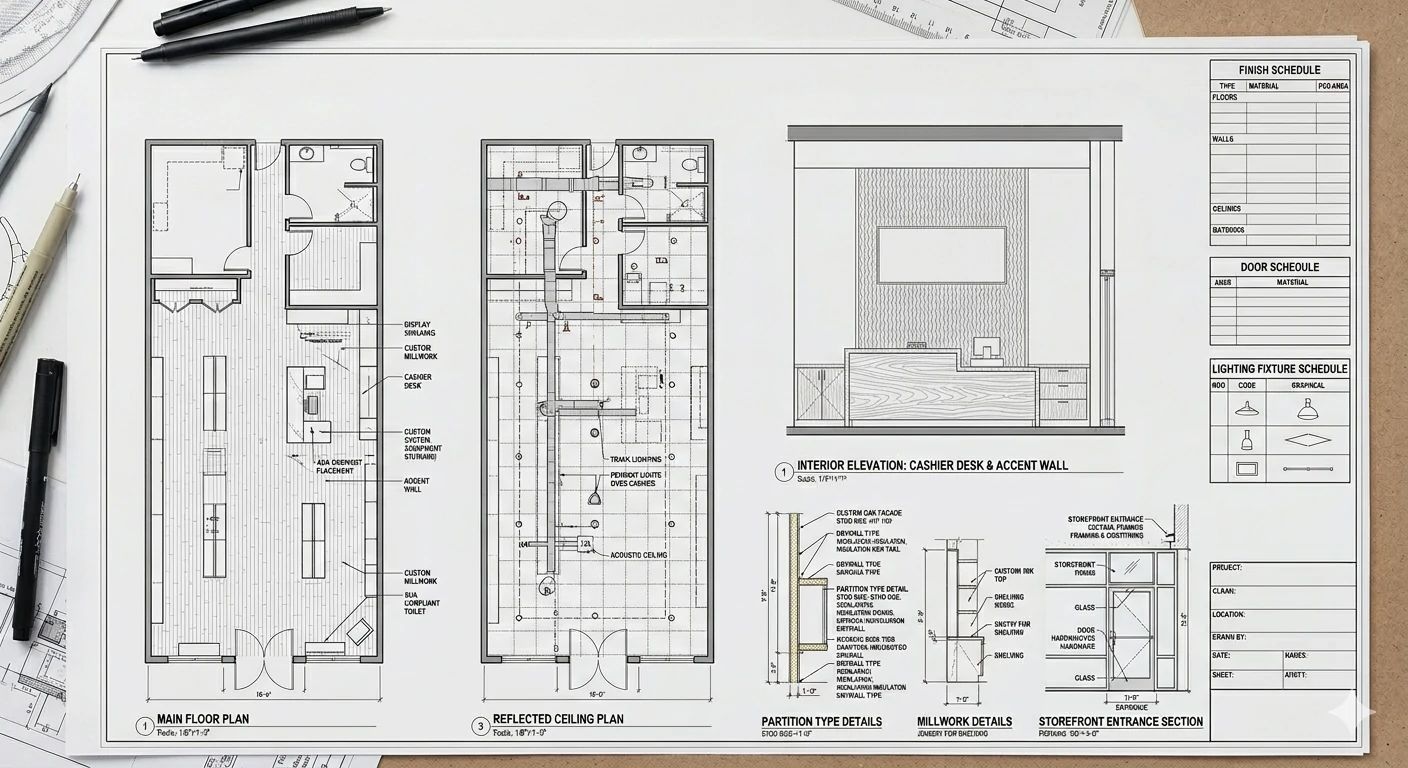
- Permit drawing preparation. The final set includes structural drawings, structural calculations, and code compliance details specific to your Chesterfield jurisdiction. Stamped by a licensed engineer.
- Submission support. If the plan reviewer has questions or requests revisions, the team responds directly. No back-and-forth through your contractor.
The team sees this regularly. A business owner gets a contractor's quote, starts demo, then finds out they need engineered drawings before the inspector will sign off. Now the project sits idle for weeks. Starting with the design process first avoids that entirely.
And the drawings aren't just lines on paper. They include the specific structural details an inspector in St. Louis County needs to approve your project, connection details, load calculations, and code references that match the adopted building code version. That level of detail is what keeps your permit on track instead of kicked back for revisions.
Permitting and Code Compliance for Tenant Improvement Projects
Tenant improvement projects in Chesterfield don't usually stall because of bad contractors. They stall because the permit drawings weren't right the first time. The team sees this constantly with retail and office spaces along Chesterfield Airport Road and in the Chesterfield Valley area.
St. Louis County has specific requirements for commercial tenant improvements. Even something that looks minor, adding a partition wall or moving a restroom, can trigger structural review. The municipality wants to see stamped structural calculations, a code-compliant floor plan, and clear documentation of any changes to the building's load path. Skip any of that, the plan gets kicked back.
Here's what usually triggers a permit hold-up on tenant improvement projects:
- Missing or incomplete structural calculations for new wall layouts
- Occupancy changes that require updated egress paths and ADA compliance
- Mechanical or plumbing relocations without supporting structural drawings
- Insufficient documentation of existing conditions in older buildings
Almost every rejection letter references something that could've been caught before submission. That's where having a licensed structural engineer involved from the start matters. The team prepares structural permit drawings that match exactly what Chesterfield's building department expects to see. Not generic plans. Plans built around your specific space, your specific project scope, and the specific code edition the reviewer is using.
A clean submission with complete structural calculations and properly formatted drawings can move through review in days. A messy one can sit for weeks, get rejected, and restart the clock.
Building code compliance review is part of every light commercial design project the team handles. That means checking occupancy classifications, verifying fire separation requirements, and making sure your contractor has a set of drawings that won't raise questions during inspection. The goal is simple: your permit gets approved, your buildout starts on schedule, your tenant moves in on time.
Not sure if your project needs structural engineering involvement? That's actually pretty common. Most business owners don't know until they're already stuck in the permit process.
Preparing Your Space Before the Design Phase Begins
Projects don't stall because of bad ideas. They stall because the building owner didn't have the right information ready when the design team showed up. That's one of the most common delays the team runs into across Chesterfield.
Before any drafting starts, the team needs a clear picture of what's already there. That means gathering a few things ahead of time:
- Any existing floor plans, as-built drawings, or original construction documents for the building
- A current lease or ownership summary showing what spaces you're allowed to modify
- Photos of the areas you want changed, including ceilings, mechanical rooms, and utility panels
- Notes from your contractor or property manager about known issues like past water damage or previous tenant buildouts that were never permitted
The biggest delay often happens because someone assumed the original drawings were on file with the city. They weren't. If you can't find your building's original plans, the team can produce as-built drawings. But knowing that upfront saves a full round of back-and-forth.
You'll also want to think through how the space actually gets used day to day. Not just the layout you want, but how people move through it. Where do deliveries come in? Where do customers wait? Which walls have plumbing or electrical behind them? These details shape the structural approach more than most people realize.
For properties along Chesterfield Airport Road or in the Wildhorse Creek corridor, the team often sees older commercial shells that have been through two or three tenants. Each one made changes. Some were permitted, some weren't. A walkthrough before design begins helps catch those surprises early so they don't become permit problems later.
And if you're not sure what counts as useful information? Just bring everything you've got. A stack of old plans, a folder of inspection reports, even a napkin sketch of what you're hoping for. The team sorts through it fast, it's part of the process.
Need help pulling your project details together? Give us a call and the team can walk you through exactly what to have ready.
Space Types That Benefit Most from Professional Light Commercial Design
Not every commercial project needs the same level of engineering. But the ones that get flagged by inspectors in Chesterfield almost always share something in common. The owner skipped the structural design phase and went straight to construction.
The team handles light commercial design for a wide range of building types. Some show up more than others. Here are the spaces where professional design makes the biggest difference:
- Retail storefronts and tenant buildouts along corridors like the Chesterfield Mall area or the Clarkson Valley border. Open floor plans sell product, but removing partition walls without checking the structural load path is how projects get red-tagged.
- Small office suites and coworking spaces. Reconfiguring cubicle layouts sounds simple until you realize the drop ceiling hides ductwork hung from structural framing that can't move without new calculations.
- Restaurant and café conversions. These involve hood exhaust penetrations through the roof deck, heavier floor loads from walk-in coolers, and plumbing runs that weaken floor joists if not reinforced.
- Medical and dental offices. Equipment loads for X-ray machines and dental chairs often exceed what the original floor system was designed to carry.
- Mixed-use buildings with ground-floor commercial. The residential units above create specific load transfer requirements that need stamped structural drawings before any permit reviewer will sign off.
A common assumption is that the project is too small to need an engineer. That's exactly when problems show up at inspection.
A 1,200-square-foot salon buildout in the Wildhorse neighborhood doesn't look like a big structural job. But when the contractor wants to cut a new doorway through a CMU wall or add a mezzanine storage loft, the municipality wants to see calculations. According to the International Code Council, any alteration affecting structural elements requires engineered plans regardless of project size. That's not a suggestion, it's code.
The projects that go smoothest are the ones where the team gets involved before demolition starts. Even a quick building condition assessment can save weeks of permit delays down the line.
Frequently Asked Questions
Does my small retail or office buildout in Chesterfield actually need a structural engineer?
Yes, most commercial tenant improvements in Chesterfield require stamped structural drawings from a licensed engineer. St. Louis County plan reviewers want to see structural calculations, load path documentation, and code compliance details — even for smaller projects. Adding a partition wall or moving a restroom can trigger a full structural review. Starting with engineered drawings keeps your permit on track and avoids costly delays after demo has already started.
What is the difference between residential and light commercial design drawings?
Light commercial drawings meet stricter code requirements than residential plans. Commercial occupancy triggers different load standards, egress rules, and fire separation requirements. A residential-grade plan submitted to the Chesterfield permit office will get sent back. Your drawings need stamped structural calculations, connection details, and code references that match the adopted commercial building code — not the residential version.
What are the most common reasons tenant improvement permits get rejected in Chesterfield?
The most common rejections involve missing structural calculations, incomplete documentation of the existing building's load path, and occupancy changes that weren't addressed in the drawings. Projects near Chesterfield Valley and along Chesterfield Airport Road run into this regularly. Most rejection letters point to something that could have been caught before submission. Having a licensed structural engineer prepare the permit set from the start prevents most of these issues.
How long does the light commercial design process take from first call to permit-ready drawings?
The timeline depends on project scope, but most light commercial design projects move from initial consultation to a permit-ready drawing set in a few weeks. The process starts with a site visit or existing conditions review, then moves into design development and final drawing preparation. Projects stall when existing conditions aren't documented first — finding a load-bearing wall mid-demo adds weeks. Starting the design process before construction begins keeps your schedule intact.
Can I convert a residential property to a commercial space in Chesterfield without new structural drawings?
No. Converting a residential property to commercial use in Chesterfield changes the occupancy classification, which triggers commercial code requirements. The structure needs to meet different load, egress, and fire separation standards. You will need new structural drawings stamped by a licensed engineer before the municipality will issue a permit. This applies even if the building looks the same on the outside after the conversion.
What should I have ready before the first consultation for a light commercial project?
Bring any existing drawings, lease agreements that describe the space, and a clear description of what you are planning to build or change. If you have photos of the space, those help too. You do not need everything figured out before the first call. The team can review your scope in about five minutes and tell you exactly what structural documentation your Chesterfield project will require to move through the permit process.