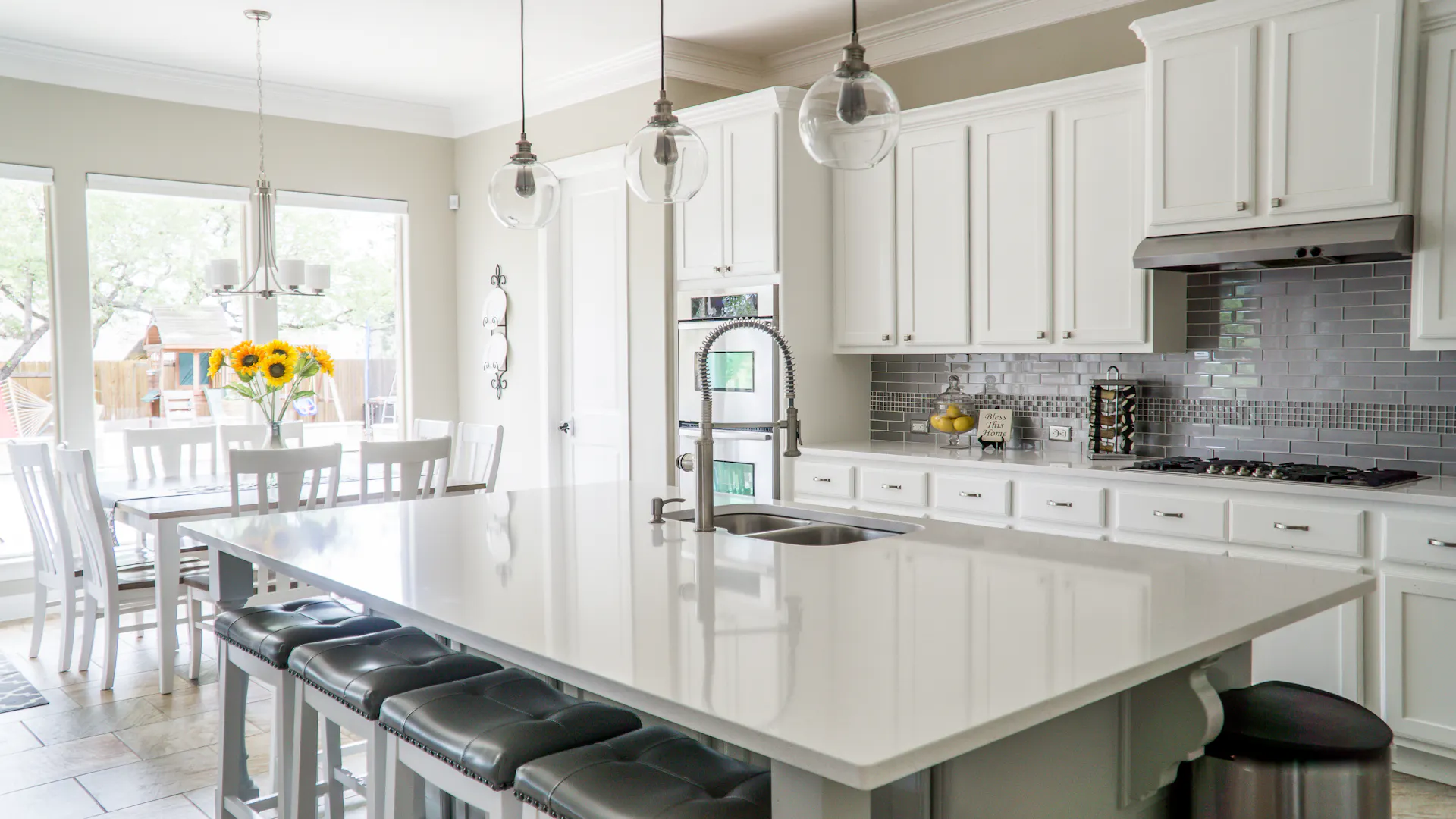
Why Chesterfield Kitchens Need More Than a Cosmetic Update
Most kitchen remodels in Chesterfield start the same way. Someone wants new countertops, maybe an island, maybe to open up that wall between the kitchen and the living room. The vision is clear. But the structure behind the drywall tells a different story.
A huge number of homes here were built between the late 1970s and early 2000s. That means the framing, the floor joists, the load paths through the kitchen area all follow building codes that have changed since then. New cabinets and tile won't fix a floor that bounces when you walk across it, and they won't address a beam that's undersized for the span your contractor wants to open up.
The team sees this every week. A homeowner in the Clarkson Valley area calls because their contractor told them "you might need an engineer for this." They want to remove a wall, add an island with a sink, or shift the layout in a way that affects the structure underneath. Here's what usually needs attention beyond the surface:
- Load-bearing walls separating the kitchen from adjacent rooms
- Floor systems that can't support heavy stone countertops or relocated appliances
- Plumbing and electrical runs hidden inside structural framing
- Header sizes above existing windows or pass-throughs that don't meet current code
Skipping the structural review doesn't save time. It costs time. Your permit gets rejected, your contractor sits idle, and the whole project stalls for weeks. Kitchen remodels are the most common renovation to trigger a structural permit requirement.
That's exactly why kitchen remodel design, including custom architectural design, matters more than picking finishes. The design has to account for what's above, below, and behind every wall you're changing. And if your home sits on a slab versus a basement, the approach changes again. Chesterfield has both, sometimes on the same street.
A good-looking kitchen that isn't structurally sound is a problem waiting to surface. The goal is a kitchen that works, passes inspection, and stays solid for decades.
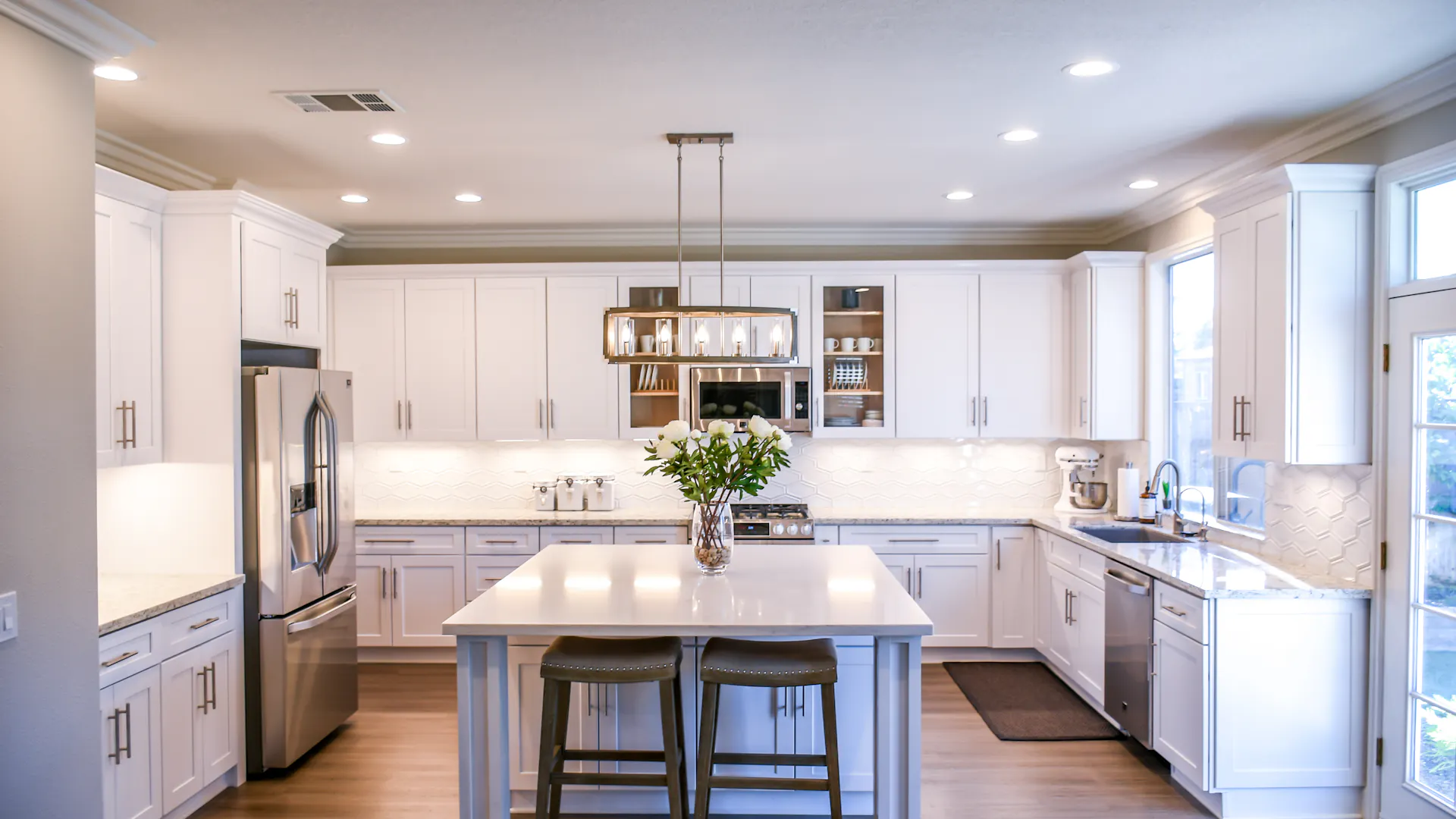
The Design Process From First Visit to Final Plan
Most Chesterfield homeowners call because they've already been going back and forth with a contractor who keeps saying "we need engineered drawings." That's usually the starting point. Not a vague idea about a dream kitchen, but a real project that's stalled because nobody's put the structural picture together yet.
The team follows the same process on every kitchen remodel design project. It works because it catches problems early, before they become permit rejections or mid-demo surprises.
- Initial site visit and measurement. Someone from the team comes to your home, takes field measurements, and looks at what's behind the layout you want to change. Ceiling joists, bearing walls, plumbing stacks, the stuff your contractor can't just guess at.
- Structural assessment. This is where the team figures out what can move and what can't. That shared wall in your Wildflower home between the kitchen and dining room? It's almost always load-bearing. The team confirms it and starts working out beam sizes if removal is part of your plan.
- Design development. Floor plan layout, structural details, beam and header sizing, and any load path changes get drafted. Everything is drawn to meet current building code requirements for St. Louis County municipalities.
- Plan review and revisions. You see the drawings before they go anywhere. The team walks through every detail with you so nothing feels like a surprise. One round of revisions is normal, two rounds happen sometimes.
- Final stamped drawings. A licensed structural engineer stamps the plans. They're ready for your permit application the same week.
The whole process takes two to three weeks from that first visit. Faster if the scope is straightforward, a little longer if there's a load-bearing wall removal involved or if the project ties into a bigger room addition design.
The part that saves you the most time isn't the drawings themselves. It's the fact that everything is built around what the Chesterfield plan reviewer wants to see, correct load calculations, proper detail callouts, code references on the sheet. The team has been through enough permit cycles to know exactly where plans get kicked back, and those issues get handled before submission.
Homeowners who want to explore kitchen and bathroom remodeling financing options before finalizing their project scope can review HUD's consumer guidance as a starting point for understanding what renovation costs may qualify for structured financing programs.
Want to talk through where your project stands? Give the team a call.
Permits, Structural Walls, and What Triggers a Review
Most kitchen remodel projects in Chesterfield hit a wall. Sometimes literally. You want to open up the kitchen to the living room, or move a doorway, or add an island where a closet used to be. Your contractor says it should be fine. But the permit office says they need engineered drawings before they'll approve anything.
That's the moment the project stalls.
Here's what actually triggers a structural review for kitchen remodel design in Chesterfield. It's not every project, but it's more projects than most homeowners expect:
- Removing or modifying any wall that might be load-bearing
- Changing the location of a support beam or header
- Cutting into floor joists for new plumbing or HVAC runs
- Adding a large window or expanding an exterior opening
- Reconfiguring the layout in a way that shifts structural loads
The team sees this every week. A homeowner near Chesterfield Valley calls because their contractor said the kitchen-to-dining-room partition "probably isn't structural." That wall is carrying floor loads from the second story or supporting a ridge beam above. Guessing wrong means failed inspections, torn-out work, and real money lost.
St. Louis County municipalities, including Chesterfield, require stamped structural calculations and permit drawings any time load paths change. The building department won't accept a contractor's sketch. They want to see beam sizes, connection details, load calculations, and a licensed engineer's stamp. This is where most permits get held up.
And here's what people don't realize. Even if your kitchen walls turn out to be non-bearing, proving that still requires an engineer's review. The permit reviewer doesn't take your word for it. They need documentation showing the loads were analyzed and the existing framing is adequate for whatever you're planning.
So before your contractor starts demo day, get the structural question answered first. It saves weeks of back-and-forth with the permit office, keeps your timeline intact, and gives your contractor a clear set of drawings to build from.
Material Selection Built for Missouri Kitchens
Most homeowners walk into a showroom and pick what looks good. That's fine for a Pinterest board. But your kitchen in Chesterfield has to deal with real conditions. Humidity swings from July to January. Foundation settling that shifts countertop seams over time. Plumbing runs that limit where your sink can actually go.
Material choices need to account for all of that before anyone places an order.
The team reviews every material selection against the structural realities of your home. A heavy natural stone countertop sounds great until you realize the base cabinets sit on a cantilevered floor system that wasn't built for that load. Somebody falls in love with a thick quartzite slab, and the existing floor joists can't support it without reinforcement. That's not a dealbreaker, it's just something your kitchen remodel design needs to solve on paper first.
What Actually Matters in Material Decisions
Here's what the team evaluates before signing off on material specs:
- Weight of countertop materials relative to your floor system capacity
- Moisture behavior of flooring near dishwashers and sink locations
- Thermal expansion of backsplash tile against exterior walls
- Cabinet box material and whether it holds up under reconfigured load paths
Homes in the Wildhorse neighborhood and across Chesterfield often share similar framing from the same construction era, predictable joist spans and subfloor materials the team already knows before pulling permits. That knowledge speeds up every recommendation.
But here's the part people miss. Your flooring choice affects your cabinet height, which affects your countertop edge detail, which affects whether your range hood vents properly. One bad pick cascades. The team maps these dependencies early, not after your contractor has already demo'd the old kitchen.
How Good Design Protects Your Remodel Budget
Most kitchen remodels don't go over budget because of expensive taste. They go over budget because something wasn't figured out on paper first.
The team sees it constantly in Chesterfield. A homeowner hires a contractor, demo starts, and then someone realizes the plumbing stack needs to move six feet to accommodate the new island. Or the electrical panel can't support the cooktop they picked out. That's not bad luck. That's a design problem that should've been caught weeks earlier.
Good kitchen remodel design does one thing better than anything else: it forces decisions before demo day. When the layout, structural needs, and mechanical routes are all resolved in the drawings, your contractor isn't guessing. They're building from a plan that already accounts for the hard stuff.
Where Unplanned Costs Actually Come From
- Discovering a load-bearing wall mid-project that now needs a beam and header design
- Moving gas lines or plumbing because the layout wasn't checked against existing rough-ins
- Failing a permit inspection because structural drawings weren't included with the application
- Ordering cabinets before confirming ceiling height or soffit dimensions
Every one of those adds weeks and dollars. Every one of them is preventable with proper design work done upfront.
Here's what most homeowners near Chesterfield don't realize. The design phase isn't just about picking finishes and appliance locations. It's where the team identifies whether your floor system can handle a stone countertop, whether that kitchen-to-dining-room partition is structural, and whether your project needs structural permit drawings before work begins.
A solid set of drawings pays for itself the first time it prevents a surprise. The homeowners who come to the team after a project stalls say the same thing: "I wish I'd done this part first."
That's not a sales pitch. It's just what happens when the planning gets skipped.
Frequently Asked Questions
Do I need engineered drawings just to remove a wall in my Chesterfield kitchen?
Yes, in most cases you do. Chesterfield and St. Louis County municipalities require stamped structural drawings before they'll approve a permit for wall removal. This is true even when your contractor thinks the wall "probably isn't load-bearing." Homes built here between the late 1970s and early 2000s often have walls carrying floor loads from above or supporting a ridge beam. Guessing wrong means failed inspections and torn-out work. Getting the drawings done first saves you weeks of delays.
How long does the kitchen remodel design process take from first visit to stamped plans?
The process typically takes two to three weeks from the initial site visit to stamped, permit-ready drawings. A straightforward layout change comes in closer to two weeks. If your project involves a load-bearing wall removal or ties into a larger addition, plan for the longer end. The site visit, structural assessment, design development, and one round of revisions all happen within that window. You see the drawings before anything gets submitted so there are no surprises.
What parts of a kitchen remodel actually trigger a structural permit in Chesterfield?
Several common changes trigger a structural review. Removing or modifying a load-bearing wall is the most frequent one. But cutting into floor joists for new plumbing, expanding a window opening, adding an island that shifts structural loads, or changing a header above a pass-through can all require engineered drawings. Kitchen remodels are the most common renovation to trigger this requirement. If your project involves any of these, plan for the permit process from the start rather than discovering it mid-demo.
My Chesterfield home is on a slab — does that change how the kitchen remodel is designed?
Yes, it changes the approach significantly. Slab homes limit where plumbing can be relocated without cutting into concrete. That affects island placement, sink location, and appliance layout in ways that basement homes don't face. Chesterfield has both slab and basement homes, sometimes on the same street. The structural design has to account for your specific foundation type before the floor plan is finalized. Knowing this early keeps your layout realistic and avoids costly changes after demo starts.
Can heavy stone countertops or a large island cause structural problems in an older Chesterfield home?
They can, and it's more common than most homeowners expect. Floor systems in homes built before the early 2000s were not always designed for the weight of thick stone countertops or a large island with a sink and seating. If the floor joists are undersized for the added load, you'll notice it as bounce or flex underfoot. A structural review checks the floor system before you commit to a layout. Catching this early is far less expensive than addressing it after installation.
What should I bring or prepare before the first site visit for my kitchen remodel design?
Having a rough idea of what you want to change is enough to get started. If you have existing floor plans or original blueprints for your home, bring those — they help speed up the structural assessment. Photos of the areas you want to modify are useful too. Most homeowners in Chesterfield don't have drawings on hand, and that's fine. The team takes field measurements and assesses the structure directly during the visit. You don't need everything figured out before that first conversation.