What a Construction Defect Consultant Actually Does
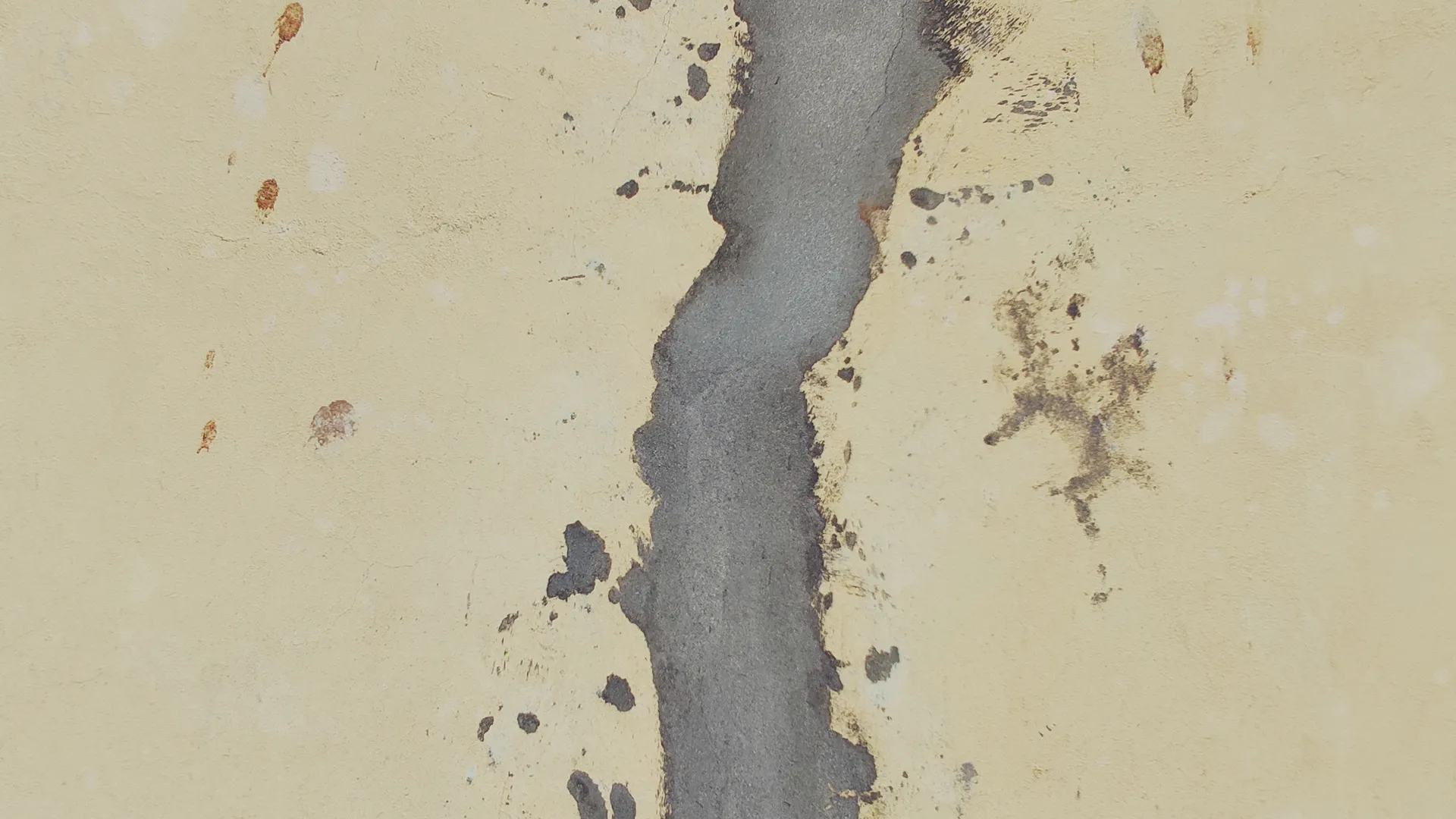
Most people call because something doesn't look right. A crack that keeps growing. A floor that bounces more than it should. Water showing up where it never did before. The contractor says one thing, the builder says another, and nobody's putting it in writing. That's exactly where construction defect consulting starts.
A construction consultant's job is to figure out what went wrong, why it went wrong, and how to fix it. Not guessing. Not opinions. Actual engineering analysis backed by field measurements, code review, and documentation that holds up if things go legal.
Here's what a typical engagement looks like in Chesterfield:
- Site visit to inspect the reported problem areas and anything related the homeowner might not have noticed yet.
- Review of available construction documents, permits, and any prior inspection reports.
- Testing or measurement where needed. Could be a level survey on a slab, moisture readings in a wall cavity, or load path analysis on a framed structure.
- Written report identifying the defect, its probable cause, the applicable building code sections, and recommended repairs.
That report is the part that matters most. It's what your attorney needs if there's a claim. It's what your insurance adjuster wants to see. And it's what gives a repair contractor a clear scope of work instead of a vague "fix this wall" instruction.
The team handles this across residential and commercial properties in the Chesterfield area, from newer subdivisions near Wild Horse Creek to established neighborhoods closer to Chesterfield Valley. Most defects trace back to something that deviated from the approved plans or didn't meet code during construction.
But here's what separates a consultant from someone just giving you a look. The team doesn't do the repairs. There's no conflict of interest. The findings are independent, the report is stamped by a licensed engineer, and it stands on its own whether you're negotiating with a builder or heading to court.

Signs Your Property Has a Defect Worth Documenting
Most people don't call about a construction defect because they read about it online. They call because something in their home looks wrong and nobody can give them a straight answer about why.
That's the pattern the team sees over and over in Chesterfield. A homeowner notices a crack, a slope, a door that won't latch. They ask their contractor. The contractor shrugs or blames the soil. Months go by. The problem gets worse. By the time a structural engineer gets involved, what started as a cosmetic issue has become a real dispute.
So what actually counts as a defect worth documenting? Here are the most common signs:
- Stair-step cracks in brick or block walls, especially near corners and window openings
- Floors that slope noticeably toward one side of a room
- Doors and windows that stick or swing open on their own
- Water intrusion in a basement or crawlspace that started after new construction or a renovation
- Visible gaps between walls and ceilings or walls and trim
Not every crack means something is failing. But a crack that grows, changes direction, or appears within a few years of construction almost always points to a deeper issue, inadequate foundation design, poor drainage, or framing that doesn't match the structural drawings.
If your home is in the Wildhorse or Clarkson Valley area and it was built or remodeled in the last ten years, the defect may still fall within a legal window where the responsible party can be held accountable. But that window closes. Without documentation from a licensed engineer, your claim doesn't carry the weight it needs to.
The team documents defects with measurements, photos, code references, and structural analysis. Not opinions. Evidence.
If something in your home doesn't look right, don't wait for it to get worse before you get answers.
How the Consulting Process Works From First Call to Final Report
Most people who call about a construction defect have already spent weeks going back and forth with a builder or contractor. Nobody picks up the phone on day one. By the time you reach out, you've got questions that aren't getting straight answers.
Here's what happens once you do call:
- Initial conversation. The team asks what you're seeing. Cracks, water intrusion, uneven floors, doors that won't latch. You describe the problem in your own words. No technical language needed. This call usually takes about 15 minutes, and it tells the team whether a site visit makes sense or if you need a different kind of help entirely.
- On-site inspection. A licensed structural engineer walks your property in Chesterfield and documents everything. Measurements, photos, moisture readings if needed. The team looks at the structure itself, not just the cosmetic damage you can see. The visible crack is usually a symptom of something deeper.
- Research and analysis. Back at the office, the team reviews building plans, permit records, and applicable code requirements. Homes near Wildhorse and in the newer subdivisions along the valley floor come with specific soil and grading conditions that show up repeatedly in these reviews.
- Written report. You get a clear document that spells out what's wrong, what caused it, and what needs to happen to fix it. This report is built to hold up in front of an attorney, an insurance adjuster, or a municipality. It's an engineering opinion backed by field data.
The whole process from first call to final report typically runs two to three weeks. Complex cases take longer, simple ones move faster.
The report doesn't just say "there's a defect." It connects the defect to a cause, whether that's a design error, a code violation, or poor workmanship. That connection is what gives your report weight in a dispute. Without it, you're just pointing at damage and hoping someone agrees with you.
Need help figuring out your next step? Give us a call.
Using Your Defect Report in Disputes, Claims, and HOA Negotiations
A construction defect consulting report sitting in a drawer doesn't help anyone. The whole point is to use it. And the way it gets used depends on where your situation stands right now.
Most homeowners in Chesterfield reach out because something has already gone sideways. Maybe a builder won't return calls. Maybe an HOA board keeps saying "we're looking into it" about cracking in a common area near Clarkson Valley. Maybe an insurance adjuster came out, took photos, and denied the claim without real explanation. That's where a proper defect report changes the conversation.
What Makes the Report Useful
A well-documented report does a few things at once:
- It identifies the defect with engineering specifics, not just descriptions
- It connects the defect to a code violation or construction standard that wasn't met
- It establishes a timeline showing when the problem likely started
- It separates normal wear from actual construction failures
The other side often stops pushing back once they see stamped documentation from a licensed structural engineer. Adjusters, attorneys, and HOA boards all respond differently when there's a technical report on the table instead of a frustrated phone call.
For HOA disputes, the team sees this pattern constantly. A homeowner notices foundation movement or water intrusion in a townhome community. The board says it's a maintenance issue. The report proves it's a construction defect that predates the homeowner's purchase. That distinction matters for who pays.
If your situation involves an insurance claim, the report gives your adjuster something concrete to reference. Structural deficiencies tied to original construction errors are distinct from maintenance-related deterioration. That line is exactly what gets argued, and the report draws it clearly.
The report stays objective. It doesn't advocate for one side. That's actually what makes it useful, an attorney can use it, a mediator can rely on it, an arbitrator trusts it because it reads like engineering, not like someone building a case.
Need help figuring out your next step? Give us a call.
Missouri's Defect Claim Window and Why Chesterfield Homeowners Should Act Now
Most people don't realize there's a clock ticking on their right to file a construction defect claim. Missouri's statute of limitations gives homeowners five years from the date they discover a defect. There's also a ten-year statute of repose that caps the total time from when construction was finished. Miss either window, you lose your legal standing entirely.
That's not a scare tactic. It's just how the law works.
The tricky part is figuring out when the clock actually started. A foundation crack that showed up two years after your home was built in the Wildhorse neighborhood might trace back to soil prep issues from day one. But the discovery date isn't when the builder poured the slab, it's when you first noticed the crack or reasonably should have. That distinction matters more than most homeowners expect.
Here's what the team sees regularly in Chesterfield. A homeowner spots a problem, sticking doors, drywall cracks fanning out from a window corner. They call a contractor who patches it up. Two years later the same issue comes back worse. Now they want answers, but they've already burned through a chunk of their claim window without realizing it. Waiting for things to "get bad enough" is the single biggest mistake.
So what should you do if you suspect a defect? Get it documented by a licensed engineer before you get it fixed. That documentation does three things:
- Establishes a clear discovery date with professional backing
- Creates evidence that holds up if the claim goes to mediation or court
- Separates the original defect from normal wear or unrelated damage
Don't assume your builder will cooperate. Some do. Many don't. The team's construction defect consulting reports are built to stand on their own, whether the other side comes to the table willingly or not.
Frequently Asked Questions
What does a construction defect consultant actually do in Chesterfield?
A construction defect consultant inspects your property, documents what went wrong, and produces an engineering report that holds up in a legal or insurance dispute. The team visits your site, reviews permits and building plans, takes measurements, and connects the damage to a specific cause. That cause might be a code violation, a design error, or poor workmanship. You get a stamped report from a licensed engineer, not just someone's opinion. That report is what your attorney or adjuster needs.
How long does the process take from first call to final report?
Most cases in Chesterfield run two to three weeks from first call to final written report. The process starts with a short phone conversation, then a site inspection, then research into permits and code requirements. Simple cases move faster. Complex ones take longer. The report spells out the defect, its cause, and what repairs are needed. It is built to stand up in front of an attorney, an insurance adjuster, or a municipality.
Does a construction defect consultant also do the repairs?
No, and that separation matters. The team does not perform repairs. That means there is no conflict of interest in the findings. The report is independent. A repair contractor can use the report as a clear scope of work instead of guessing. If the case goes legal, the findings are not compromised by the consultant having a financial stake in the fix. You get an honest assessment, not one shaped by who is doing the work next.
What signs in a Chesterfield home are worth getting documented?
Stair-step cracks in brick walls, floors that slope to one side, doors that stick or swing open, and water in a basement after a renovation are all worth documenting. Homes in newer subdivisions near Wild Horse Creek and Clarkson Valley often show soil and grading issues that cause these problems. A crack that grows or appears within a few years of construction almost always points to something deeper. Do not wait for it to get worse. The legal window for holding a builder accountable does close.
Do I need a lawyer before calling a construction defect consultant?
No, you do not need a lawyer first. Many homeowners in Chesterfield call the consultant before they have any legal representation. The engineering report is often what helps an attorney decide whether a case is worth pursuing. You describe what you are seeing, the team visits the property, and the report does the work. Some cases settle with the builder once a stamped engineering report is in hand, without ever going to court.
What if my contractor already told me the crack is not a structural problem?
A contractor's verbal opinion is not the same as an engineering analysis. The team hears this situation regularly in Chesterfield. A contractor says it is cosmetic, months pass, and the damage gets worse. A licensed structural engineer measures, tests, and reviews the actual building plans and code requirements. If the crack is not a problem, the report will say so. If it is, you will have documentation that carries real weight, not a shrug from the person who may have caused the issue.