Can a foundation inspection tell me if a crack is serious or just normal settling?
Not All Foundation Cracks Mean the Same Thing
Most homeowners spot a crack in their basement wall and immediately think the worst. That's a normal reaction. But here's the straight truth: not every crack means your foundation is failing. Some cracks show up within the first year or two your home is standing. They come from the concrete curing and minor settling. Others point to real structural movement that needs action now, not later.
The difference matters a lot for your home.
A foundation crack inspection looks for specific details most people wouldn't even think to check. The team evaluates crack width, its direction, where it sits on the wall, and if it has changed over time. A hairline vertical crack near the center of a poured concrete wall? That's almost always a shrinkage crack, concrete loses moisture as it hardens, pulls in a bit, and cracks form. In many Chesterfield homes built on poured foundations, especially those from the 1970s and 80s, you'll see a couple of these. (They're usually just surface-level.) They're cosmetic issues, not structural concerns.
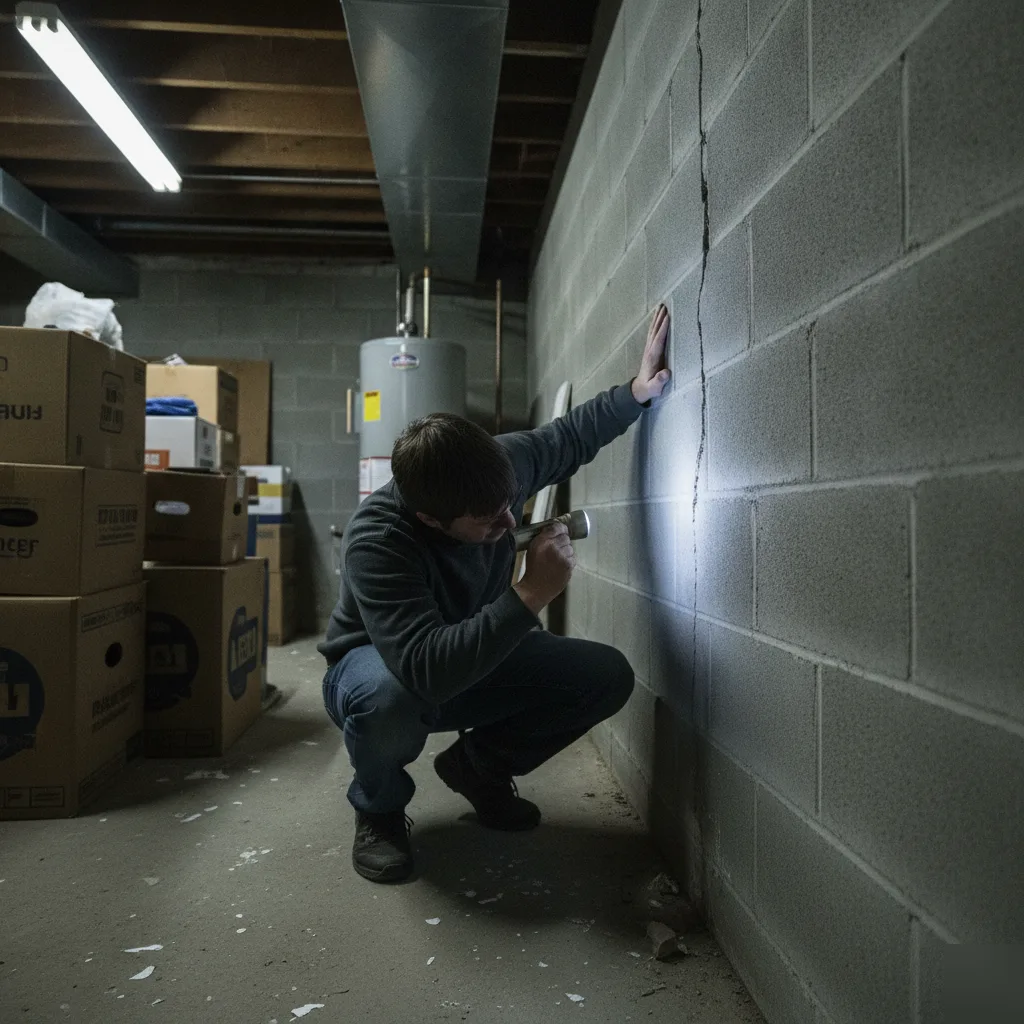
Crack Patterns That Raise Concerns
Not all crack patterns are harmless. Here are the types that get flagged during a foundation crack inspection:
- Horizontal cracks along block or poured walls, particularly at the middle height, often signal lateral soil pressure pushing inward.
- Stair-step cracks in block foundations, following mortar joints diagonally.
- Cracks wider than 1/4 inch or those wider at the top than the bottom.
- Any crack with displacement, meaning one side of the crack sits higher or further out than the other.
These specific patterns tell a different story. They suggest the foundation is moving in ways that go beyond normal settling. In the clay-heavy soils around Chesterfield, seasonal expansion and contraction of the ground, and Missouri's harsh freeze-thaw cycles, can make these cracks worse year after year.
What "Normal Settling" Actually Looks Like
Every house settles a bit. The ground beneath your foundation compresses under the building's weight, the soil adjusts to moisture shifts, and the concrete itself shrinks a little. Minor settlement in the first few years after construction is expected in most residential buildings, according to the American Society of Civil Engineers. That's just how new structures adapt.
Normal settling cracks are usually thin. Under 1/8 inch wide. They run vertically or at a slight angle. They don't grow over time. And both sides of the crack stay even with each other.
But "normal" doesn't mean "ignore it forever." The team has inspected homes where a small vertical crack sat unchanged for a decade, but then widened after a particularly wet spring in the Chesterfield Valley. Soil conditions shift. Drainage changes. A crack that was fine last year might not be fine next year.
So how do you figure out which kind you're dealing with? You can't always tell by just looking. That's the honest answer. A foundation crack inspection measures what your eyes can't catch. The team uses crack monitors, level readings, and careful visual documentation to determine if a crack is stable or active. One visit gives your home a baseline. If there's any question, a follow-up measurement six months later tells the full story.
Most people don't realize this until they're already worried, but a single inspection often brings more relief than stress. Knowing what you're up against is always better than guessing, by the way.
Crack Shape and Direction Are the First Clues Inspectors Use
Not all cracks mean trouble. That's the first thing the team tells homeowners during a foundation crack inspection. A thin vertical line near a basement window is a completely different situation than a diagonal crack running from a corner at a 45-degree angle. The shape and direction of a crack tell a trained eye what's happening underneath your home before anyone picks up a single tool.
Here's how the team reads what your foundation is showing:
- Vertical cracks run straight up and down. These usually show up within the first few years after construction. Concrete shrinks as it cures; that's just how the material works. Most vertical hairline cracks in Chesterfield basements fall into this category. They're common in poured concrete walls and rarely signal a structural problem on their own.
- Horizontal cracks run side to side along the wall. These are the ones that demand the team's full attention. A horizontal crack often means soil pressure is pushing inward against the foundation wall. In areas with expansive clay soils like you'll find across much of Chesterfield, this lateral pressure can build up over wet seasons and create real problems.
- Diagonal cracks typically run at an angle from a window or door opening corner. They suggest uneven settling, one part of the foundation moving while another stays put. A single thin diagonal crack might be minor. But a wide one you can fit a quarter into needs a professional evaluation fast.
- Stair-step cracks follow the mortar joints in block or brick foundations. They zigzag along the wall like a set of stairs. This pattern typically points to differential settlement, the same uneven movement that causes diagonal cracks but expressed differently in masonry construction.
Direction matters just as much as shape. A crack that runs the same direction as the wall's load path behaves differently than one that cuts across it. The team looks at both factors together during every foundation crack inspection.
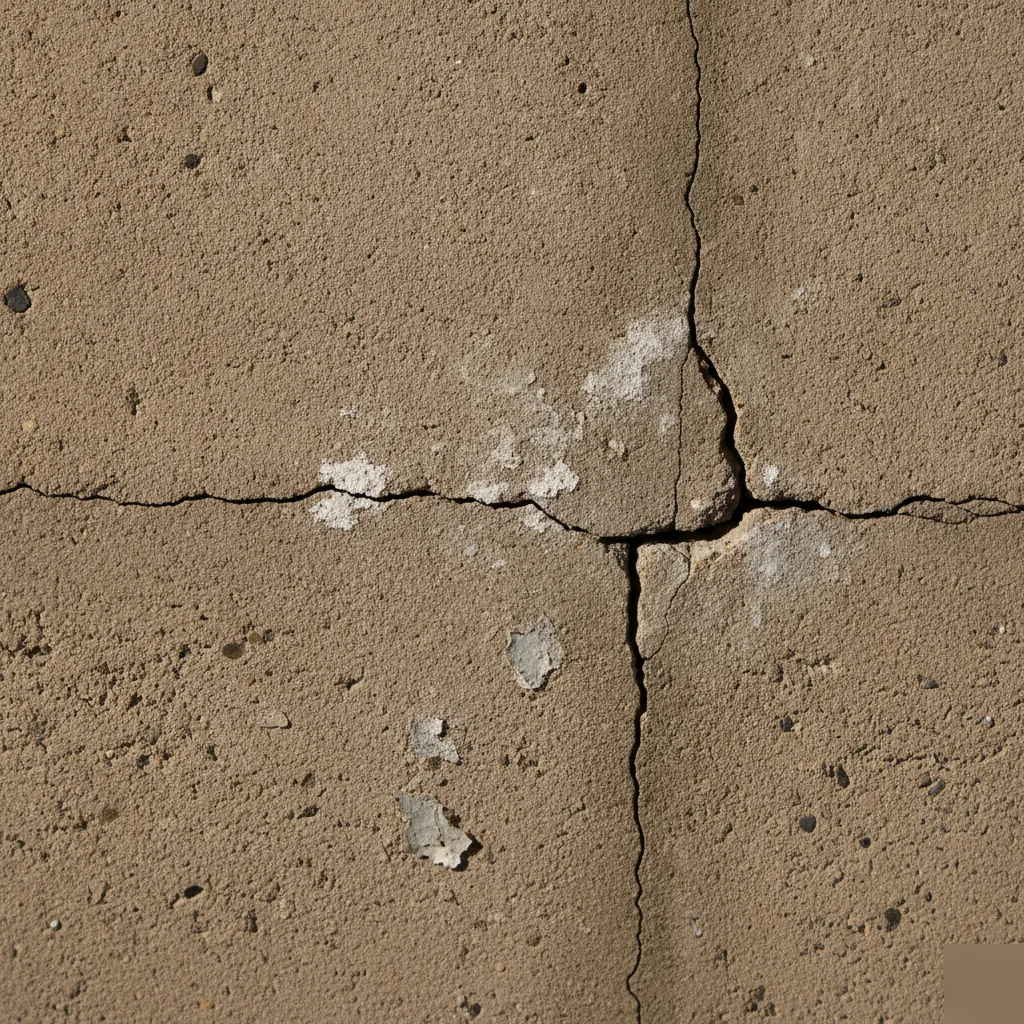
Here's a real scenario. A homeowner near Chesterfield Valley noticed a crack in their basement that had been there "forever." It was vertical, about 1/16 of an inch wide, and hadn't changed in years. That's textbook shrinkage. But their neighbor two streets over had a horizontal crack at mid-height on the same type of poured wall. That crack was bowing inward slightly. Same neighborhood, same soil conditions, totally different situations that require different engineering approaches.
One thing most people don't realize: a crack's direction can change over time. What starts as a vertical shrinkage crack can angle off diagonally if the soil underneath shifts. That's why a single photo from three years ago isn't enough information for an assessment. The team needs to see the crack now, measure it, and compare it to any prior documentation you might have.
And width matters too. The American Concrete Institute notes that cracks under 1/16 of an inch are generally considered non-structural in residential concrete. But context changes everything. A 1/16-inch crack that's horizontal and at the midpoint of a basement wall tells a very different story than the same width running vertically near a corner.
So before you grab the caulk gun or start worrying about your home's resale value, look at the crack's shape and direction first. That alone narrows down whether you're dealing with normal concrete behavior or something that needs a closer look from a structural engineer.
What a Foundation Crack Inspection Actually Covers
Most homeowners picture someone glancing at a crack and saying "that looks fine" or "that's bad." A real foundation crack inspection is nothing like that. The team measures, documents, and evaluates every visible crack using a structured process. The goal isn't just to look at the crack; it's to figure out what caused it and whether your foundation is still doing its job.
Here's what a thorough foundation crack inspection actually includes:
- Visual survey of all accessible foundation walls. Every crack gets noted. Not just the one you called about. Hairline cracks in the basement corners, stair-step cracks in the block, horizontal cracks along the mortar joints. All of it goes into the report. Following guidelines for periodic facility inspection helps ensure nothing gets missed during this process.
- Crack measurement and classification. Width matters. So does direction. A crack under 1/16 of an inch behaves very differently than one at 1/4 inch. The team uses crack gauges to get exact numbers.
- Pattern analysis. One crack alone doesn't tell the full story. But three cracks on the same wall? That pattern points to a specific type of movement. Diagonal cracks near windows often mean something different than a single vertical crack in a poured wall.
- Checking for displacement. This is where most people get surprised. The team checks whether one side of the crack has shifted relative to the other. Even a small offset can signal active structural movement rather than old settling.
- Moisture and water intrusion assessment. Cracks that let water in create a secondary problem. Staining, efflorescence, or damp spots near cracks get flagged because they affect both the structure and your home's livability.
- Floor and wall levelness checks. If your floors slope or your walls bow, that context changes how the team reads a crack. A level and a straight edge reveal things your eyes can't, providing critical information for structural analysis.
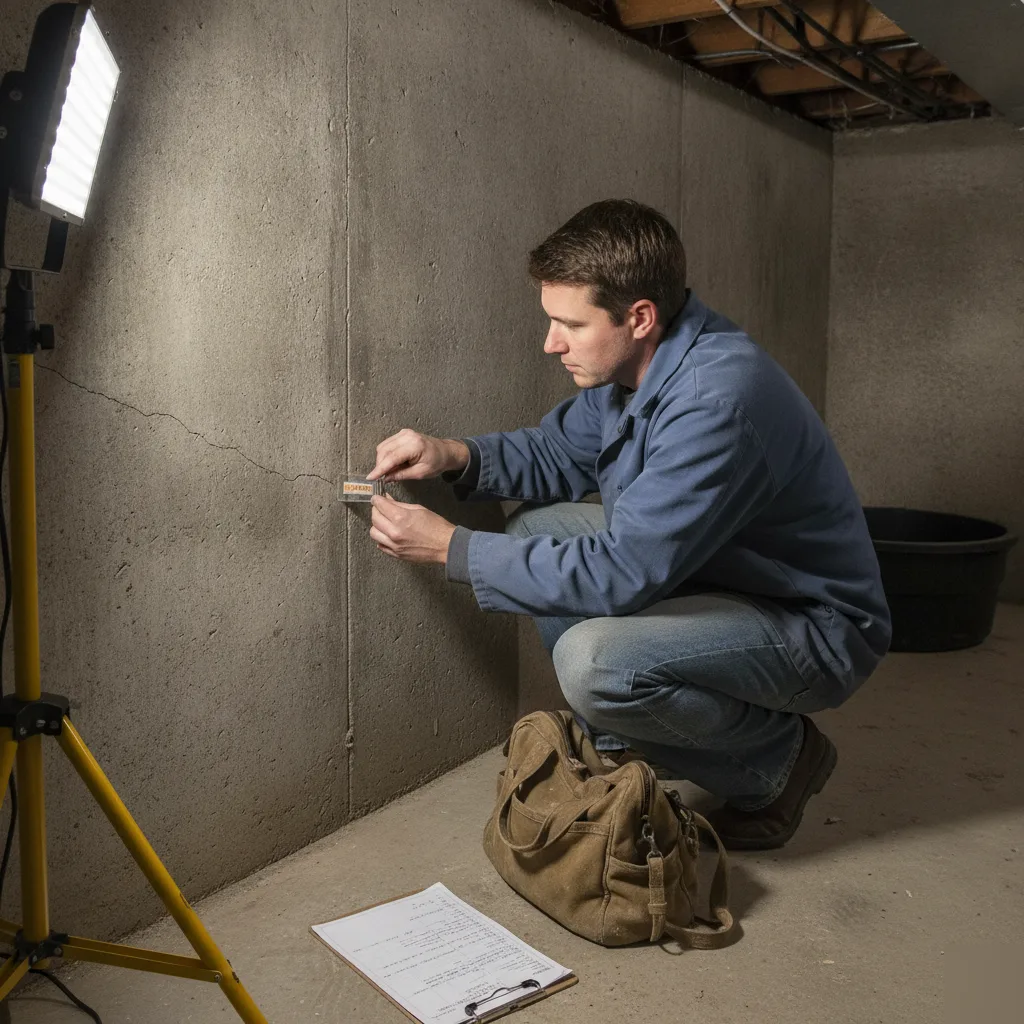
In Chesterfield, the team sees a lot of homes built on expansive clay soils. That soil type swells when wet and shrinks when dry. It puts real pressure on foundations in ways that sandy or rocky soils don't. This is particularly true for properties closer to the Missouri River floodplain in the Chesterfield Valley, where moisture levels can fluctuate dramatically. So a crack in a Chesterfield home might have a completely different cause than the same crack in a home 30 miles away.
Here's something most people don't realize until it's too late. A crack that hasn't changed in ten years is a very different situation than a crack that appeared last month. The inspection process accounts for this by looking at the edges of the crack. Fresh cracks have sharp, clean edges. Old ones tend to be filled with dust or paint layers, sometimes even old caulk from a previous owner.
And the inspection doesn't stop at the crack itself. The team looks at the whole picture. Gutters pulling away from the fascia, grading that slopes toward the foundation, trees planted too close to the house. These are contributing factors that show up in the report alongside the crack data, offering a full overview of your property's situation.
One scenario the team runs into regularly in neighborhoods like Wildwood and Clarkson Valley: a homeowner finds a crack during a basement finish project. The contractor says it's fine, the homeowner isn't sure. A foundation crack inspection gives you an engineer's assessment with actual measurements, not a contractor's guess between tasks.
That distinction matters. A foundation crack inspection produces a documented evaluation you can use for permit applications, real estate transactions, or repair planning. It's not an opinion. It's data.
If you've spotted a crack and you're trying to decide whether to worry, the inspection is the step that replaces guessing with answers. You can learn more about how the process works and what to expect on our foundation inspection page.
Frequently Asked Questions
Can a foundation inspection actually tell the difference between a settling crack and a structural crack?
Yes, a foundation inspection can tell the difference — and that's exactly what it's designed to do. An inspector measures crack width, direction, and displacement. They check whether one side of the crack sits higher than the other. They also look at where the crack sits on the wall. These details together paint a clear picture. Your eyes alone can miss what a trained inspector catches in one visit.
How do Chesterfield's clay soils affect whether a foundation crack is serious?
Chesterfield sits on expansive clay soils that swell when wet and shrink when dry. That constant movement puts pressure on your foundation walls year-round. Missouri's freeze-thaw cycles make it worse. A crack that looks stable in summer can widen after a wet spring. This is why a crack that seems minor here may need closer watching than the same crack in a drier region. Local soil conditions change the risk level.
What's a common mistake homeowners make when they spot a foundation crack?
The most common mistake is assuming every crack is either totally fine or a disaster — there's no middle ground in most people's minds. The truth is most cracks fall somewhere between those two extremes. Ignoring a crack completely is risky. But panicking over a hairline vertical crack wastes energy. The right move is getting a professional measurement so you know exactly what you're dealing with, not guessing.
How does an inspector decide if a crack is active or stable?
Inspectors use crack monitors and level readings to track movement over time. One visit gives your home a baseline measurement. A follow-up six months later shows whether the crack has grown. If the width and position haven't changed, the crack is likely stable. If it's wider or shifted, that's an active crack that needs attention. This process is explained in more detail on our foundation inspection page.
Do newer homes in Chesterfield get foundation cracks too, or is this mostly an older-home problem?
Newer homes get cracks too — often within the first one to two years after construction. Concrete shrinks as it cures, and that process creates hairline cracks in many new poured foundations. Chesterfield homes built in the 1970s and 80s show these regularly, but so do homes built in the last decade. Age alone doesn't predict whether a crack is serious. The crack's shape, direction, and growth matter far more than how old the house is.
Should I call a professional right away, or can I watch a crack myself for a while?
Call a professional if the crack is horizontal, wider than a quarter inch, or shows displacement — meaning one side sits higher than the other. Those signs need professional eyes now, not later. For thin vertical cracks with no displacement, you can mark the ends with a pencil and check it monthly. But if it grows, changes shape, or you're unsure, a professional inspection gives you real answers instead of guesswork.