Do I need a foundation inspection before buying a home in Chesterfield?
Why Foundation Inspections Matter Before You Close
Most homeowners in Chesterfield don't give the foundation a thought, not until something shows itself. Maybe a crack in the basement wall. Or a door that won't latch, you know, the one you keep trying to adjust. Sometimes the floors slope toward a corner, visibly. By then, you're already deep into the process, mentally furnishing the rooms. That's a rough spot to start asking tough questions about structural issues, your emotions are already tied up. A pre-purchase foundation inspection gives you clear answers before any money gets serious.
Here's what we often see. People think a general home inspection covers everything. That report is a broad check-up, sure. It hits plumbing, electrical, HVAC, the roof. Foundation stuff? It gets a quick mention, usually surface-level. But a pre-purchase structural inspection, that's different. It dives much deeper. A licensed professional engineer performs it, someone who understands the soil conditions, the construction styles, and the specific foundation types we see around Chesterfield.
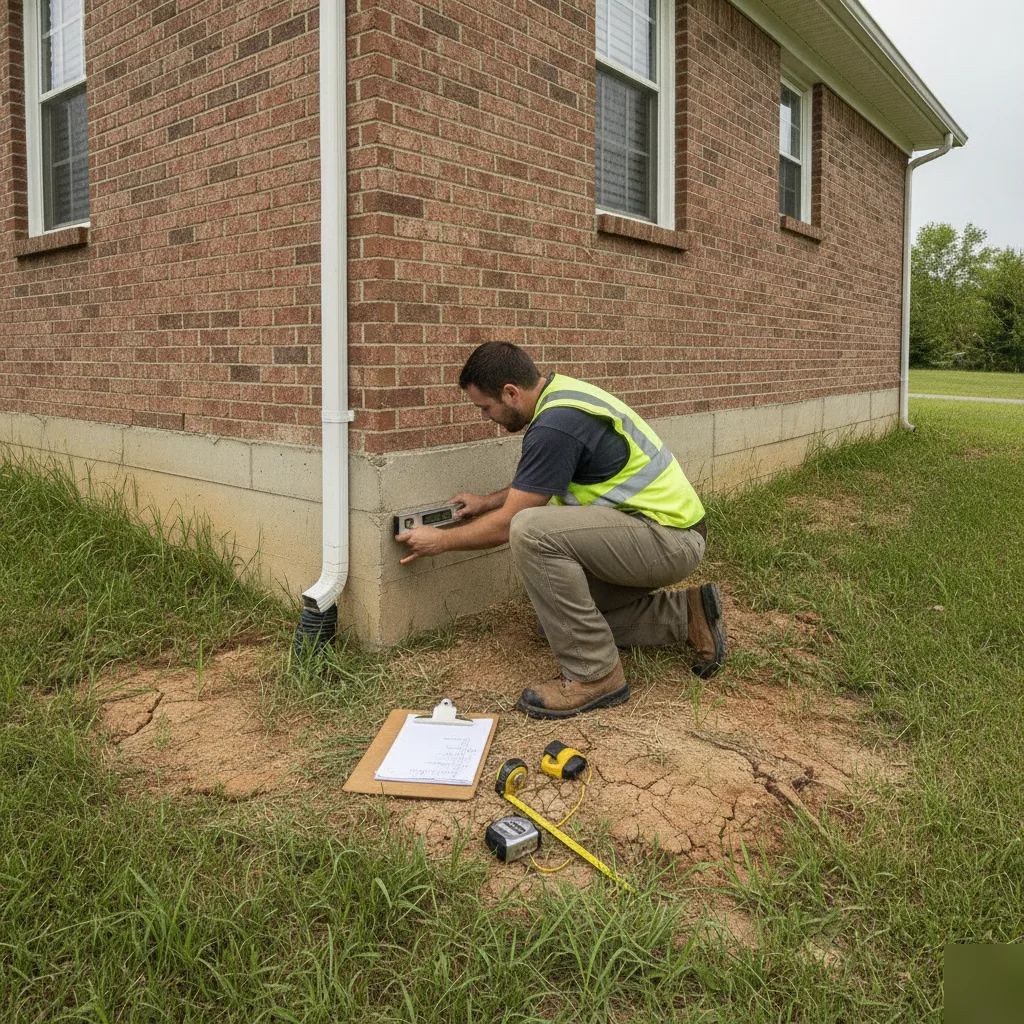
What a Foundation Inspection Actually Catches
The team sees this pattern constantly. A buyer gets a general report. It says "minor cracking observed in basement wall, recommend monitoring." Sounds fine, right? But the professional engineer looking at that same wall? They might see active lateral pressure from the expansive clay soil, that's a common issue we find on properties near the Missouri River floodplain. A real fix for that can hit five figures. The gap between those two assessments is what determines if you buy or if you just walk away. A foundation inspection typically evaluates:
- Visible and hidden crack patterns in walls, floors, the slab.
- Any signs of water getting in, or hydrostatic pressure.
- Settlement or heaving from soil movement.
- How well the foundation handles its structural loads.
Chesterfield sits on clay-heavy soils. They shift a lot with seasonal moisture. This isn't unique to the St. Louis metro, by the way. But it does make foundations here work harder than in places with stable sandy soil. (That's not just an opinion, the American Society of Civil Engineers points to foundation problems as a big chunk of damage claims on homes built on expansive soils.)
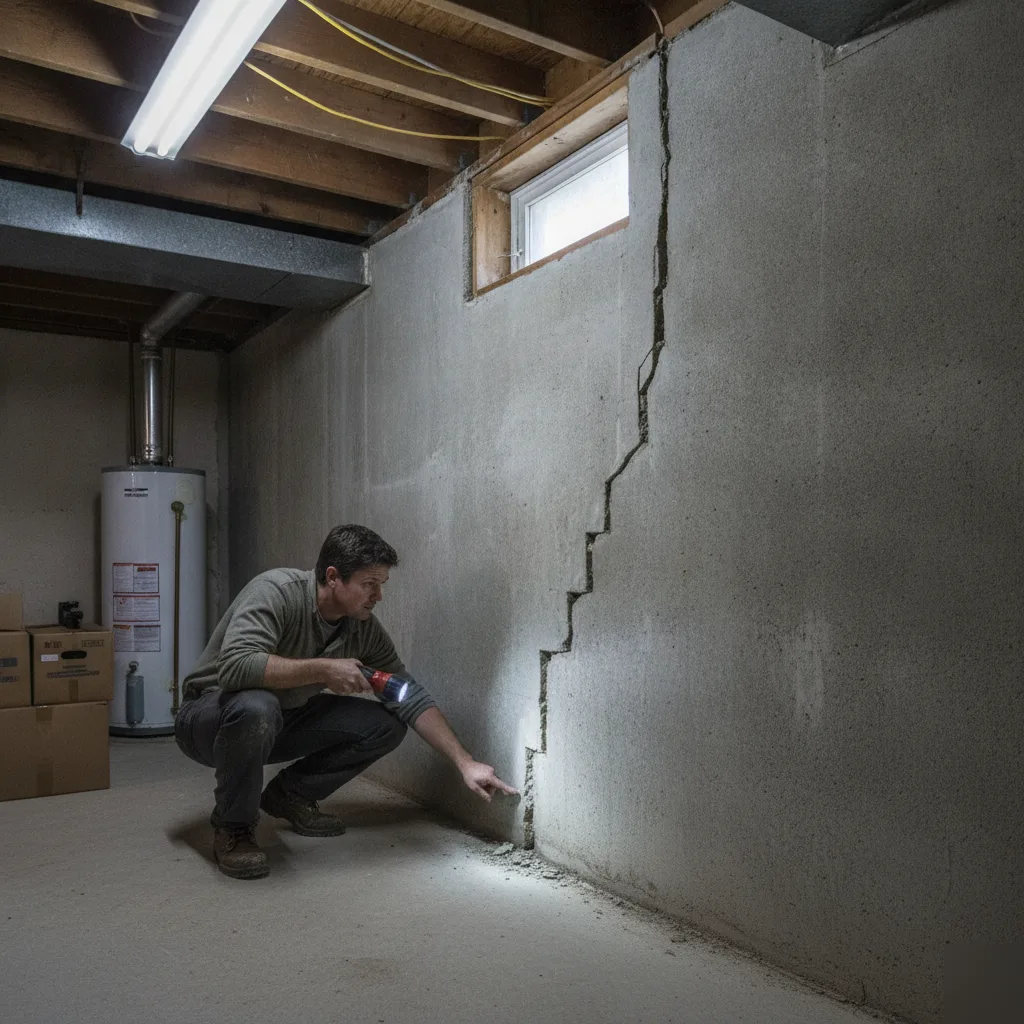
The Cost of Skipping This Step
Think about this for a second. This is likely the biggest purchase you'll make. Would you really skip a check that could flag a $30,000 problem lurking below? Most people wouldn't, not once they know the real risks. But many do skip this. They just rely on that general inspection, close on the house, then call the team six months later when the basement wall starts bowing inward. At that point, there's no talking to the seller, no walking away. Just the repair bill and all the stress that comes along with it.
A pre-purchase structural inspection done before closing gives you serious leverage. You can negotiate the fixes. You can ask for money off the price. Or you can simply decide if the house is a smart buy. That kind of clarity is golden in a real estate deal.
We've definitely noticed this: homes near the Chesterfield Valley, or older spots closer to Wild Horse Creek Road, show more foundation movement. This is more common than in newer builds on engineered fill. The team has looked at hundreds of homes in these areas, the soil always tells a story before the cracks even show. If you're house hunting in Chesterfield, getting a foundation inspection isn't being overly careful. It's just being smart.
What Makes Chesterfield Homes Uniquely Vulnerable to Foundation Movement
Most homebuyers don't think much about what's sitting under the dirt. But here in Chesterfield, that dirt is often the issue. The Missouri River floodplain traces the city's eastern edge. And large chunks of the Chesterfield Valley sit on fill soil, some of it placed after the Great Flood of 1993. This fill acts very differently from natural ground. It settles unevenly as years pass, it holds moisture in odd ways, and it loads foundations with stress that homes on higher ground just don't get. The team sees this exact pattern all the time during pre-purchase structural inspections in that valley area.
Expansive Clay Soils
Chesterfield sits in an area known for expansive clay soils. The U.S. Geological Survey says a lot of the St. Louis metro has montmorillonite clay. It swells when wet. It shrinks when dry. This seasonal push happens against foundation walls through winter and spring. Then it pulls away in the summer. Your foundation doesn't just sit still. It moves right along with that soil.
A home near Chesterfield Parkway, for example, might look perfectly fine in August. No visible cracks then. But come March, after months of freeze-thaw cycles and heavy rain, you could see diagonal cracks pop up around basement window corners. That's not just random damage. And that's clay soil behaving exactly as it always does.
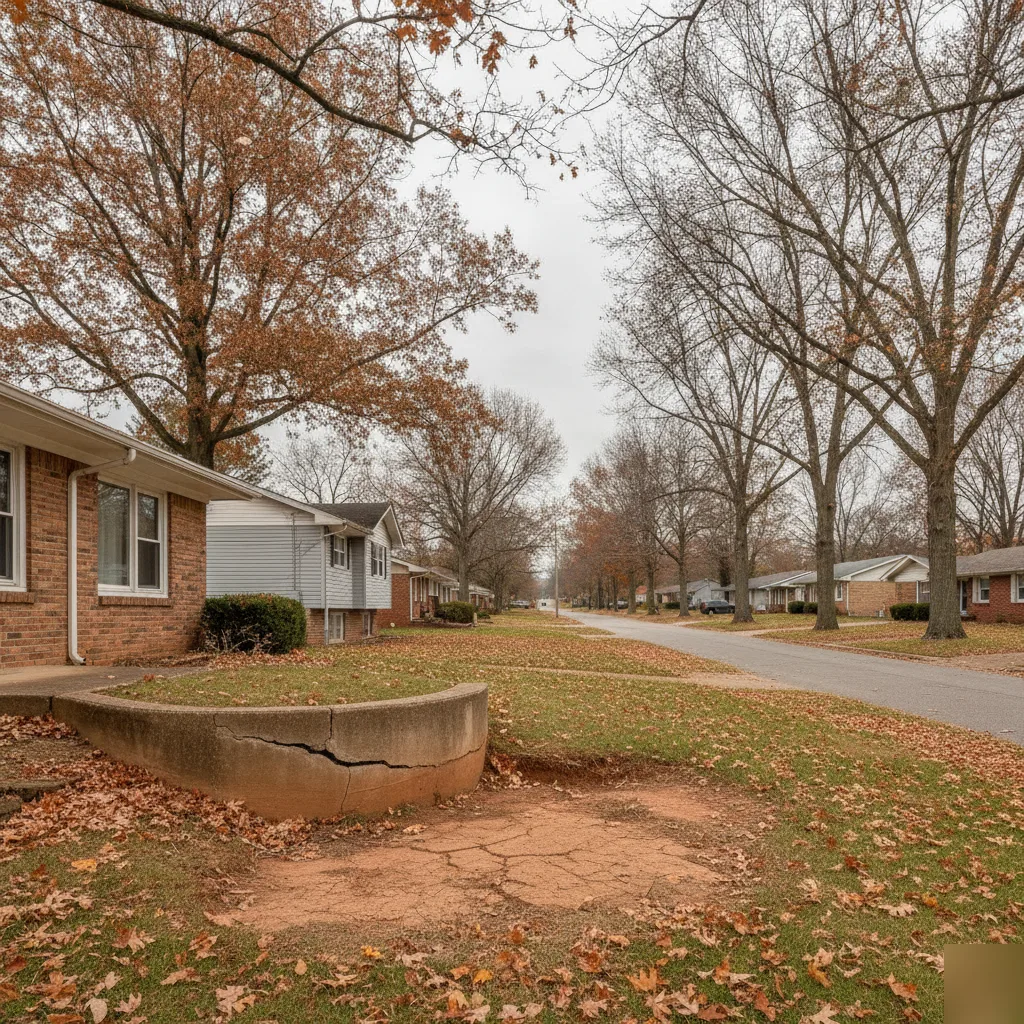
Age and Construction Methods
Chesterfield has a real mix of housing stock. You'll find 1970s ranches, say near Wild Horse Creek Road, right next to subdivisions from the early 2000s. The older homes often used poured concrete foundations, usually without a waterproofing membrane. Newer homes might have engineered foundations. But they could be on lots graded quickly during a busy construction period. Both carry risks. They are just different types.
Older foundations have lived through decades of soil pressure and moisture. The team often finds horizontal cracking in block foundations. Homes from the 1970s and 1980s frequently show this. It's a clear sign of sustained lateral earth pressure. Newer homes, sometimes they show settlement cracks within the first five to ten years. Often this happens because the initial site prep didn't quite account for the soil conditions that were already there. For homes built on pier and beam systems — which appear in some older Chesterfield properties — understanding pier and beam foundation design for wind and flood loads helps explain why these structures respond differently to soil movement than poured concrete slabs.
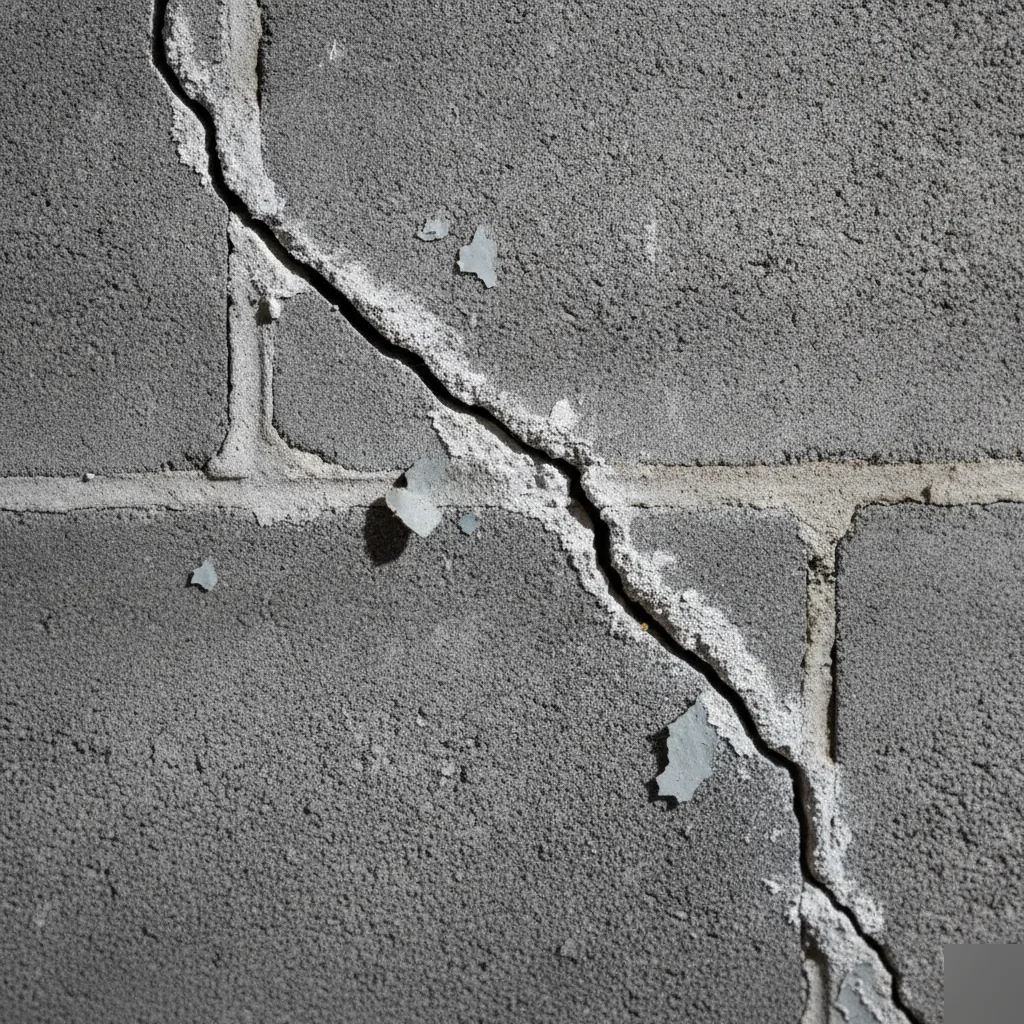
Drainage and Grading Issues
Most homeowners don't realize this until things get wet. Many Chesterfield neighborhoods sit on rolling terrain. That looks great, sure, it really adds to the curb appeal. But it also creates real drainage challenges for your home's foundation. Water moves downhill, obviously. It will pool right against basement walls if the grading isn't kept up.
- Homes at the bottom of a slope collect all that runoff from neighbors.
- Mature tree roots close to foundations pull moisture out of the soil unevenly. That causes differential settlement.
- Older clay tile drain systems clog, or they just collapse. This lets hydrostatic pressure build right against walls.
- Downspouts too close to the foundation? They just saturate the soil exactly where it needs to stay dry.
A foundation inspection catches these kinds of conditions. It happens before you're stuck with a purchase. The team looks at the structure. We also check the site conditions that cause the damage. Without that context, you're just guessing. And guessing with a foundation is always expensive.
This mix of expansive clay, the valley's flood-history fill, different construction eras, and natural drainage patterns makes Chesterfield unique. Foundation movement here isn't rare. It's expected. The real question isn't if your future home's foundation has been affected by these forces. It's whether the effects are just cosmetic, or actually structural. A pre-purchase structural inspection gives you that answer, with data. Not just someone's opinion. If you're buying a home in Chesterfield, that specific answer matters more than nearly anything else in the whole transaction.
Foundation Inspection vs. Home Inspection: Understanding the Difference
Most buyers in Chesterfield just assume a general home inspection really covers the foundation. It doesn't, not fully. A general home inspector walks the property. They flag visible issues. They'll note a crack in the basement wall. Or a door that just won't close right. But they aren't professional engineers. They don't calculate load paths, and they won't measure differential settlement.
A foundation inspection is a focused structural evaluation. The team doing this work asks one main question: is the foundation actually performing as it should be? That means looking for active movement. It means measuring crack widths. It means evaluating the soil conditions around your home. We figure out if what you're seeing is just cosmetic or truly structural. A home inspector might write "crack observed in basement wall" on their report. A professional engineer doing a foundation inspection will tell you if that crack came from normal concrete curing—or if the clay soils we often find in Chesterfield are pushing against your foundation wall.
What a Home Inspector Actually Covers
A home inspection is broad. That's the point. The inspector checks the roof, HVAC, plumbing, electrical. Yes, they look at the foundation too. They are generalists. The American Society of Home Inspectors says a typical inspection hits over 400 items. That's a huge amount to cover in a few hours. Here's what that means for your foundation:
- The inspector notes visible cracks. But they don't diagnose them.
- They won't move your stored items. Or furniture, to find hidden damage.
- They can't tell you if a crack is still moving. Or if it's stable.
- They don't use special tools. No measuring floor slope or wall deflection.
That report gives you a snapshot. It is useful. But it's really surface-level for structural concerns.
What a Foundation Inspection Digs Into
A pre-purchase structural inspection digs much deeper. The team evaluates all foundation walls, the floor systems, even the support columns. We look at how the entire structure ties into the ground. In Chesterfield, specifically, homes built in the Clarkson Valley area—or near the Wildwood border—often sit on that expansive clay. That soil swells when it's wet, shrinks when it's dry. Over fifteen or twenty years, that creates very real movement. The team doing a foundation inspection will typically:
- Walk the exterior, looking for settlement or heaving.
- Inspect interior foundation walls for crack patterns.
- Check floor levelness throughout the house.
- Evaluate any prior repair work for adequacy.
- Document all findings using actual measurements, not just photos.
Frequently Asked Questions
Is a general home inspection enough, or do I really need a separate foundation inspection in Chesterfield?
A general home inspection is not enough on its own. General inspectors check many systems quickly — roof, plumbing, electrical. Foundation issues get a brief look, not a deep one. A licensed structural engineer goes much further. They read crack patterns, check for soil movement, and spot active problems a general inspector might miss. In Chesterfield, where clay soils shift seasonally, that deeper look can catch serious issues before you sign anything.
What does expansive clay soil in Chesterfield actually do to a foundation?
Clay soil swells when it gets wet and shrinks when it dries out. This push-and-pull happens against your foundation walls every season. In Chesterfield, montmorillonite clay is common throughout the St. Louis metro area. A home might look fine in August but show diagonal cracks by March after freeze-thaw cycles. That movement is not random damage — it is the soil doing exactly what it always does. Knowing this before you buy protects you.
Are homes in the Chesterfield Valley at higher risk for foundation problems?
Yes, homes in the Chesterfield Valley carry added risk. Much of that area sits on fill soil placed after the Great Flood of 1993. Fill soil settles unevenly over time. It holds moisture differently than natural ground. This puts extra stress on foundations that homes on higher ground simply do not face. If you are looking at a property in the valley, a pre-purchase structural inspection is especially smart before you commit.
What is the difference between a crack I should worry about and one that is just normal settling?
Not every crack means trouble, but some cracks are serious warning signs. Hairline vertical cracks in poured concrete often come from normal curing. Horizontal cracks in block foundations usually signal sustained lateral soil pressure — that is a bigger concern. Diagonal cracks near window corners often point to differential settlement. A licensed structural engineer can tell the difference. Trying to read those cracks yourself is a common mistake that costs buyers later.
Can I use the foundation inspection results to negotiate with the seller?
Yes, and this is one of the biggest benefits of getting the inspection done before closing. If a structural engineer finds active problems, you have real documentation. You can ask the seller to fix the issue, lower the price, or offer a credit at closing. Without that report, you have no leverage. Once you own the home, the repair cost is entirely yours. Our foundation inspection services page covers how this process works in more detail.
Do older homes near Wild Horse Creek Road need a foundation inspection more than newer builds?
Older homes in that area often need closer attention, yes. Many 1970s and 1980s homes used poured concrete or block foundations without modern waterproofing. Decades of clay soil pressure and moisture leave marks. Horizontal cracking in block foundations is common in homes from that era. But newer builds are not automatically safe either. Some were built on lots where site prep did not fully account for local soil conditions. Age matters, but location and soil matter just as much.