Does Chesterfield's clay soil really affect my foundation that much?
Clay Soil Expands and Shrinks, And That Movement Is the Problem
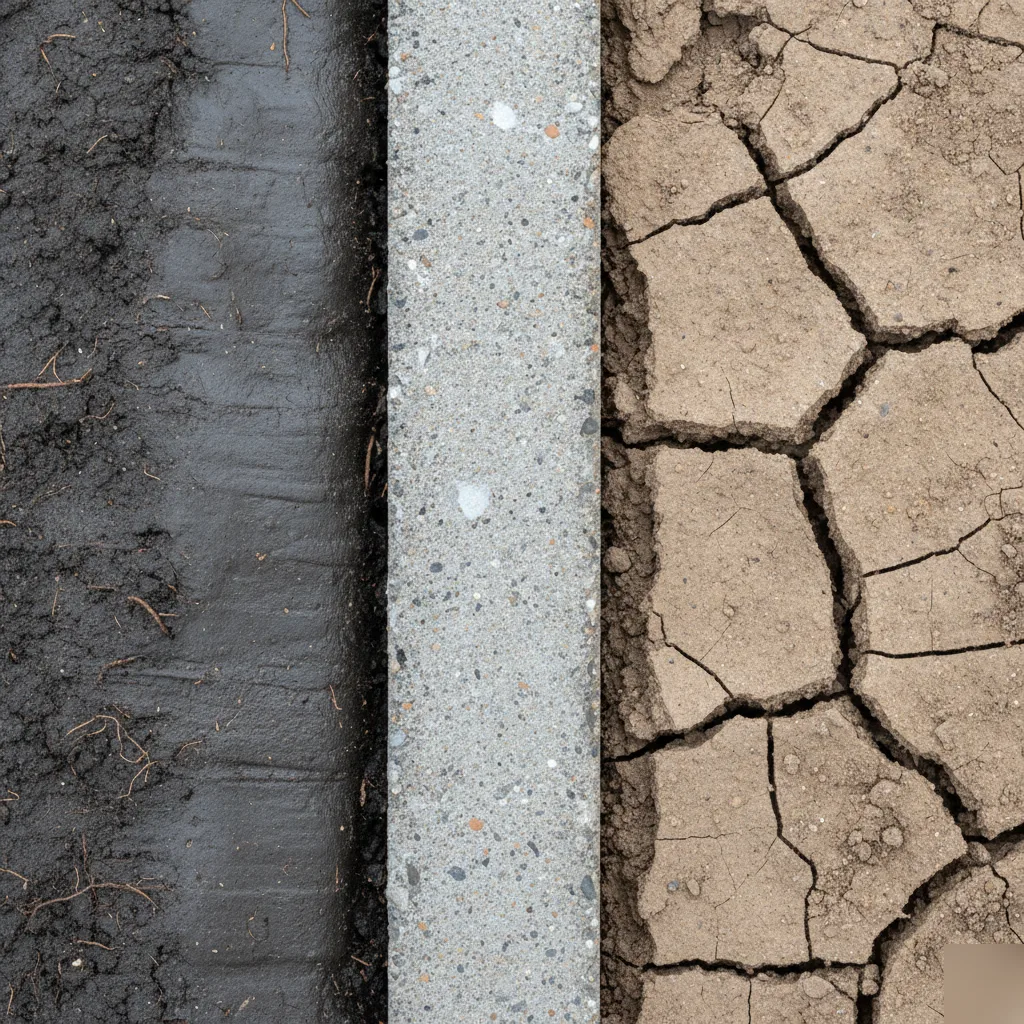
People often think soil is just solid ground. Something stable. But clay soil doesn't behave like that. It's always moving. When it gets wet, it swells up. Then it dries out, and it contracts. Your foundation is stuck right in the middle of this constant shift, a back-and-forth you can't see but definitely feel.
The technical name for this is "expansive soil." It's a real issue. The American Society of Civil Engineers reports these soils cause more financial damage to structures yearly in the United States than floods, hurricanes, and earthquakes put together. We see this play out here in Chesterfield, one cracked basement wall at a time. This isn't a dramatic claim, it's a cold, hard fact. When the movement shows up as cracking, a professional evaluation is what separates a cosmetic concern from a structural one.
What Actually Happens Underground
Clay particles are tiny things. They're flat, stacking together like plates. Water gets in between those plates, and the clay pushes outward. Our team sees this often. Here in Chesterfield, the soil profile is heavy with Menfro and Urban Land complex soils. These are high-plasticity clays. They can expand anywhere from 4 to 10 percent in volume when they get truly saturated.
That sounds small, right? It isn't.
A six percent volume change across just 20 feet of soil under a foundation creates thousands of pounds of upward pressure. Your concrete won't bend for that. It cracks. Or it tilts. Sometimes one corner lifts while the opposite corner stays put, and suddenly your doors don't close right, a common problem in older Chesterfield homes, by the way.
Then summer hits. The moisture disappears. The clay shrinks back, sometimes pulling completely away from the foundation. Voids form underneath the footing. The slab then loses support in that section. Gravity takes over. Our professional engineers find this exact sequence regularly during foundation crack inspections in Chesterfield homes built in the 1980s and 1990s, when suburban development really took off.
The Seasonal Cycle Makes It Worse
Here's what catches most homeowners off guard. It's not one big event that damages your foundation. It's the sheer repetition. Wet spring, dry August, wet October, frozen January. Every single cycle moves the soil a little. Each movement shifts the foundation a little more. Over five or ten years, those small shifts become visible damage.
- Stair-step cracks running up basement block walls.
- Horizontal cracks at mid-height on poured walls.
- Gaps between the foundation and the framing overhead.
- Floors that aren't level, sloping to one side of the house.
And the frustrating part? You can't stop the clay from moving. Our team knows this. You can only design around it or respond to it early.
A homeowner in Chesterfield Valley called us last year. They'd seen a crack that had been "about the same" for three years. It suddenly widened dramatically over one summer. The ground had gone through an unusually dry stretch. The clay contracted fast. The footing lost support on one end, and the wall cracked further in a matter of weeks. That's how quickly things escalate once the cycle pushes past what the original foundation design could handle.
But not every crack means catastrophe. Some movement is normal. We expect it. The distinction between "just keep an eye on it" and "this needs structural repair design" really comes down to where the crack is, how wide it is, and whether it's still moving. A foundation crack inspection determines that exactly.
So yes, Chesterfield's clay soil absolutely affects your foundation that much. The ground under your home isn't static. It's seasonal. It's reactive. It's relentless. Understanding that is the first step toward protecting what sits on top of it, from your basement to your roof.
Chesterfield's Wet-Dry Seasons Make Clay Soil More Damaging Over Time
If clay soil just swelled and stayed that way, your foundation could probably handle it. But that's not how Chesterfield works. The real damage comes from the cycle. Wet spring, dry summer, wet fall, frozen winter. Each round puts your foundation through another stress test. The soil never stays in one state long enough for things to settle.
Think of it like bending a paper clip back and forth. One bend won't break it. Twenty bends will.
What Happens During the Wet Season
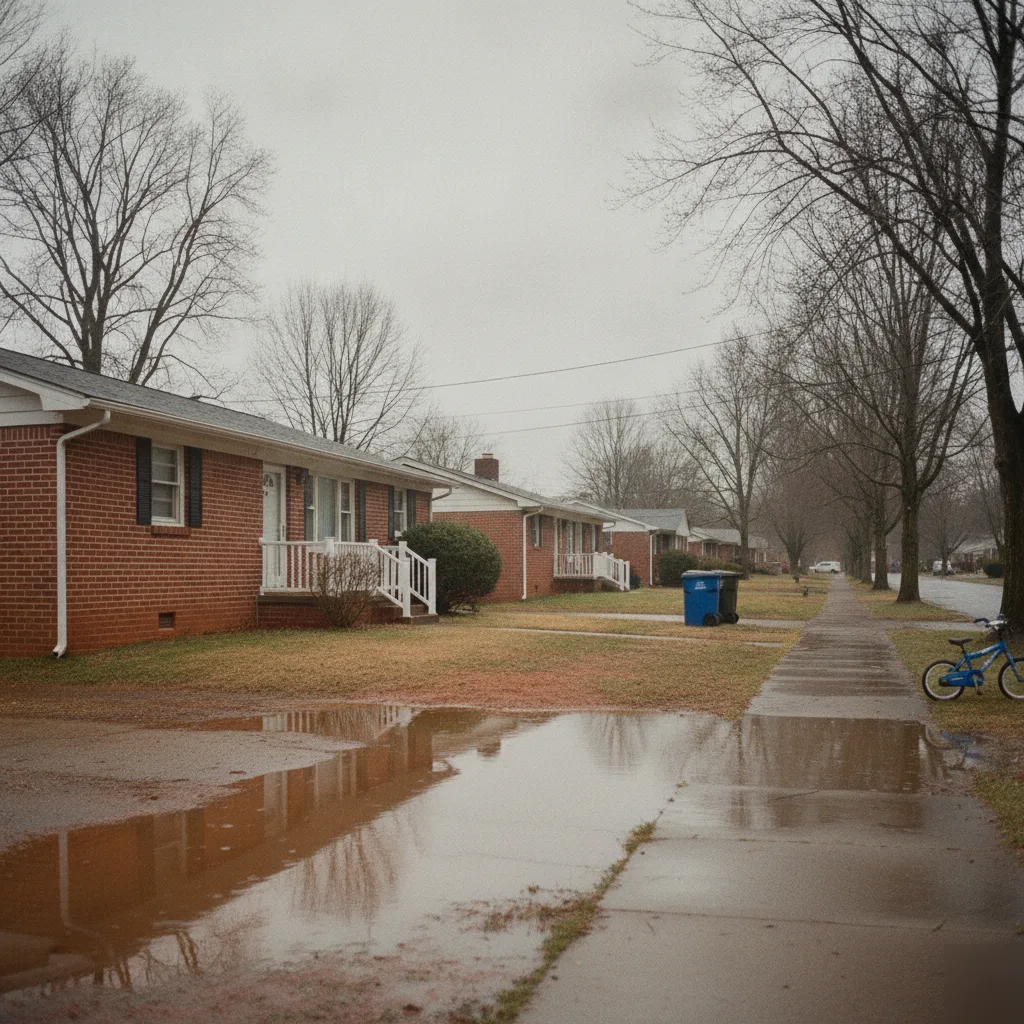
Chesterfield gets around 42 inches of rain per year. U.S. climate data tells us that. A big chunk of that falls between April and June. When that water hits the clay around your foundation, the soil swells. It shoves inward on basement walls. It pushes upward on footings. The pressure isn't gentle. Saturated clay can exert lateral forces of 300 to 500 pounds per square foot against a basement wall.
This shows up every spring. It's predictable. Homeowners notice a door that suddenly won't close right. Or a new crack along a basement wall that wasn't there in February. That's hydrostatic pressure doing its thing, plain and simple.
What Happens When It Dries Out
July and August in Chesterfield can be brutal. Weeks of heat with little rain. The same clay that swelled in spring now shrinks. It pulls away from your foundation. Gaps open up between the soil and the concrete. Your foundation loses the support it had, and sections can then settle unevenly.
Here's what most people don't realize until it's too late. The settling doesn't reverse when the rain comes back. The soil swells again, sure. But it doesn't push your foundation back to where it was. It pushes against a wall or footing that's already shifted. And every cycle makes the problem a little worse.
That's cumulative damage.
The Freeze-Thaw Factor
Winter adds another layer. Chesterfield's frost line typically sits around 24 to 30 inches deep. Moisture trapped in clay freezes. It expands. Then it thaws. It contracts. This creates tiny voids in the soil near your foundation. Those voids fill with water during the next rain. The whole process repeats itself.
- Spring: Clay swells, pushes on foundation walls and footings.
- Summer: Clay dries, shrinks. Foundation loses lateral support.
- Fall: Rain returns. Soil expands unevenly around concrete that's already moved.
- Winter: Freeze-thaw cycles create new voids. Weak spots form in the soil.
A home built in the Chesterfield Valley or along the Wildwood border sits on some of the most active clay in the region. Our professional engineers often find seasonal movement in the mortar joints there. Stair-step cracks that grew a little wider each year are common.
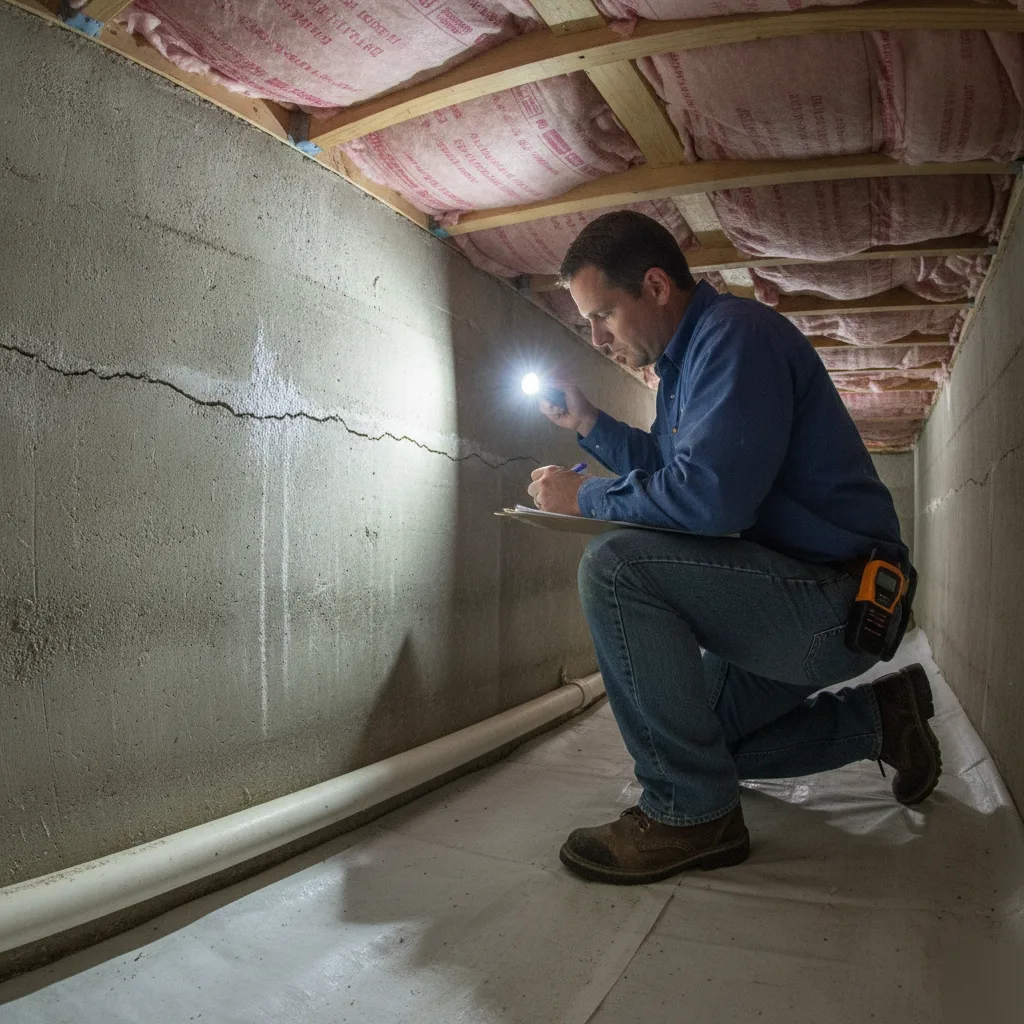
A foundation crack inspection can tell you whether the cracks in your home are stable. Or if they're getting worse with each season. That distinction matters for your long-term plan. A hairline crack from normal concrete curing is one thing. A crack that's widened over three wet-dry cycles? It's telling you something entirely different.
And the longer these cycles run without anyone looking at the structure, the more expensive the fix becomes. A small settlement caught early might need a straightforward structural repair design. That same problem after five more years of seasonal movement, with multiple freeze-thaw cycles? That could mean major foundation work, costing much more. Engineers who specialize in underpinning and strengthening foundations outline exactly why early intervention matters before cumulative soil movement forces more extensive structural solutions.
Most homeowners in Chesterfield don't notice the damage during any single season. They notice it when they're selling the house. Or when a contractor pulls back drywall during a remodel and finds cracks that have been growing behind the walls for years. By then, the soil has put the foundation through dozens of these wet-dry cycles. It's a silent process that takes time to reveal itself.
Warning Signs That Clay Soil Has Already Affected Your Foundation
Chesterfield homeowners often miss foundation problems early. The changes happen slowly. A door starts sticking in summer. A crack appears above a window frame. You adjust. You ignore it. You figure the house is just "settling," as many people say. But clay soil doesn't settle like that. It swells. It shrinks on a cycle. And the damage it causes builds up for years.
During foundation crack inspections across Chesterfield, our professional engineers see a pattern. A client often calls about one specific crack. A closer look, however, reveals three or four other signs they'd been living with for a long time, often without realizing their significance.
Here's what to actually watch for:
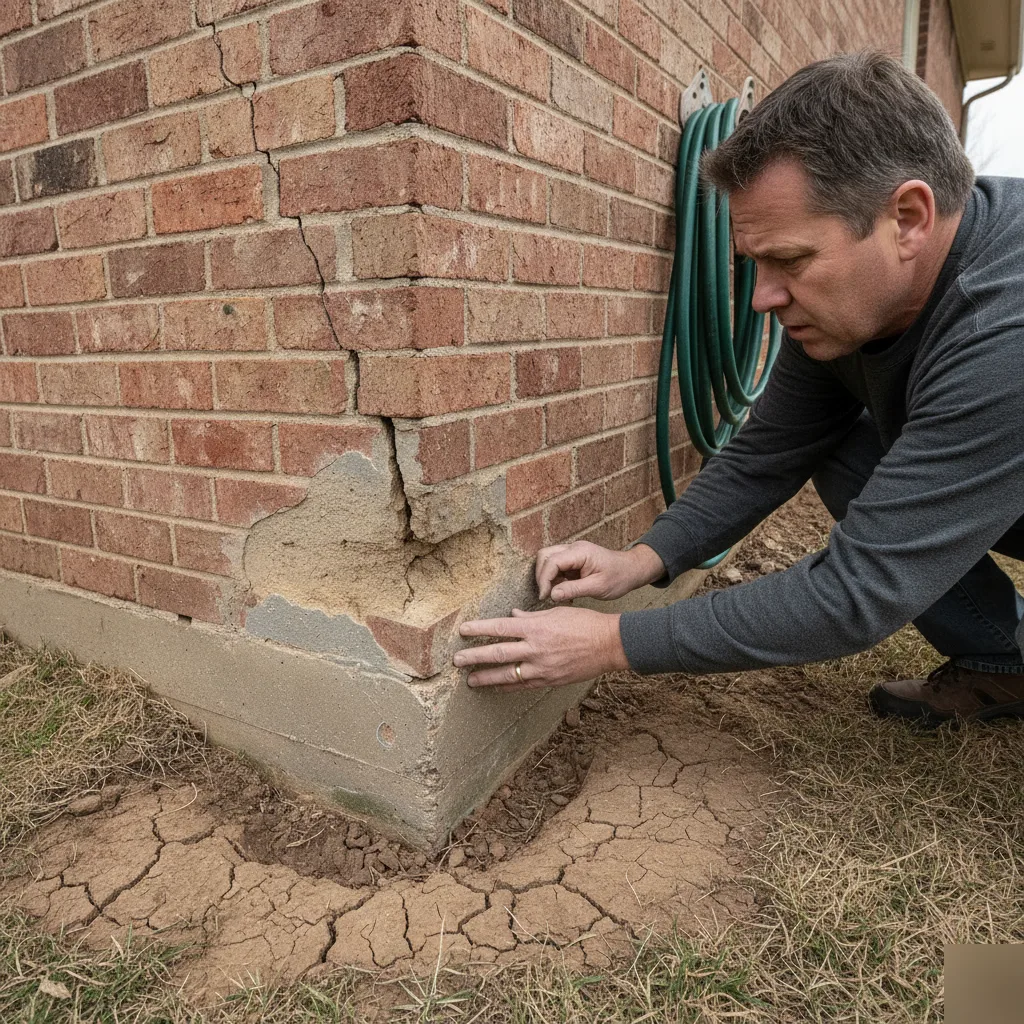
- Stair-step cracks in brick or block walls. These follow the mortar joints in a diagonal pattern. They are a clear sign that your foundation has shifted unevenly.
- Doors or windows that stick, jam, or won't latch. If a door worked fine two years ago and now drags across the frame every July (when the ground is dry), the soil under your foundation is likely expanding. Our team often hears this story.
- Horizontal cracks in basement walls. This is a big one. Horizontal cracking means the wall is bowing inward from continuous lateral soil pressure. That's not just cosmetic, it's a structural concern.
- Gaps between walls and ceilings or floors. Even a quarter-inch gap is telling. It can mean the structure has moved enough to separate framing connections, indicating real movement.
- Uneven or sloping floors. Go get a marble. Put it on the floor. If it rolls consistently in one direction, your foundation isn't level anymore.
Not every crack spells disaster, of course. Hairline cracks in poured concrete are common. They're often harmless. But the location and direction of the crack matter more than its size. A thin horizontal crack in a basement wall is more serious than a wide vertical crack near a corner. Most people get that backwards.
When Multiple Signs Show Up Together
One sticky door by itself might be nothing. But a sticky door, plus a diagonal crack in the brick, plus a gap along the baseboard? That's a pattern. And patterns reveal the real story.
A home near Chesterfield Valley is a good example of this cumulative effect. The homeowner called about a single crack in the garage slab. During the foundation crack inspection, our team also found clear signs of settling near the back corner of the house. There was visible separation where a sunroom addition met the original structure. The clay soil had been pushing and pulling for years, slowly. Each symptom alone seemed minor. Together, they pointed to real, ongoing movement.
And here's what most people don't realize until it's too late. Foundation problems don't fix themselves. Clay soil will keep cycling through wet and dry seasons. The movement continues. The cracks widen. What costs a few thousand dollars to address now, with a straightforward structural engineering solution, can turn into a much bigger structural project later.
So if you're seeing any of these signs in your Chesterfield home, don't wait. Don't let the crack get worse before you take it seriously. A foundation crack inspection gives you actual, verifiable data on what's truly happening under your house. That's the starting point for every good decision after it, ensuring your home's long-term stability.
Frequently Asked Questions
Does clay soil really cause that much damage to foundations in Chesterfield?
Yes, clay soil is one of the biggest threats to foundations in Chesterfield. The American Society of Civil Engineers reports that expansive soils cause more financial damage to structures each year in the U.S. than floods, hurricanes, and earthquakes combined. Chesterfield's Menfro and Urban Land complex soils are high-plasticity clays. They can expand 4 to 10 percent in volume when saturated. That kind of movement puts thousands of pounds of pressure on your foundation — and it happens every single season.
How do I know if my foundation cracks are from clay soil movement or something else?
Location, width, and whether the crack is still growing are the three things that matter most. Stair-step cracks on block walls and horizontal cracks at mid-height on poured walls are common signs of clay soil pressure in Chesterfield homes. A crack that stays the same for years but then widens quickly during a dry summer is a strong signal of soil shrinkage and footing settlement. The only way to know for sure is a professional foundation crack inspection — that's where you get a real answer, not a guess.
Is it true that Chesterfield's wet and dry seasons make foundation damage worse over time?
Absolutely. Chesterfield gets around 42 inches of rain per year, with heavy rainfall between April and June. That wet-dry cycle is what does the real damage. Clay swells in spring and pushes against your foundation. It shrinks in summer and pulls away, leaving voids under footings. Then winter freezes the moisture left in the soil, expanding it again. Each cycle shifts your foundation a little more. Over five to ten years, those small shifts add up to serious structural problems.
What's a common mistake Chesterfield homeowners make when they notice a foundation crack?
The most common mistake is waiting to see if the crack gets worse. Many homeowners assume a crack that looks stable is fine to ignore. But clay soil damage is cumulative. A crack that stays the same for three years can widen dramatically in a single dry summer — exactly like what happened to a homeowner in Chesterfield Valley. By the time the change is obvious, the damage is already more advanced. Catching it early gives you more options and typically less structural work to address.
When should I call a professional instead of just monitoring a crack myself?
Call a professional if a crack is wider than a quarter inch, if it's horizontal, or if it's actively growing. You should also get an inspection if you notice doors or windows that suddenly stick, floors that slope noticeably, or gaps forming between your foundation and the framing above. These are signs the movement has gone beyond normal settling. Our foundation crack inspection page covers what professionals look for and why early action protects your home long-term.
Do older Chesterfield homes have more clay soil foundation problems than newer ones?
Older homes tend to show more visible damage simply because they've been through more seasonal cycles. Homes built in Chesterfield during the 1980s and 1990s — when suburban development expanded quickly — are especially common candidates for foundation issues. They've had 30 to 40 years of wet-dry-freeze cycles working against them. That said, newer homes aren't immune. Poor drainage, improper grading, or a dry spell shortly after construction can all trigger early foundation movement in any home sitting on Chesterfield's clay-heavy soils.