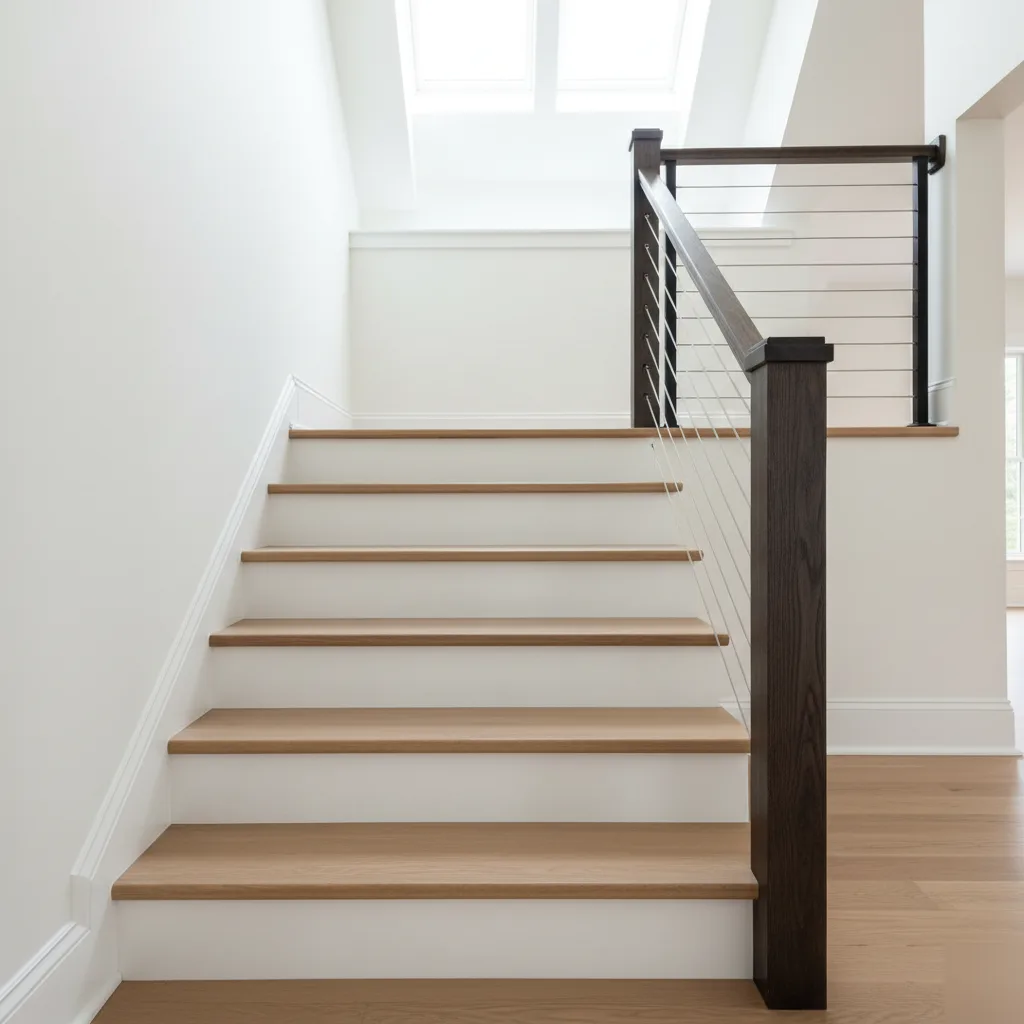
What Staircase Structural Design Actually Covers
Many homeowners associate staircase design with aesthetics, such as railing styles or flooring. We focus on engineering. This work ensures your staircase safely carries its intended loads. It also confirms compliance with building codes and integrates properly with your home's structure.
We handle this work across Clayton every week. The scope often surprises homeowners.
Here is what a typical staircase structural design project includes:
- Structural calculations for stringer sizing, tread depth, and riser height based on span and load requirements
- Connection details detailing how the staircase connects to floor framing, headers, or load-bearing walls
- Code-compliant drawings for headroom, handrail height, and landing dimensions
- Design of support beams or posts for intermediate bearing points
- Coordination with foundation or floor system changes when a stair opening means cutting existing joists
That last point comes up constantly in Clayton's older homes. Opening a staircase in a 1940s brick colonial near Wydown often means cutting original floor joists. These joists were not sized for a large opening. Without proper engineering, that floor sags. We have seen it happen, and we fix it before it starts.
Staircase structural design also matters when you are adding a second story or finishing a basement. The new stair requires a proper landing. This means a correctly sized header, posts that carry loads down to the foundation, and framing that does not compromise existing structural elements. St. Louis County requires stamped drawings before reviewing a permit application.
Scott's direct experience in St. Louis County plan review means your permit drawings are built around exactly what the examiner needs to see. This saves revision cycles and weeks of waiting. When we say staircase structural design, we mean the full engineering package, not just a sketch and that is what separates an engineering firm Clayton contractors trust from a drafting service producing drawings that come back rejected. We provide a buildable, permit-ready set of structural documents. Your general can follow them, and your inspector will approve them.
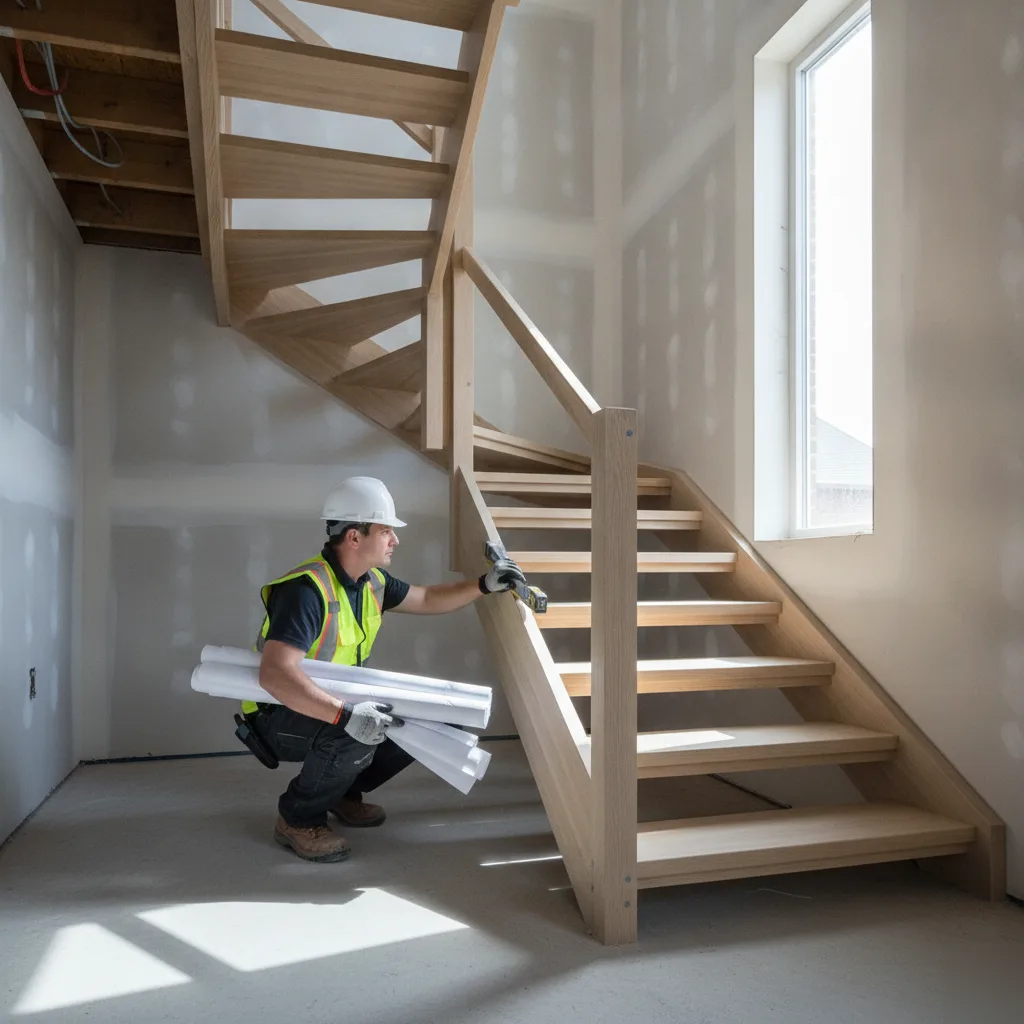
When Your Project Requires a Licensed Structural Engineer
Not every staircase change needs an engineer. Most of the ones we see in Clayton do.
Here is the simple test. You need a licensed structural engineer if your staircase connects to a load-bearing wall, passes through a floor system, or changes location from its original plans. This is non-negotiable. A general can build it. An interior designer can make it look appealing. Neither can stamp the structural calculations that St. Louis County requires before issuing your permit.
Homeowners in the Wydown area and near Shaw Park often call us mid-renovation. They discover their general cannot pull a permit without engineer-stamped drawings. This causes project stalls. Framing crews wait, timelines stretch, and costs increase. Getting a structural engineer involved early prevents all of that.
Common Scenarios That Trigger Engineering Requirements
- Relocating a staircase to open up the main floor for a kitchen remodel
- Removing a wall next to the staircase that carries roof or floor loads above
- Adding a staircase to access a new second-story home addition
- Replacing a straight-run stair with an L-shaped or curved design that changes the framing layout
- Converting a basement staircase opening that cuts into existing floor joists
In older Clayton homes built in the 1930s and 1940s, the original framing around staircases often does not meet current building codes. A "simple" stair replacement can still trigger a full structural review. This happens once the permit examiner sees the scope of work.
Working directly inside St. Louis County plan review for years provides insight into what gets flagged and what sails through. This insight is significant. We have reviewed hundreds of residential submittals from the other side of the desk, and we build your drawings around what the examiner actually needs to see.
A licensed P.E. stamp on your staircase structural design tells the building department that your project has been analyzed, calculated, and documented. A licensed Professional Engineer carries legal responsibility for its safety. This stamp provides you with the same assurance.
Need help figuring this out? Give us a call.
How the Structural Design Process Works From Consultation to Permit
Most Clayton homeowners call us with a simple question. "Can I add a staircase here?" The answer is almost always yes. The path from idea to an approved permit involves specific steps. Skipping any of these steps will cost you time.
Here is how we move through the process:
- Initial consultation and site review. We review your existing floor plan, foundation type, and the framing where you plan the staircase. In Clayton's older homes, especially those 1930s and 1940s brick builds near Wydown Terrace, we are checking for load paths that were not documented in the original construction.
- Structural analysis and calculations. We perform calculations for dead loads, live loads, and lateral forces. Stair stringers, landings, and header beams must carry specific loads according to the International Residential Code. Every structural member is sized to meet or exceed these requirements.
- Design drawings and details. We produce structural permit drawings. These drawings show precisely how the new staircase connects to your existing floor system. These documents include connection details, fastener schedules, and bearing points. The plan examiner finds everything needed on one clear sheet.
- Permit submission support. Scott's direct experience in St. Louis County plan review means your permit drawings are built around exactly what the examiner needs to see. We have processed hundreds of projects through St. Louis County permitting in Clayton. This means revisions are rare.
The whole process typically takes days, not weeks.
The most common delay we encounter is not the engineering itself. It is homeowners delaying their call for months, unsure where to begin. When you do reach out, we can typically provide structural calculations and drawings faster than your general anticipated. This keeps your renovation timeline on track.
If your staircase project involves removing a load-bearing wall for an open-concept layout, we include that analysis within the same scope. No need to hire two engineers. We assess the full picture: the stair opening, headers, and load redistribution. All of this is integrated into one permit package. St. Louis County can then approve it cleanly.
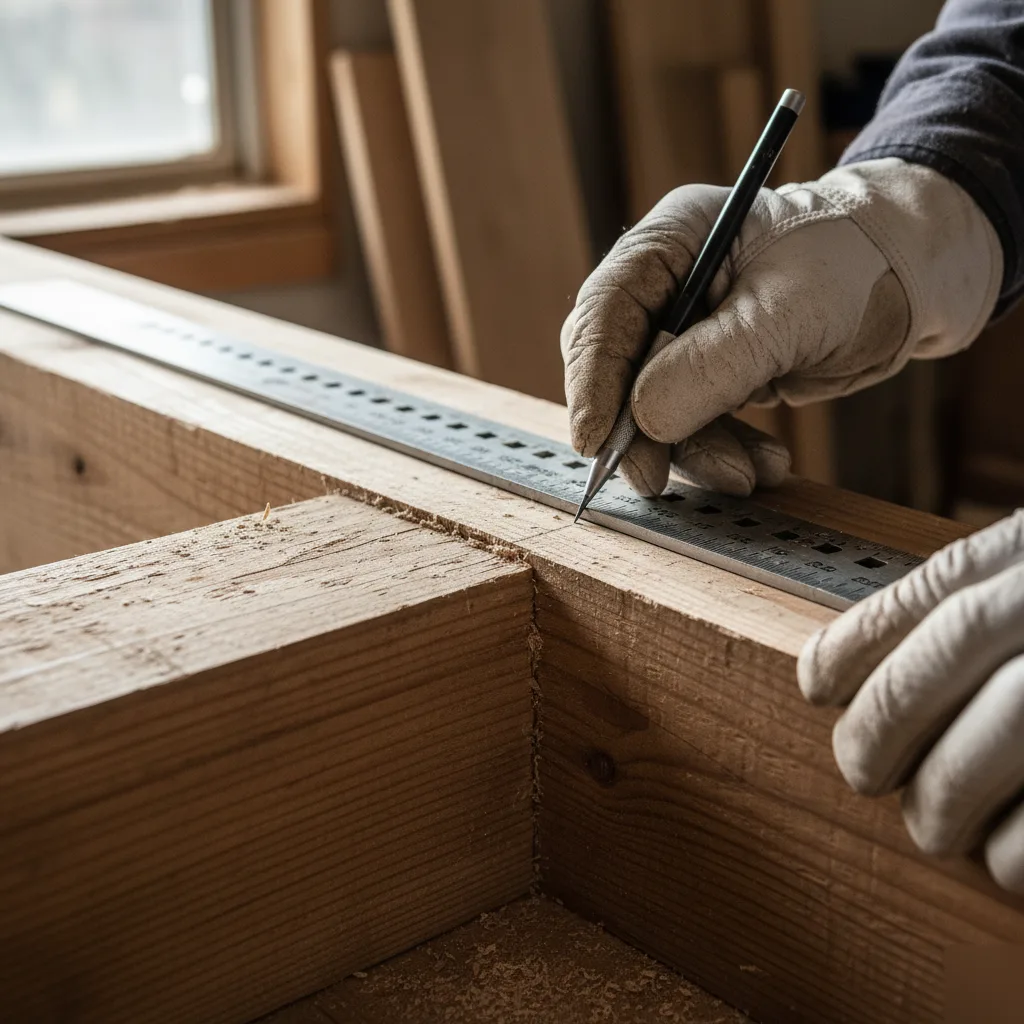
Structural Challenges in Pre-1960 Homes
Many calls we receive regarding staircase structural design in Clayton begin similarly. A homeowner might remove carpet from a 1930s or 1940s staircase and find issues. These often include cracked stringers, sagging treads, or notched framing that fails modern code standards.
These older homes were built well for their era. However, their original design did not account for today's building loads, finish materials, or open-concept renovations. These changes alter how forces move through a structure.
Here is what we commonly find in pre-1960 Clayton staircases:
- Undersized stringers relying on wall sheathing for lateral support
- Tread connections made with cut nails, now loosened after 80+ years
- Original framing not engineered for modern stone or tile finishes
- Landing framing tied into floor joists, lacking proper headers or hangers
This is a common scenario. The staircase was framed by carpenters using rules of thumb, not structural calculations. This method worked for decades. Renovations often demand old framing to perform beyond its original design intent.
The situation often gets complex. In neighborhoods like Wydown or near Shaw Park, many of these homes have been remodeled multiple times. Previous general contractors may have cut into stringer supports or removed blocking without understanding the load path. We have opened up walls and found shims where there should be solid bearing.
What does this mean for your project? Any staircase renovation in an older Clayton home requires a structural assessment before demolition begins. Not after. We inspect existing framing, bearing conditions at both top and bottom landings, and verify the floor system can handle the new design. Scott's direct experience in St. Louis County plan review means your permit drawings are built around exactly what the examiner needs to see.
Identifying these issues early saves you money. This keeps your general on schedule. It avoids waiting for a fix mid-project.
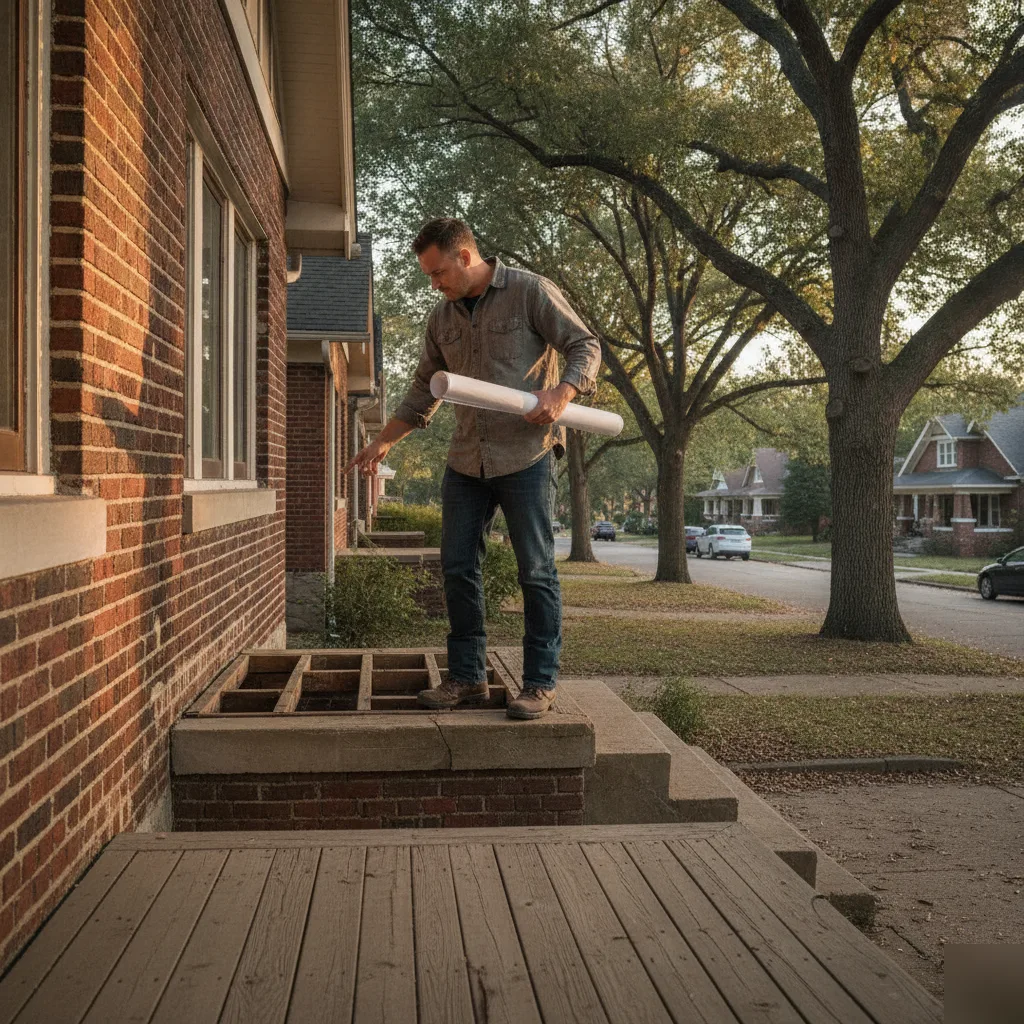
What PE-Stamped Drawings Include and Why Contractors Need Them
Your general cannot build what is not on paper. The building department will not approve anything not stamped by a licensed Professional Engineer. This is standard procedure in Clayton.
A PE-stamped drawing set for staircase structural design covers key elements. While every project is unique, most packages include:
- Framing plans detail stringer sizes, spacing, and connection points to the floor system.
- Detail drawings for handrail posts, guardrail attachments, steel brackets, or custom hardware.
- Structural calculations verifying the stair can handle live and dead loads per current building code.
- Notes specify lumber grades, fastener types, and concrete anchor requirements where the stair meets the foundation or slab.
We encounter this situation every week. A homeowner near Wydown or along Brentwood Boulevard hires a finished carpenter. The carpenter knows how to build an appealing staircase. St. Louis County requires engineered drawings before issuing a permit. The general also needs these drawings to order materials and plan rough framing correctly.
Without a PE stamp, the plan examiner sends the application back. This delay costs everyone time. Scott's direct experience with St. Louis County plan review ensures we build permit packages around exactly what the examiner needs. This eliminates guesswork and prevents back-and-forth revisions that can extend your project timeline by weeks.
The drawings serve more than just the permit office. They also protect your general. Clear connection details prevent on-site confusion. Specified load paths remove the need for framers to improvise. They show precisely where a stringer meets a header, or where a landing transfers weight to a bearing wall below. The drawings become the single source of truth for everyone on the job.
Consider this: The P.E. stamp provides proof that a licensed engineer has reviewed the math, checked the code, and backed the design with their professional license. It is not a formality; it is your safety net.
Need help getting your staircase project permitted in Clayton? Give us a call.
Frequently Asked Questions
Do older Clayton homes always need a structural engineer for staircase work?
Most older Clayton homes do need a structural engineer when changing a staircase. Homes built in the 1930s and 1940s near Wydown Terrace often have original floor joists that were never sized for a large stair opening. Cutting those joists without proper engineering causes floors to sag. St. Louis County also requires PE-stamped drawings before issuing a permit. Getting an engineer involved early prevents project stalls and keeps your framing crew on schedule.
What does St. Louis County actually require before approving a staircase permit?
St. Louis County requires PE-stamped structural drawings before a permit application moves forward. The plan examiner needs to see structural calculations, connection details, and framing documentation on a clear, buildable set of drawings. Submitting incomplete drawings triggers revision cycles and delays your project by weeks. Drawings built around what the examiner specifically needs to see move through plan review much faster and with fewer back-and-forth corrections.
Can my general contractor handle the structural design instead of an engineer?
Your general contractor can build the staircase, but they cannot stamp the structural calculations St. Louis County requires. Only a licensed Professional Engineer can provide that stamp. This is a legal requirement, not a preference. A P.E. carries legal responsibility for the safety of the design. Homeowners near Shaw Park often discover this mid-renovation when their contractor cannot pull a permit without engineer-stamped drawings already in hand.
How long does the staircase structural design process take in Clayton?
The full process from initial consultation to permit-ready drawings typically takes days, not weeks. The most common delay is incomplete information about existing framing at the start. Having your floor plan and foundation type ready at the first consultation speeds things up significantly. Once drawings are submitted to St. Louis County, projects with complete, well-prepared documents move through plan review with far fewer revision requests than typical submittals.
What happens to my existing floor system when I add or relocate a staircase?
Adding or relocating a staircase almost always means cutting into your existing floor joists to create the opening. Those cut joists must be properly supported with a correctly sized header, posts, and bearing points that carry loads down to the foundation. Skipping this step is one of the most common causes of floor sagging in renovated Clayton homes. Structural calculations confirm every member is sized to handle the actual loads before a single joist gets cut.