
What a Structural Calculations Package Actually Includes
Most people hear "structural calculations" and picture a stack of math nobody can read. Fair enough. But what you're actually getting is a complete engineering package that tells you exactly what to build and tells the Clayton permit office exactly what they need to approve it.
While there's no such thing as a "typical" structural calculation package as all projects are unique, we can talk about what you can expect with a "standard package."
Here's what a typical package covers:
- Load path analysis showing how weight transfers from your roof through walls, beams, and columns down to the foundation
- Beam and header sizing with specific steel or lumber specs you can order directly
- Connection details for how new framing ties into existing structure
- Foundation checks confirming your existing footings can handle the new loads, or calling out what needs reinforcement
- Code compliance notes referencing current building standards so the plan examiner doesn't send it back
The county plan review process is thorough. We see packages from other firms get kicked back because they're missing lateral load calculations or don't reference the right code edition. Scott's direct experience working with St. Louis County examiners means your permit drawings are built around exactly what they need to see.
So what does this look like in practice? Say you're removing a load-bearing wall in a 1940s brick home near Wydown to open up the kitchen. Your package would include the new steel beam size, the column locations, a detail showing how the beam connects to existing masonry, and a foundation analysis confirming the point loads won't crack your older poured concrete footings. Everything you need on one set of stamped sheets.
And it's not just numbers on paper. We include clear diagrams and callouts so your builder doesn't have to guess. Contractors tell us our packages are the easiest ones they've worked from.
The whole point is simple. You get a permit-ready document that keeps your project moving, keeps you confident, and keeps the county happy.

Common Projects That Require Structural Calculations
You'd be surprised how many Clayton homeowners don't realize their project needs structural calculations until a contractor or the permit office tells them. It's not just big additions or new builds. Plenty of smaller renovations need them too.
Here's what triggers the need most often in Clayton:
- Load bearing wall removal. This is the one we see every single week. You want that open-concept kitchen in your 1940s brick colonial, and the wall between the kitchen and dining room has to come out. That wall is almost certainly holding up floor joists or roof loads above it. We calculate the beam size, post locations, and connection details so the work can be done safely and the permit gets approved.
- Home additions. Adding a second story, a sunroom, or a family room onto an established Clayton home means new foundations, new framing, and new load paths. The existing structure has to support what you're adding. We run those numbers before your architect finalizes drawings.
- Foundation repairs. Older stone foundations and early poured concrete are common near Wydown and throughout Clayton's historic neighborhoods. Cracks, settling, bowing walls. Structural calculations tell you exactly what reinforcement is needed and whether the proposed fix actually works.
- Deck and balcony rebuilds. St. Louis County requires engineered drawings for most deck projects. We calculate post sizes, joist spans, ledger connections, and footing depths based on actual soil and load conditions.
- Beam and header replacements. Swapping out a rotted beam or upsizing a header for a wider window opening. Sounds simple. But the permit examiner wants to see the math.
And here's something people don't always think about. Pre-purchase structural inspections on older Clayton homes often reveal conditions that need calculations down the road. A sagging floor system or a cracked foundation wall might not stop the sale, but you'll want numbers to plan the repair correctly.
Most of the time, the project scope is clear from a quick phone call. You tell us what you're doing, we tell you what calculations you'll need. Scott's familiarity with county submittal requirements means your permit drawings are built around exactly what the examiner needs to see. No guesswork, no resubmittals.
How the Structural Calculations Process Works Step by Step
People ask us all the time what actually happens after they reach out. Fair question. Here's the exact process we follow for every structural calculations project in Clayton.
- Initial consultation and scope review. You tell us what you're planning. Maybe it's removing a load-bearing wall in a 1940s brick home near Wydown Terrace. Maybe it's a room addition that needs permit drawings. We ask targeted questions about the project, the home's age, and what the end goal looks like.
- Site visit or plan review. For most Clayton projects, we review existing plans or visit the property. We look at framing conditions, foundation type, and how loads currently travel through the structure. Older stone foundations need a different approach than modern poured concrete, and we flag that early.
- Engineering analysis. This is where the real work happens. We calculate dead loads, live loads, wind loads, and any special conditions. Every beam size, every connection detail, every footing dimension gets checked against current building codes. Nothing is assumed. Engineers working on these projects often reference structural engineering resources to stay current with evolving code standards and best practices.
- Structural calculations report. You get a stamped, sealed document from a licensed P.E. It includes all the math, the load paths, member sizes, and connection requirements needed to build correctly.
- Permit-ready deliverables. Scott's hands-on experience with the county submittal process means your permit drawings are organized around exactly what the examiner expects to see. That saves you revision cycles and weeks of waiting.
The whole process typically moves fast. Most residential structural calculations wrap up within days, not weeks. We've done this hundreds of times across Clayton and surrounding St. Louis County communities.
The bottleneck isn't the engineering. It's getting started.
And that's the part we've streamlined the most. You don't need a full set of architectural plans before calling us. A sketch on paper, a photo of the wall you want gone, a rough scope. That's enough for us to get moving. We figure out what's needed so you're not guessing about beam sizes or wondering if your foundation can handle the new loads. You get clear answers backed by real numbers.

Why Clayton's Building Stock Creates Unique Calculation Challenges
Most of the homes we work on in Clayton were built between the 1920s and 1950s. That matters more than people realize.
Older homes don't follow modern building codes. They weren't designed with today's load paths, connection details, or material standards. So when you want to remove a wall, add a second story, or even replace a deck, the structural calculations can't just reference a standard table. We have to account for what's actually there. And what's actually there is often a mix of original construction, past renovations done without permits, and materials that don't match anything in a current code book.
Here's what we run into regularly on Clayton projects:
- Stone foundations with no reinforcement, common in homes near Wydown and along the older streets south of Forsyth
- Unreinforced brick bearing walls that look decorative but carry real load
- Original floor framing with undersized joists by today's standards
- Older poured concrete foundations with unknown mix strength and no rebar
A lot of the time, a homeowner calls us because someone told them, "You need an engineer for this." This is right. But the reason isn't just the permit. It's because the existing structure doesn't behave the way a newer home would, and the calculations have to reflect real conditions rather than assumptions.
We see this constantly with open-concept kitchen remodels. A homeowner in Clayton wants to take out the wall between the kitchen and dining room. That wall is almost always load bearing in these older floor plans. The beam design, the column placement, the foundation check beneath each new point load. Every piece of that calculation chain depends on understanding the original structure first.
And that's where field verification comes in. We don't just run numbers from a desk. We look at the actual framing, the actual foundation, the actual bearing conditions. Scott's direct knowledge of what county plan examiners flag means your permit drawings are built to pass the first time. That saves you revision cycles and weeks of waiting. Clayton's homes are built well. They just need Clayton engineering specialists who understand how they were built — and that is exactly what we are.
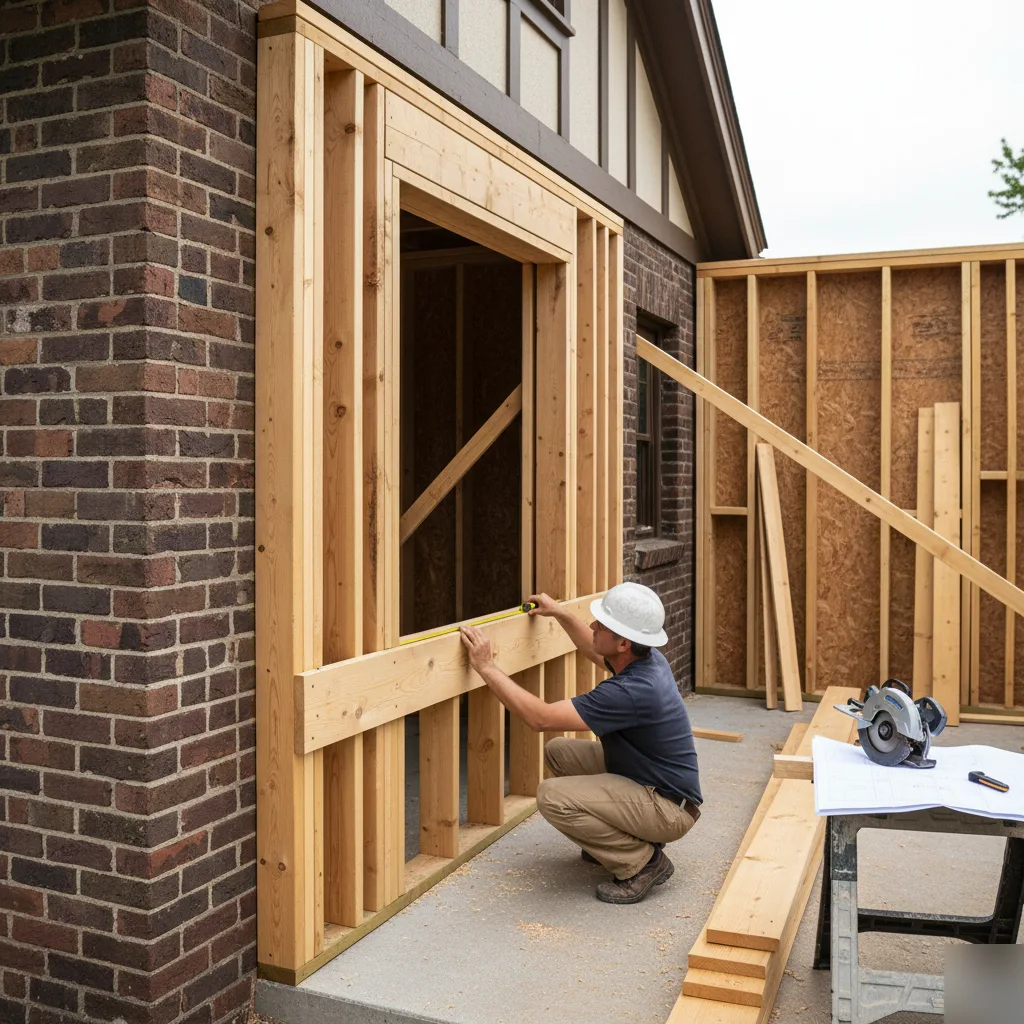
Structural Calculations for Contractors: Permit-Ready Packages on Your Schedule
You've got a crew ready to go. The homeowner's anxious. And the permit office won't move until they see stamped structural calculations on their desk. We get it. That's why half the calls we take in Clayton come from contractors who need calc packages fast and done right the first time.
We've built our workflow around your timeline, not ours.
Here's what a typical package from us includes:
- You send us your plans, a few photos, and a quick description of the scope.
- We review everything and confirm what the calc package needs to cover.
- Our team runs the structural calculations for the specific loading conditions, member sizes, and connection details your project requires.
- We deliver a sealed, permit-ready package with all sheets organized the way county plan reviewers expect to see them.
- If the examiner has questions, we respond directly so you don't play middleman.
Most of the projects we see from Clayton contractors fall into a few categories. Load-bearing wall removals in older brick homes. New beam and header designs for kitchen remodels. Room additions that need foundation and floor system calcs. Deck replacements where the original structure was never engineered. Each one gets a clean package with clear notes, not a stack of pages that confuse the reviewer.
Scott's background working directly with county submittal requirements means your permit drawings are built around exactly what the examiner needs to see. That saves rounds of revision. It saves you weeks. Contractors working near the Wydown or DeMun areas tell us Clayton's permitting process can stall projects if the submittal isn't tight. We make sure yours is.
But speed doesn't mean shortcuts. Every calc we stamp carries our P.E. seal and our reputation. We treat projects with the same rigor as direct homeowner work, we just move faster because you already know what you need.
Need structural calculations for a job that's already in motion? Give us a call and we'll get your package started this week.
Frequently Asked Questions
Do I really need structural calculations just to remove one wall in my Clayton home?
Yes, and most load-bearing wall removals in Clayton require stamped engineering before the permit gets approved. This is especially true in older brick colonials and 1940s homes near Wydown, where walls almost always carry floor joists or roof loads above them. Without calculations, the county plan examiner will send your permit back. A quick phone call usually tells us whether your specific wall triggers the requirement — and most of the time, it does.
How long does it take to get stamped structural calculations in Clayton?
Most residential projects in Clayton are completed within one to two weeks from the site visit or plan review. Timeline depends on project complexity — a single beam replacement moves faster than a full room addition with foundation work. We flag anything that could slow down the county's plan review process before we submit, so you're not waiting on a resubmittal. Getting the scope clear upfront is the biggest factor in keeping things on schedule.
What should I have ready before the structural engineer visits my property?
Have any existing drawings, permits, or renovation records ready if you have them. If you don't, that's fine — we gather what we need on-site. It helps to know the approximate age of the home, any known foundation issues, and what you're planning to change. For older Clayton homes with stone or early poured concrete foundations, knowing the history of past repairs can save time during the site review.
Will my older Clayton home's foundation handle the new loads from an addition or beam replacement?
That's exactly what the calculations are designed to answer. Older foundations near Wydown and throughout Clayton's historic neighborhoods are common in our work — stone rubble, early poured concrete, and shallow footings that weren't designed for added point loads. We check whether existing footings can handle what you're adding, and if they can't, the report tells you exactly what reinforcement is needed. You get a clear answer before construction starts, not a surprise mid-project.
Why do some structural calculation packages get rejected by the county plan examiner?
The most common reasons are missing lateral load calculations or referencing the wrong code edition. St. Louis County examiners are thorough, and packages that don't match their current submittal requirements get kicked back. Working with someone who knows exactly what Clayton's plan review process expects means your drawings are built around what the examiner needs to see the first time — no resubmittals, no delays holding up your project.