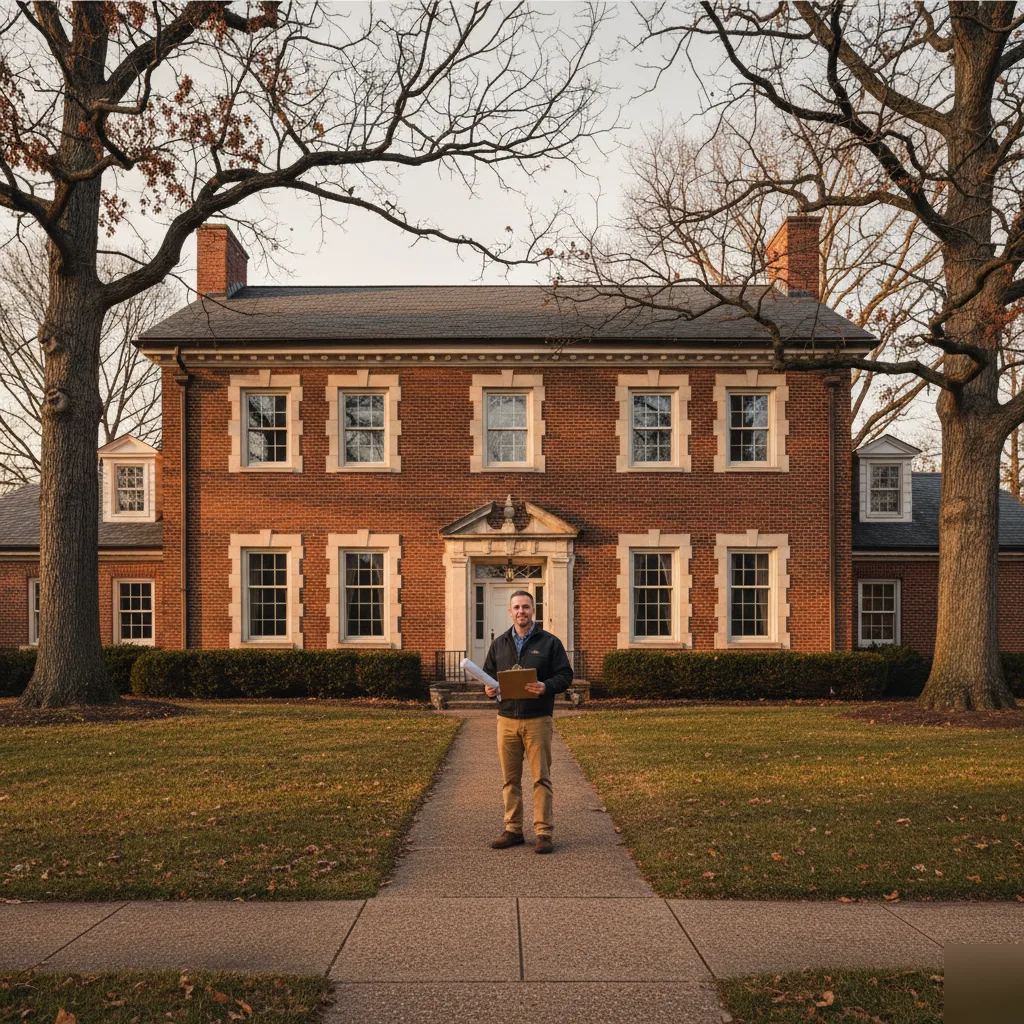
What Structural Calculations for Contractors Actually Cover
Contractors in Clayton often recognize when a project needs engineering. However, the exact contents of a structural calculation package are not always clear. We make it our job to explain what these calculations cover.
Structural calculations provide the math for every load path in your project. They prove beams, headers, columns, footings, and connections can handle expected forces. This includes dead loads, live loads, wind, and snow. Every number ties back to the building code. Each calculation must stand up to plan review.
What's Typically in a Calculation Package
The scope changes project to project, but here's what we include most often:
- Beam and header sizing for load-bearing wall removals
- Column and footing design to carry concentrated loads down to the foundation
- Floor system design for new additions or modified framing
- Lateral load analysis for wind and seismic resistance
- Connection details showing how steel meets wood, or how new framing ties into existing structure
We see this every week. A client in Clayton calls. They are opening a kitchen wall, and the building department requires stamped calculations before issuing the permit. This is common, but not the only situation.
Home additions near Wydown or in older neighborhoods off Brentwood Boulevard bring unique challenges. Existing foundations are often stone or early poured concrete. You cannot assume these will support new loads without a check. Our calculations verify what the existing structure can carry. We then specify what changes are needed.
Scott has years of direct experience with St. Louis County plan review. This means your permit drawings are built around exactly what the examiner needs to see. We do more than just run the numbers. We present them in a format that moves through review fast. He knows what gets flagged and what sails through. This keeps your project on schedule. You avoid back-and-forth revisions. There are no resubmittals eating up weeks you do not have. That is what engineering solutions Clayton projects deserve and it is the standard every submittal we produce is held to.

Projects in Wydown-Forsyth and Older Clayton Neighborhoods That Trigger This Requirement
Not every project needs a licensed engineer. However, in Clayton, most work we encounter does.
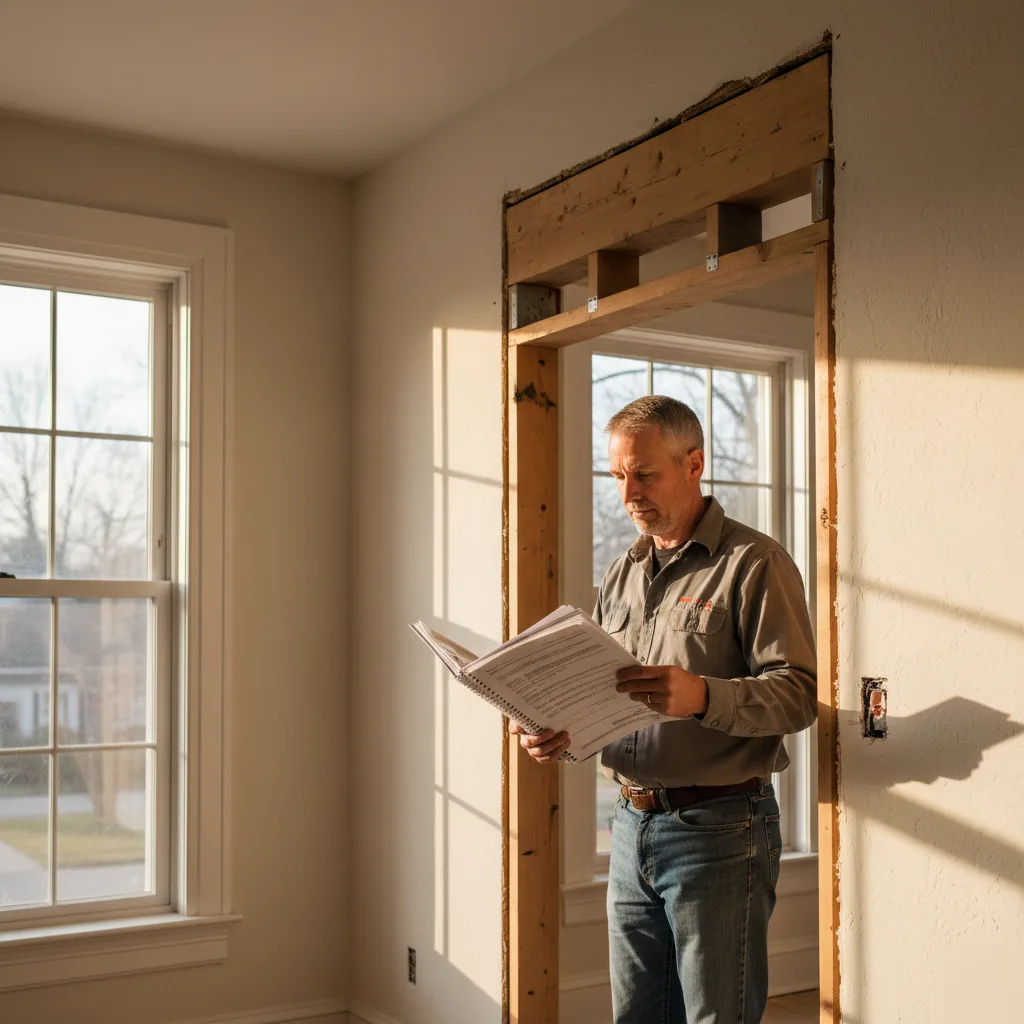
The housing stock here shows the patterns. Homes built from the 1920s through 1940s dominate neighborhoods like Wydown-Forsyth. These feature brick construction, plaster walls, and stone foundations. Their structural systems were not designed for the open floor plans homeowners want today. When you consider removing a wall between a kitchen and dining room, you are almost certainly dealing with a load-bearing condition. That wall supports floor joists, possibly a second story. You cannot just remove it and expect the outcome. You need structural calculations to size the replacement beam. These calculations specify the posts and confirm the foundation can handle the new point loads.
Here's what triggers the need most often in Clayton:
- Load-bearing wall removal for open-concept kitchen remodels
- Room additions on established lots with strict setback requirements
- Foundation repairs on older stone or poured concrete systems showing cracks or settlement
- Second-story additions over existing single-story structures
- Deck replacements or new balcony construction requiring updated code compliance
Contractors from this area call us every week. It is always a similar situation. A homeowner wants a renovation. They know a permit is required. St. Louis County will not issue that permit without stamped structural drawings backed by engineering calculations. We provide those.
Older homes present specific challenges that newer construction does not. Original framing lumber is often undersized by current standards. Floor joists might be true 2x8s. Today's code would not allow them to span such distances without reinforcement. Stone foundations do not distribute concentrated loads the same way modern footings do. We account for all of this in our calculations. This ensures your crew gets numbers they can build from.
Scott's direct experience with St. Louis County plan review means your permit drawings are built around exactly what the examiner needs to see. This saves time for you, your crew, and the review office. You avoid back-and-forth communication and resubmittals over missing details.
How the Structural Calculations Process Works Step by Step
Every project in Clayton starts similarly. You call us. We discuss your goals. We then determine the fastest path to get your permit moving.
Here's what happens from that first conversation to final deliverables:
- Scope call and document review. We ask about the project scope. This might be a load-bearing wall removal in a 1940s brick home or a room addition in the Wydown neighborhood. You send us any plans, photos, or sketches. Any visual information is useful.
- Site assessment. For most Clayton projects, we must see the existing conditions. We examine framing, foundation type, bearing points, and all elements affecting how loads travel through the structure. Stone foundations and older poured concrete are common here. These provide key information about feasibility.
- Run the numbers. Here, the core engineering work takes place. We calculate dead loads, live loads, wind loads, and any special conditions your project requires. This includes beam sizes, header specifications, connection details, and foundation reactions. All items are documented to meet current building code.
- Prepare permit-ready deliverables. You receive a sealed calculation package and structural drawings. Scott's background in St. Louis County plan review means the package is built around exactly what the examiner needs to see. This eliminates guesswork. It also avoids back-and-forth revisions that cost you weeks.
- Support through permitting and construction. We handle questions from the plan reviewer. If your framer needs clarification on a connection detail mid-build, we are a phone call away.
We typically deliver the full calculation package within days, not weeks. Speed is important when your crew has a schedule to keep and materials on order.
Fast service does not mean rushed work. We check every number. We verify every detail against the field conditions we observed. Structural calculations for contractors must be correct the first time. Your framer builds directly from our output.
If you need help determining your next step, give us a call.
Contractors across Clayton and surrounding St. Louis County communities tell us the same thing. A clean, accurate calculation package saves them time on site. It also eliminates confusion during inspections. This is our objective.

Missouri Code Requirements Every Contractor Must Understand
Missouri adopted the 2018 International Building Code and International Residential Code. However, Clayton operates under St. Louis County's jurisdiction. The county adds its own amendments to these state codes. This is where many contractors encounter problems.
We observe this frequently. A contractor often prepares plans based on general IRC tables. They submit these to St. Louis County plan review. A correction notice then comes back. The county examiner requests specific load path calculations, connection details, or a stamped engineer's letter. The project then stalls.
Here's what St. Louis County plan review typically requires for structural work in Clayton:
- Stamped structural calculations. These show gravity loads, lateral loads, and load paths from roof to foundation.
- Beam and header sizing. This includes deflection checks meeting L/360 or stricter criteria.
- Foundation details. These must account for actual soil conditions on site.
- Connection hardware schedules. They must specify manufacturer, model, and placement.
- A licensed P.E. stamp on every sheet of structural drawings.
Generic span tables are insufficient for most renovation projects in Clayton's older housing stock. A 1940s brick home near Wydown performs differently than new wood-frame construction. The existing framing, foundation type, and floor system all factor into the calculations. The county examiner understands this.
Scott has worked directly with St. Louis County plan review for years. His background means your permit drawings are built around exactly what the examiner needs to see. This makes the difference between a clean approval and weeks of back-and-forth revisions. Such delays cost you money daily.
Jurisdictions can modify adopted codes to reflect local conditions, according to the International Code Council. St. Louis County exercises that authority. In practice, "meeting code" in Clayton means meeting the county's specific interpretation, not only the state minimum.
We format each calculation package to match the county's review checklist. This avoids guessing. It also prevents resubmittals. Your permit moves forward on the first submission.
Common Permit Delays, and How Contractors in Carrswold Avoid Them
Permit delays impact project timelines. We frequently observe this with Clayton contractors who began demolition before securing structural calculations. The county issues a correction notice. The crew then sits idle. The homeowner begins asking difficult questions.
Most rejections from St. Louis County plan review stem from a few recurring problems. These issues are not mysterious; they are predictable.
- Missing load path details from the new beam down to the foundation.
- Incomplete connection designs at critical framing intersections.
- Calculations failing to reference correct local design loads for wind or snow.
- Drawings lacking sufficient dimension detail for the examiner to verify compliance.
- No lateral bracing analysis when second-story walls are removed.
Each of these issues triggers a resubmission cycle. This means a minimum of two to three extra weeks in Clayton's permitting queue. For a kitchen remodel in the Carrswold neighborhood, such a delay might push your project past a cabinet delivery window. It could also extend into an unplanned season.
Scott previously worked on the other side of that desk. He knows the St. Louis County plan review from the inside. This means your permit drawings are built around exactly what the examiner needs to see. He understands what gets flagged and what sails through.
When we prepare structural calculations for contractors working in Clayton, the package goes out complete. We include connection schedules, load path diagrams, deflection checks, and bearing details. All are formatted as the county expects. We also include a cover sheet to guide the examiner through the scope. This prevents misinterpretations.
Many people overlook a critical point. A clean permit submission does more than save time initially. It also protects you during inspections. When the field inspector sees calculations matching the approved drawings exactly, the inspection proceeds quickly. This means no callbacks or red tags.
To avoid the resubmission headache, call us before you file.
Frequently Asked Questions
Do I need stamped structural calculations for a load-bearing wall removal in Clayton?
Yes, St. Louis County requires stamped structural calculations before issuing a permit for load-bearing wall removals. This is one of the most common calls we get from Clayton contractors. The building department will not approve your permit drawings without an engineer's seal and supporting math. Homes in neighborhoods like Wydown-Forsyth are almost always load-bearing in the walls between kitchen and dining areas. Getting calculations upfront keeps your project on schedule and avoids resubmittals.
How long does it take to get a structural calculation package ready for plan review?
Most projects move from first call to sealed deliverables within one to two weeks. The timeline depends on project complexity and how quickly you can send us photos, sketches, or existing plans. A straightforward wall removal in a Clayton brick home typically moves faster than a full room addition with foundation work. The sooner we can see existing conditions, the sooner we can run the numbers and get your permit package submitted.
What makes older Clayton homes harder to engineer for open-concept renovations?
Homes built in the 1920s through 1940s — common throughout Clayton — use stone foundations, original-dimension lumber, and framing systems never designed for open floor plans. A true 2x8 floor joist from that era may not meet today's span requirements without reinforcement. Stone foundations also distribute concentrated loads differently than modern poured footings. We account for all of these conditions in our calculations so your crew gets numbers that reflect what is actually in the ground and walls.
What should I send you before the site visit to speed things up?
Send us anything you have — photos, contractor sketches, old permit drawings, or even a rough floor plan sketch on paper. You do not need professional drawings to get started. Clear photos of the framing, foundation, and the wall or area in question are especially helpful. The more we can review before arriving, the more focused the site visit becomes. This saves time for you and gets your calculation package moving faster.
Will you handle questions from the plan reviewer after submittal?
Yes, we stay involved through the review process. If the St. Louis County plan examiner has questions or needs clarification, we respond directly. You should not have to translate engineering details back and forth between your office and the reviewer. Because Scott's background includes direct experience with St. Louis County plan review, the packages are built to match what examiners expect to see — which reduces the chance of comments in the first place.