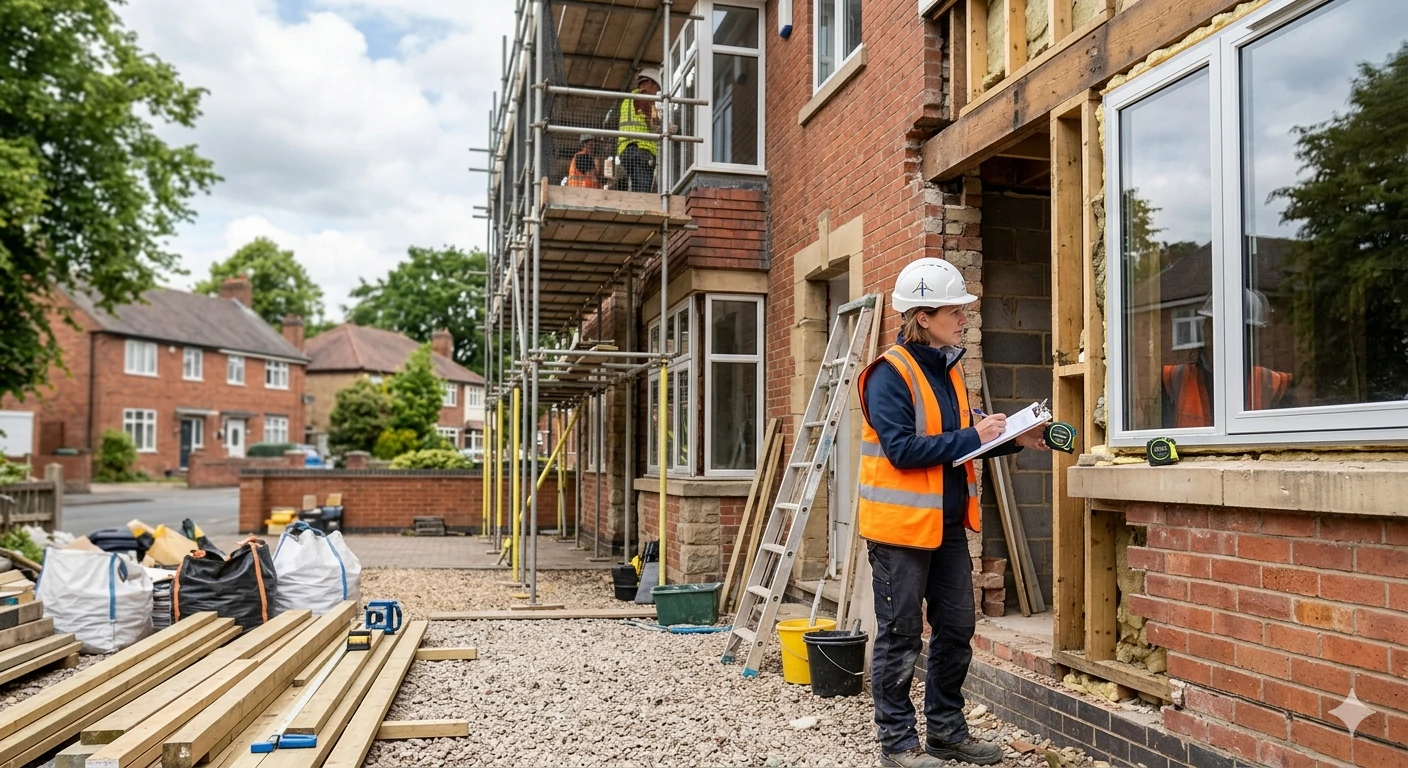
What a Building Renovation Consultant Actually Does for You
Most homeowners in Chesterfield don't call professional engineering consultants because they want to. They call because something isn't adding up. The contractor says one thing, the permit office says another, and nobody can give a straight answer about whether the project is actually going to work.
That's the gap the team fills.
A building renovation consultant sits between your idea and the reality of your structure. Before anyone picks up a hammer, the team evaluates what your home can handle. That means looking at your existing framing, your foundation, your floor system, and how all of it connects to what you want to change. Most of the time, the homeowner's vision is doable, it just needs an engineered path to get there.
Here's what that looks like in practice:
- Reviewing your renovation plans against the actual structural conditions of the building
- Identifying load-bearing walls before your contractor makes assumptions
- Flagging code issues that would get your permit rejected in Chesterfield
- Producing structural drawings and calculations that the building department needs to see
- Coordinating with your contractor so the scope stays realistic
Think of it this way. You might want to open up a kitchen wall in your Wildwood Trail home. Your contractor says it's fine. But that wall is almost always load-bearing in split-level homes built in the 1980s and 1990s around here. The team catches that before demo day, not after.
And it's not just about walls. The team handles building condition assessments, structural peer reviews, and renovation inspections. Every project gets a licensed structural engineer's eyes on it. So when the inspector shows up, your plans match what's actually built, your drawings are stamped, and there's no guessing involved.
This is where most permit delays start. Not with bad contractors. Not with slow inspectors. With plans that don't account for the real structure behind the drywall.
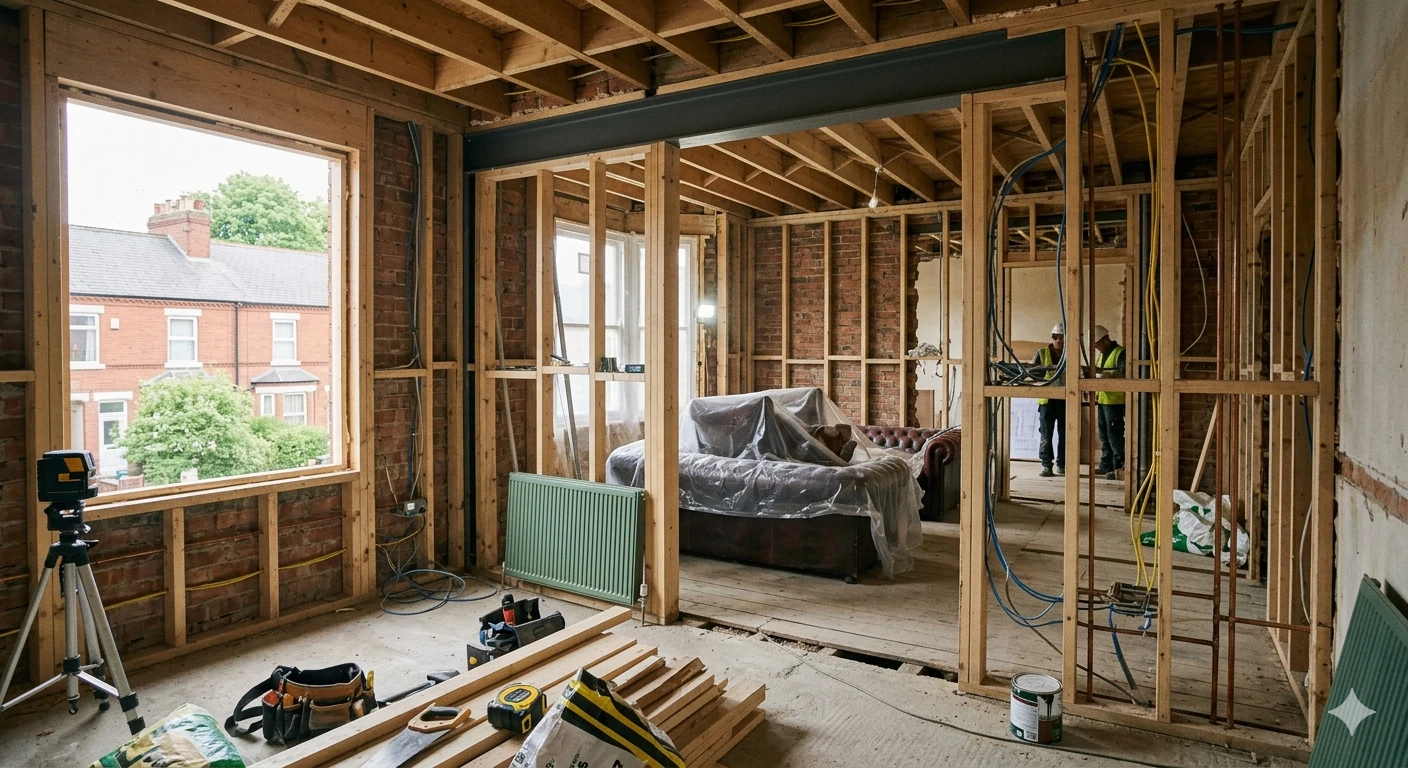
Signs Your Renovation Project Needs a Consultant Before Work Begins
Most homeowners don't call until something has already gone sideways. A contractor pulls a permit and it gets rejected. Or demo starts and someone finds a crack in the foundation nobody mentioned. By that point, the project is already behind schedule and over budget.
The smarter move is knowing when to bring in building renovation consulting before the first hammer swings.
Here are the situations the team sees most often in Chesterfield:
- Your contractor can't confirm if a wall is load-bearing. This comes up constantly. Especially in split-level homes around the Wildwood border and older ranches near Chesterfield Valley. If anyone says "I think it's fine," that's not an answer.
- You're combining rooms or adding square footage. Open floor plans and room additions change how loads travel through your home. The framing that worked for the original layout won't work for the new one.
- The house has visible cracks, uneven floors, or doors that won't close right. These aren't cosmetic problems. They're symptoms. Renovating on top of a structural issue is like painting over water damage.
- Your project needs a permit and you don't have drawings. St. Louis County municipalities, including Chesterfield, require structural permit drawings for most renovation work that touches framing or foundation elements. Showing up without them means your application gets sent back.
- You've gotten conflicting advice from two or more contractors. This is the reason people finally pick up the phone. One contractor says the beam is fine, another says it needs to be replaced. A licensed structural engineer settles the question with actual calculations.
And here's one that surprises people. Even if your renovation seems simple, a building condition assessment before work starts can catch problems that would cost five times more to fix later. The team finds hidden issues on nearly every older home inspection in Chesterfield.
If any of these sound familiar, you don't need to wait until the project stalls. A consultation now saves real money and real time down the road.
The Step-by-Step Consulting Process From First Call to Project Close
Most folks in Chesterfield call because they've already got a project in mind but aren't sure what's actually possible. Maybe the contractor said one thing, the permit office said another. That's normal. Here's how the team walks you through it from that first phone call to the day your project wraps up.
- Initial call and project scoping. You tell the team what you're thinking. Knock out a wall, add a room, gut a kitchen. The team asks about your home's age, its construction type, and what the end goal looks like. This takes about fifteen minutes.
- On-site assessment. A licensed engineer visits your home and documents existing conditions. That means measuring, checking framing, looking at the foundation, noting anything that could affect your plans. For older homes near Chesterfield Valley, the team often finds framing details that don't match what the homeowner was told.
- Feasibility review and recommendations. The team puts together a clear picture of what your home can handle. Load paths, structural limits, code requirements from St. Louis County. You get honest answers, not guesses.
- Structural drawings and permit documents. If the project moves forward, the team produces stamped structural drawings ready for permit submission. These are built around what the Chesterfield building department wants to see.
- Contractor coordination. Once your permit is approved, the team stays available to answer contractor questions during construction. This is where most renovation projects hit snags, a builder reads the plans differently than intended.
- Final verification. Before you close out the project, the team can perform a renovation inspection to confirm everything matches the approved plans.
The biggest delays happen between steps three and four. That's because homeowners discover their original idea needs adjusting. And that's exactly why building renovation consulting exists.
The whole process usually runs four to six weeks from first call to permit submission, depending on project size. Bigger additions in areas like Wildhorse take longer. A single load-bearing wall removal might move through in two weeks. Every project gets the same level of attention, the team doesn't cut corners on documentation just because a job seems simple.
Need help figuring out where your project stands? Give us a call.
Chesterfield Permit Requirements and Why They Affect Your Renovation Scope
Most renovation projects in Chesterfield stall at the permit counter, not on the job site. The city requires structural permit drawings for anything beyond cosmetic work. That includes load-bearing wall removal, new openings in exterior walls, floor system changes, and room additions. The plans need a licensed engineer's stamp before the building department will even open your file.
Here's what catches people off guard. Chesterfield's review process checks structural calculations against the International Residential Code, but the city also enforces local amendments that go beyond the base code. The team sees this constantly. A homeowner brings in contractor-drawn sketches, the plans get kicked back, and now the project sits for weeks while everyone scrambles to fix what should've been right from the start.
The permit requirements directly shape what your renovation can and can't do. A few common examples:
- Removing a wall between the kitchen and living room requires an engineered beam design with load path documentation down to the foundation
- Adding a second-story room means the existing floor system and foundation need to be evaluated for the added load
- Converting a garage into living space triggers structural, egress, and energy code reviews all at once
- Deck replacements over a certain size need new footings sized to local frost depth requirements
The scope of the renovation often changes once someone actually reads the permit requirements. That wall you wanted gone might need a steel beam instead of a wood header. That bump-out addition might need deeper footings than your contractor assumed. Building renovation consulting exists to catch these things before they become expensive surprises.
Over near Chesterfield Valley, older commercial-to-residential conversions run into even stricter review. The floodplain overlay adds another layer of documentation the city wants to see.
The permit process isn't just a box to check. It defines the engineering scope, the materials, the timeline. Getting the structural drawings right on the first submission saves real time. According to the International Code Council, plan review rejections add an average of three to six weeks to residential project timelines. That's time and money most homeowners don't plan for.
How to Evaluate Contractor Bids Before Committing to a Renovation
Three bids sitting on your kitchen counter and they all look different. Different totals, different line items, different timelines. The team sees this every week with Chesterfield homeowners who aren't sure which number to trust.
Here's what most people miss. A low bid isn't a deal if it skips structural work your project actually needs. And a high bid isn't automatically better. What matters is what's included, what's excluded, and whether the scope matches what your building renovation consulting report identified.
What to Look for in Each Bid
Before you compare totals, line up the details. The team recommends checking each bid against these basics:
- Does it account for load-bearing wall removal or structural modifications flagged in your engineering assessment?
- Are permit costs and structural permit drawings listed as separate line items or buried in overhead?
- Is demolition scope clearly defined, or vague enough that change orders are likely?
- Does the timeline include inspection hold points where the municipality needs to sign off?
The bid that looks cheapest is usually missing at least one of those items. That gap shows up later as a surprise invoice or a failed inspection in Chesterfield's permitting process.
A common scenario the team runs into around the Wildhorse neighborhood: a homeowner gets a bid for a kitchen remodel that doesn't mention beam and header design at all. The contractor plans to "figure it out on site." That's a red flag. According to the International Code Council, structural modifications require engineered plans before work begins. Your contractor should know this. If they don't mention it, ask why.
So what do you actually do with three different numbers? Bring them to your structural engineer. The team can cross-reference each bid against the scope from your building condition assessment. That tells you which contractor understood the project and which one guessed. It takes about thirty minutes and can save you thousands in rework costs down the road.
Need help making sense of your bids? Give us a call before you sign anything.
Frequently Asked Questions
Do I really need a building renovation consultant if I already have a contractor?
Yes, and here's why — your contractor and a building renovation consultant do different jobs. Your contractor builds. The consultant checks whether what you want to build is structurally sound and code-compliant first. In Chesterfield, St. Louis County requires stamped structural drawings for most framing and foundation work. Your contractor can't produce those. If your permit gets rejected, the project stops. Bringing in a consultant before demo day prevents that.
How do I know if a wall in my Chesterfield home is load-bearing?
You can't know for certain without a structural assessment — and guessing wrong is expensive. Load-bearing walls are especially common in split-level homes built in the 1980s and 1990s, which are widespread in Chesterfield and the Wildwood border area. A licensed structural engineer reviews your framing, checks load paths, and gives you a definitive answer. That answer comes with documentation your contractor and permit office can actually use.
What happens during the on-site assessment?
A licensed structural engineer visits your home and documents existing conditions in person. They measure framing, check the foundation, and look at how loads travel through your structure. For older homes near Chesterfield Valley, the team regularly finds framing details that don't match what homeowners were told. The visit usually takes one to two hours. You get a clear picture of what your home can handle before any work starts.
How long does the consulting process take from first call to permit-ready drawings?
Most projects move from initial call to stamped permit drawings in one to three weeks. The timeline depends on your project scope and how quickly the on-site assessment can be scheduled. Simple wall removal projects move faster. Room additions or foundation work take longer because the calculations are more involved. Starting the consulting process early keeps your overall renovation timeline from slipping.
What Chesterfield permit requirements should I know before starting a renovation?
Chesterfield follows St. Louis County building codes, which require structural permit drawings for most work that touches framing or foundation elements. Showing up to the permit office without stamped drawings gets your application sent back. This is one of the most common reasons renovation projects stall locally. A building renovation consultant produces drawings built around exactly what the Chesterfield building department needs to see, so your application moves forward the first time.
Can a building renovation consultant help if two contractors gave me conflicting advice?
Yes — this is one of the most common reasons people call. One contractor says the beam is fine, another says it needs replacing. A licensed structural engineer settles the question with actual calculations, not opinions. You get a documented answer you can hand to any contractor. In Chesterfield, where older ranch and split-level homes often have non-standard framing, conflicting contractor advice is more common than most homeowners expect.