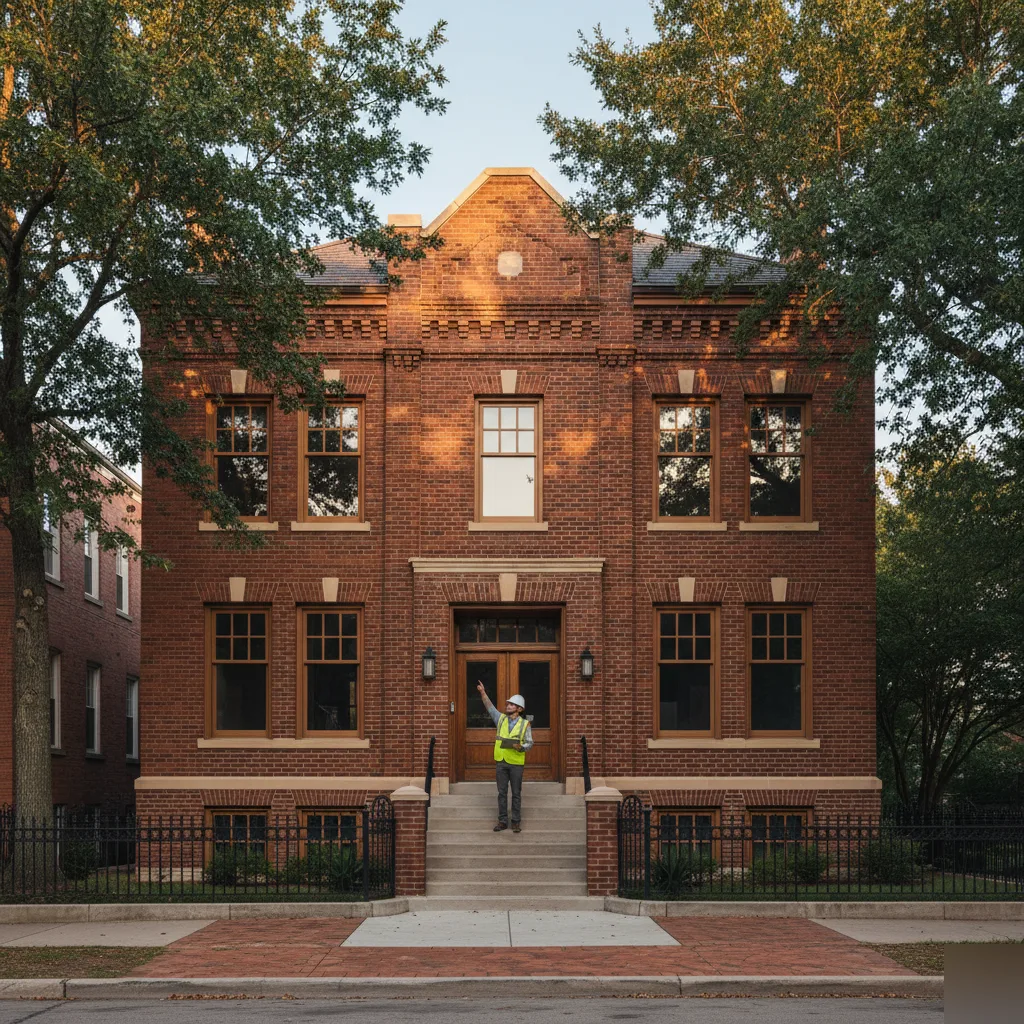
What Building Renovation Consulting Actually Covers
Building renovation consulting is the structural homework completed before any demolition begins. It's the difference between a project that sails through permitting and one that stalls for weeks. We handle this work across Clayton every day.
A renovation isn't just picking finishes and hiring a general. The moment you change a wall, add square footage, or dig into an old foundation, you're dealing with structural questions. These questions require real answers from a licensed engineer, not guesses.
What We Evaluate
Every project is different, but our consulting addresses key concerns:
- Whether a wall is load bearing and what it takes to remove it safely
- Foundation condition, especially in Clayton's older stone and poured concrete systems
- Structural capacity of existing framing to support new layouts or additions
- Code compliance gaps that might block a permit application
- Feasibility of your renovation plan before committing to a design
We see this every week. A homeowner near Wydown has a vision for an open-concept kitchen. Their general says "probably fine." But that wall between the kitchen and dining room supports the second floor. Without proper beam and header design, that project presents a serious safety risk.
We step in early. We assess the existing structure and identify engineering requirements. Then we produce the structural drawings your general and the county examiner both need. Scott's background in St. Louis County plan review means your permit drawings are built around exactly what the examiner needs to see.
Our work extends beyond wall removal. It includes room additions in established Clayton neighborhoods where setback rules are tight. We also handle floor system design for basement conversions and provide structural calculations for general contractors requiring a P.E. stamp to pull permits.
We bridge the gap between your renovation idea and a buildable, permitted plan. You gain clarity on what's possible, what's required, and what it will take structurally. This service provides that clarity.
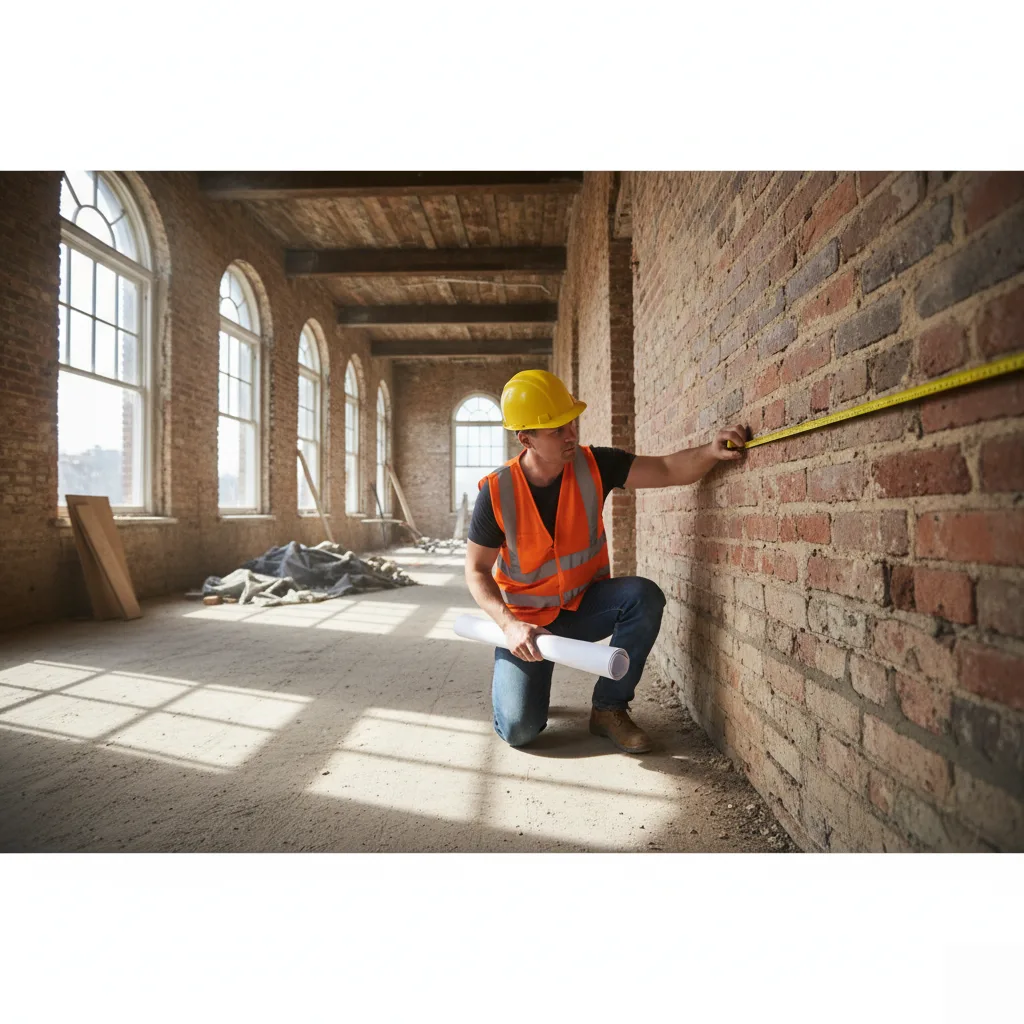
The Consulting Process From First Call to Permit-Ready Drawings
Most Clayton homeowners call us with a vision and a handful of questions. Our process turns your renovation idea into a permit-ready package, and we complete it efficiently.
Here's how it works from start to finish:
- Initial phone consultation. We discuss your project scope, timeline, and goals. You outline your desired changes, and we explain what our evaluation will cover. This call typically takes 15 minutes.
- On-site assessment. We visit your Clayton property and document existing conditions. For older homes near Wydown or in the Central Business District, we check foundation type, framing layout, and load paths. We take measurements and photos for our engineering analysis.
- Structural analysis and design. Back at our offices, we perform all necessary calculations. If you are removing a load bearing wall for an open kitchen, we size the replacement beam and specify connection details. If you are adding a second story, we verify the existing foundation can support the new loads.
- Permit drawing preparation. We produce structural drawings that include all details the plan examiner needs: beam sizes, connection hardware, footing dimensions, and load calculations. These details are clearly presented on the sheet.
- Plan review support. If the county has questions, we respond directly. This avoids back-and-forth confusion between you and the examiner.
Scott has spent years working with St. Louis County plan review. This means your permit drawings are built around exactly what the examiner needs to see. We have seen projects in Clayton stall for weeks because drawings lacked a detail or were formatted in an unacceptable way for the reviewer.
Most of our submittals receive first-pass permit approval without revision requests.
You get one point of contact, with one team handling all structural engineering, drawings, and permit coordination. You do not need to hire an architect, then a separate engineer, then chase down a drafting service. We handle the structural scope under one roof, from that initial phone call through approved permits. Ready to get your project moving? Give us a call.
Structural Risks in Pre-War and Mid-Century Buildings
Clayton's housing stock tells a story. Walk through neighborhoods near Wydown or along Brentwood Boulevard, and you will find brick homes built in the 1920s, 1930s, and 1940s. These structures, while beautiful, often contain hidden problems. Decades of settling, moisture, and outdated construction methods mean these issues become apparent the moment renovation begins.
We see this every week.
A homeowner wants to open up a kitchen or add a primary suite. The general starts demolition and finds something unexpected. Perhaps it is a cracked stone foundation that has been shifting for decades. Or maybe it is a load bearing wall that previous owners modified without permits. At that point, building renovation consulting becomes essential, rather than a convenience.
Pre-war homes in Clayton come with a specific set of structural concerns that newer builds do not have:
- Stone or unreinforced concrete foundations may crack and bow under lateral soil pressure.
- Original floor joists are often undersized by today's code standards, sometimes with notches from old plumbing runs.
- Brick masonry walls, which function as structural elements, may have deteriorating mortar joints.
- Lintels above windows and doors can corrode or sag over time.
None of these are deal-breakers. You need to know what you are working with before committing to a design or signing a construction contract. According to the American Society of Civil Engineers, deferred maintenance on aging structures is one of the leading causes of renovation cost overruns. This aligns with our observations in Clayton homes.
A proper assessment examines the foundation condition, checks floor levelness, evaluates wall systems, and identifies any previous modifications that were not engineered. Clayton falls under county jurisdiction, and submittals missing structural details get returned quickly. Knowing the risks early saves you money. It also prevents redesigning a project halfway through construction. That is an outcome nobody wants.
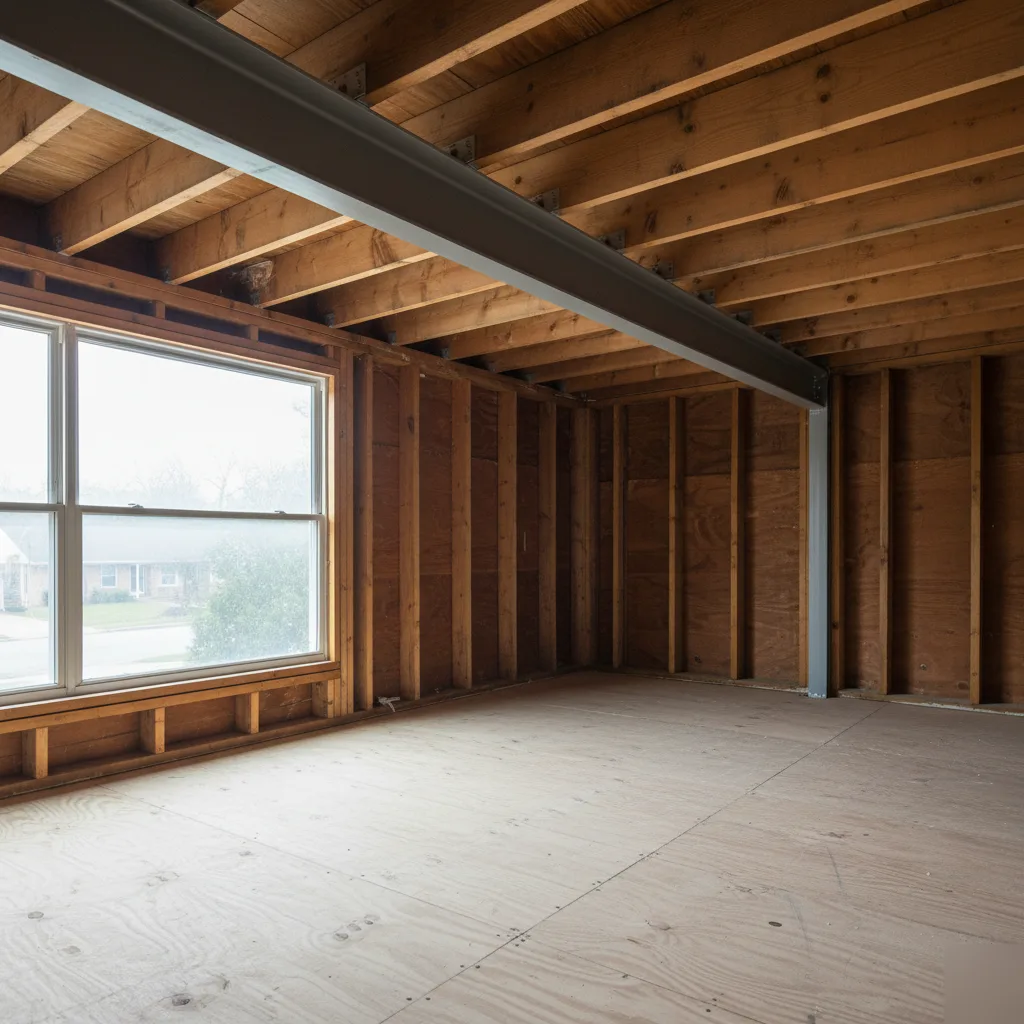
Permit Requirements and Plan Review for Structural Modifications
Every structural change in Clayton goes through St. Louis County's permit process. This is not optional. Whether you remove a load bearing wall, add a room, or modify your foundation, all such changes require approved structural permit drawings before work starts.
The county plan examiner does more than just check that you have drawings. They check specific details: member sizes, connection details, load paths from roof to foundation, and deflection calculations. Missing one item means your submission gets returned, costing you weeks.
We handle this for Clayton homeowners who want to skip that back-and-forth entirely. Scott's hands-on work with St. Louis County plan review means your permit drawings are built around exactly what the examiner needs to see. He understands what details will prevent delays.
What Your Permit Submission Needs
For a typical Clayton renovation involving structural modifications, your package should include:
- Structural calculations showing existing conditions and proposed changes
- Structural drawings with beam sizes, post locations, and footing details
- A load path diagram from the new framing down to the foundation
- Connection details for any new steel or engineered lumber
- A site plan if the modification affects the building footprint
This may seem like a lot. Completing the package on the first submission avoids resubmittal delays. These can push your project timeline out by three to four weeks. General contractors in Clayton's Wydown neighborhood and near Shaw Park tell us the same thing: Permit delays are a primary cause of schedule delays.
Most homeowners do not realize their general is not responsible for the structural engineering. The responsibility falls on you, the property owner. When you hire us before construction starts, you protect your timeline and your investment. We prepare the structural calculations, draft the permit drawings, and coordinate directly with the county if questions arise during review. A clean first submission relies on knowing what that specific reviewer expects. This is where our background makes the difference.
When to Call Before Your Renovation Goes Sideways
Most people call us after something unexpected appears. A general opens a wall and finds framing that does not match the plans. A permit gets denied because structural details are missing. These are fixable problems, but they cost you time and money you did not need to spend.
The time to bring in a consulting team is before demolition begins.
We constantly see this in Clayton. A homeowner wants to open up the kitchen by removing a wall between the dining room and cooking area. They have a general lined up, perhaps even a designer with renderings. However, nobody has confirmed whether that wall is load bearing. In a 1930s brick home near Wydown, the answer is rarely obvious from a visual check alone. The framing in these older homes does not follow modern conventions, the floor joists may run in unexpected directions, and original blueprints rarely exist.
We step in to assess the structure, confirm load paths, and tell you exactly what is possible before you commit to a scope of work. This eliminates guessing or hoping the general figures it out on site.
Common situations where early consulting saves you significant problems:
- You are planning a home addition and need to know if the existing foundation can support new loads.
- Your general says "we might need an engineer" for a wall removal or beam sizing.
- You are buying a home built before 1950 and want a structural assessment before closing.
- The city requires structural permit drawings and you do not have them yet.
- You have noticed foundation cracks in an older poured concrete or stone foundation and need answers before starting any renovation work.
Before signing any construction contract, reviewing a checklist for hiring a remodeler from the National Association of Home Builders can help Clayton homeowners ask the right questions and avoid costly missteps.
Scott's years working directly with St. Louis County plan review mean your permit drawings are built around exactly what the examiner needs to see. This matters in Clayton, where renovation activity stays high and the permitting process does not leave much room for incomplete submittals especially on projects where foundation design and consulting is part of the scope and the structural documentation has to be complete from the first submission.
Clarity is the real value. You will know what your project actually requires before the first check is written to a general. That is the difference between a renovation that stays on track and one that stalls for weeks waiting on engineering.
Frequently Asked Questions
Do I need a structural engineer before I remove a wall in my Clayton home?
Yes, you need a structural assessment before removing any wall in your Clayton home. Many walls in older Clayton neighborhoods carry load from the floor or roof above. If you remove one without proper beam and header design, you risk serious structural damage. A licensed engineer identifies whether the wall is load bearing and sizes the replacement beam correctly. This step protects you, your family, and your investment before demolition begins.
What happens if demolition starts and the contractor finds something unexpected?
Unexpected finds during demolition are common in Clayton's pre-war and mid-century homes. Cracked stone foundations, modified load bearing walls, and undersized floor joists all show up once walls open. When this happens, work stops until a structural engineer assesses the new conditions. Getting a consulting evaluation before demolition starts helps you avoid costly surprises mid-project. Early assessment gives your contractor a clear picture of what they will find.
How long does the building renovation consulting process take in Clayton?
Most projects move from initial call to permit-ready drawings in a matter of weeks, not months. The process starts with a 15-minute phone call, followed by an on-site visit to your Clayton property. After that, structural analysis and drawing preparation happen at our office. Plan review support is included if the county has follow-up questions. Starting early keeps your overall project timeline on track.
What structural issues are most common in older Clayton homes near Wydown?
Homes near Wydown and similar established Clayton neighborhoods frequently show stone or unreinforced concrete foundations that have shifted over decades. Original floor joists are often undersized by today's code standards and may have notches from old plumbing runs. Brick masonry walls can have deteriorating mortar joints that affect structural performance. Lintels above windows and doors sometimes sag or corrode. None of these problems prevent renovation, but you need to know about them before signing a construction contract.
Will my permit application get approved on the first submission?
Most of our submittals in Clayton receive first-pass approval without revision requests. Permit applications stall when drawings are missing required details or are not formatted the way the plan examiner expects. Our structural drawings include beam sizes, connection hardware, footing dimensions, and load calculations presented clearly on the sheet. We also respond directly to any county questions, so you avoid back-and-forth confusion between you and the examiner.
Do I need to hire an architect separately for my Clayton renovation project?
For the structural scope of your renovation, you do not need to hire a separate architect and then chase down a drafting service. We handle structural engineering, permit drawings, and plan review coordination under one roof. This covers load bearing wall removal, room additions, basement conversions, and structural calculations requiring a P.E. stamp. One point of contact manages the full structural process from your first call through approved permits in Clayton.