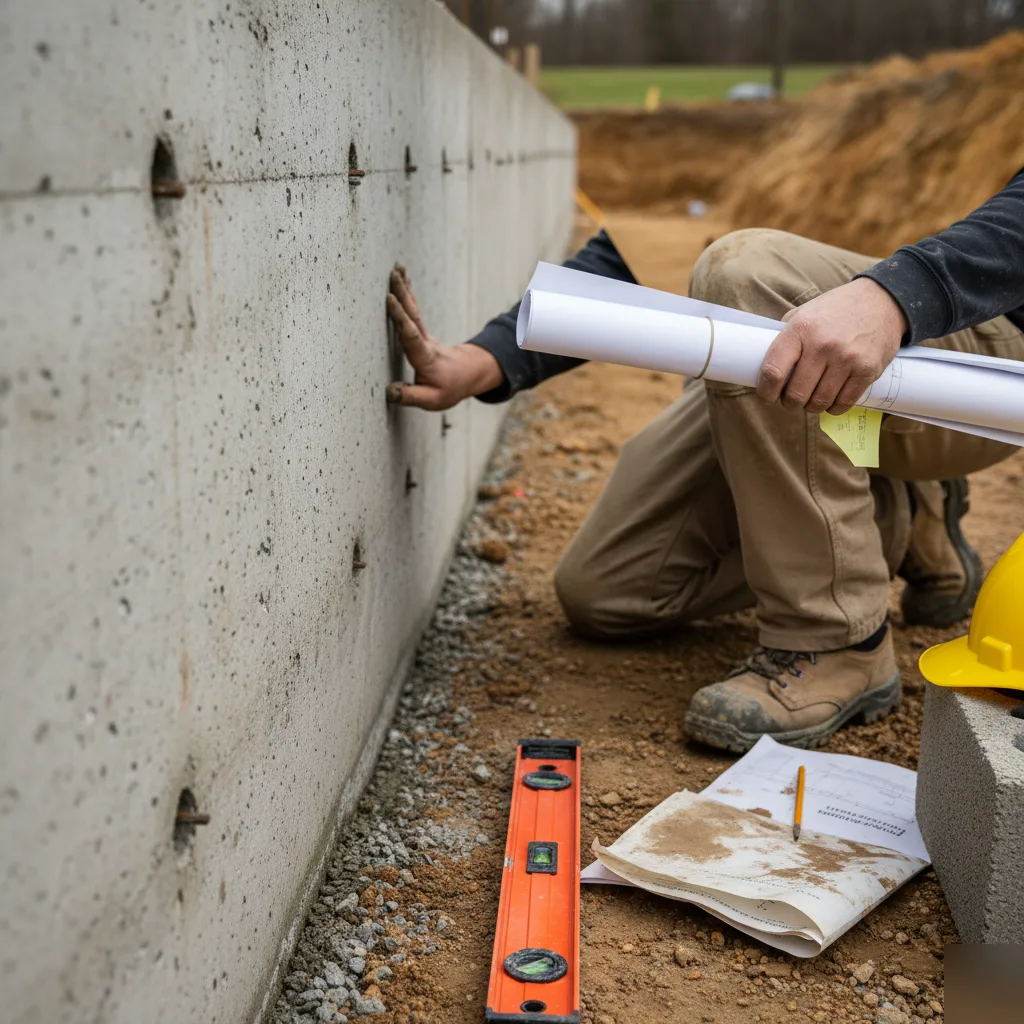
Our Approach to Foundation Design
When people mention 'foundation design services', they often imagine just a box drawn on the blueprints. That's really not all it is. We are designing the structure that everything else rests on. The entire building, all the beams and walls and floors. You start at the foundation.
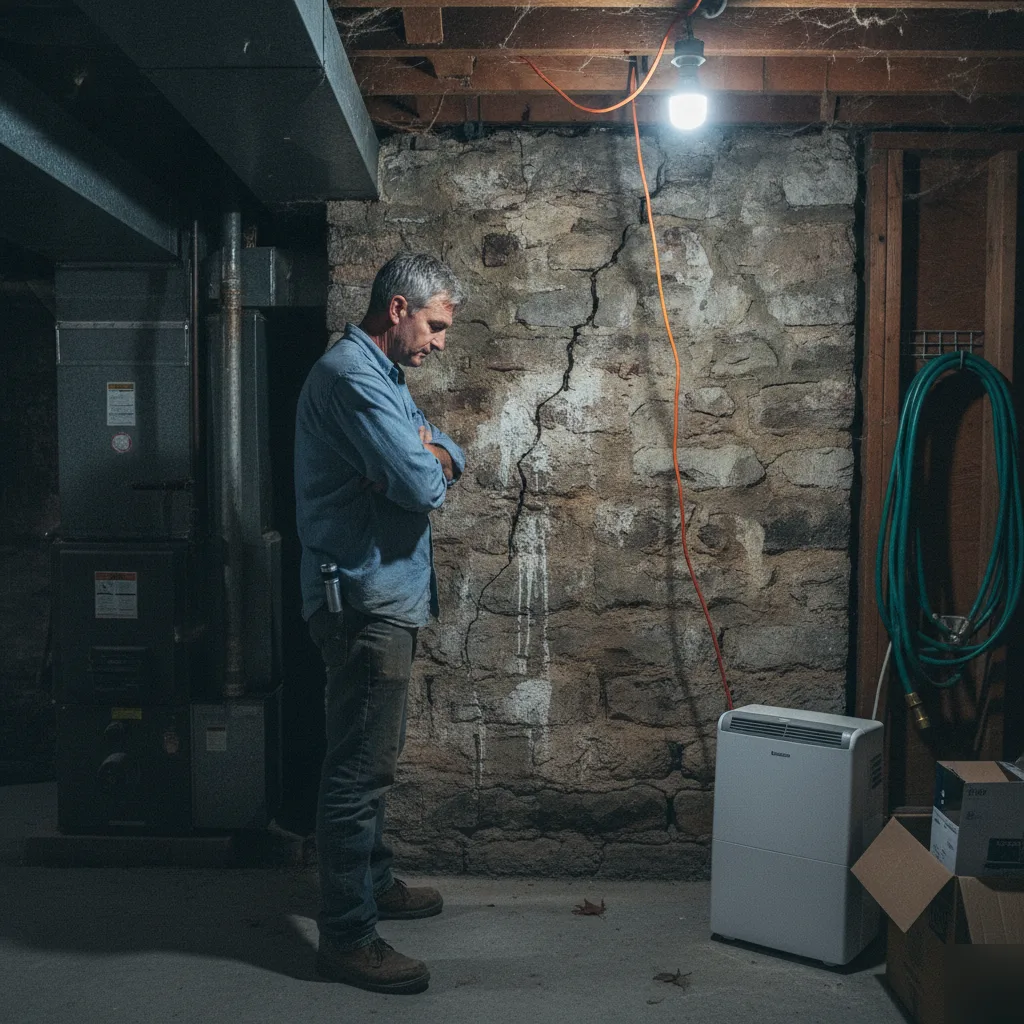
The foundation design in Clayton is often unique. We have some homes in Wydown with old stone foundations in the 20s and some older poured concrete that's been settling for decades. And when you have a newer addition, sometimes the foundation on the original structure was never meant to support it. All of those are handled in our foundation services.
Foundation Design Services
Foundation design services are much more than a box drawn on the plans. The way we approach it includes:
- Establishment of existing conditions (soil report, existing foundation conditions, signs of any distress in the existing construction)
- Calculation of the structural loads the foundation must resist due to the building that will be sitting atop the new foundation.
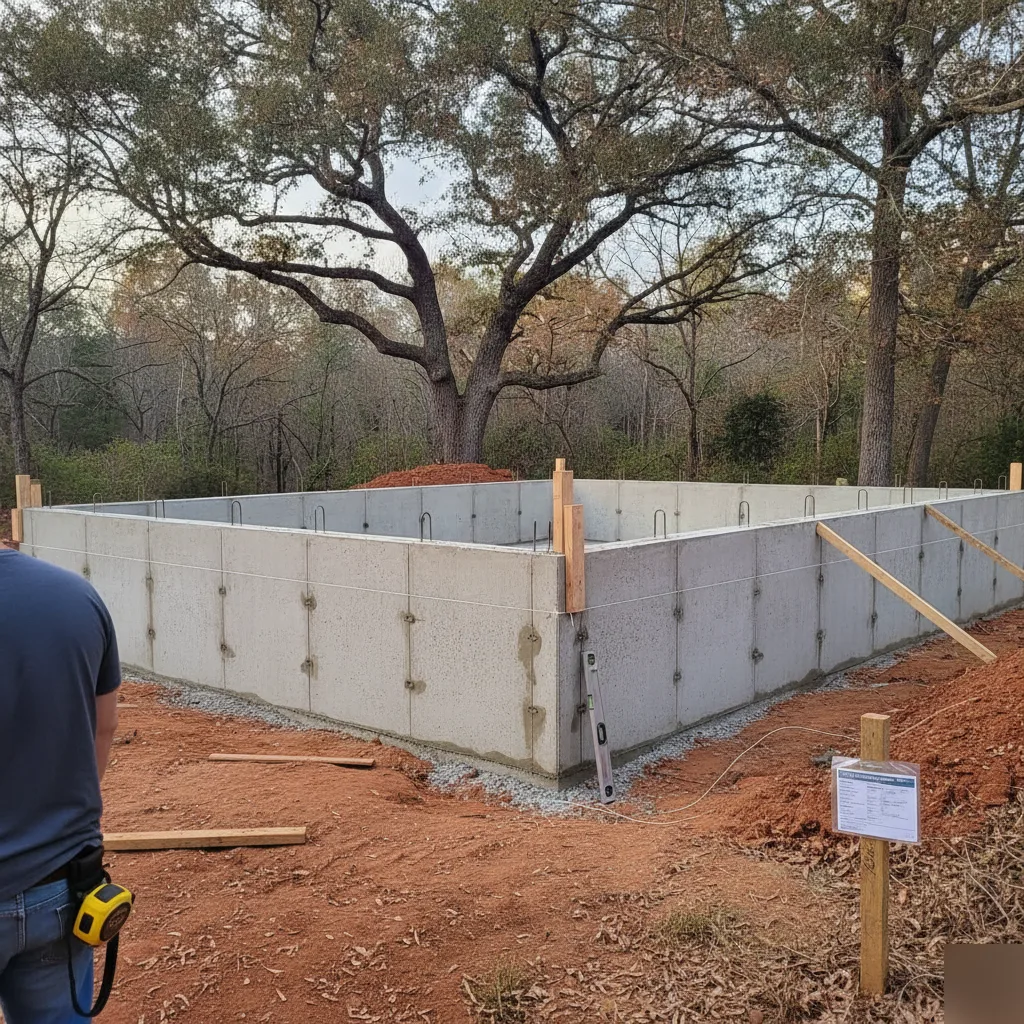
- Design of the foundation, including new footing design, slab-on-grade, stone, and modified concrete foundations
- Preparation of structural construction documents and calculations as required by the St. Louis County plan review
- Coordination with architect or designer to incorporate our foundation design in the building design.
Normally when you call us it's already partway in the process. Someone has come to the conclusion that the foundation needs to be re-designed, or you're doing an addition. Now someone says "we'll issue a permit if you provide foundation plans". We need to get you a permit as fast as we can.
Scott is familiar with what is required by the St. Louis County plan reviewer in regards to permit submittals, so our permit plans are designed to meet all the plan reviewer's needs. We make sure they are done the first time, with no guesswork or re-submittal.
We also design new foundations. But also design foundations for existing homes for those with cracking or failing foundations. Those for additions when existing foundation isn't intended to carry the additional load. Also for when load bearing walls are removed. All of this needs to be addressed at the foundation level, and we take care of that.

Foundation Design Services for Clayton Homes
You usually don't think about foundation design until you run into it. Maybe you're adding a sunroom onto your 40s brick colonial. Or St. Louis County has come back to you with "we need foundation plans". Or maybe you bought a lot in Wydown and you're going to do a whole new foundation.
We can handle that in every instance. We need to make sure you can get a permit, so we design the foundation so it will pass plan review the first time and meet code and your soil requirements. In Clayton, we most frequently encounter the following scenarios:
- Additions that require their own foundation, independent of the home, that will be connected.
- Older buildings that have stone or failing poured concrete foundations that will not be able to carry the increased load of renovation.
- New construction on infill properties, where a soil report may reveal expansive clay or inconsistent bearing capacity.
- A garage conversion or bump-out that requires a structural permit from St. Louis County.
Often times, it wasn't a homeowner's intention to hire an engineer, they were just planning a remodel. The permit office sent them back with a long list of structural drawings, including the foundation design, that was needed.
However, a structural engineer does good work by designing a foundation to support the actual loads put on it during a project; determining the required footings, depth, reinforcement, drainage details, and connection points. Without it, you're guessing and guessing results in cracks, settlement, and costly repairs a few years down the road.
Clayton, in particular, is an area with lots of older homes that have soil that was designed for loads the soil is not built to support. Especially the homes in Ellendale and Central Clayton with foundations that were poured 80-90 years ago. Any additional load, whether that's adding a story, or removing a wall, is what that foundation has to carry. We design the appropriate load and the appropriate support for it.
Additionally, if a homeowner is using the St. Louis County permit process, Scott knows what St. Louis County plan reviewers want to see. His familiarity with the process will make it so that your permit drawings have all that information in them. That is the practical value of structural engineering consulting services with real plan review experience behind them — fewer revisions and more time at your home.
How Clayton's Soil Conditions Shape Every Foundation Design
Soil is the dirt beneath your property, and it is the most critical component in building an adequate foundation. And Clayton has a unique soil.
The majority of soil we see in Clayton is expansive clay. Expansive clay expands and shrinks with changes in soil moisture. The soil swells as it absorbs water and shrinks as the soil dries. This expansion and contraction cycle can put stress on foundations. It happens so much that a homeowner near Wydown will call us about a crack in their foundation caused by that soil movement, because it wasn't addressed during design.
What Expansive Clay Does to Foundations
According to the American Society of Civil Engineers, more financial damage is done to structures by expansive soils every year than by all natural disasters, including floods, hurricanes, and earthquakes, combined. This is a very serious situation. It is also directly related to the foundation design of any home in Clayton, because the clay content is high enough to make a difference in almost every project. The following soil conditions need to be analyzed when designing your foundation:
- The soil's bearing capacity or how much pressure it can be put under without failing
- Moisture variation by season, especially when an older tree canopy shades an area of Clayton's mature neighborhoods
- How deep stable layers are from the active clay
- How the property will drain around the new structure
All those things drive real decisions. How deep do the footings go? How much reinforcement do we need? Do we go monolithic or stem wall? You can't just pick one of those from a menu. Each gets engineered based on the conditions below ground on your property.
Older houses near Shaw Park or along Brentwood Blvd have stone or poured foundations built before a single soil test ever happened. Those foundations were fine and have worked great. But if we are building a room or changing how the load travels in and through the home, we have to know more than what it was able to handle decades ago, when it was first built.
So, before we can start designing a foundation, we have to check the soil. That checks how we'll move forward with any design. If we skip the soil check, we'll just be guessing. And we don't guess.
How We Go from First Call to Foundation Permit
Most people calling us have not had occasion to hire a structural engineer in Clayton, Missouri. And that's okay. We'll guide them through every step, because when it comes to structural engineering in Clayton, you shouldn't have to guess anything.
Here's how a typical foundation design goes from first conversation to permit-ready, stamped set in St. Louis County:
- First call or meeting. Tell us what you are building or repairing in our home additions in Clayton Ellendale, new garage in Clayton MO, or basement foundation conversion in Clayton MO. We want to know your time-line, needs and what you have already (existing plans, permits).
- Check the conditions. If you are adding to, building on, or renovating an older Clayton, MO house (stone or early poured foundations), we will need to understand what's currently below ground. We'll see where we are adding to, going around, or building above what is already below the soil level.
- Check the loads. We'll determine what loads are going into the ground, and how much they will push. How much reinforcement, depth of footings, etc. It'll all depend on what's in the ground, not on assumptions.
- Structural drawings. This becomes a drawing set for structural design with information on footings, rebar, anchor bolts, and connection details. Each drawing will be stamped by the licensed P.E. in the office.
- Permit submission help. Since Scott's practical experience in getting St. Louis County plan review approval helps guide our plan preparation, we provide a permit set specifically to what the reviewer needs to look at and won't just give you a plan set and a "Good luck.". Our plan set will be complete for our clients.
A full, single-family residential permit set takes approximately one to two weeks to complete. For more complex work in Clayton, however, like a full addition with new footings connected to an existing 1940s foundation, there may be a little more lead time needed. The thing that delays us is always lack of information, not engineering! We ask all our questions upfront to prevent a delay later. We'd rather take 15 extra minutes now on the phone with you and finish your job on time than find out later that we need to revise something, pushing your job a week behind. Even after your project is under construction, we answer all of the design questions as they come up. The plan doesn't end when you obtain the final permit.
St. Louis County Permit Requirements for Foundation Work
In Clayton, any and all foundation work requires a building permit from St. Louis County. We design foundation projects in Clayton monthly, so exactly what the county requires before they will approve your drawings. A submittal package will require structural calculations, a site plan with foundation footprint, soil-bearing assumptions, and construction details based on current building code, among others. Adhering to established building design and construction standards is a core part of what makes a permit submittal complete and approvable on the first pass. If your plan is missing any of these components, you will not get approved on your first try and you risk delaying your project by weeks.
What the County Examiner Looks For
Here is a list of items that plan examiners will review when reviewing foundation drawings for St. Louis County:
- Footing details (dimensions, depth, reinforcement)
- Wall-to-structure connection detail
- Drainage and waterproofing details per county requirements
- Continuity of load path (e.g., from roof through framing to footing)
Scott has a proven track record in successfully gaining approval of plan submittals with St. Louis County plan reviewers. The drawings we produce are written with the plan reviewer specifically in mind. This goes a long way toward getting your plans approved on the first submission! We have built many new foundations on homes in the vicinity of Wydown and in older sections of Clayton that were originally built with stone foundation or poured concrete in an era that predates modern codes. When adding a new foundation to an existing structure, you must clearly show the connection between the two so the county can confirm the new foundation does not impact the existing foundation and vice versa. Scott will address this in every set of drawings we prepare.
Did you know? If you're adding square footage to your home in Clayton, the county may require an updated foundation inspection before they'll even accept your permit application. We make that easy and take care of you! Call us once and we can get your foundation design and structural permit drawings under construction at the same time. This way your project keeps moving on schedule and we have everything your permit office needs in one convenient package.
Frequently Asked Questions
Why does St. Louis County require foundation plans before issuing a permit?
St. Louis County requires foundation plans because the permit office needs proof that your foundation can safely carry the loads of your project. This is common when you're adding a room, removing a load-bearing wall, or converting a garage. Without stamped foundation drawings, the plan reviewer will send you back to start. Scott knows exactly what St. Louis County reviewers want to see, so your submittal is complete the first time and you avoid costly back-and-forth delays.
How does Clayton's expansive clay soil affect my foundation design?
Expansive clay soil swells when it absorbs water and shrinks when it dries out. That cycle puts real stress on your foundation over time. In Clayton, this is one of the most common reasons foundations crack or settle. Homes in areas like Wydown and Ellendale sit on soil with high clay content. A proper foundation design accounts for seasonal moisture changes, soil bearing capacity, and drainage details so your foundation handles that movement without failing.
My home was built in the 1940s. Do I need a new foundation design for an addition?
Yes, older foundations in Clayton were designed for the original building loads only. A 1940s poured concrete or stone foundation was never meant to carry an addition. When you add square footage, a new independent foundation is typically required for that addition. We evaluate the existing foundation conditions first, then design the new footing to match your soil and the actual structural loads of your project. This protects both your addition and your original home.
What does the foundation design process look like from my first call to permit approval?
We start by reviewing your soil conditions and any existing foundation distress. Then we calculate the structural loads your foundation must support. From there, we produce stamped construction documents and calculations ready for St. Louis County plan review. The goal is one clean submittal with no revisions. Most homeowners reach out after the permit office has already asked for foundation plans, so we move quickly to get you back on schedule.
Can a foundation be redesigned if walls are being removed inside my Clayton home?
Yes, removing a load-bearing wall changes how loads travel down to the foundation. That change has to be addressed at the foundation level, not just at the beam above the opening. We calculate the new load path and design any required footing upgrades or new bearing points. This is a common scenario in Clayton renovations, especially in older Central Clayton homes where original framing was never meant to be reconfigured.