
What a Structural Peer Review Actually Covers
A structural peer review places a second set of licensed eyes on another engineer's work. We provide the detailed verification that matters for your project.
When another engineer designs a beam, a foundation, or a load path for your Clayton project, we independently check every piece of that work. We recalculate, rather than simply rubber-stamping the plans. We verify that the original engineer's assumptions match real-world conditions, that code requirements are met, and that the drawings align with the math.
What We're Looking At
Every structural peer review we perform in Clayton covers specific items, though the scope depends on the project. We often examine:
- Load calculations for gravity, wind, and lateral forces
- Foundation design relative to actual soil conditions
- Connection details between structural members
- Code compliance with current IBC and local St. Louis County amendments
- Consistency between the structural drawings and the architectural plans
Most of the time, the original design is sound. However, we occasionally find issues: undersized headers, missing hold-downs, or foundation details that fail to account for the clay-heavy soils common near Wydown or the older neighborhoods south of Forsyth. Identifying these problems early saves money and prevents future issues.
Who Requests This
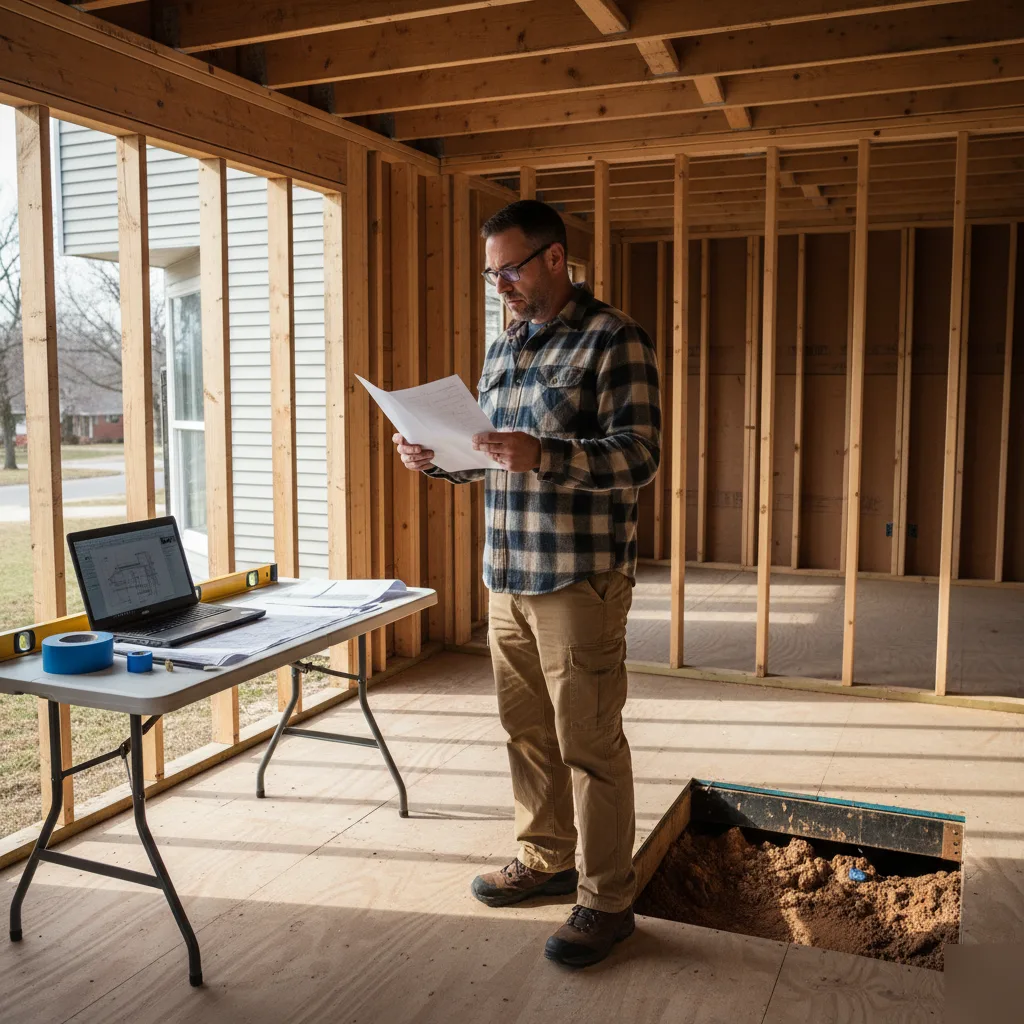
You might assume only large commercial projects require a peer review. That's not always the case. Homeowners in Clayton ask for our reviews when an engineer's permit drawings raise concerns. Architects also request them before construction begins on home additions. St. Louis County plan reviewers sometimes mandate a peer review before approving a permit, particularly for complex renovations like load-bearing wall removal in older brick homes.
Scott's direct experience in St. Louis County plan review means he knows exactly which details the examiners flag. Our peer review checks the engineering and also confirms the documentation will get through permitting without delays that is what consulting for building code compliance looks like when the person reviewing your plans has stood on the other side of the counter.
Our goal is to provide confidence: you know the structural design protecting your home or building is correct before construction begins.
When Independent Structural Review Is Required or Strongly Advised
Not every Clayton project requires a structural peer review. When one is needed, however, you typically find out quickly. The building department flags it, or your general receives a rejection letter that halts work.
St. Louis County requires independent structural review in specific situations. We commonly see these across Clayton and surrounding St. Louis County communities:
- Projects where the original engineer of record has a financial interest in the construction company
- Complex residential additions on older homes where the existing structure needs verification
- Commercial renovations involving changes to lateral force-resisting systems
- Any project where the plan examiner identifies calculations or details that need a second set of eyes
- Designs submitted by out-of-state engineers unfamiliar with local code amendments
Other situations are not technically required but strongly advised. We see this regularly. For instance, a homeowner near Wydown might buy a 1940s brick home and hire an engineer for a load-bearing wall removal. The initial plans may appear sound. However, the existing foundation might be old stone, the floor joists undersized by current standards, and the load path not fully analyzed. A structural peer review identifies these overlooked items before they result in costly change orders on the job site.
Scott's direct work within St. Louis County plan review means he knows what triggers a reviewer's concern. Having sat on the other side of the desk, he understands what gets flagged and what proceeds smoothly.
Sometimes your lender or insurance carrier requests the review, particularly for larger Clayton renovation projects exceeding a specific scope threshold. They seek confirmation that the structural design meets code, that calculations are correct, and that details are buildable.
If someone questions the structural design on your project, a peer review resolves it directly. You receive a stamped letter from a licensed P.E. with no connection to the original design. This letter carries significant weight with all parties.
The Peer Review Process from Submission to Final Sign-Off
Many clients see structural peer review as a single step. Instead, it involves a sequence of checkpoints, each designed to catch what previous stages might have missed.
When you bring a project to us in Clayton, the process follows these steps:
- Document intake. We receive the original engineer's drawings, calculations, and any supporting reports. We meticulously log every sheet and revision date to avoid assumptions.
- Code and load path review. We check every load path from roof to foundation against current building codes. For Clayton's older brick homes, this often means verifying that new steel beams properly tie into existing masonry or stone foundations, confirming the original engineer's assumptions against real-world conditions.
- Calculation verification. We independently run the numbers for member sizes, connection capacities, and lateral force resistance. If original calculations rely on software output, we also check the inputs, recognizing that precise data is essential for accurate results.
- Comment letter. We issue a detailed letter listing any discrepancies, questions, or items needing clarification. Our approach is collaborative, not adversarial. We aim for project progress, but the underlying structural math must be sound first.
- Response and resolution. The original engineer addresses our comments. This might involve a simple clarification or require revising a beam size or adding a connection detail. We review their response and confirm each item is resolved.
- Final sign-off. Once all comments are resolved, we issue our peer review letter. This letter confirms to the building department that the design meets code and the structural approach is sound.
The whole process typically takes days, not weeks. We have extensive experience in Clayton and surrounding St. Louis County communities, so what plan examiners expect in the final letter. Scott's direct experience in St. Louis County plan review means your permit drawings are built around exactly what the examiner needs to see.
Often, the comment letter itself saves the project. A small fix during the review stage prevents a larger problem during construction.
If the original design is solid, the process moves even faster. Quality engineering withstands scrutiny.
Why Missouri Clay Soils Make Foundation Review Essential
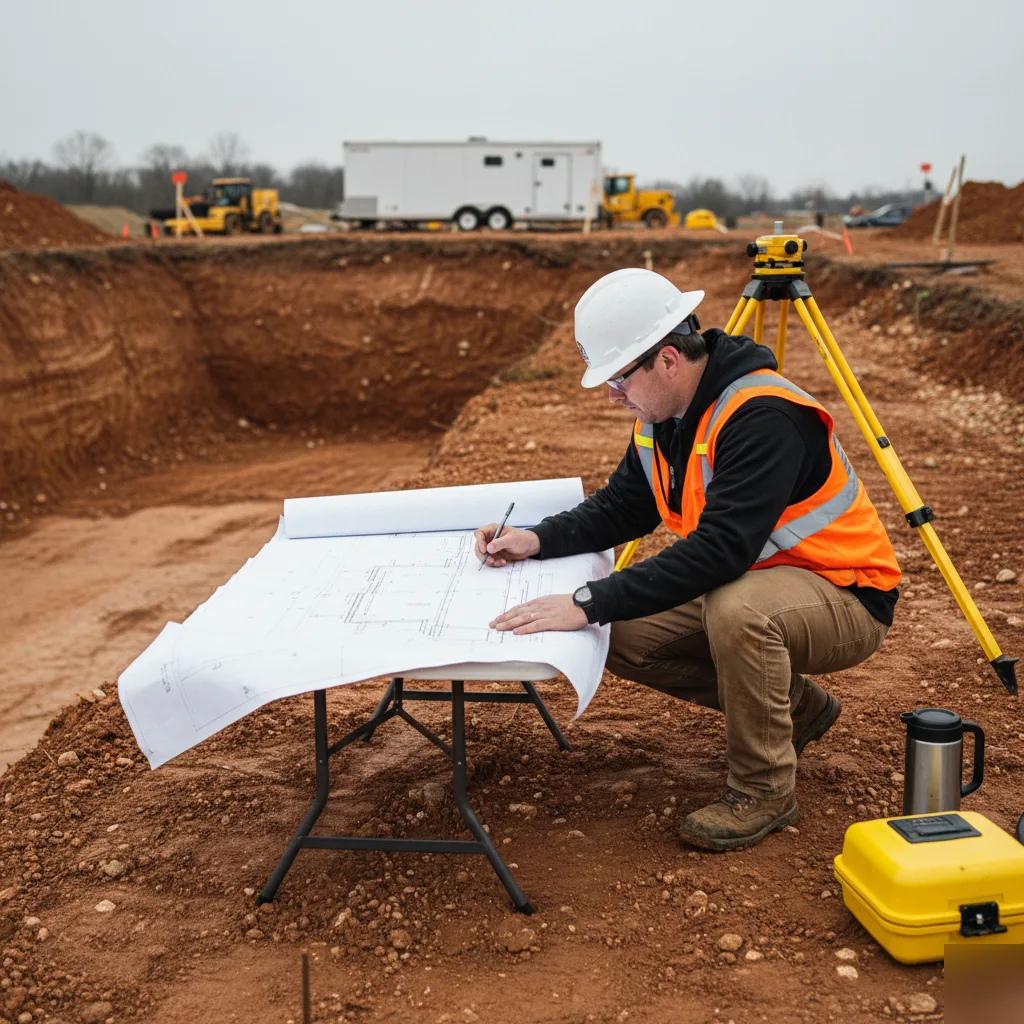
Clayton sits on some of the most reactive clay soil in the Midwest. This is a significant detail, profoundly influencing how foundations behave over time.
Missouri's expansive clay absorbs water and swells, then shrinks as it dries. This annual cycle causes foundations to shift, walls to crack, and floor slabs to tilt, often with damage becoming evident only much later. We frequently review structural plans in Clayton where the original engineer overlooked seasonal soil movement entirely. A structural peer review identifies this issue before concrete pouring.
Homes near the Wydown-Forsyth area provide a good example. Many were built in the 1930s and 1940s on stone or older poured concrete foundations. When a homeowner plans a renovation or addition, new structural loads interact with these aging foundations, and the soil conditions exacerbate the problem. A peer review examines whether the original engineer's design truly accounts for these specific real-world conditions:
- Bearing capacity assumptions based on actual Clayton soil reports, not generic values
- Adequate footing depth below the frost line and below the active clay zone
- Drainage details that reduce hydrostatic pressure against foundation walls
- Proper reinforcement for expansive soil uplift forces
Often, the structural design appears sound on paper. However, the foundation's interaction with Clayton's soil is a common area for overlooked details. A licensed P.E. who understands these local ground conditions confirms the foundation will last, preventing issues like cracking within five years.
Scott has reviewed soil reports from sites across Clayton and surrounding St. Louis County communities, seeing firsthand the rejection letters resulting from missed foundation details. When we perform a structural peer review on your project, our foundation analysis is not theoretical; it is grounded in how structures actually perform on this clay.
You can't design around soil you don't understand, and you shouldn't trust a single review to catch every interaction between new loads and old ground.
How Peer Review Protects Property Owners and Developers in Clayton
You invest in your project, whether it's a home addition in the Wydown Terrace area or a commercial renovation near the downtown corridor. You need confidence that the structural design is correct before any concrete is poured or steel is set.
Structural peer review provides that essential confidence.
A second licensed engineer reviews the original structural plans and calculations. Our aim is not to find fault with the initial engineer, but to identify any elements that may have been overlooked. This includes missed load paths, undersized connections, or foundation details that don't align with Clayton's actual soil conditions. We frequently encounter such issues, even with experienced firms.
Skipping a peer review can lead to:
- Construction delays from failed plan review at the county level
- Costly field changes when building teams discover a design conflict mid-build
- Long-term structural problems that don't show up for years
- Liability exposure for developers managing multi-unit or commercial projects
For Clayton property owners, the protection is practical. You receive a documented second opinion from an independent engineer before committing to construction. This review covers load calculations, connection details, lateral force resistance, and code compliance. The American Society of Civil Engineers recognizes independent peer review as a practice for reducing structural risk on projects of all sizes.
Developers undertaking larger Clayton projects also benefit. Lenders and insurers sometimes require peer review as a condition of financing. If St. Louis County plan examiners flag questions about a structural submission, a completed peer review accelerates the response. Scott's hands-on background with St. Louis County plan review means he knows which details receive scrutiny and which ones proceed smoothly.
Most of the time, the original design is solid. However, we sometimes uncover issues that save clients tens of thousands of dollars and months of headaches. A structural peer review does not slow your project; it prevents later delays.
Frequently Asked Questions
Does St. Louis County actually require a structural peer review, or is it just recommended?
St. Louis County does require independent structural review in specific situations — it's not always optional. Plan examiners in Clayton can flag a project and halt permitting until a peer review is complete. This commonly happens with complex residential additions, load-bearing wall removals in older brick homes, and designs submitted by out-of-state engineers unfamiliar with local code amendments. Getting a peer review early avoids a rejection letter that stops your contractor mid-project.
What happens if the peer reviewer finds a problem with the original engineer's design?
We issue a comment letter that clearly describes every discrepancy or item needing clarification. Most issues are straightforward — a revised beam size or an added connection detail. The original engineer responds, makes corrections, and we confirm each item is resolved before issuing final sign-off. The process is collaborative, not adversarial. Our goal is to keep your project moving forward with structurally sound plans.
Why do Clayton's older homes often need extra scrutiny during a structural peer review?
Older Clayton homes — especially brick homes near Wydown or south of Forsyth — have conditions that newer construction doesn't. You may have old stone foundations, undersized floor joists by current standards, and clay-heavy soils that affect bearing capacity. An original engineer working remotely can miss these details. A local peer review catches things like missing hold-downs or foundation details that don't account for actual soil conditions before construction begins.
How long does the structural peer review process typically take?
The timeline depends on project complexity and how quickly the original engineer responds to comments. Most residential peer reviews in Clayton move through document intake, calculation verification, and comment resolution within one to two weeks. If the original engineer needs to revise drawings, that adds time. Starting the peer review before your permit submission — not after a rejection — keeps your project on schedule.
Can a homeowner request a structural peer review, or is it only for contractors and architects?
Homeowners in Clayton request peer reviews regularly, and you don't need to be a contractor or architect to do it. If an engineer's permit drawings raise concerns, or if your lender or insurance carrier asks for independent confirmation, you can bring the plans directly to us. You receive a stamped letter from a licensed P.E. with no connection to the original design — and that letter carries real weight with plan examiners, lenders, and contractors.