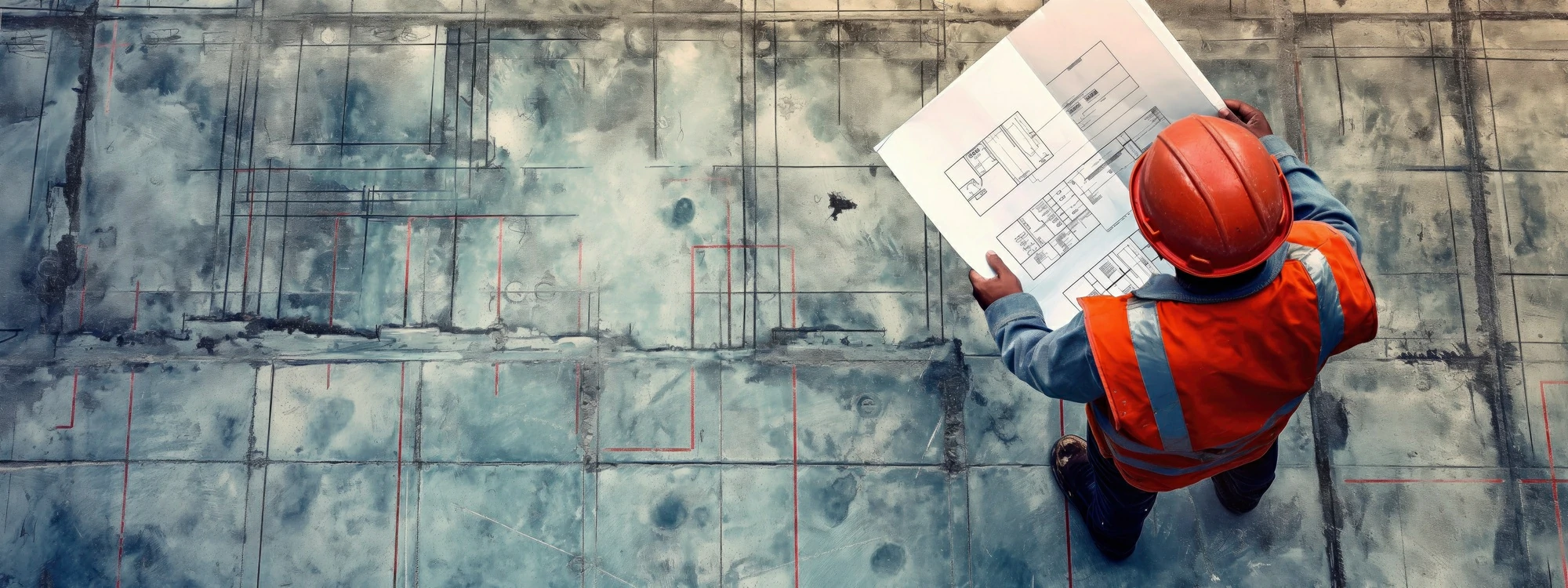
Warning Signs That Mean You Need a Structural Inspection Now
Most people don't call about a structural damage inspection because they woke up curious. Something caught their eye. A crack that wasn't there last winter. A door that used to close fine but now sticks every time. That's usually the moment.
Here's what the team sees over and over again in Chesterfield homes, especially in neighborhoods like Wildhorst and Chesterfield Village. The signs aren't always dramatic. But they add up fast.
- Diagonal cracks running from the corners of windows or door frames toward the ceiling
- Floors that feel uneven or bounce more than they should when you walk across them
- Gaps forming between the wall and the ceiling or between the wall and the floor
- Basement walls bowing inward, even slightly
- Exterior brick showing stair-step cracks along the mortar joints
A homeowner notices one of those and tries to explain it away. Settling. Old house. Normal wear. And sometimes that's true. But a horizontal crack in a basement wall isn't settling. That's lateral soil pressure, and it gets worse with every freeze-thaw cycle we get here in Chesterfield.
A cracked drywall seam in a hallway might be cosmetic. A crack that's wider at the top than the bottom, running at an angle? That's telling you something is moving. According to the American Society of Civil Engineers, roughly 30% of U.S. homes have some form of structural deficiency. Your home doesn't have to be old to have a real problem.
So what should actually make you pick up the phone? Any crack wider than a quarter inch. Any door or window that recently stopped operating right. Any visible sagging in a roofline or floor. And especially any change that happened fast, like after a heavy storm or a plumbing leak you didn't catch right away.
The team looks at these signs every week. Most of them don't turn into major repairs. But the ones that do are always cheaper to fix when they're caught early. Waiting another six months doesn't make a structural problem smaller.

Why a Structural Specialist Sees What a General Inspector Misses
A licensed home inspector does a solid job checking HVAC systems, roofing, plumbing, and electrical. But structural damage isn't their specialty. They're looking at a hundred different things in a few hours. The team here focuses on one thing only: how your building carries load and whether something has changed.
That difference matters more than most people realize.
A general inspector might note a crack in the basement wall and call it "monitor." A structural engineer measures the crack width, checks for horizontal displacement, looks at the soil conditions around your Chesterfield foundation, and tells you whether that crack means the wall is actively moving or just settled years ago. Those are two very different answers, and they lead to very different next steps.
Here's what a structural specialist catches that often gets missed or downplayed:
- Deflection in floor joists that hasn't caused visible damage yet but exceeds code limits
- Shear cracking patterns in masonry that signal foundation rotation, not just settling
- Beam connections that were modified during a past renovation without proper engineering
- Roof framing that's been overstressed by added layers of shingles or HVAC equipment
The team sees this constantly in older homes around Chesterfield Valley and the neighborhoods near Wild Horse Creek Road. A lot of those houses have had additions, finished basements, or walls removed over the decades. Some of that work was done right. Some wasn't. A general inspection report won't tell you which category your home falls into.
The homeowner who calls already has a gut feeling something isn't right. Maybe the doors started sticking. Maybe there's a new crack above a window that wasn't there last spring. A general inspector might say "typical settling," but typical settling doesn't usually show up twenty years into a home's life out of nowhere.
Licensed structural engineers are trained to read a building the way it actually behaves under load. Not just what it looks like on the surface. That's the gap between a checklist and a diagnosis.
What the Inspection Process Covers From First Call to Final Report
Most people who call have already noticed something wrong. A door that won't close right, a crack that keeps growing, a floor that feels soft in one spot. The first thing the team does is listen. Your description of the problem tells us a lot before we ever set foot in your home.
Here's how a structural damage inspection actually moves from that first conversation to a finished report:
- Phone consultation. You describe what you're seeing. The team asks about your home's age, any recent storms or renovations, and whether the issue appeared suddenly or over time. This helps us show up prepared.
- On-site visual assessment. A licensed engineer walks the property inside and out. Cracks in foundation walls, sagging beams, shifted framing, damaged floor systems. Everything gets documented with photos and measurements.
- Component-level evaluation. The team checks load paths from roof to foundation. That means looking at how weight transfers through your walls, headers, columns, and footings. If something has been compromised, this is where it shows up.
- Condition documentation. Every finding goes into a written report with photos, diagrams, and plain-language explanations. No engineering jargon you'd need a dictionary for.
- Recommendations and next steps. The report includes what needs repair, what's stable for now, and what requires immediate attention. If structural repair design or permit drawings are needed, the team can handle that too.
Chesterfield homeowners are often relieved once they see the report. Not because the news is always great, but because they finally have a clear answer. That uncertainty is the worst part.
The whole process usually takes one site visit. Homes in the Wildhorse and Chesterfield Valley areas often have specific soil and drainage conditions that affect foundations differently than homes on higher ground, so the team factors local conditions into every assessment. Your report typically arrives within a few business days. And it's stamped by a licensed structural engineer, which matters if insurance or a municipality needs to see it.
According to the American Society of Civil Engineers, deferred maintenance on residential structures is one of the leading contributors to long-term structural failure. That's exactly why getting a clear report early saves money later.
Post-Storm Structural Assessment for Wind, Hail, and Impact Damage
A bad storm rolls through Chesterfield and everything looks fine from the curb. Then you notice a door that won't close right. Or a crack in the basement wall that wasn't there last week. That's when most people pick up the phone.
Storm damage isn't always obvious. Wind can shift a roof structure just enough to change how loads transfer through your walls and down to the foundation. Hail batters roofing materials, but the real concern is what happened underneath. Impact from fallen trees or debris can crack framing members you'll never see without pulling back drywall. The visible stuff is rarely the whole story.
The team handles storm and wind damage assessment by looking at the full load path, not just the surface. Here's what that process looks like after a major weather event:
- Walk the exterior and document visible damage to the roof line, siding, soffits, and foundation walls.
- Check interior spaces for new cracks, shifted door frames, uneven floors, or signs of water intrusion that point to structural movement.
- Evaluate the roof framing and connections from inside the attic, looking for racked trusses, split rafters, or pulled fasteners.
- Assess the foundation for new settlement or lateral displacement caused by saturated soils or hydrostatic pressure.
- Produce a written report with photos, findings, and repair recommendations that your insurance adjuster can actually use.
Insurance companies typically want documentation from a licensed engineer before approving a structural claim. A contractor's opinion alone usually won't get it done. Your adjuster needs to see specific damage tied to specific structural elements, with clear language about what failed and why.
Homes in the Wildhorse Creek area and along the Chesterfield Valley floodplain deal with this more than most. Saturated soil after heavy rain puts extra lateral pressure on basement walls, and high winds across those open stretches hit harder than in sheltered neighborhoods. According to the Federal Emergency Management Agency, even moderate wind events can cause hidden structural damage that worsens over time if left unaddressed.
Don't wait for a crack to spread. If your home took a hit during a recent storm, getting a structural damage inspection now saves you from a bigger repair bill six months down the road.
New Construction and Pre-Purchase Inspections in Chesterfield
Brand new doesn't mean problem-free. The team sees structural issues in new construction more often than most people expect. A framer misreads a plan, a header gets undersized, a foundation pour doesn't match the engineer's specs. These things happen on job sites every week across Chesterfield, and they don't always get caught before drywall goes up.
A new construction inspection catches what a standard home inspection misses. General home inspectors look at systems, outlets, HVAC, plumbing. But they're not licensed to evaluate whether your floor joists are properly sized or whether that beam over your garage is carrying load the way it should. That's where a structural damage inspection fills the gap.
For buyers looking at existing homes, especially in established Chesterfield neighborhoods like Clarkson Valley or the Wildwood border areas, a pre-purchase structural inspection is even more important. Older homes settle. Cracks appear. And sellers aren't always upfront about past water intrusion or foundation repairs. The team evaluates the actual condition of load-bearing elements before you sign.
Here's what a pre-purchase inspection typically covers:
- Foundation walls and footings for cracking, displacement, or signs of past movement
- Floor framing and subfloor systems for deflection or rot
- Roof structure and load paths, especially on homes with additions
- Visible signs of prior repairs that may not have been engineered properly
The buyer who calls has usually already noticed something during the walkthrough. A door that sticks. A floor that slopes toward one corner. They want to know if it's cosmetic or something deeper. That answer changes the entire negotiation.
For new builds, don't assume your municipality's code inspector caught everything. According to the International Code Council, structural plan review and field inspection serve different functions. The field inspector has minutes per visit. The team takes the time to verify what's actually built matches what was designed.
If you're closing on a home in Chesterfield, whether it was built in 1985 or 2024, getting a structural evaluation before you commit is the smartest money you'll spend on the transaction. Call before you close.
Frequently Asked Questions
How long does a structural damage inspection take in Chesterfield?
Most inspections require one site visit, usually lasting two to three hours depending on your home's size and what we find. After the visit, you'll receive a written report with photos and plain-language explanations. Chesterfield homes with finished basements or past renovations sometimes take a bit longer because we're tracing load paths through modified framing. You won't be waiting weeks for answers.
What's the difference between a structural inspection and a regular home inspection?
A structural inspection focuses only on how your home carries load and whether something has changed. A general home inspector covers HVAC, plumbing, electrical, and roofing in a few hours. They might note a crack and say 'monitor it.' A structural engineer measures that crack, checks for movement, and tells you whether it's active or old. Those are very different answers that lead to very different decisions.
What are the most common warning signs Chesterfield homeowners should watch for?
The signs we see most often in Chesterfield include diagonal cracks at window and door corners, floors that bounce or feel uneven, basement walls bowing inward, and stair-step cracks in exterior brick. Horizontal cracks in basement walls are especially serious here. Chesterfield's freeze-thaw cycles put real lateral pressure on foundation walls every winter. Any crack wider than a quarter inch or any sudden change after a storm is worth a call.
Do older homes near Wild Horse Creek Road need more frequent structural inspections?
Homes in that area often have decades of additions, removed walls, and finished basements behind them. Some of that work was done with proper engineering. Some wasn't. That history makes structural checks more useful, not less. We regularly find modified beam connections and overstressed floor joists in older Chesterfield homes that look fine on the surface but have real load-path problems underneath.
What happens if the inspector finds a serious problem during the inspection?
You'll know before you leave the site. The team walks you through every finding in plain language during the visit. The written report follows with photos, diagrams, and clear recommendations. If the issue needs repair drawings or permit documents, we can handle that too. Finding a problem early is always better than waiting. Most structural issues are far less expensive to fix when they're caught before they get worse.
Should I get a structural inspection before buying a home in Chesterfield?
Yes, especially if the home has had renovations, a finished basement, or any walls removed. A standard buyer's inspection won't catch deflection in floor joists or shear cracking patterns in masonry. In Chesterfield, where many homes have been updated over the decades, a structural review gives you a real picture of what you're buying. It's one of the few things that can change your negotiation or save you from a costly surprise.