How Do I Know If My Wall is Actually Load Bearing Before I Call Anyone?
Load-Bearing Walls and Partition Walls Are Not the Same Thing
Every wall in your home has one of two jobs. It holds up part of the house, or it just breaks up a room. That's all. Trying to tell them apart inside a finished space? That's tougher than people think, the team sees homeowners mess this up constantly. People look at a wall and assume they can just know.
A load-bearing wall carries the actual weight of your roof, your upper floors, or both down into the foundation. It's a key part of the structural system. A partition wall just separates rooms, that's it. It supports drywall and maybe a picture, nothing else.
What a Load-Bearing Wall Actually Does
Think of your home's framing like a chain. The roof pushes weight down onto beams or joists. These joists need support underneath. That support often comes from a load-bearing wall, sitting on top of a beam in your basement or crawl space. Many Chesterfield homes, particularly those built from the 1970s through the 1990s, have a main load-bearing wall running down the center of each floor. It almost always lines up right over the main beam below it.
Remove that wall without proper structural engineering, and the chain breaks. Your floors will sag. Ceilings crack. Doors won't close like they should. The team has been in homes where someone, a previous owner usually, took out a wall years ago, and the slow damage still shows up.
What a Partition Wall Looks Like
Partition walls are simpler. They don't line up with anything structural below them. Often, they run parallel to the floor joists, not across them. You'll find them between bedrooms, inside closets, or dividing bathrooms from hallways. They usually feel a bit thinner too, but that's not always a sure sign.
Here's the problem, though. Some partition walls get built the same way as load-bearing ones. Same 2x4 studs. Same drywall. They look identical from the outside. So, you can't just knock on a wall and know its job., it's a common misconception.
Here are the key differences between the two:
- A load-bearing wall runs perpendicular to floor joists and sits over a beam, foundation wall, or another load-bearing wall below.
- A partition wall typically runs parallel to the joists; it doesn't support anything above it.
- Load-bearing walls are almost always found in the center of a home's floor plan, not just along exterior edges.
- Partition walls can be moved or removed without any structural changes to your home.
This is where people get stuck. You can find a few clues yourself. But confirming what a wall actually holds requires looking at the full load path from roof to foundation. That means checking joist direction, how far they span, where they bear, and what's happening in your basement or crawl space underneath.
Most homeowners in Chesterfield call us about this when they're planning a kitchen remodel or want to open up a living area. The contractor says "that wall might be load-bearing," and suddenly the whole project feels uncertain. That uncertainty is completely normal. It just means you need a professional to look at the structure before any demolition starts, that's just how it works.
If you're trying to figure out if a wall in your home is load-bearing, the team can help. We've done this hundreds of times.
One more thing: exterior walls are almost always load-bearing. That part is straightforward. The tricky ones are interior walls that look like they could go either way, those are the ones that need a trained eye and sometimes a look at your home's original framing plans or an on-site inspection to confirm.
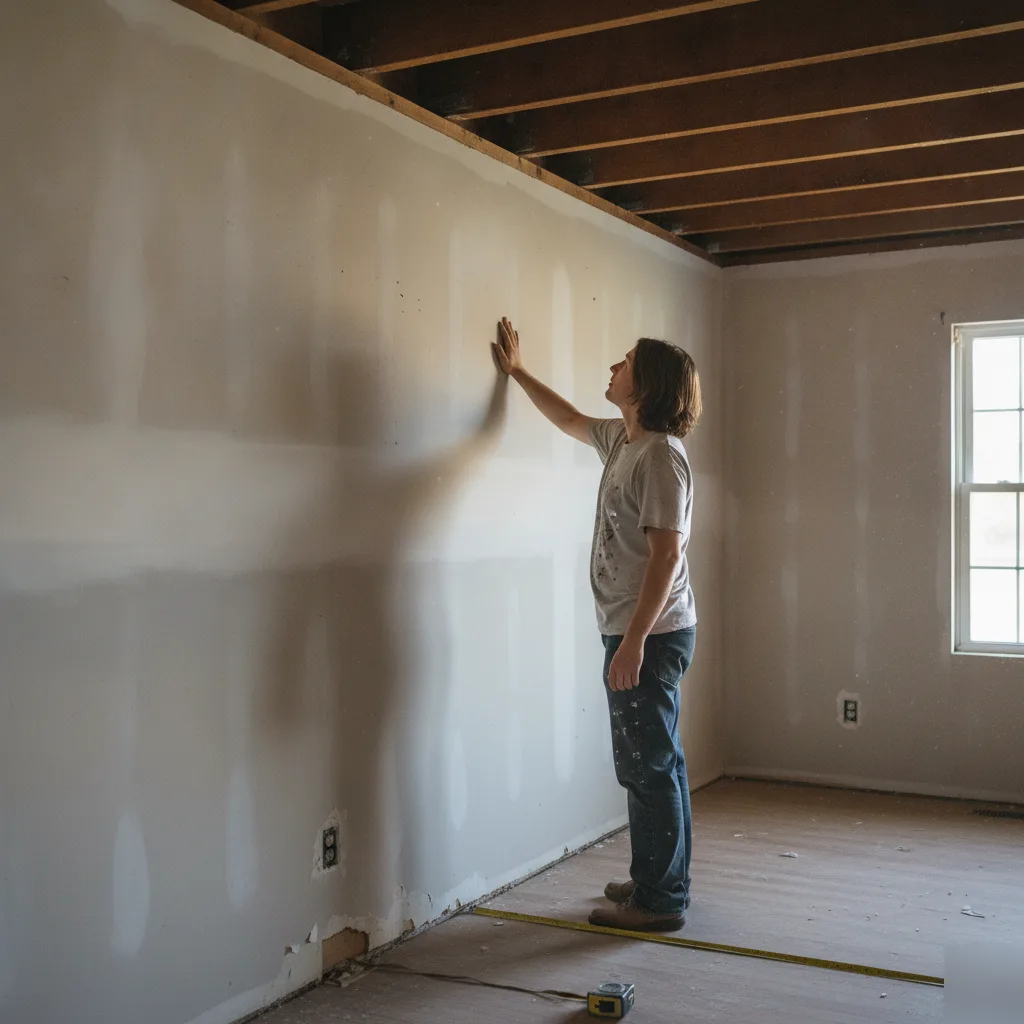
Five Visual Clues That Suggest a Wall Carries Load
You don't need an engineering degree to spot some hints. Most load-bearing walls have a few common traits you can just see. None of these clues prove anything by themselves, but put two or three together and you're looking at a wall that almost certainly holds up your house. Visit our load-bearing wall removal page to see how the process works from the initial inspection through getting stamped drawings.
Here's what to look for before you pick up the phone:
The wall runs perpendicular to your floor joists. Go to your basement or crawl space. Look up at the joists. If a wall sits right above and runs across those joists at a right angle, it's likely picking up load. In many Chesterfield homes from the 1980s and 1990s subdivision boom, the main floor has a long center wall running the length of the house. That wall is almost always load-bearing, we see this constantly.
There's a beam or column directly below it. Head downstairs and stand under the wall you're questioning. See a steel beam, an LVL, or a thick wooden post holding things up? That support isn't for show, it's carrying the weight your wall sends down. No one installs a steel column just for decoration, right?
The wall sits near the center of the house. Exterior walls carry load by default, that's a given. Interior walls near the middle of a floor plan often do too, they cut the span of your floor joists in half. The team sees this constantly in ranch-style homes around Chesterfield and Wildwood. A wall running down a main hallway is likely doing real structural work.
The wall stacks directly above a wall on the floor below. Step back and think about your floor plan in three dimensions. If a first-floor wall lines up perfectly with a basement wall, and both line up with a roof ridge or bearing point in the attic, that's a continuous load path. Loads travel straight down through your home. Walls that stack are a big part of that path, you need to follow it. Understanding roof framing structural design details can help you see how that load path connects from the ridge all the way down through your walls.
You can see doubled-up framing at the top plate or around door headers. If you can access any exposed framing in an unfinished spot, maybe in a closet or attic, look at the top of the wall. Load-bearing walls typically have a double top plate, meaning two horizontal boards stacked. A single top plate usually means a partition wall. And if a doorway in that wall has a thick, solid header, not just a flat 2x4 on its side, the builder expected that wall to hold weight.
Here's a common scenario for the team. A homeowner in Chesterfield wants to open up the kitchen. The contractor tells them "that wall's probably not structural." But the wall runs perpendicular to the joists, sits right over a basement beam, and has doubled top plates. Three strong clues, all pointing the same direction.
That's not a wall you take out without structural engineering. You just don't. And what most people miss is this: even walls that don't look super structural sometimes carry partial loads or brace against lateral forces. A wall might only support a small section of ceiling joists, but removing it still causes sag over time. These visual clues get you 80% of the way there. The other 20% needs someone who can read your framing and do the actual calculations.
If you're seeing two or more of these signs, your next step is getting a professional to look at the wall before any demo starts. Getting the answer right now saves you from permit headaches and expensive fixes later., it's the smart play.
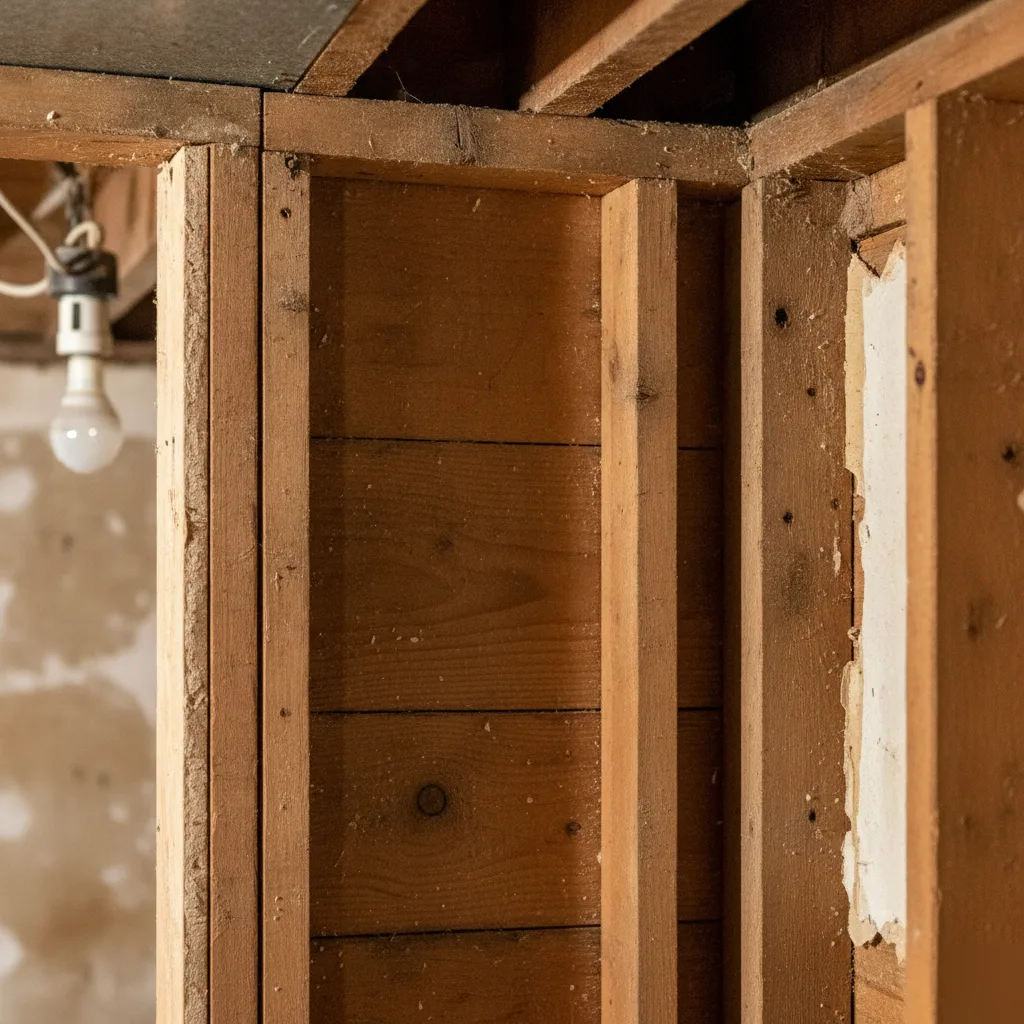
Why These Clues Are Harder to Read in Split-Level and Ranch Homes
Most online advice about spotting a load-bearing wall assumes a straightforward two-story house with a basement. That's not what much of Chesterfield looks like. Our neighborhoods are packed with split-levels, ranch homes, and raised ranches, many built from the 1960s to the 1990s. These floor plans make judging a wall's job tougher, the structural logic just changes.
In a standard two-story, you can usually look at the basement and trace the support path straight up. A beam runs one way, joists span across it, and walls above follow that line. Simple. But a split-level breaks that pattern. You've got floor levels offset by half a story, walls carrying loads at different heights, and framing that shifts direction as it steps up or down between levels. It's a completely different ballgame.
Here's what that actually means for you. A wall on the main level of a split-level might carry the roof above it. It could also transfer loads sideways to the lower level. That wall won't look special inside. It might even seem like a short partition between your kitchen and a hallway. It's doing real structural work that you can't see, even the most experienced contractor can miss this.
Ranch Homes Hide Load Paths in the Ceiling
Ranch-style homes have their own challenge. Because there's no second floor, people assume most interior walls are just partitions. This is a common mistake the team sees constantly. Many ranch homes in Chesterfield use a center bearing wall to support the roof ridge or ceiling joists at mid-span. The joists in these homes often span the full width of the house, they need support somewhere in the middle.
That "somewhere" is usually a wall running down the center of the home. It might be your hallway wall. It could be the wall between the living room and bedrooms. It almost never has any visible clue it's load-bearing unless you get into the attic and look at how the rafters or trusses actually sit, that's the only way. This is where wall scanning technology really helps.
According to the International Residential Code, ceiling joists spanning more than about 12 feet in most lumber species need intermediate support. In a 30-foot-wide ranch, that puts a load-bearing wall right in the middle of your floor plan. It's just math.
Renovations Make It Worse
Many Chesterfield homes in areas like Clarkson Valley and Wildwood-adjacent spots have been remodeled at least once. Previous owners might have moved walls, added rooms, or finished basements without permits. When that happens, the original load path changes. Sometimes, it changes in ways that aren't obvious, even to experienced contractors.
The team regularly sees homes where a load-bearing wall was partly removed and a header was added, but the header is too small. Or a wall got moved six inches during a kitchen remodel, and now it's not sitting over the beam below. These aren't always catastrophic failures waiting to happen. They do mean the usual visual clues won't help you, and the structure is compromised, We find this quite often, unfortunately.
So if you're standing in a split-level or ranch home trying to figure out if a wall is load-bearing, the honest answer is the clues are much harder to read in these layouts. The joist direction might change between rooms. The attic framing might not match what you'd expect. And past renovations could have shifted things around in ways you can't see.
This is exactly the kind of situation where a load-bearing wall removal assessment from a structural engineer saves you from a costly guess. If you're planning any wall changes in your Chesterfield home, the team can look at your specific framing and give you a clear answer before any demolition starts. You don't want to find out the hard way.
Frequently Asked Questions
Can I tell if a wall is load-bearing just by knocking on it?
No, knocking on a wall will not tell you if it carries load. A hollow sound just means there's a cavity inside — both load-bearing walls and partition walls can sound the same. The real clues are structural: where the wall sits in the floor plan, what's directly below it in the basement, and how the floor joists run. Sound alone is one of the most common misconceptions homeowners in Chesterfield bring up. Don't rely on it.
Do all interior walls in a Chesterfield home need to be checked before removal?
Not every interior wall is load-bearing, but you should never assume one is safe to remove without checking first. Many Chesterfield homes built during the 1970s through 1990s subdivision boom have a long center wall running the length of the main floor. That wall almost always carries load. Walls between bedrooms or inside closets are often just partition walls. The problem is they look identical from the outside. Always confirm before any demolition starts.
What's the difference between a load-bearing wall and a partition wall?
A load-bearing wall carries the weight of your roof or upper floors down to the foundation. A partition wall just divides rooms — it holds up nothing structural. Load-bearing walls usually run perpendicular to floor joists and sit over a beam or foundation wall below. Partition walls typically run parallel to joists and don't line up with anything structural underneath. Both use the same 2x4 framing and drywall, so they look the same from inside your finished home.
When should I stop guessing and call a professional about a wall?
Call a professional before any demolition starts — not after. Visual clues like joist direction and beam placement can point you in the right direction, but they don't confirm the full load path from roof to foundation. If your contractor says a wall might be load-bearing, that's your signal to get a real answer first. Our load-bearing wall removal consultation gives you a clear answer before you commit to anything. One inspection can save you from serious structural damage later.
Are exterior walls always load-bearing in Chesterfield homes?
Yes, exterior walls are almost always load-bearing. That part is straightforward. The tricky walls are interior ones — especially those running down the center of a ranch-style home or along a main hallway. In many Chesterfield and Wildwood neighborhoods, those center interior walls carry just as much load as any exterior wall. Exterior walls are a safe assumption. Interior walls need a closer look before you make any decisions about moving or removing them.
What happens if a load-bearing wall is removed without proper support?
Removing a load-bearing wall without proper support causes real damage over time. Floors will start to sag. Ceilings crack. Doors stop closing the way they should. The team has been in Chesterfield homes where a previous owner removed a wall years ago, and the slow structural damage is still showing up today. This isn't a quick fix once it happens. Getting the right support in place before removal is always the right call — not something to figure out after the fact.