How long does a foundation inspection take in Chesterfield?
The Typical Duration
If you're wondering how long does a foundation inspection take in Chesterfield, the answer for the most part is 2 to 4 hours.
That refers to the hours the engineer is actually on-site with you, looking at the foundation, crawl space, and any visible structural components you have. This time range will depend on your home's particular situation and layout. A thorough assessment is built around your home, not a stopwatch.
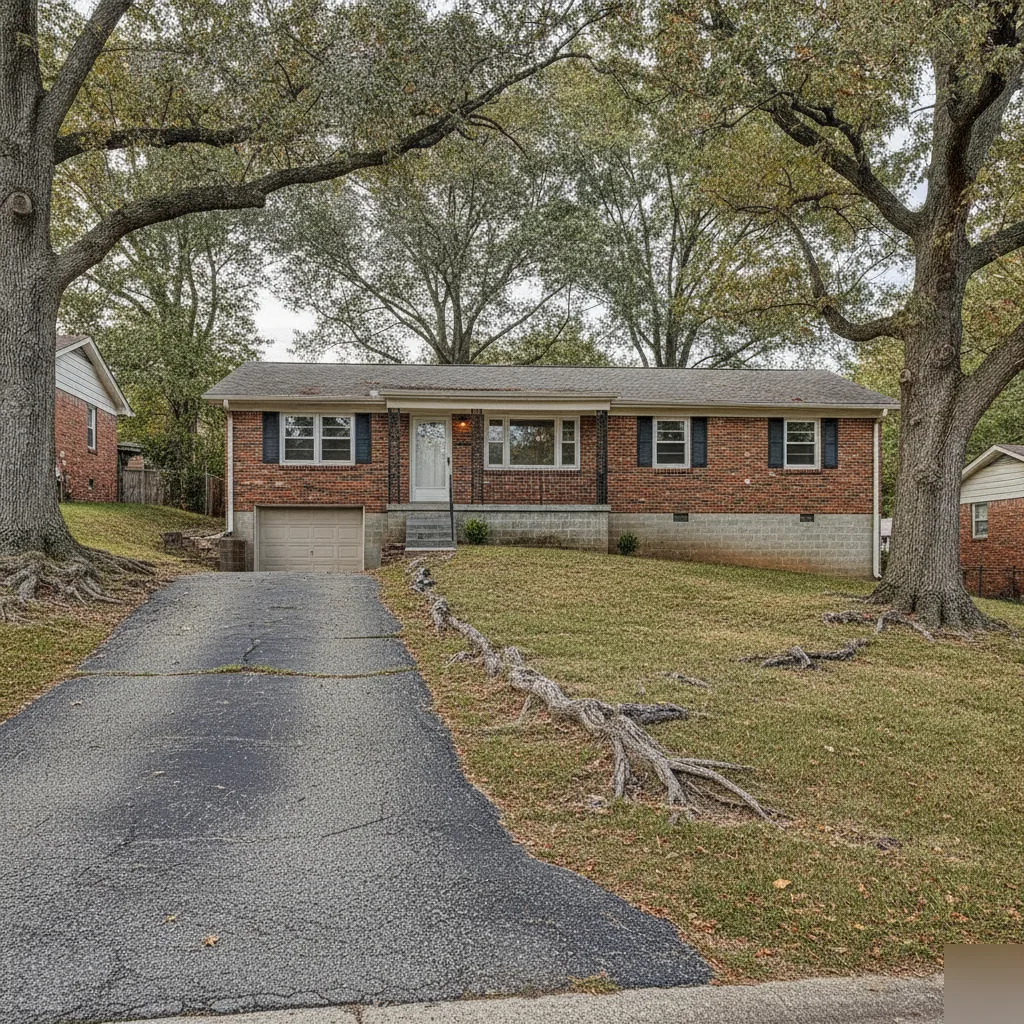
A one-story bungalow in Chesterfield Valley with a slab foundation could be done in under 2 hours; a 3,500 square-foot home in the Wild Horse Creek area with a full basement, finished lower level, and sunroom additions is going to take longer than 3 hours.
Where Does The Time Go?
A foundation inspection is more than just walking around and looking for cracks. It's a process and the time taken is necessary for a thorough inspection:
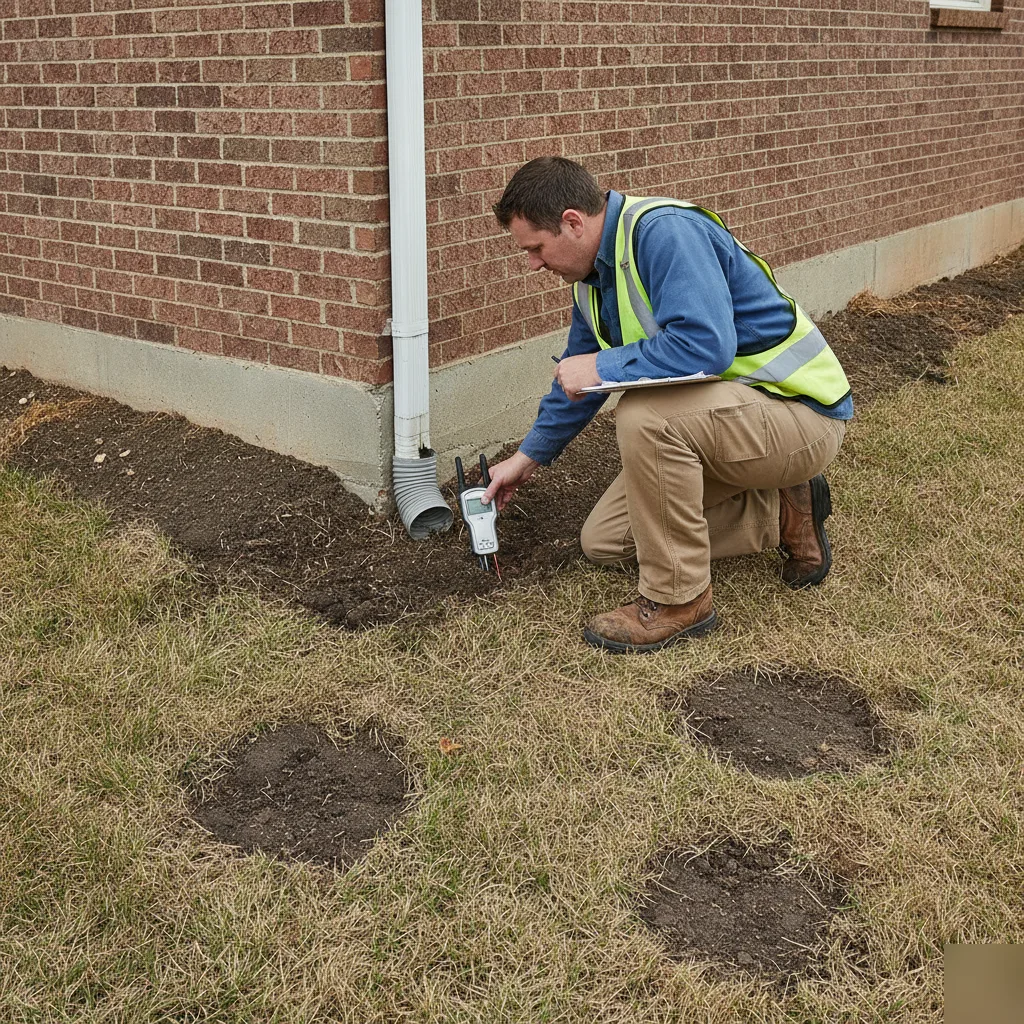
- The first step is an exterior inspection of the home, looking for visible signs of cracks in the concrete foundation and looking for signs of shifting or poor drainage.
- After the exterior, they'll go room by room checking every room on the main level of your home, looking at wall cracks, floor levelness, and signs of moisture.
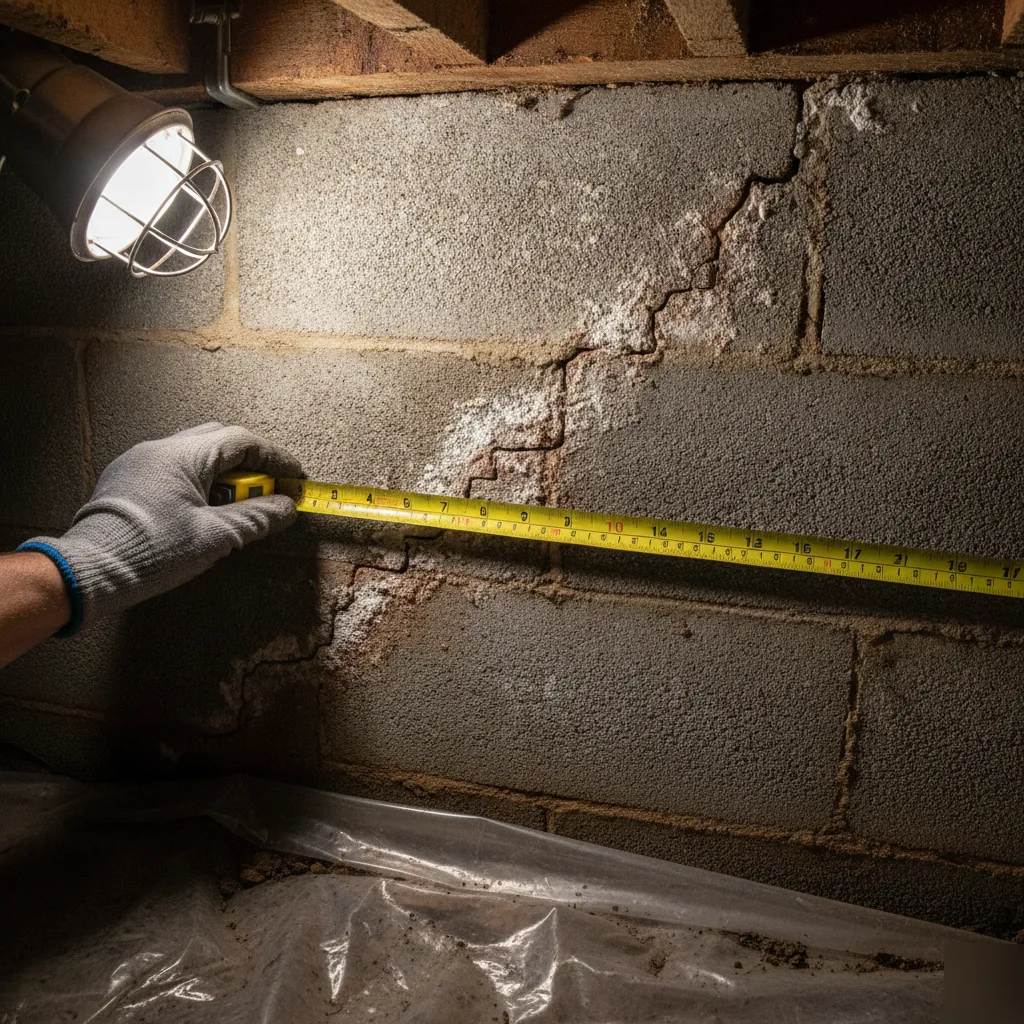
- The next step is the crawl space/basement inspection where they will thoroughly examine your foundation.
- They'll also test doors and windows to see if they are opening or closing correctly and check framing to see if it is level.
- During the above steps, they will be taking measurements and photos to document the foundation conditions and structural characteristics of your home.
- Finally, we always do a short conversation after the on-site inspection, where we can explain the findings directly to the homeowner.
We feel the last step is important and many times, the homeowner has been waiting for weeks to just hear an answer on what's going on with their foundation.
Why Could An Inspection Take Longer?
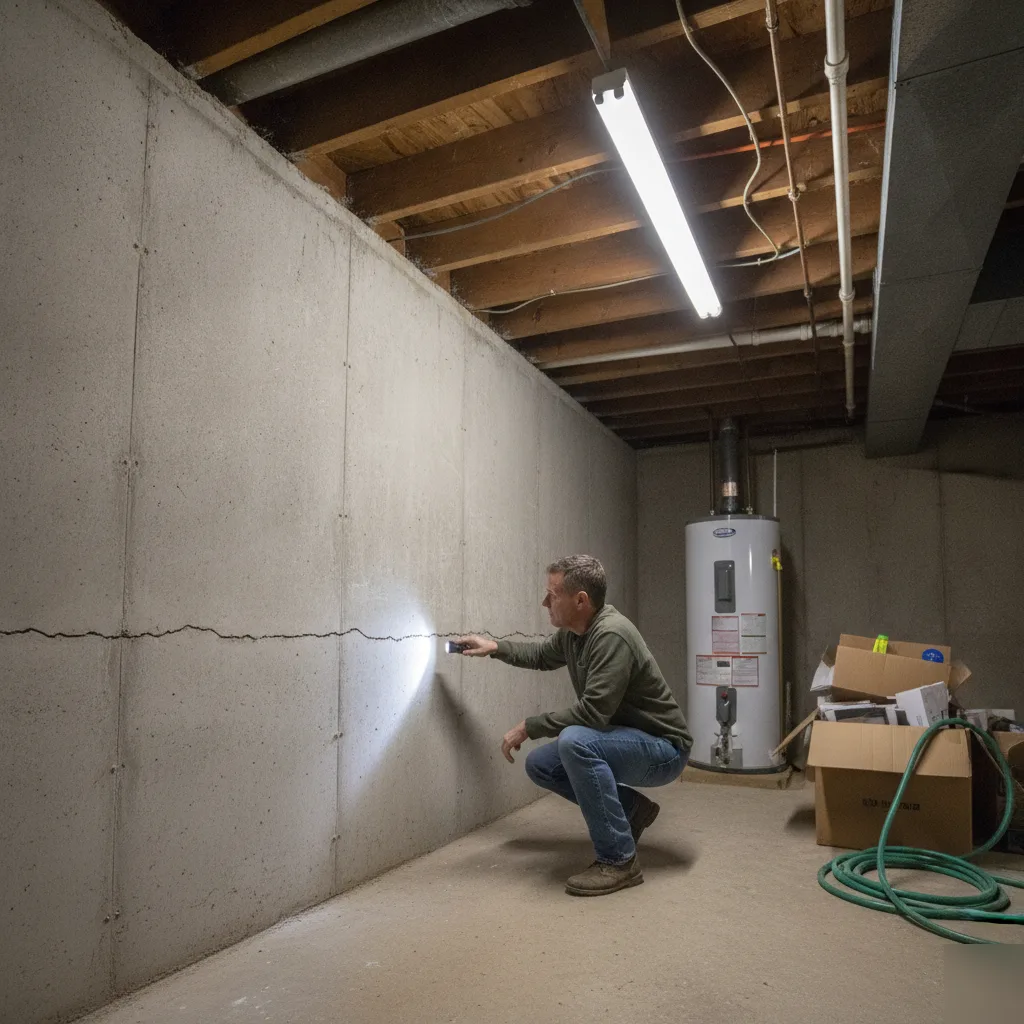
A finished basement might take some extra time as walls are covered, meaning we can't see the concrete foundation directly. Instead, we have to rely on things like visible crack patterns, moisture meters, and laser levels to get a full picture.
Another reason why an inspection could take longer is home additions. Every home addition creates an area of focus on the foundation where the new foundation connects to the original foundation.
Older homes in Chesterfield (pre-1980s) often have foundation types that could require additional information gathering, as we see everything from poured concrete to concrete blocks and even stone foundations depending on the age of the home, the neighborhood, and the year built.
What's After The On-Site Visit?
The 2 to 4 hours time range refers to the on-site time only. After the on-site visit, you should receive a written report within a few days (which is what the report is for). This report is necessary when getting your building permits, during a real estate transaction, and in order to design a structural repair.
Most importantly, most people don't understand until later on, an inspection early on saves a lot of time on any subsequent steps. If you're going to add to your home or redo your basement in Chesterfield, a thorough foundation inspection means we can tell your contractor exactly what we find, and that we'll make sure your permit drawings are accurate.
It really is that simple. 2 to 4 hours. Set aside a morning or an afternoon. You don't need to remain on the premises for the full duration, but having the ability to ask questions at the beginning and conclusion of the inspection will make the process go more smoothly.
What Occurs During a Foundation Inspection
When most people think of a foundation inspection, they imagine someone strolling around their home for 10 minutes and returning with a report. That's not what happens. There's a specific procedure to follow for a foundation inspection. Learning about each step can help you understand why the process takes the amount of time it does.
Steps in the Inspection
- Exterior Inspection. The inspector begins at your home's exterior. He or she examines the visible foundation walls, grading around your perimeter, and any signs of ground movement or drainage issues. In Chesterfield clay soil is prevalent, so the team pays particular attention to how your foundation slopes away from your property. That takes 15 to 25 minutes on its own.
- Interior Inspection. Next, the inspector will walk through your home. You will be asked to allow him or her to enter every room that can be accessed and look for signs of foundation problems, such as drywall cracks, sticking doors, uneven floors, and gaps around windows. While you might see these issues as minor or cosmetic problems, they are in fact evidence of a problem below ground.
- Crawl Space or Basement Inspection. The inspector then walks into the crawl space or basement, if there is one, to search for signs of foundation damage and problems. The inspection will include a search for moisture, cracks in your foundation walls, signs that your foundation has shifted, and any damage to support beams or piers. If there is a basement, this is where a majority of the foundation structural inspection will take place. The amount of time it takes to complete this step will vary, but it could take between 20 minutes and 40 minutes.
- Measurements. Your inspector will measure the floors throughout your home. This tells them if your foundation is unevenly settled or if one area has settled more than another. A difference of as little as a quarter of an inch can mean a lot.
- Documentation. Your inspector will document every observation, photo, and measurement taken during the entire process.
- Summary. Once the inspector has completed his or her inspection, he or she will review his or her findings with you so that you are familiar with the process of correcting any problems. He or she will not have a written report for you when the inspection is complete, but you will have an overview of the condition of your foundation and what you need to do next.
The foundation inspection for an average single-family home takes between one hour and two hours.
However, one of the things that often surprises our customers is that access is a greater factor than overall square footage. A 2,000-square-foot home with a fully-finished basement and only minimal access to its crawl space may actually take longer to inspect than a 3,500-square-foot home with an open and unencumbered basement. We have had clients in older neighborhoods in or near Chesterfield Valley whose inspectors had to spend an additional half an hour of time simply getting into and around their crawl spaces.
Another factor that will influence the time the inspection takes is the overall condition of your foundation. A home that appears to have no foundation problems will move quickly through the process. Conversely, a home in need of immediate attention because of cracks, water intrusion, or other problems will move through it much more slowly as the inspector takes the additional time required to fully investigate and measure the problems in order to understand their severity.
A good example of the additional time the inspector may need to take occurs in this situation: a homeowner has scheduled a foundation crack inspection as part of their plan to sell their home. The homeowner believes the inspection will take less time because the home has no apparent issues to fix. However, if the inspector finds evidence of hairline cracking in your basement that may be caused by poor drainage, it will take additional time to record those findings and determine next steps.
So as you can see, while the steps in a foundation inspection are pretty consistent, each home will vary in how long it will take for the steps.
Why The Foundation Inspection Process Takes Longer in Chesterfield Than The Average
For most people, an inspection on their foundation takes a little while. Go there. Walk around. Get done. But, there is a little something that works against you in Chesterfield.
It is the local ground we live in, the soil. St. Louis County sits on expansive clay soils that are known to shrink and expand as its level of moisture varies. According to the American Society of Civil Engineers, expansive soils cause more money to be spent on the annual damage of structures annually than floods, tornadoes, and earthquakes combined. Engineers rely on foundation design standards for structural assessments to guide how soil conditions are evaluated during inspections. That means the team who will be your foundation inspector will have to do more than a simple inspection on just a crack in the ground. You will have to be able to see if the soil is still moving against your foundation to the extent, or if it has moved in a time past and has stopped since then.
Older Homes With An Established Neighborhood
In Chesterfield, you will come across different types of house. The house you could buy might be built in the 1970s near Chesterfield Valley or you can find new homes in neighborhoods near Wild Horse Creek Road. Older homes often have poured concrete or block foundations that have had decades to settle, crack, and shift. A foundation inspection will take longer with a home that is 40 years of age than a home that was built in 2015. That is because the older home is where you get to see the history the walls and the floors have seen.
You get more rooms to check into. With older homes there are crawl spaces that can be tight, hard to get into and you get to see what they are in there.
Finished Basement Makes The Work Take Longer
Something that most people who own a home won't have to think about. If the basement has drywall, carpeting, or has finished shelves built-in, there are going to be more steps the team has to take when you are having the foundation inspected because some of the important areas you are missing are going to be hidden from you. Because of that you are going to have to get some more evidence such as:
- The drywall is cracked in stair-step patterns
- The door doesn't latch or stay closed
- Your floors are uneven as it gets across several rooms
- You can see there are wet stains or the smell of mildew that is by the walls
These are all additional clues you have to check out. Having a finished basement does not stop a foundation inspection from working, but it will take a little longer than usual and have more steps involved.
Larger Homes and The Number of Stories
In Chesterfield you won't have to search for bigger homes. Some homes you will see are a 2-story colonial and others might be a split level with a walk-out basement. It is even possible that someone might have added on or a whole other section to their home. Each floor of the house you have weighs down on your foundation. Each area added on to the house will make the joint between the older part of the house and the newer one. It is where it is going to first show up if you have some type of problem.
It is much quicker to go over 1,200 square feet of your ranch style home than to do 3,500 square feet in a large home which has a finished lower level and a sunroom addition made in 2008. Just because it happens.
Also, you might come across a property that has been graded to drain towards the foundation. In these instances it will make the conversation the team have to take when it comes to drainage of the property to make the inspection take a little longer since you need the inspector to see how the ground water drains and how it has affected your foundation in the past.
So when someone is asking you if how long a foundation inspection takes in Chesterfield, the answer you can give them is, it is going to depend on your home. Because of the factors above, a thorough foundation inspection in Chesterfield will take anywhere from 1.5 to 3 hours, when most people would have you believe it takes an hour or less to perform. The truth of the matter, a rushed job doesn't help anyone and it especially won't help you.
Frequently Asked Questions
How long does a foundation inspection actually take in Chesterfield?
Most foundation inspections in Chesterfield take between 2 and 4 hours on-site. A smaller one-story home with a slab foundation may finish in under 2 hours. A larger home in areas like Wild Horse Creek with a full basement and additions can take over 3 hours. The inspector needs time to check the exterior, walk every room, examine the crawl space or basement, take measurements, and talk through findings with you before leaving.
Why does Chesterfield's clay soil affect how a foundation inspection is done?
Clay soil expands when wet and shrinks when dry. That movement puts pressure on your foundation over time. In Chesterfield, inspectors pay close attention to how the ground slopes away from your home and look for signs of soil shifting. This step alone can take 15 to 25 minutes during the exterior portion of the inspection. If drainage is poor, it shows up in the soil and in your foundation walls.
Do older Chesterfield homes take longer to inspect?
Yes, pre-1980s homes in Chesterfield often take more time to inspect. Older homes can have poured concrete, concrete block, or even stone foundations depending on when and where they were built. Each foundation type needs a different approach to evaluate properly. An inspector may need extra time to gather information and document conditions that are harder to read in older materials. If your home has had additions over the years, those connection points also get extra attention.
What's a common mistake homeowners make before a foundation inspection?
One of the biggest mistakes is blocking access to the crawl space or basement. Inspectors need to get into every accessible space to do a thorough job. If storage is piled in front of crawl space doors or basement areas, it slows things down and can limit what the inspector can see. Clear a path before the inspector arrives. You don't have to stay the whole time, but being available at the start and end helps you get the most out of the visit.
What happens after the inspector leaves my home?
The 2 to 4 hours is just the on-site visit. After that, you should receive a written report within a few days. That report matters for building permits, real estate transactions, and planning any structural repairs. If you're thinking about finishing your basement or adding onto your home in Chesterfield, that report gives your contractor the exact details they need. For a full picture of what foundation inspections cover, visit our foundation inspection services page.
Do I need to be home for the entire foundation inspection?
You don't have to stay for the full inspection, but it helps to be there at the beginning and the end. At the start, you can point out any areas of concern you've noticed. At the end, the inspector will walk you through what they found before the written report is ready. Many homeowners have waited weeks just to hear a clear answer about their foundation. Being present for that summary conversation means you leave the day with real answers, not just a report to read later.