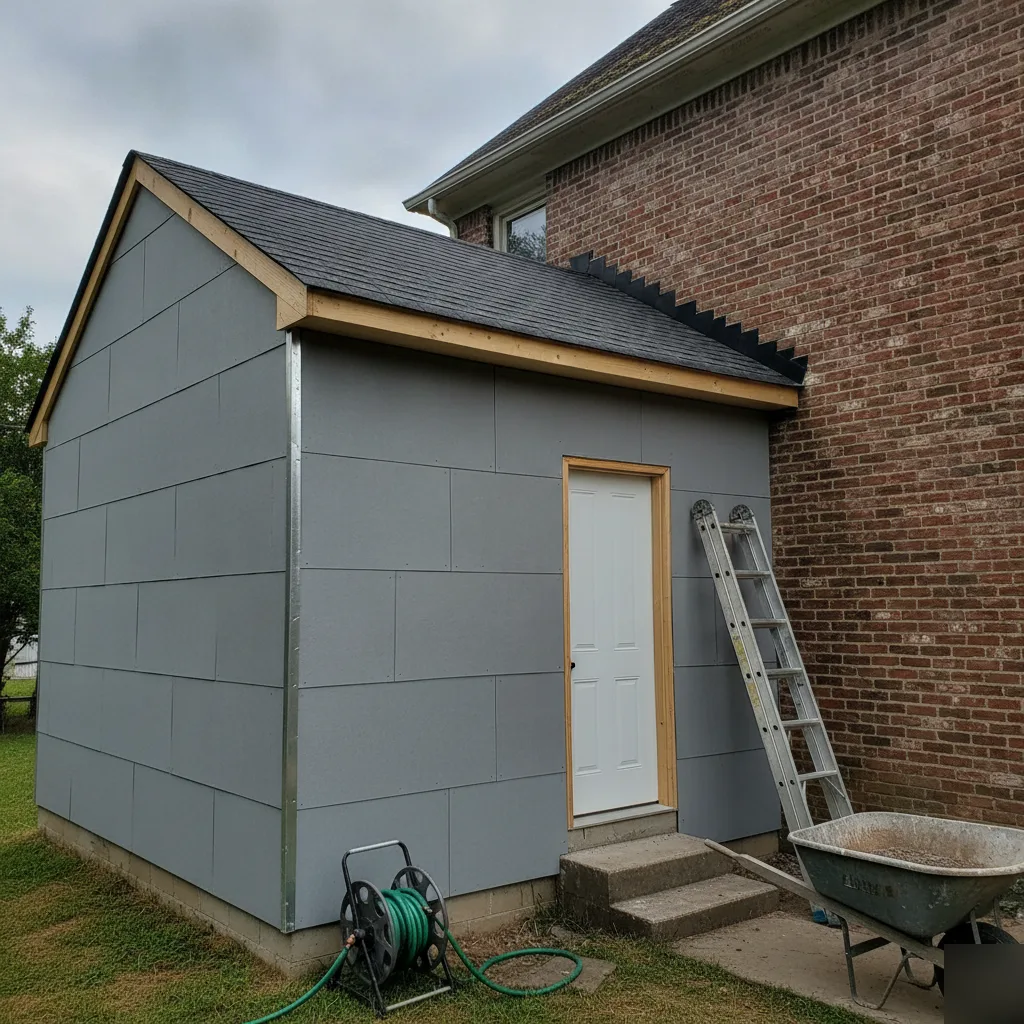
What Home Addition Structural Engineering Actually Delivers
You are not just paying for drawings. You are paying for a building that stands up, passes inspection, and does not crack your existing foundation five years from now.
Home addition structural engineering designs every load path in your new space. This means sizing beams, specifying connections, calculating how the new roof ties into the old one, and verifying your existing foundation can handle what you are adding. We determine where the weight goes before you pick up a hammer. We document every detail in permit-ready structural drawings. St. Louis County plan reviewers can approve them without a stack of revision requests.
Here is what that looks like in practice for a Clayton homeowner:
- A complete analysis of your existing structure, including the foundation, floor framing, and bearing walls
- Engineered beam and header designs for any new openings between old and new spaces
- Foundation design for the addition that integrates your soil conditions and existing footings
- Connection details showing exactly how the addition attaches to the original house
- Sealed structural calculations and permit-ready drawings
Most additions in Clayton's established neighborhoods sit next to homes built in the 1930s and 1940s. Those older structures have stone foundations or early poured concrete. You cannot just bolt a new room onto that and hope it works. We evaluate what is already there, identify limitations, and design around them.
Scott has spent years working directly with St. Louis County plan review. This means your permit drawings are built around exactly what the examiner needs to see. He understands what gets flagged and what sails through.
The result? You get clear direction, and your permit moves faster. Your addition performs the way it should for decades. That is what structural engineering actually delivers.
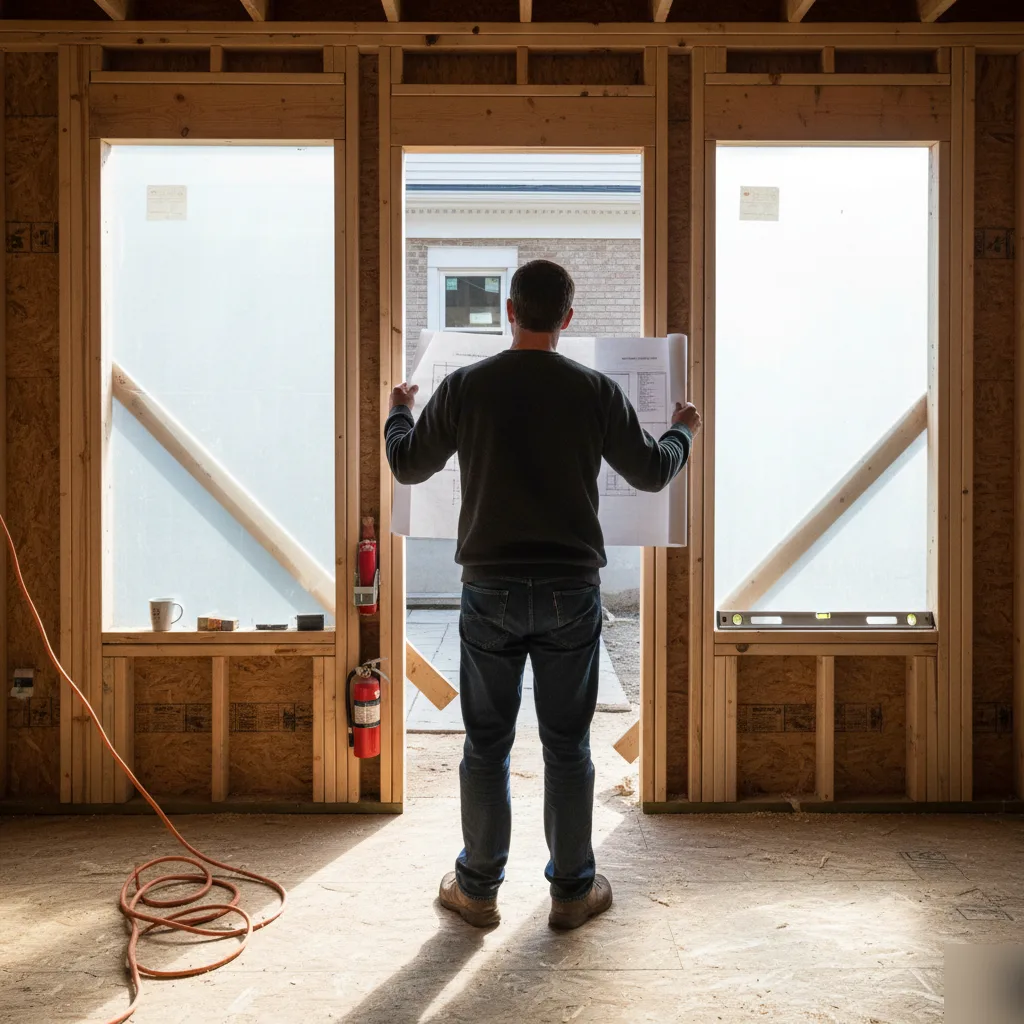
Why Older Homes Require a Closer Structural Look Before Adding On
Most homes in Clayton were built between the 1920s and 1950s. This is not a problem. The structures under your floors and behind your walls follow building practices that differ from today's codes.
We see this constantly. A homeowner near Wydown wants to add a sunroom or expand a second story. The contractor takes one look and says, "you will need an engineer." Older homes present specific structural challenges that directly affect how an addition ties into the existing building.
Here is what we typically find in Clayton's older housing stock:
- Stone or unreinforced concrete foundations that were not designed to carry additional vertical loads from a second-story addition
- Undersized floor joists spanning distances that modern lumber tables would not allow
- Balloon framing in pre-war homes, where wall studs run continuously from foundation to roof. This creates different load paths than platform framing.
- Brick masonry walls that may or may not be structural, depending on how the original builder detailed the connections
None of these are deal-breakers. Every one just needs careful analysis before you commit to a design.
According to the American Society of Civil Engineers, nearly 40% of residential structures over 50 years old have at least one element that does not meet current load requirements. In a neighborhood like Ellendale or the Central Business District area of Clayton, that percentage aligns with our on-site observations. The framing held up fine for decades; it was just not built to support what you are planning to attach to it.
So what does a closer look involve? We evaluate the existing foundation capacity, check the condition of load-bearing walls, and measure the actual lumber dimensions. Older 2x10s are not the same size as what you would buy at the lumberyard today. That matters when we are calculating whether your current floor system can handle a new addition's point loads.
Getting this evaluation done early saves you from expensive surprises mid-construction. It provides your architect with real numbers to design around, not guesses.
The Structural Engineering Process From Site Visit to Stamped Drawings
Most Clayton homeowners want to know one thing: how long until I have drawings I can submit for a permit? We are direct about our timeline. Our process is fast, but we do not skip steps.
Every project follows the same sequence. We have refined it over hundreds of jobs across Clayton and surrounding St. Louis County communities.
- Initial consultation and scope review. You tell us what you want to build. A second-story addition, a sunroom off the back, an expanded kitchen. We review your plans or sketches and confirm what structural work is needed.
- On-site evaluation. We visit your property and examine existing conditions. In Clayton's older homes, this means checking foundation type, framing materials, floor joist spans, and how loads currently travel through the structure. We measure everything.
- Structural analysis and calculations. Back at our desks, we run the numbers. Load paths, beam sizes, connection details, foundation capacity. If your home has a stone foundation from the 1930s, that changes the math compared to a modern poured wall.
- Permit drawing preparation. We produce structural permit drawings that include all the detail St. Louis County plan reviewers require. Scott's background in county plan review shapes how every submittal package is organized and presented.
- P.E. stamp and delivery. Every drawing set gets reviewed, stamped, and sealed by a licensed Professional Engineer. You get digital and print copies permit-ready.
The whole process typically takes one to two weeks from site visit to stamped drawings. Sometimes faster for straightforward projects.
We see this constantly in the Wydown area and near Shaw Park. A homeowner hires an architect or contractor first, then realizes they need a structural engineer before the permit application can move forward. That is fine. We step in at whatever stage you are at.
Calling us early saves you real time. When we are involved before design decisions are locked in, we catch problems that would otherwise surface during plan review. Rejected permits mean redesign, resubmittal, and weeks of delay. Nobody wants that. Need help figuring out where to start? Call a top rated structural engineer Clayton homeowners count on to get it right the first time.
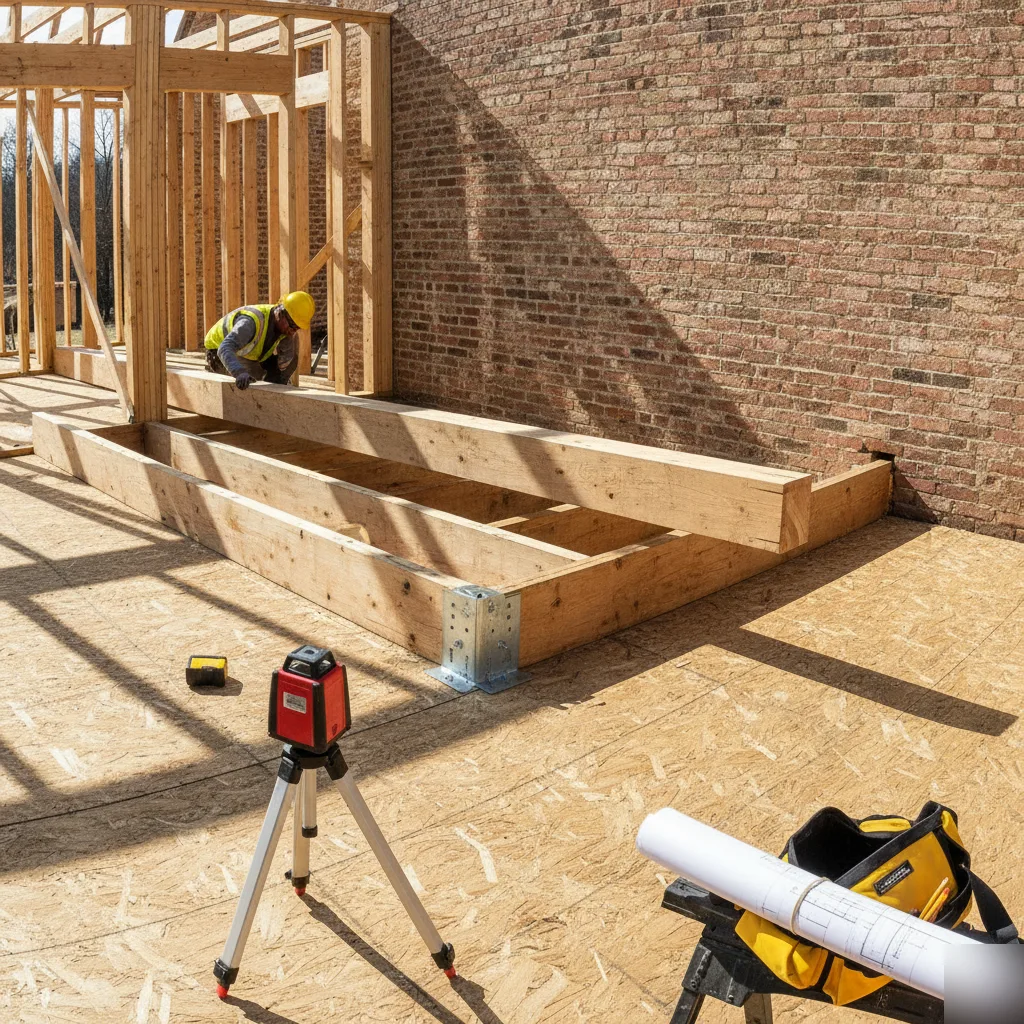
Clayton's Permit and Plan Review Requirements
Homeowners often learn this too late. Clayton falls under St. Louis County's permitting jurisdiction. This means your home's additional structural engineering drawings go through county plan review, not a city-level office. That review process has specific expectations for what gets shown on the drawings, how calculations are presented, and what load paths need to be documented.
We see it all the time. A homeowner hires an architect or contractor who puts together a nice set of plans, submits them to the county, and gets a correction letter back. Sometimes two or three correction letters. Each round adds weeks to the timeline.
Scott spent years working directly inside the St. Louis County plan review. That firsthand experience shapes how every permit package gets organized. It is the difference between a clean approval and a month of back-and-forth. When you have sat on the other side of that review desk, you know exactly how to structure a submittal that moves through without delays.
What Clayton Permit Drawings Typically Require
- Foundation design details showing how the new footings connect to existing foundation systems
- Structural calculations for all beams, headers, columns, and load paths
- Framing plans with member sizes, spacing, and connection details
- Lateral bracing documentation for wind and seismic loads per current building code
Older neighborhoods near Wydown or along Brentwood Boulevard have homes with stone foundations and original framing from the 1930s. The county wants to see how your new addition ties into that existing structure safely. We document existing conditions, run the numbers on what is there now, and design the connection so the examiner does not have questions.
A clean permit submission saves you real money. Not just in engineering fees but in downtime, carrying costs, and stress. Want help getting your Clayton project through plan review the first time? Give us a call.
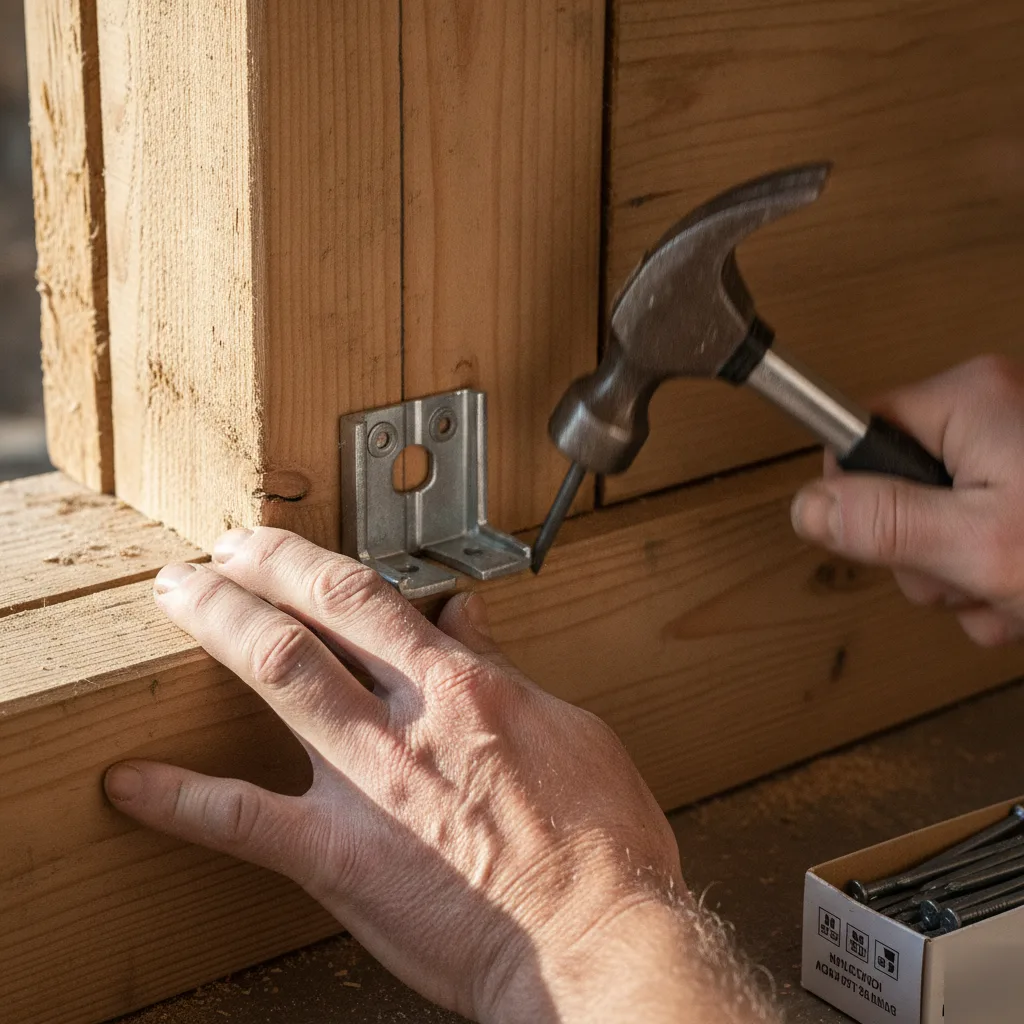
When to Bring in a Structural Engineer, and What Happens If You Do Not
This situation arises almost every week in Clayton. A homeowner hires a contractor, gets excited about the project, and starts moving fast. Permits come up. He says, "we need structural drawings." Everyone then scrambles because the engineer should have been involved from day one.
The right time to call a structural engineer is before you finalize your plans. Not after framing starts. Not when the permit office sends you back with corrections.
You need a structural engineer early if any of these apply to your addition:
- You are tying new construction into an existing roof or foundation
- The addition shares a wall with the current structure
- Your existing home has a stone or older poured concrete foundation
- You are adding a second story over existing framing
- St. Louis County requires stamped structural permit drawings for your scope of work
Skip this step and things can quickly go wrong. We have reviewed projects in Clayton where contractors poured footings without engineering, only to find out the soil conditions could not support the load. Tearing out and redoing a foundation costs far more than getting it right the first time. The permit office will not sign off on work that does not meet code.
It is not just about permits. A home addition changes how your entire structure behaves. New loads travel through walls, beams, and footings that were never designed for them. Without proper analysis, you get cracked drywall, sagging floors, or doors that will not close. Sometimes worse.
Clayton projects go through county review. Submittals that miss structural details get kicked back. Every rejection adds weeks to your timeline. Scott's hands-on background with St. Louis County plan review means permit packages are built to pass the first time.
Homeowners who call us early finish their projects faster than the ones who call us after a problem shows up. Early involvement means fewer surprises, cleaner permits, and a structure that actually performs the way it should for decades. If you are even thinking about an addition, that is the right time to reach out.
Frequently Asked Questions
Do I really need a structural engineer for a home addition in Clayton, or can my contractor handle it?
You need a licensed structural engineer for any home addition in Clayton. St. Louis County requires stamped structural drawings before a permit is issued. Your contractor builds what the drawings specify — they do not produce the calculations that tell you whether your existing foundation can carry the new load. Without those calculations, you are guessing. Clayton's older homes, especially those built in the 1920s through 1950s, have stone foundations and balloon framing that require real analysis before anything gets attached to them.
What happens during the on-site visit before you start the structural drawings?
We come to your property and look at what is actually there. We check your foundation type, measure floor joist spans, identify load-bearing walls, and trace how weight currently moves through your structure. In Clayton's older homes near Wydown or Ellendale, that often means finding stone foundations or undersized lumber that was never meant to support a second story. We take measurements and document existing conditions so the calculations we run back at the office reflect your actual house — not a generic one.
How long does it take to get permit-ready structural drawings for a Clayton addition?
Most projects go from site visit to stamped drawings in one to two weeks. Straightforward additions can move faster. The timeline depends on the complexity of your existing structure and the scope of what you are adding. Clayton's older housing stock sometimes turns up surprises — an unrecorded renovation or an unusual framing condition — that adds a little time to the analysis. We tell you upfront if something we find will affect the schedule so you can plan accordingly.
My house was built in the 1940s. Does that make adding on more complicated?
It does add steps, but it does not stop your project. Homes built in Clayton during the 1930s and 1940s often have stone or unreinforced concrete foundations, balloon framing, and lumber dimensions that do not match modern standards. Nearly 40% of residential structures over 50 years old have at least one element that falls short of current load requirements. We evaluate what you have, identify any limitations, and design the addition around them. You get a structure that works safely with what is already there.
Will St. Louis County plan reviewers ask for revisions to my structural drawings?
Not if the drawings are prepared correctly the first time. St. Louis County plan reviewers have specific expectations for what a structural submittal package needs to include. We build every drawing set around those requirements. Scott has worked directly with county plan review and knows what gets flagged. When your drawings are organized and detailed the way the examiner expects, your permit moves faster and your contractor gets clear direction without waiting on revision cycles.
When in the project should I bring in a structural engineer for my addition?
Bring us in before your permit application — ideally before your architect finalizes the design. Many Clayton homeowners hire an architect or contractor first, then realize structural drawings are required before the permit can move forward. That is fine; we step in at that point. But getting structural input early means your architect designs around real numbers, not assumptions. It can save you from redesigning something that the existing foundation simply cannot support the way it was originally drawn.