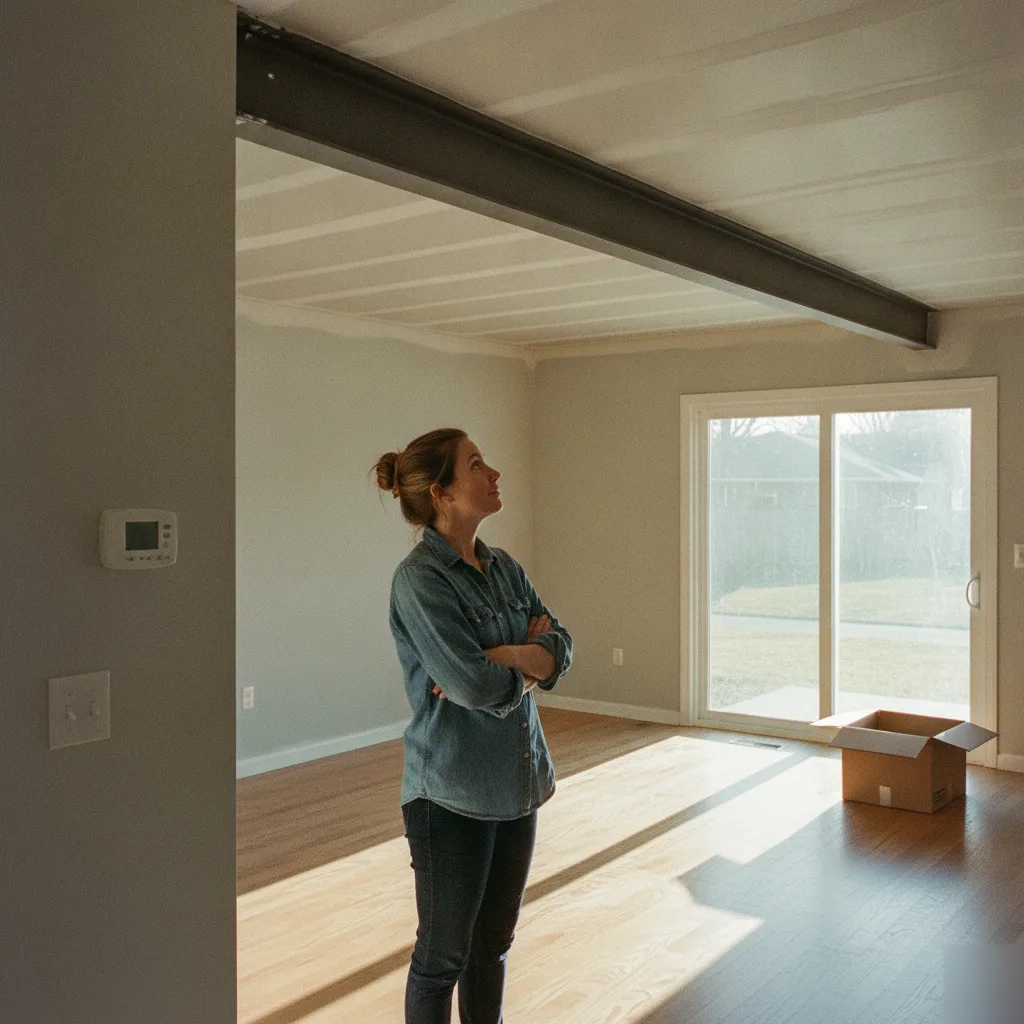
How to Tell If Your Wall Is Load Bearing
You're looking at a wall between your kitchen and dining room, envisioning an open floor plan. That wall might be holding up your entire second floor.
Not every wall is structural. Some are partition walls, built only to divide rooms. These can come out easily. A load bearing wall carries weight from the roof, upper floors, or both, down to the foundation. Removing it without a structural plan can lead to sagging floors, cracked drywall, or worse.
Here are a few clues that a wall might be load bearing:
- It runs perpendicular to your floor joists, not parallel
- It sits directly above a beam or wall in the basement
- It's located near the center of the house rather than along the perimeter
- There's a wall directly above it on the second floor
- It's thicker than surrounding partition walls
We see this every week in Clayton. Homeowners want to open a 1930s brick colonial but are unsure what's structural. The center wall between the kitchen and living room often carries significant load. Original builders often stacked all loads onto it.
These clues help, but they don't provide a definitive answer. Older homes near Wydown or in the Central Business District often have framing that doesn't follow modern conventions. This includes balloon framing, doubled-up headers in unusual places, and beams hidden inside plaster walls. You can't always tell just by looking.
A licensed professional engineer must evaluate the structure before any wall removal. As an experienced structural engineer Clayton trusts for this work, we review the framing, check the load path from roof to foundation, and determine precisely what that wall supports. Before any demolition, get the engineering done first. This removes guesswork and protects your home.
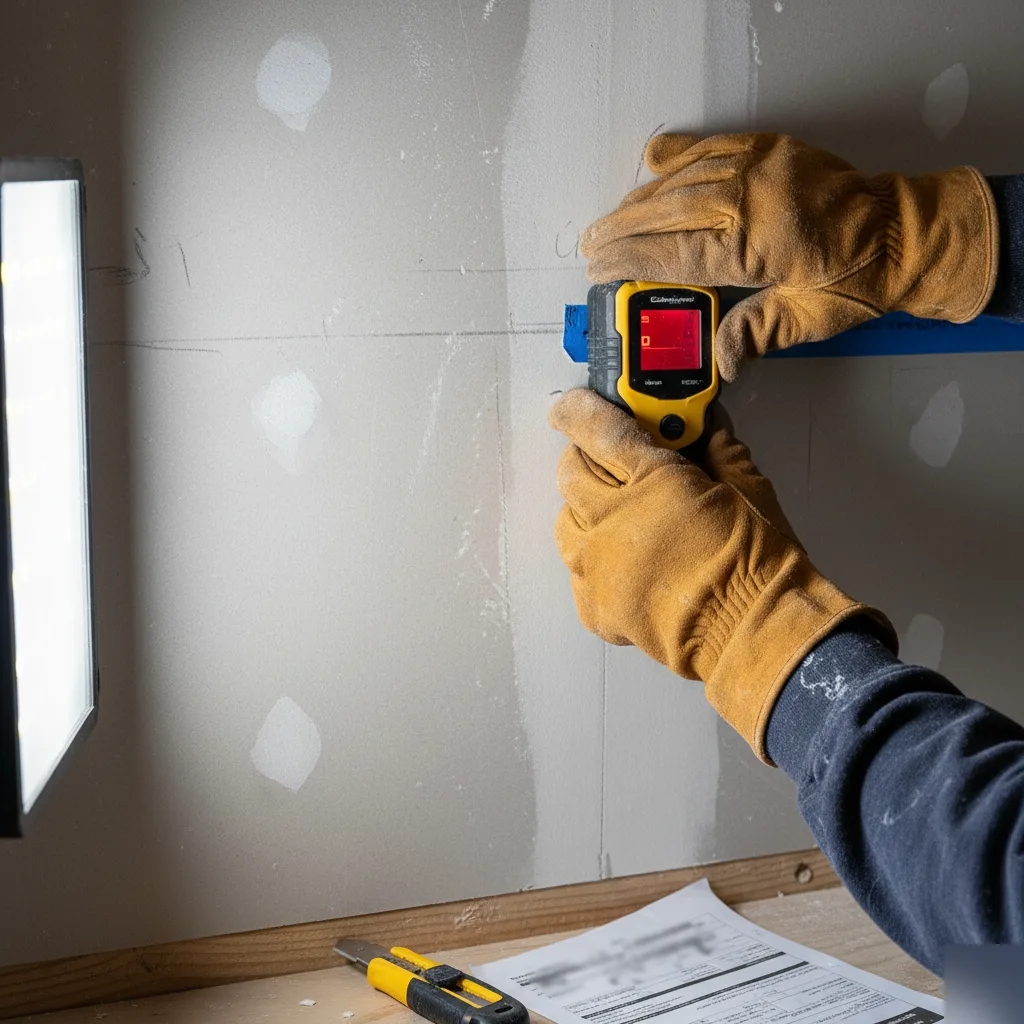
Why Clayton Homes Require a Structural Engineer First
Most homes in Clayton were built between the 1920s and 1950s. This timeframe impacts renovation considerations.
Older brick homes use framing methods that don't match modern construction. Balloon framing, plaster-over-lath walls, and irregular joist spacing are common in neighborhoods near Wydown and throughout the Demun area. A homeowner cannot simply guess if a wall is safe to remove. We encounter this every week. Homeowners call after being told a wall "probably isn't load bearing." Often, the wall carries floor loads, roof loads, or both.
A licensed structural engineer provides three critical services a homeowner cannot:
- Traces the load path from roof to foundation to confirm what the wall actually supports
- Calculates the exact beam size, post locations, and connection details needed to replace it
- Produces structural drawings that satisfy St. Louis County permit requirements on the first submission
The third point is particularly important in Clayton. St. Louis County reviews structural permits carefully, and incomplete drawings are often rejected. Scott's direct experience in St. Louis County plan review means your permit drawings are built around exactly what the examiner needs to see. This eliminates guesswork and avoids costly revisions that delay your project.
Beyond permitting, there's a significant safety issue. According to the American Society of Civil Engineers, removing a load bearing wall without proper engineering can cause progressive structural failure. This can result in cracked ceilings, sagging floors, and foundation stress. Often, the damage appears months later, becoming far more expensive to repair.
Removing a load bearing wall means rerouting thousands of pounds of dead and live load through a new path. This is not a carpentry decision; it requires engineering expertise. In Clayton's older housing stock, the margin for error is smaller because original framing often predates modern code standards.
Getting the engineering done first protects your home, your investment, and your timeline.
The Load Bearing Wall Removal Process Step by Step
Every load bearing wall removal project we undertake in Clayton follows a proven sequence. This ensures no shortcuts or guesswork.
Here's how it works from start to finish:
- On-site structural assessment. We visit your home to identify the wall and determine the loads it carries. In older Clayton brick homes, this often involves tracing loads from the roof framing down through floor joists to the foundation. We inspect the basement or crawlspace to verify existing conditions.
- Structural engineering and beam design. After confirming the loads, we design the replacement beam and specify the posts or columns to transfer weight to your foundation. Our calculations precisely size every beam based on actual span, tributary loads, and your home's specific framing layout.
- Permit drawings and submission. Scott's direct experience in St. Louis County plan review means your permit drawings are built around exactly what the examiner needs to see. We provide structural calculations, connection details, and framing plans. Clear submittals lead to faster approvals.
- Temporary shoring by your contractor. Before any demolition, your contractor installs temporary supports on both sides of the wall. This safely holds the load while the permanent beam is installed. We specify shoring requirements to prevent structural shifts during construction.
- Beam installation and final framing. Your contractor removes the wall, sets the new beam, and secures all post-to-beam and post-to-foundation connections precisely as our drawings specify. Attention to detail is critical here, especially in homes near Wydown or along Brentwood Boulevard where older floor systems demand careful handling.
- Inspection and verification. The county inspector reviews the installed work against our stamped drawings. We design to code from day one, so inspections proceed smoothly.
The entire process typically takes a few weeks from initial contact to final inspection. Most of this period is allocated to design and permitting; the actual construction usually concludes in days.
Clayton homeowners often tell us they expected the process to be more complicated. It doesn't have to be. A clear engineering plan simplifies the entire downstream process for your contractor, the inspector, and you.
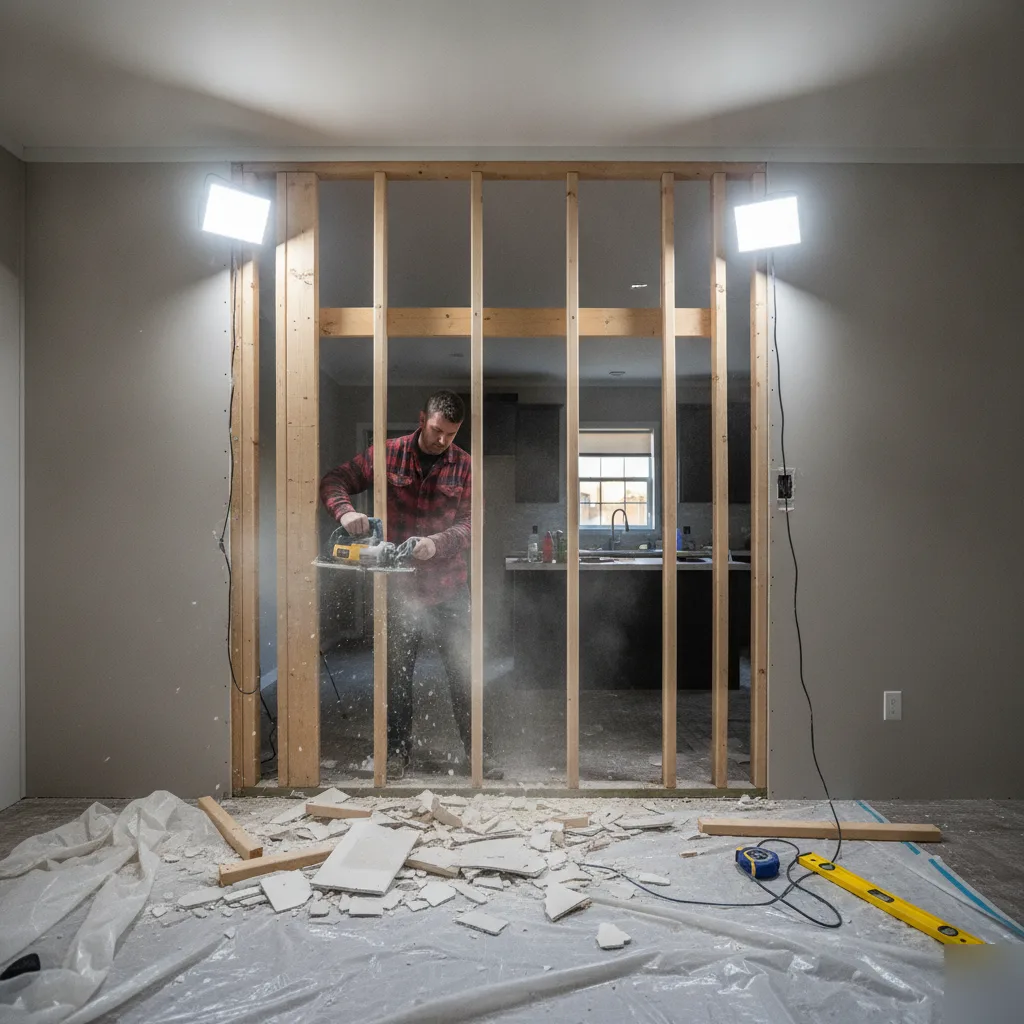
What Happens at the Permit Inspection, and Why It Matters
Once the beam is installed and posts are set, a St. Louis County building inspector assesses your Clayton home. This inspection determines if everything passes, either keeping your project moving or stopping it completely.
Homeowners often feel nervous about this step. When the engineering is correct, the inspection is straightforward.
Here's what the inspector is checking during a load bearing wall removal permit inspection:
- Beam size matches what's shown on the approved structural drawings
- Post locations and connections match the engineer's specifications
- Hardware, hangers, and fasteners are the correct type and properly installed
- The load path is continuous from roof to foundation
- Temporary shoring was done correctly and the structure is stable
The requirement for proper temporary shoring often presents challenges for contractors. The inspector verifies that loads were adequately supported throughout construction, not just in the final condition. If your contractor skipped steps or improvised, it will be evident.
Scott's direct experience in St. Louis County plan review means our permit drawings are built around exactly what the inspector needs to see. This familiarity is a distinct advantage. We design our structural calculations and detail sheets so the inspector can easily match the plans to the installed work, without guesswork. Clear drawings facilitate quick approvals.
In older Clayton homes, particularly the brick two-stories near Wydown or along Brentwood Boulevard, inspectors sometimes identify foundation conditions during their visit. For example, a post bearing on cracked stone foundation material often raises concerns. We account for this in our design. If the existing foundation cannot support the new point load, we specify a new footing pad in the drawings before you apply for the permit.
If an inspection doesn't pass, it's typically a field issue, not an engineering design flaw. Common issues include a missed connection or a beam installed slightly off layout. Our drawings provide your contractor with precise dimensions, leaving no room for interpretation. This approach helps a first-pass approval, keeps your schedule on track, and avoids costly re-inspections in Clayton's busy permit queue.
Risks of Skipping the Engineering Step
We receive calls from Clayton homeowners who began demolition without proper plans. Someone told them a wall "probably isn't load bearing." Now, there's a visible sag in the ceiling, doors don't close correctly, and the floor feels soft near the opening. This shortcut transformed a planned renovation into an emergency structural repair.
Removing a load bearing wall without engineered plans puts your home at risk in ways that aren't immediately obvious. Some problems appear in weeks, while others take months or even years to surface. Here's what commonly occurs when engineering is skipped:
- Floor joists deflect beyond safe limits. This creates bounce and eventual cracking in finishes above and below.
- Roof loads transfer unevenly. This stresses walls and connections not designed for such loads.
- Foundation point loads concentrate without proper footings. This leads to settlement and cracking in older Clayton homes with stone or poured concrete foundations.
- Permit violations that surface during a future sale or inspection. This can stall your closing.
Beyond structural integrity, St. Louis County requires a building permit for load bearing wall removal. That permit mandates stamped structural drawings from a licensed professional engineer. Without these, the work is unpermitted. Should you sell your home later, a buyer's inspector or title company will identify it. We have observed real estate transactions fall apart over precisely this issue in Clayton's active market.
The primary concern, however, remains safety. According to the American Society of Civil Engineers, deferred structural maintenance and unauthorized modifications are among the leading causes of residential structural failures. Even a beam undersized by one inch can permit enough deflection to compromise connections throughout the framing system.
The cost of proper engineering upfront is a fraction of what a structural repair costs after something goes wrong. Scott's direct experience in St. Louis County plan review means your permit drawings are built around exactly what the examiner needs to see. This prevents guesswork, avoids rejected submittals, and eliminates wasted time with the building department.
Skipping engineering does not save money; it simply delays the inevitable cost.
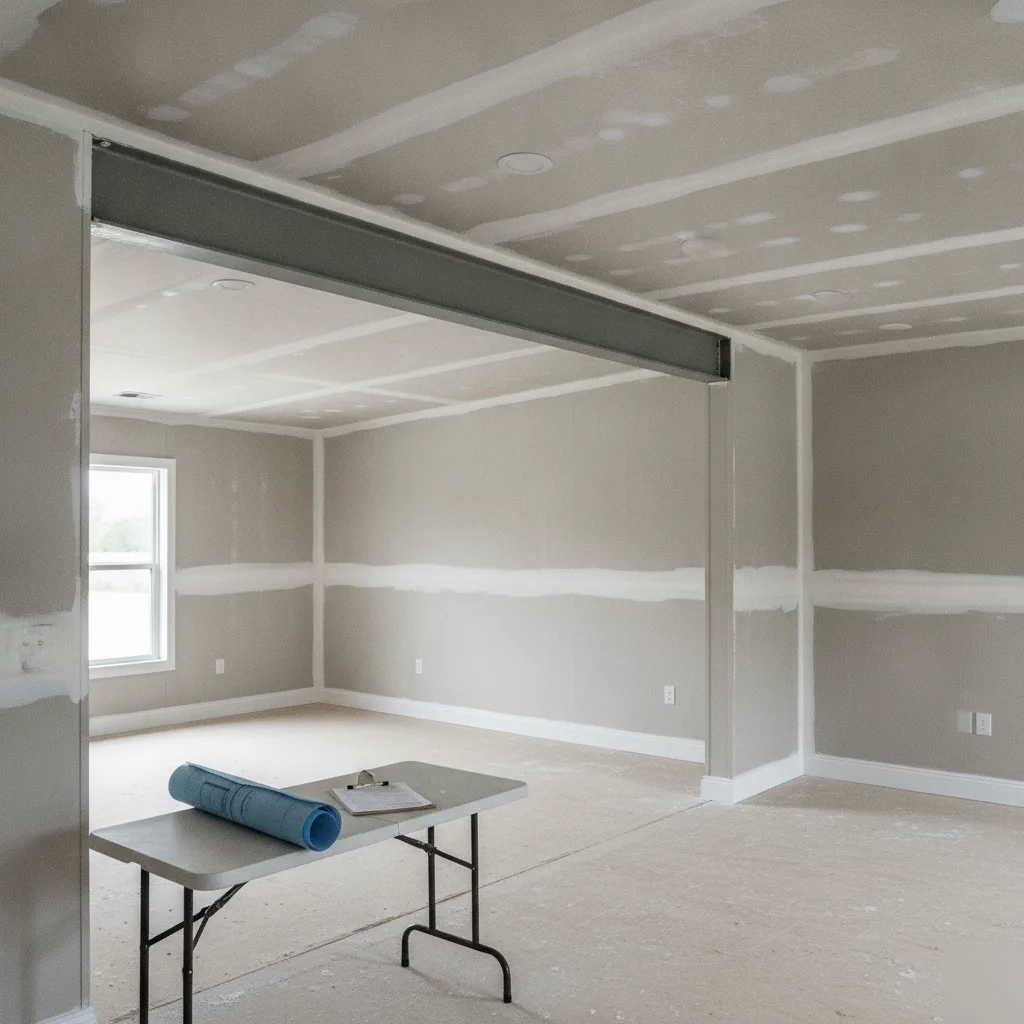
Frequently Asked Questions
Do I need a permit to remove a load bearing wall in Clayton?
Yes, you need a permit from St. Louis County before any load bearing wall removal in Clayton. St. Louis County reviews structural permits carefully, and incomplete drawings are often rejected on the first submission. Your permit package must include stamped structural drawings, beam calculations, and connection details. Getting the engineering right the first time avoids delays and keeps your project on schedule.
How long does a load bearing wall removal project take in Clayton?
Most projects in Clayton take a few weeks from first contact to final inspection. The design and permitting phase takes the most time. Once permits are approved, the actual construction usually wraps up in just a few days. Older homes near Wydown or in the DeMun area can add a little time if hidden framing surprises come up during the assessment.
What happens if I remove a load bearing wall without an engineer?
Removing a load bearing wall without engineering can cause sagging floors, cracked ceilings, and foundation stress. The damage often shows up months later, not right away. By then, repairs cost far more than the original project. In Clayton's older brick homes, original framing predates modern code, so the margin for error is smaller than in newer construction. See the full breakdown of what can go wrong.
How can I tell if a wall in my older Clayton home is load bearing?
A few clues point to a load bearing wall: it runs perpendicular to floor joists, sits near the center of the house, or has a wall directly above it on the second floor. But older Clayton homes built in the 1920s through 1950s often use balloon framing and have beams hidden inside plaster walls. These clues help narrow it down, but only a licensed structural engineer can give you a definitive answer. Learn more about identifying load-bearing walls in older Clayton homes.
What should I expect during the on-site structural assessment?
During the assessment, a structural engineer visits your home to trace the load path from roof to foundation. In Clayton brick colonials, this often means inspecting the basement or crawlspace to check existing framing and beam conditions. You'll learn exactly what the wall supports, what size beam is needed to replace it, and what post locations are required. You leave the visit with a clear picture of what the project involves.
Does the contractor need to do anything before tearing out the wall?
Yes, your contractor must install temporary shoring on both sides of the wall before any demolition starts. This holds the structural load safely while the permanent beam is set in place. The engineer specifies exactly how the shoring should be built to prevent shifts during construction. Skipping this step is one of the most common mistakes that leads to cracked drywall and damaged framing.