What a Structural Engineer Finds That a Home Inspector Misses
Home inspectors do a good job with surfaces, checking outlets, testing appliances, and running the HVAC. They are not licensed to evaluate if a building can safely carry its own weight. This requires a distinct skill set.
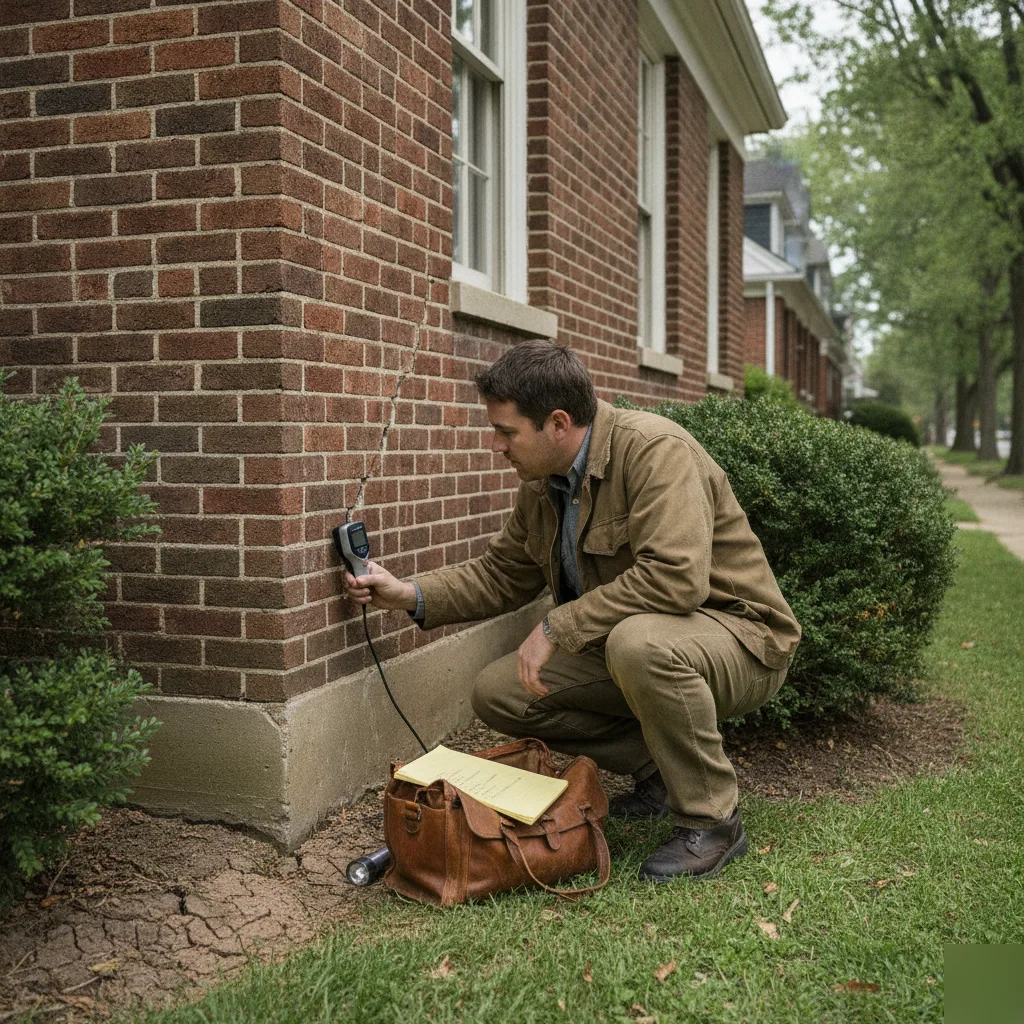
We see this every week. A buyer receives a home inspection report for a 1930s brick colonial in Clayton. The report might note "cracks in basement wall, recommend further evaluation." For the inspector, their work ends there. For us, the real work starts.
A licensed structural engineer looks at things a general inspector is not trained to evaluate:
- Load paths from the roof down through the foundation. We check if past renovations interrupted them.
- Stone and older poured concrete foundations. We look for active movement versus old settlement.
- Floor framing. We check for notching, cuts, or undersizing for current loads.
- Brick masonry walls. We look for mortar deterioration signaling deeper structural shift.
- Evidence of removed load bearing walls lacking proper headers or beam support.
That last point is common in Clayton's older neighborhoods near Wydown and Davis Place. Someone might have opened up a kitchen twenty years ago. They pulled out a wall but never had an engineer design the replacement beam. The floor sags a quarter inch per year. By the time of purchase, it is noticeable.
A home inspector might call that "uneven floors." We tell you why they are uneven, if it is worsening, and what it costs to fix. That distinction can save you tens of thousands of dollars in unexpected repairs after closing.
According to the American Society of Civil Engineers, only a licensed professional engineer can provide a structural adequacy opinion that is valid for permitting or legal purposes. A home inspector's report will not have that authority if you need to negotiate repairs or walk away from a deal.
Scott's background in St. Louis County plan review means he knows exactly what conditions get flagged during permit applications later. That experience is what separates a structural engineering firm Clayton buyers rely on from a standard home inspection. If you are planning renovations after purchase, the inspection catches problems before they become permit roadblocks.
Brick Homes and Clay Soil: Why Older Clayton Neighborhoods Carry Higher Structural Risk
Most of Clayton's housing stock was built between the 1920s and 1950s. These are beautiful homes with real craftsmanship. Eighty or ninety years of settlement, moisture cycles, and shifting soil cause damage not always visible from the curb.
We inspect these homes regularly. The patterns are consistent. Clay-heavy soils across St. Louis County expand when wet and shrink when dry. This seasonal movement pushes against foundations, cracks mortar joints. It slowly shifts load paths inside the structure. Homes near Wydown or in the older blocks south of Maryland Avenue sit on some of the most reactive soil profiles in Clayton. A pre-purchase structural inspection reveals decades of soil impact on the building.
What Clay Soil Actually Does to Older Foundations
Stone foundations and early poured concrete do not flex like modern reinforced systems. When expansive clay pushes laterally against a basement wall, something yields. We often find:
- Horizontal cracking along mortar joints in stone or block basement walls.
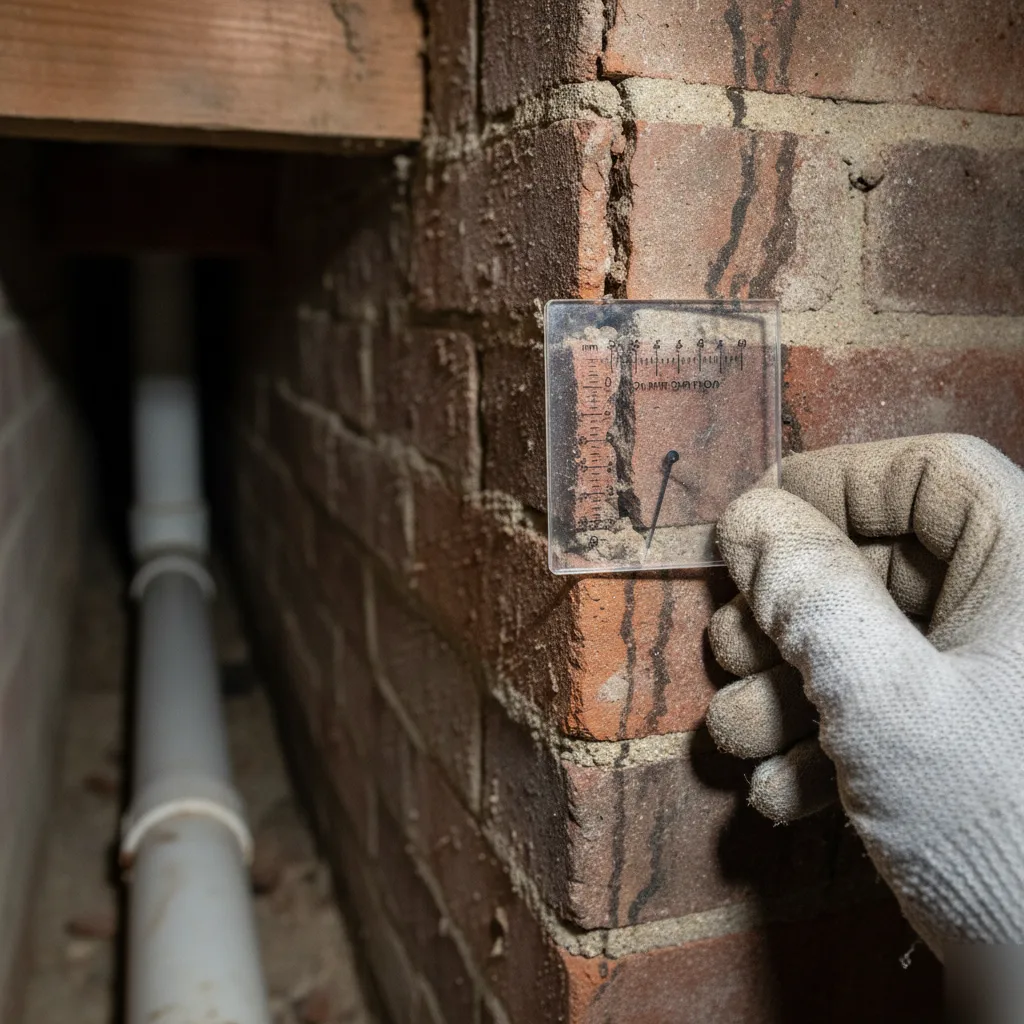
- Stair-step cracks in exterior brick. These cracks track foundation movement below.
- Inward bowing of basement walls. This can be just a half inch or much more.
- Uneven floors on the main level. These are caused by differential settlement underneath.
A seller's disclosure will not mention any of this. Not because they are hiding it. They simply do not know. The basement "has always looked like that" to them.
A half-inch bow in a basement wall today can become a structural failure five years from now. Brick masonry hides problems well. A home can look solid from the street. Meanwhile, the foundation may be actively moving. We see this every week in Clayton's older neighborhoods.
The home's age, the soil, and the drainage around the foundation all matter. These three factors compound. According to the ASCE Guidelines for Periodic Inspection, expansive soils cause more property damage annually than floods, hurricanes, and earthquakes combined. Clayton sits right in the middle of that risk zone. When buying a 1930s brick colonial here, you are not just acquiring charm. You acquire a structure that needs a trained eye before you commit.
What Happens During a Pre-Purchase Structural Inspection
You are under contract on a 1940s brick colonial near Wydown Terrace. The home inspector flagged a few cracks. What happens next? That is when we arrive.
A pre-purchase structural inspection is more thorough than a general home inspection. We do not check appliances or test outlets. We evaluate if the house's bones can carry their intended load. We also evaluate if they will sustain loads for decades.
A typical inspection covers:
- We walk the exterior first. Brick facades on older Clayton homes tell a story: stair-step cracks in mortar joints, bowing walls, separation at window lintels. These patterns point to specific foundation movement.
- We move to the basement or crawl space. Stone foundations and early poured concrete are common here. We check for horizontal cracking, water intrusion paths, and signs of settlement or lateral soil pressure.
- We inspect the main floor structure. Joists, beams, bearing points, load paths from roof to footing. We note deflection, sagging, improper notching, or past repairs not done correctly.
- We evaluate the roof framing where accessible. This includes rafter connections, ridge conditions, and collar ties. This is especially true in homes with additions.
- We document everything with photos and measurements. We then prepare a written report with clear findings.
The visit usually takes one to two hours, depending on home size and condition. We have completed hundreds of these across Clayton and surrounding St. Louis County communities. This helps us distinguish between normal aging and actual structural problems.
Most buyers just need clarity. Is that crack cosmetic or structural? Can the old stone foundation handle a renovation? Those are the questions we answer on site.
Our report is precise. It is written by a licensed Professional Engineer. This means your real estate attorney, your lender, and the seller's agent all take it seriously. It provides leverage at the negotiating table, or confidence to walk away if the numbers do not work.
How to Use Your Structural Report After the Inspection
The report is not just a pass or fail document. It is a tool you can use at every stage of the buying process in Clayton.
Most buyers turn directly to the summary. That is fine for a quick read. The value sits in the details. We include photos, measurements, and descriptions of every structural concern we find. We document foundation cracks with width, direction, and location. We note deflecting beams with span lengths and load paths. You will know what is happening and where.
Negotiation Leverage
The report earns its value here. If we identify foundation movement or deteriorated stone masonry in a 1930s home near Wydown, you have documented evidence for the negotiation table. Your real estate agent can request a price reduction or ask the seller to complete repairs before closing. We see this play out every week with Clayton buyers. A clear, detailed structural report gives your agent concrete evidence to work with, not just a vague concern about "foundation issues."
Planning Future Work
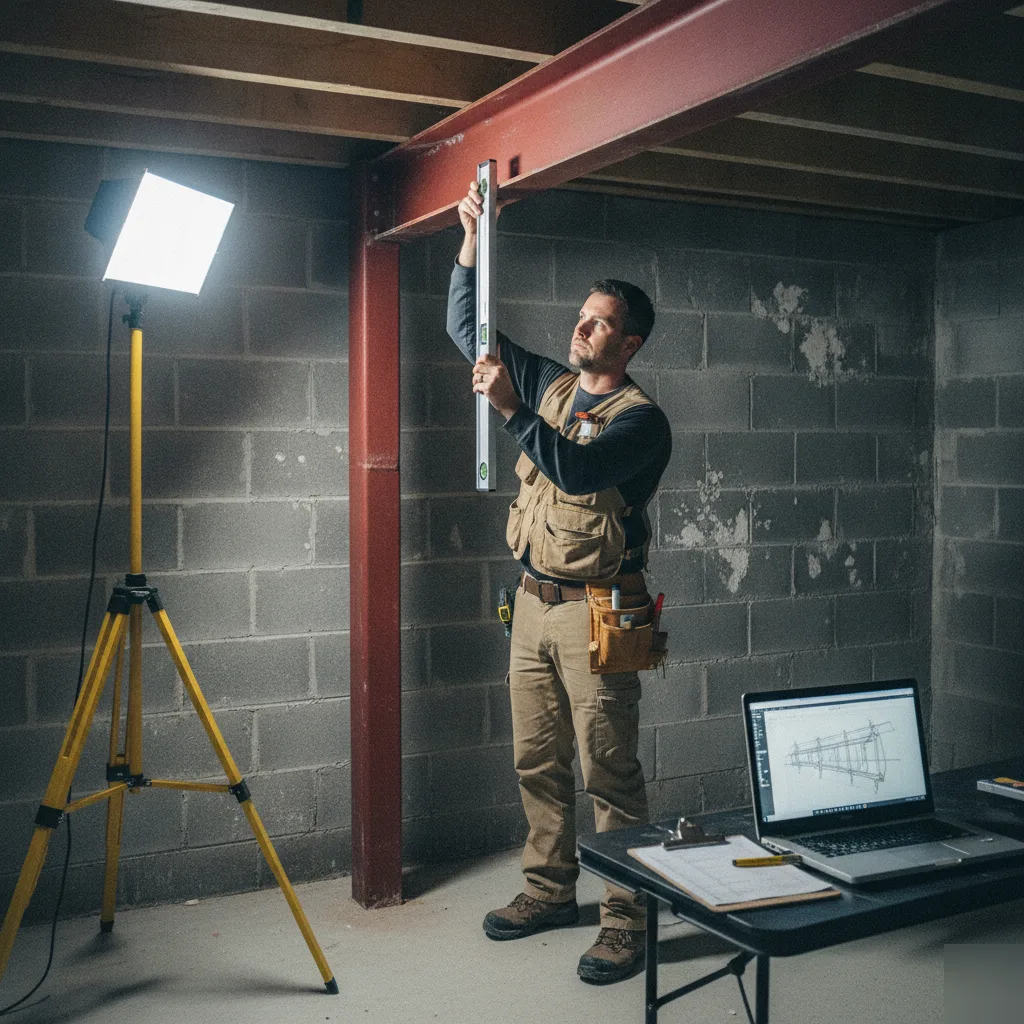
Say the report shows the structure is sound overall, but flags an aging support beam in the basement. That is not a dealbreaker. It is a maintenance item to budget for after move-in. Our reports separate urgent concerns from long-term items. This allows you to prioritize.
If you are already thinking about renovations, the report becomes your starting point. Want to remove a load bearing wall for an open concept kitchen? We have already evaluated the existing framing and load paths. That data feeds directly into structural engineering for the remodel. Scott's hands-on work with St. Louis County plan review means your permit drawings are built around exactly what the examiner needs to see.
You can share the report with contractors to get accurate repair bids. This removes guesswork and inflated estimates based on unknowns. Contractors in Clayton appreciate working from a licensed P.E.'s documentation because it removes ambiguity from the scope of work.
Do not file the report away. Use it to negotiate, plan, and protect your investment from day one.

Red Flags That Mean You Need a Structural Engineer Before Closing
Some things a general home inspector flags should warrant immediate attention. Not everything needs a structural engineer. Certain findings do. Ignoring them before closing can cost you tens of thousands after you move in.
We see buyers in Clayton every week who nearly overlook significant issues. A 1940s brick colonial near Wydown looked perfect upstairs. The basement told a different story. It had stair-step cracks running through the mortar joints, a bowing foundation wall, and a floor that sloped noticeably toward the back of the house. The home inspector noted "possible structural concerns" in the report. That line should trigger your next call.
These are the red flags that mean you need a licensed structural engineer involved before you sign:
- Diagonal or stair-step cracks in brick or block foundation walls.
- Floors that feel uneven or bounce when you walk across them.
- Doors and windows that stick or do not latch properly.
- Visible sagging in roof lines, ridge beams, or porch structures.
- Any mention of "structural" or "further evaluation recommended" in the home inspection report.
Most buyers do not realize this. A general home inspector is not licensed to diagnose structural problems. They can describe what they see, but they cannot tell you why it is happening or what it will take to fix it. That gap is where a pre-purchase structural inspection fits.
Older homes in Clayton often have stone foundations or early poured concrete that behaves differently from modern construction. Cracks in these materials do not always mean failure, nor do they always mean nothing. Buyers who call us say the same thing: "The inspector told us to get a structural engineer to look at it." That is the correct step.
Scott's years working with St. Louis County plan review give him insight into what these older systems were built to handle. He knows when they have reached their limit. Getting that answer before closing provides leverage, whether you negotiate repairs, adjust your offer, or walk away with confidence.
Frequently Asked Questions
What's the difference between a home inspector and a structural engineer for a pre-purchase inspection in Clayton?
A structural engineer gives you a licensed opinion on whether the house can safely carry its own weight — a home inspector cannot do that. Home inspectors check surfaces, appliances, and systems. They are not trained to evaluate load paths, foundation movement, or framing failures. In Clayton's older neighborhoods, that distinction matters. A home inspector might note "cracks in the basement wall." We tell you if those cracks mean active movement, what caused them, and what it takes to fix them before you close.
Why do Clayton's older brick homes carry more structural risk than newer construction?
Most of Clayton's housing stock was built between the 1920s and 1950s, and the clay-heavy soils here expand and shrink with every wet and dry season. That movement pushes against older stone and poured concrete foundations that don't flex like modern reinforced systems. Homes near Wydown and south of Maryland Avenue sit on some of the most reactive soil in the area. Eighty or ninety years of that cycle causes horizontal cracking, inward bowing, and stair-step cracks in brick — damage that isn't always visible from the street.
Can a structural inspection help me negotiate repairs or walk away from a deal?
Yes — a licensed structural engineer's report carries legal weight that a home inspector's report does not. Only a licensed professional engineer can provide a structural adequacy opinion valid for permitting or legal purposes. If the inspection finds an active foundation problem or a missing beam where a load-bearing wall was removed, you have documented, engineer-signed findings to use at the negotiating table. That report gives you real leverage — or a clear reason to walk away before closing.
How long does a pre-purchase structural inspection take in Clayton?
Most inspections take one to two hours, depending on the size and condition of the home. We start outside, reading the brick facade for stair-step cracks and bowing walls. Then we move to the basement, main floor framing, and roof structure where accessible. Older Clayton homes with additions or finished basements may take longer. After the visit, we prepare a written report with photos and measurements so you have clear findings before your inspection contingency deadline.
What if a seller says the basement has "always looked like that" — should I still get a structural inspection?
That's exactly when you need one. Sellers often don't know their foundation is actively moving — they've just lived with it. A half-inch bow in a basement wall can become a structural failure within a few years. A seller's disclosure won't catch what they can't see. We inspect these homes regularly in Clayton and the patterns are consistent: the age of the home, the reactive soil, and poor drainage around the foundation all compound quietly over decades until someone finally looks closely.
What should I do if my home inspector flagged cracks but said "recommend further evaluation"?
Call a structural engineer before your inspection contingency expires. "Further evaluation" is the inspector telling you they've reached the edge of their training. That note in the report is your signal to bring in someone licensed to make the actual call. We see this regularly with 1930s and 1940s brick colonials in Clayton — a flagged crack that turns out to be old settlement versus one that signals ongoing movement. Knowing which one you're dealing with changes everything about your decision to buy.