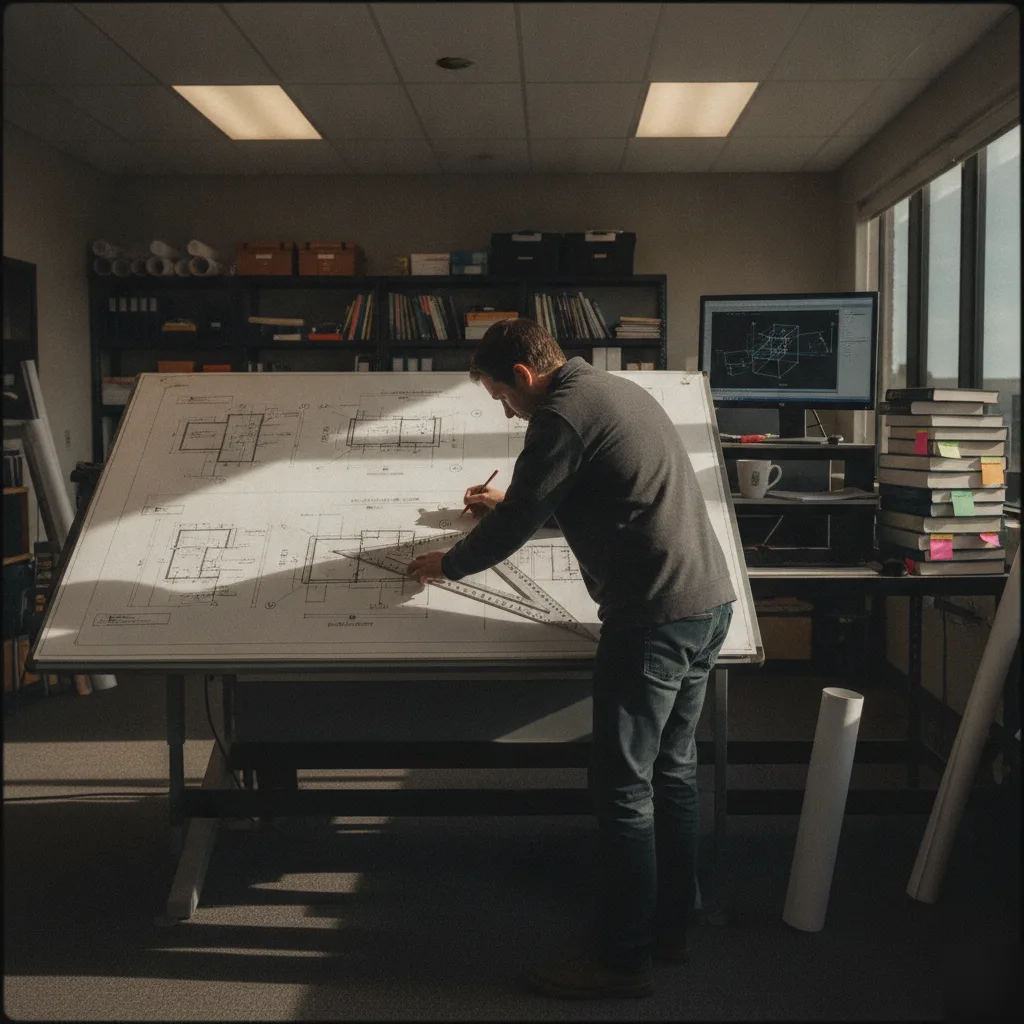
What Structural Permit Drawings Actually Include
When someone says "permit drawings," you might envision a basic floor plan. In reality, however, that is only a fraction of what a permit set entails. A full set of structural permit drawings consists of the engineering documents that demonstrate that a project is built safe and up to code, and is ready for construction. They will illustrate for the building department the exact way in which loads are carried through your building, from the roof to the foundation.
These are the components typically included in a typical permit drawing set for projects located in Clayton:
- Foundation Plans: Footing sizes, reinforcement, how to tie new work to existing foundations (poured or stone)
- Framing Plans: All the beams, joist sizes, and joist span and connections for every floor
- Structural Details: Post-to-beam connections, hold-down locations, shear walls
- Structural Calculations: These provide support for each and every beam, joist, and connection dimensioned on the drawings
- Load Path Diagrams: So the plan examiner can follow the gravity and lateral loads from the roof to the soil
We see this all the time, every single week. One week, it's a family in Wydown or Shaw Park who wants to tear out a load-bearing wall to create a kitchen with a big open area. They say, "We need engineered drawings!" But what is it that they actually mean? That means someone with a professional engineering (P.E.) license has to design the replacement beam, size the posts, and then check that the foundation under those posts will take the load, as well as produce a drawing set that the county building department will accept.
I cannot stress enough the importance of the second half of that sentence. The hands-on plan-reviewing experience I've gained with Scott over the years has enabled me to produce drawing sets for Clayton that meet the exact expectations of a plan examiner. This means no second guessing, no waiting weeks for a drawing set to come back to us with comments for revision.
All sheets are professionally sealed and signed by a licensed professional engineer. Calculations included with your structural drawings conform to the requirements of the current building code as it applies to your particular project. And whether we are preparing an architectural drawing set for a home addition, a kitchen remodel, or a large-scale home renovation in one of Clayton's pre-war homes, you can expect every drawing sheet in the set to be written with the questions that a plan examiner asks in mind.
And if you aren't exactly sure what type of drawing set your project requires, that's okay. It's actually pretty common for a homeowner to not know the difference between architectural or structural drafting. All you have to do is explain your project to us, and we'll handle the engineering that allows the building department to say yes.
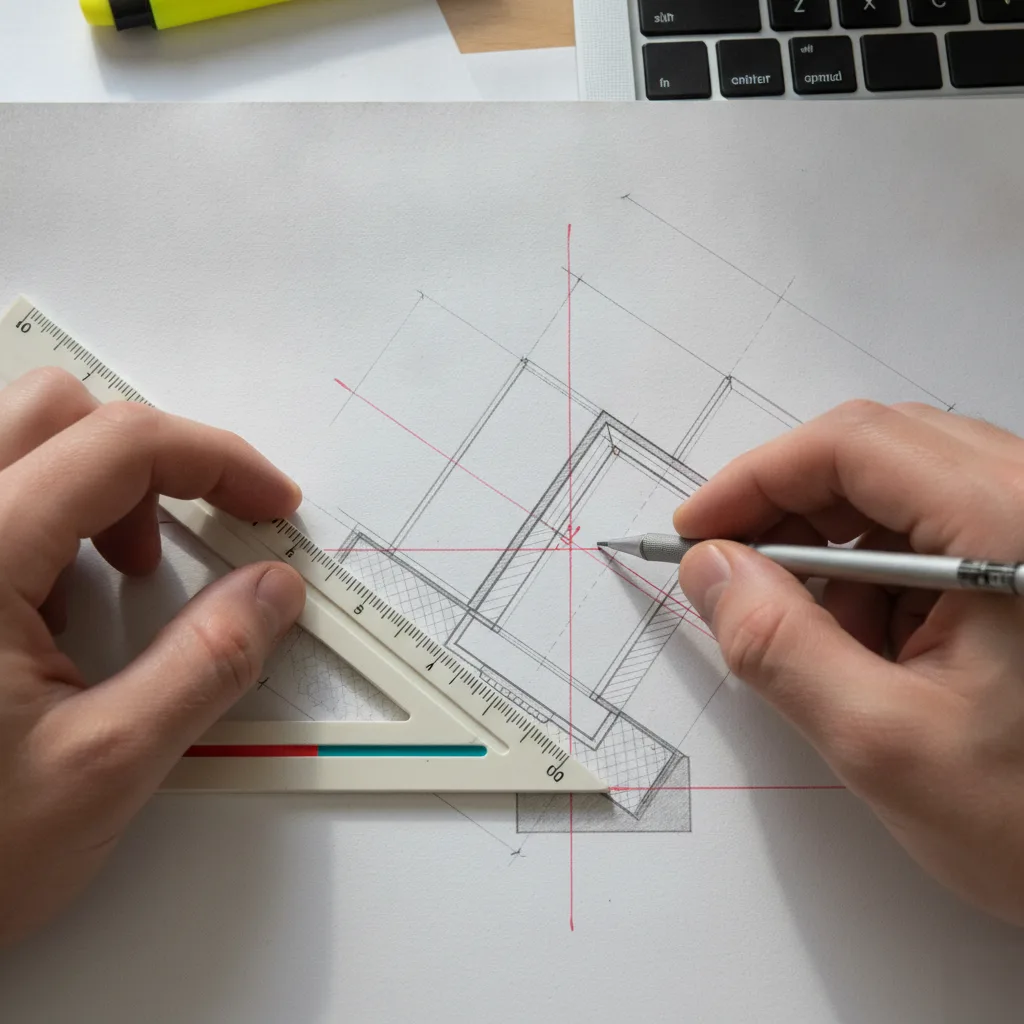
Projects That Trigger a Structural Permit Drawing Requirement
Not every building project requires permit-level structural drawings. However, more project types require these drawings than most homeowners expect.
Every week, I have a conversation or email with a person who had already spoken with an architect or a general contractor, had gotten excited about a project idea, and then suddenly found themselves stopped at the building department because the permit examiner had insisted that they get stamped and sealed structural drawings before a single nail could be driven. That's when I usually get the call from these people.
These are a few of the most common project types that would trigger the need for a structural permit drawing set for Clayton homeowners:
- Remove a load bearing wall. This is the big one. You want that open concept kitchen in your 1940s brick home near Wydown, and the contractor tells you the wall is coming down. St. Louis County isn't going to approve that until you've got an engineered beam and header design, professionally documented on a stamped drawing.
- Add a room. Adding square footage to an existing home means a new foundation, new framing, and new connections. Every component needs to be shown on the permit drawing.
- Foundation repairs or modifications. Older Clayton homes with stone or early poured concrete foundations sometimes need structural work. The county wants to know exactly what you are doing and how it ties into the structure.
- A deck or elevated structure. Any deck over a certain height or attached to the house requires structural calculations and drawings showing footings, ledger connections, and member size.
- Basement finished with structural changes. New basement egress windows, adding support columns, or modifying the floor system above all need engineering documentation.
And what a lot of people don't realize is even a kitchen remodel will trigger the requirement if you move a point of support or change the way the floor system carries weight. This isn't about how big the project is; it's about changing the way the building carries weight.
Our Clayton engineering services include direct experience inside the St. Louis County plan review office, giving us an intimate look at what gets flagged during a review. Your permit drawings will feature exactly what the plan reviewer wants to see. No guesswork. No back and forth. We have been on both sides of the plan review counter. If you were told you need "engineer stamped plans," this is what they are talking about.
What is the Permit Drawing Process and How Does It Work Step by Step?
Most Clayton home owners have never pulled a building permit, and that is perfectly fine. We pull permits every day, and we have built the process to make it as simple for you as possible.
Here is how the process is carried out from start to finish:
- Initial consultation and scope of work review. You let us know what you have in mind. You're taking a wall out in the kitchen, adding a room, repairing a foundation, and so on. We ask focused questions about the scope of work and review any plans or bids you may already have.
- Site visit and field measurements. We will come out and take measurements of the property as it exists today. For older Clayton homes, particularly the 1930s and 1940s brick home builds near Wydown or Shaw Park, this step is critical. Original drawings rarely exist, and we need to take accurate as-built measurements of the building.
- Structural analysis and calculations. This is where engineering happens. We run through the load paths, size beams and headers, check foundation capacity, and make sure every element of the construction is in accordance with code. Nothing gets drawn until the math has been done.
- Drawing production. We produce the structural permit drawings with all the detail St. Louis County plan reviewers expect. Framing plans, connection details, load schedules, notes. Every sheet is sealed by a licensed professional engineer. For state-funded or public projects in Missouri, designers must also meet specific submission standards outlined in the Missouri Designer Information Packet published by the Office of Administration.
- Plan review support. If the examiner has questions or requests revisions, we respond directly. Scott's background in St. Louis County plan review means your drawings are built around exactly what the examiner needs to see. That cuts back-and-forth down to almost nothing.
The whole process typically takes one to two weeks depending on project complexity. A straightforward load bearing wall removal moves faster than a full home addition with new foundation work.
One thing we see constantly: homeowners who started with a contractor, got told they need engineered drawings, and now feel stuck. You're not behind. This is normal, it happens on nearly every project that touches structure in Clayton's permit process.
And your contractor stays in the loop the whole time. We coordinate so the drawings match what they need to build from. No surprises on site.
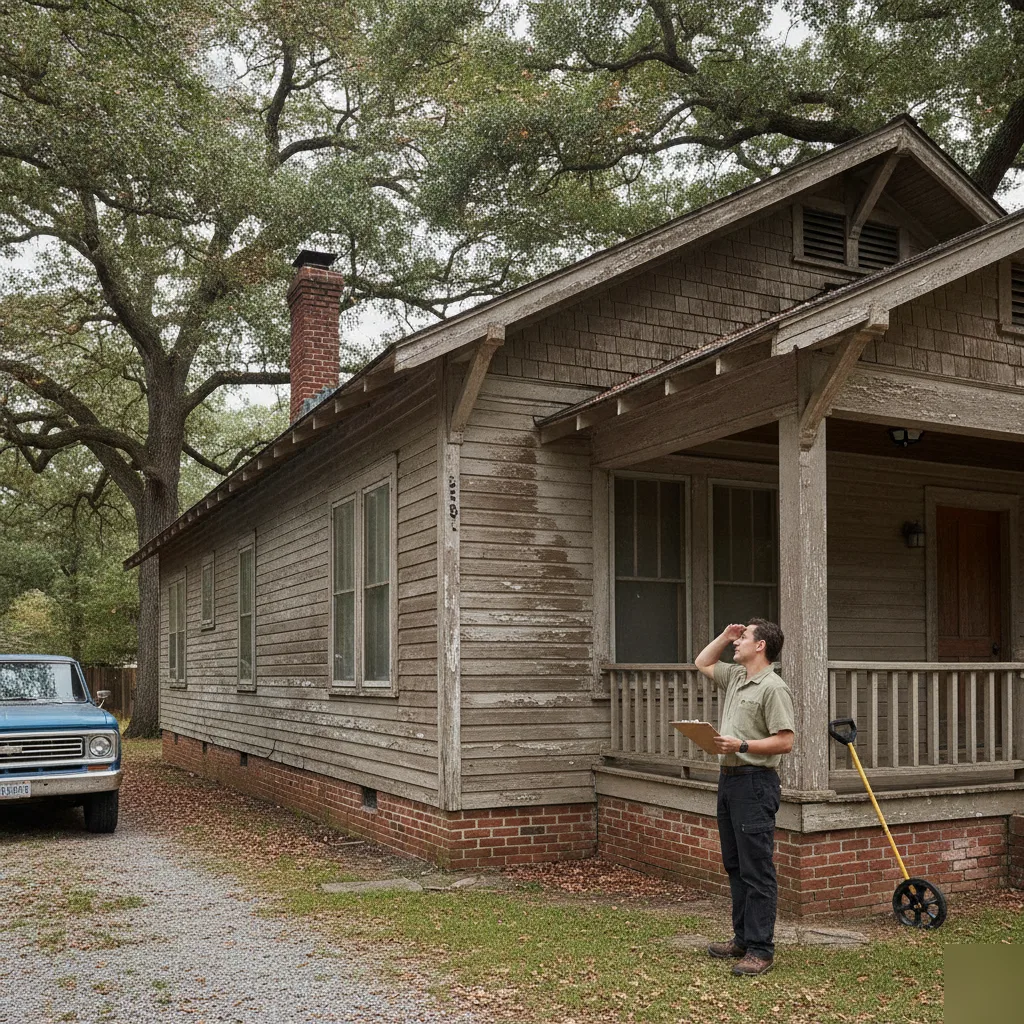
Why Older Clayton Homes Require Extra Care in Structural Drawings
Most of the homes we work on in Clayton were built between the 1920s and 1950s. That matters more than people realize.
A house from 1938 wasn't built to the same codes we use today. The framing lumber is different. The foundation might be stone or early poured concrete with no rebar. Floor joists could be true-dimension lumber at spacings that don't match modern span tables. And the original builder probably didn't leave behind any drawings at all. So when you want to open up a kitchen wall or add a second story, we're not just designing new structures. We're figuring out what's already there and how it actually carries load.
This is where structural permit drawings for older homes get more involved. We can't assume anything about existing conditions. We verify them. That usually means a site visit to measure framing members, check foundation type, and look at how loads transfer through the building. Without that step, the drawings are guesswork.
Here's what we commonly find in older Clayton homes near Wydown or the Central Business District:
- Stone foundations with lime mortar joints that have softened over decades
- Load bearing walls in unexpected locations because the original layout didn't follow open-concept logic
- Balloon framing instead of platform framing, which changes how we detail connections
- Floor systems that were adequate in 1940 but don't meet current deflection limits for tile or heavy finishes
Often, the homeowner has no idea these conditions exist until we open things up. That's normal. But it's exactly why the permit drawings need to account for real-world conditions, not textbook assumptions.
In practice, that means Scott's experience in the St. Louis County plan review department has shaped all of our permit drawings to show plan examiners exactly what they need to see. In the case of most older buildings in Clayton, that includes both "as existing" details along with proposed drawings. Plan examiners want to see that someone looked at the existing condition before they began to propose an engineering solution. We show you that on every single sheet of our drawings.
Failing to include this information is usually why projects get hung up in plan review, and we've seen countless examples of drawings done by companies that fail to visit a site prior to producing plans.
Common Reasons Permit Drawings Get Rejected, and How to Avoid Them
We have a couple of rejected permit drawing sets land on our desk every single week. A homeowner in Clayton has someone draw up their plans, submit them to St. Louis County, and come back to them with a correction. Sometimes two or three rounds of corrections. It adds weeks to the construction of a project that is supposed to already be under construction.
The reasons are almost all always the same.
- Missing structural calculations. You show the new beam or header but you haven't shown any calculations on paper to prove it. That plan examiner isn't going to approve what they can't check.
- Incomplete load paths. You show how loads get from the roof to the floor but not from the floor to the foundation. Loads have a path. Every path needs to be shown.
- Wrong or outdated codes. St. Louis County has certain adopted codes. When you submit drawings that reference a different edition or jurisdiction, it is immediately rejected.
- Inadequate details for connections. Showing "attach per manufacturer specs" isn't going to cut it. A plan examiner wants to see bolt sizes, spacing and hardware callouts shown on the drawings.
- No foundation details for an addition. Many homes near Wydown or in the older sections of Clayton have stone foundation. An addition to this type of home needs to have an engineering solution for its foundation to account for its existing condition.
Every rejected set of drawings tell the same story. The drawings got drawn but they weren't drawn to show plan reviewers what they need to know. Because of Scott's knowledge and experience in the St. Louis County plan review department, our permit drawings get built to show plan reviewers exactly what they need to know. It is not guessing or theory; it is knowledge and experience from working in the St. Louis County plan review process.
Also, something most people don't realize, a rejected set of drawings doesn't just add time to your project. Your schedule changes. Your material deliveries get delayed. Your neighbors get a notice of work starting on a project that never started.
We build every drawing set to get submitted and approved right away. Structural calculations included. Load paths included. Connection details included. If you've had your drawings rejected before in Clayton, send us the comments and correction and we'll work from there. Need help? Give us a call.
Frequently Asked Questions
Do I really need stamped structural drawings just to remove one wall in my Clayton home?
Yes, removing a load-bearing wall in Clayton requires stamped structural drawings before the building department will approve your permit. St. Louis County plan examiners will not sign off on that work without an engineered beam and header design on a sealed drawing set. This comes up constantly with older brick homes near Wydown and Shaw Park. Even if the wall looks simple, the county needs to see exactly how the new beam carries the load down to the foundation.
How long does it take to get structural permit drawings completed for a Clayton project?
Most structural permit drawing sets for Clayton projects are completed within one to two weeks from the initial consultation. Timeline depends on project complexity — a single load-bearing wall removal moves faster than a full addition with new foundation work. The bigger delay most homeowners face is not the drawing process itself. It is going back and forth with the building department after submitting an incomplete set. Getting the drawings right the first time is what keeps your project on schedule.
What makes Clayton's building department review different from other municipalities?
Clayton falls under St. Louis County plan review, and the examiners there are detail-oriented about load path documentation and connection details. Older pre-war homes common throughout Clayton add another layer — stone foundations and early poured concrete require specific tie-in details that a generic drawing set will miss. Plan examiners flag these issues quickly. Drawing sets prepared with direct knowledge of what Clayton reviewers look for move through the process without revision comments holding up your permit.
What should I bring or have ready before my first consultation about permit drawings?
Bring any existing plans, surveys, or blueprints you have for your home — even partial or old ones are helpful. If you do not have any, that is completely normal for older Clayton homes. Photos of the area you want to change and a rough description of your project goals are enough to get started. You do not need to know the engineering terms or understand load paths. Just explain what you want to do, and the scope of drawings needed becomes clear from there.
Can a kitchen remodel in Clayton trigger the need for structural permit drawings?
Yes, a kitchen remodel can absolutely require structural permit drawings if it involves moving a support point or changing how the floor system carries weight. Many homeowners are surprised by this. It is not about how big the remodel is — it is about whether the structure is being altered. Moving an island, removing a partial wall, or adding a beam above a peninsula can all cross that line. The building department looks at structural impact, not project size or budget.
What happens if I skip the structural drawings and start construction anyway?
Starting structural work in Clayton without approved permit drawings can result in a stop-work order, required demolition of completed work, and significant delays. Inspectors can and do flag unpermitted structural changes during future real estate transactions too. The cost and stress of correcting unpermitted work almost always exceeds the cost of doing it right the first time. If you were told you need engineer-stamped plans and are unsure what that means, that is exactly the right time to reach out before breaking ground.