What As-Built Drawings Actually Document
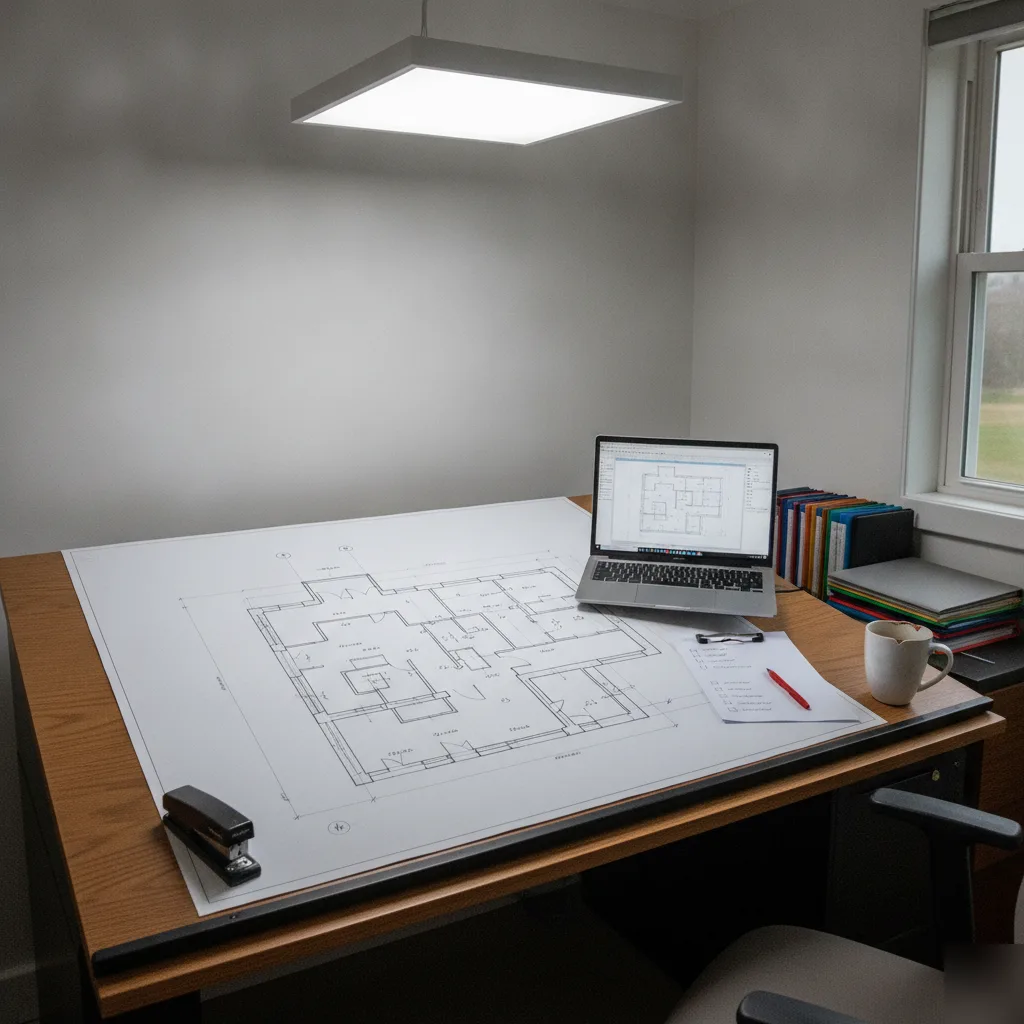
Most people think as-built drawings are just floor plans. They are not. These drawings provide a full record of what your building looks like right now, including the framing members behind the walls and the foundation below the slab.
We document everything an architect or plan examiner needs to see before new work starts. This includes structural elements, load paths, floor-to-ceiling heights, window and door locations, wall thicknesses, and any existing mechanical penetrations. For older Clayton homes, especially the 1930s and 1940s brick construction near Wydown or along Forsyth, original drawings are often missing or were never created.
A typical set of as-built drawings from our team includes:
- Existing floor plans with accurate dimensions of every room, hallway, and stairwell
- Structural notes identifying load-bearing walls, beam locations, and foundation type
- Roof framing layout and ceiling conditions where visible or accessible
- Location of major mechanical, electrical, and plumbing runs that affect structural work
Most homeowners who call us are planning a renovation. They may want to remove a wall, add a room, or reconfigure a kitchen. These projects cannot move forward without knowing what currently exists. As-built drawings bridge this information gap.
St. Louis County requires as-built drawings when you submit permit drawings for a remodel. Scott's direct experience with county plan examiners means your permit drawings are built around exactly what the examiner needs to see. We have completed this process hundreds of times in Clayton and surrounding St. Louis County communities.
The measurements we take on site become the foundation for every structural calculation, every beam design, and every permit set that follows. Incorrect as-built drawings mean the entire project starts with flawed information. We prevent this from happening.
When a Project Requires As-Built Drawings
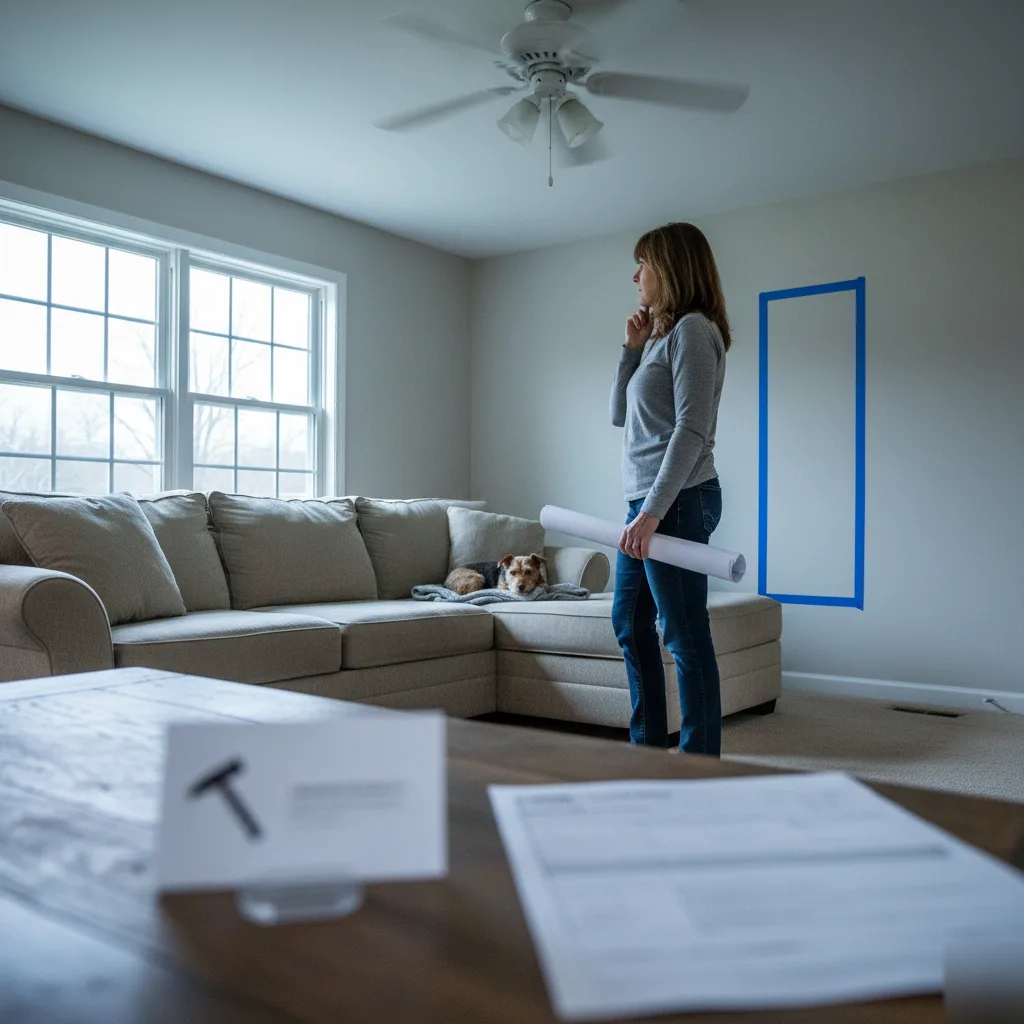
If you have a renovation planned, such as a load-bearing wall removal to open up a kitchen in your 1930s brick home near Wydown Terrace, St. Louis County needs permit drawings. This is required before any construction can begin.
The challenge often arises when original blueprints for your Clayton home are missing.
This is the most common reason homeowners contact us for as-built drawings. Original construction documents often do not exist, do not match the existing structure, or are too outdated for permitting purposes. We see this regularly with older homes in Clayton, particularly properties from the 1920s through 1950s that have undergone decades of additions and modifications without consistent records.
When exactly do you need as-built drawings? This is often required in situations like:
- Before a home addition when the engineer needs current framing, foundation type, and load paths
- When removing or modifying walls, if the permit examiner requires a "before" drawing showing current conditions
- During a pre-purchase structural inspection that reveals conditions requiring engineered repair drawings
- For kitchen or bathroom renovations that change the structural layout of the floor system
Without accurate as-built drawings, structural calculations lack a starting point. Your permit application can stall. We have seen Clayton homeowners submit permit drawings based on guesswork. The county rejected these, causing delays of several weeks.
Our process starts with a site visit to your property in Clayton. We measure all critical elements: wall locations, ceiling heights, floor-to-floor dimensions, visible structural members, and foundation conditions. If your home has a stone or older poured concrete foundation, we document this. This information directly affects the engineer's design.
Scott's hands-on familiarity with county permit requirements means your drawings are built around exactly what the examiner needs to see. This is how every architect Clayton area homeowners and contractors work with should approach documentation: existing conditions first, proposed changes layered on top. That sequence allows the entire package to move through review without unnecessary back-and-forth.
How the Field Measurement Process Works
Every set of as-built drawings begins with a site visit. We do not guess from old blueprints or county records. We visit the site, measure what is actually present, and document it with precision.
A typical field measurement visit for a Clayton home involves these steps:
- Walk the property and note the overall layout. We confirm room locations, wall positions, window placements, and door swings. For older Clayton homes built in the 1930s and 1940s, the original floor plan rarely matches the current structure.
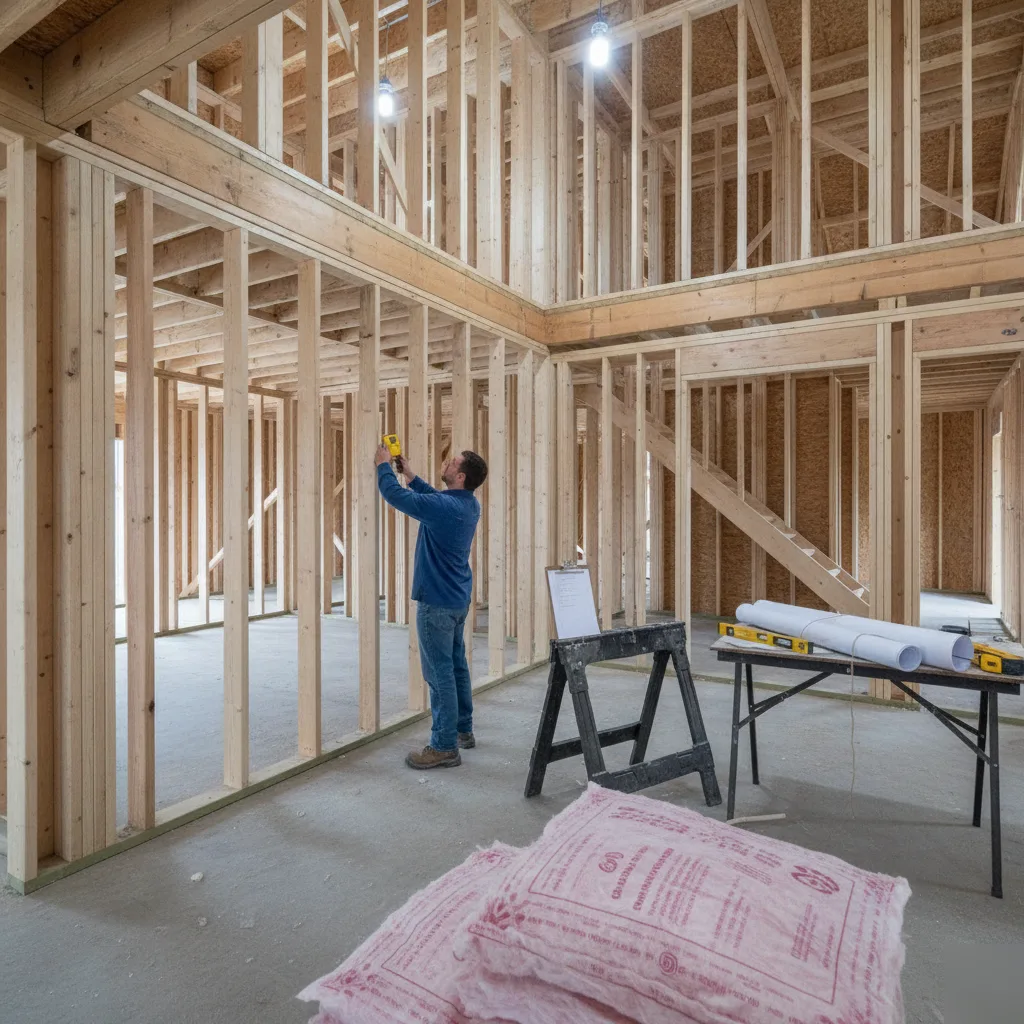
- Measure every wall, ceiling height, and structural element. We use laser distance meters and traditional tape for tight spots. This includes framing members, beam locations, column positions, and foundation walls, all recorded on-site.
- Document existing conditions that affect your project. This involves noting foundation type, floor framing direction, load paths, and any visible modifications from past renovations. Many homes near Wydown have undergone additions or kitchen expansions over the decades, and these changes are important.
- Photograph key areas for reference. Photos support every measurement. They help us identify details during drafting that might otherwise require an additional site visit.
- Verify critical dimensions before leaving. We double-check anything that appears unusual. This includes walls that are not plumb, sloping floors, or rooms that are not square. These conditions appear frequently in older construction.
The entire visit typically takes one to three hours, depending on the home's size. We have measured everything from 900-square-foot bungalows to 4,000-square-foot colonials in Clayton. Larger homes require more time, while simple layouts proceed quickly.
Sometimes we find conditions that do not match the homeowner's expectations. A wall assumed to be non-structural may carry a floor load above it. An addition from the 1970s might have framing that does not meet current code. These early discoveries save significant money and problems later.
Because Scott has worked directly with St. Louis County plan examiners, he knows exactly which dimensions and details they will want to see on the final drawings. This results in fewer revisions and faster permit approval for your project.
Accuracy Standards and Format Requirements for Permit Submission
St. Louis County plan examiners do not guess. They review your drawings, comparing every dimension, structural member, and connection detail against code requirements. If something is off by even a few inches, your permit will be rejected.
We observe this frequently in Clayton's renovation market. A homeowner buys a 1940s brick colonial near Wydown, and then realizes accurate drawings of the existing structure are unavailable. The original plans are often missing or do not match what was built. This is where as-built drawings become the foundation for all subsequent work.
What the County Needs to See
Every set of drawings we produce for Clayton projects includes specific elements that St. Louis County requires:
- Accurate floor plans with verified dimensions of every room, wall, and opening
- Structural member sizes and locations, including beams, headers, and load paths
- Foundation type and condition notes, especially for older stone or poured concrete systems
- Ceiling heights, floor elevations, and any changes between levels
Accuracy alone is not sufficient. Format is also important. Drawings require proper scale, clear labeling, and a layout a plan examiner can read without requesting clarification. Scott's background working with county examiners means your permit drawings are built around exactly what they need to see. For additional context on professional obligations surrounding as-built documentation, the professional guidance on as-built drawings from the National Society of Professional Engineers outlines the ethical standards engineers are held to when sharing and producing these records.
Measurement Tolerances That Actually Matter
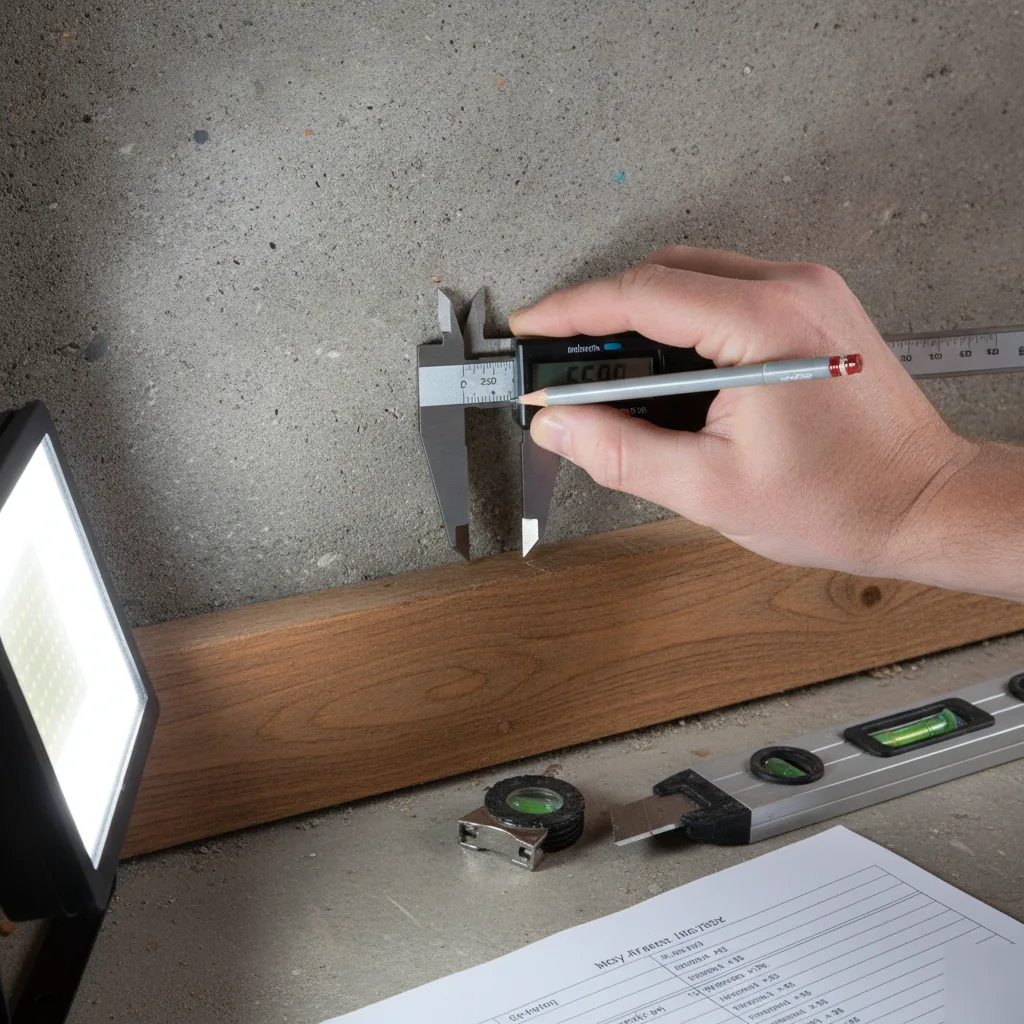
According to the American Institute of Architects, as-built drawings should reflect field conditions within a quarter-inch tolerance for structural elements. We maintain this standard on all projects.
The biggest problems we find involve walls that shifted during original construction. A framing wall that is two inches off from the original blueprints changes your load calculations entirely. It also changes beam sizing and connection details. If your new structural drawings are based on inaccurate measurements, the entire permit package becomes invalid.
This is why we field-verify everything ourselves. We do not rely on old plans, sketches, or homeowner measurements. We conduct on-site measurements and documentation. Then, we draft drawings that withstand review.
Protecting Your Clayton Property with Reliable Documentation
Your home in Clayton represents a significant investment. The documentation supporting it is more important than many realize, especially when issues arise.
We have witnessed this scenario frequently. A homeowner near Wydown Terrace plans to finish a basement or add a sunroom. The engineer requests as-built drawings. These drawings are often unavailable. The original builder is no longer in business, and the permit office may have only a faded, barely readable scan from 1952. This stalls the project before it can even begin. As-built drawings prevent this exact situation.
Consider as-built drawings a structural record of your property as it stands today. They show what is actually there, not just what original plans indicated or what someone assumed was built. Accurate documentation protects you in various situations:
- Insurance claims after storm or wind damage, when adjusters need proof of as-built conditions
- Property sales when a buyer's engineer requests structural records before closing
- Future renovation projects that require a verified starting point for new permit drawings
- Disputes with contractors over what was built versus what was specified
Clayton's housing stock includes many 1930s and 1940s brick homes. Many of these have been modified over the decades, sometimes with permits, sometimes without. Stone foundations are patched. Load-bearing walls are often moved. Rooms are added. Without a current set of as-built drawings, you are left to guess what holds your house together. We see this regularly.
Scott's background with county permit review means your documentation meets the same standard the examiner holds it to. This is a significant advantage. Drawings that fall short of county expectations create delays, resubmittals, and additional costs. Our drawings prevent this.
Protection extends beyond permit approval. It involves knowing the exact structural conditions of your property. A clear structural record provides confidence when planning work, selling your home, or responding to unexpected damage. Properties in Clayton hold significant value. The quality of documentation behind them should reflect this.
Frequently Asked Questions
Do I really need as-built drawings if I already have old blueprints for my Clayton home?
Old blueprints are often not enough. Most older Clayton homes, especially those built in the 1920s through 1950s, have been modified over the decades. Additions, wall removals, and kitchen expansions rarely made it into the original drawings. St. Louis County plan examiners need drawings that show what exists right now, not what was built 80 years ago. If your blueprints do not match the current structure, the county will reject your permit application and you will lose weeks of time.
How long does a field measurement visit take for a Clayton home?
Most field measurement visits take one to three hours. A smaller bungalow moves quickly, while a larger colonial takes more time. We measure every wall, ceiling height, and structural element on-site. We do not rely on county records or old plans. Before we leave, we double-check anything unusual, like sloping floors or walls that are not square. These conditions show up often in older Clayton construction and need to be captured accurately the first time.
What happens if my Clayton home has a stone or older poured concrete foundation?
We document it exactly as it exists. Older foundation types are common in Clayton, particularly near Wydown and along Forsyth. The foundation type directly affects how an engineer designs your project. A stone foundation carries loads differently than a poured concrete one. If we do not record this correctly, the structural calculations that follow will be based on wrong information. We note the foundation material, condition, and any visible modifications during the site visit.
Can I submit a permit application in Clayton without as-built drawings?
You can try, but St. Louis County plan examiners will likely reject it. We have seen Clayton homeowners submit permit drawings based on guesswork or outdated plans. The county sent them back, causing delays of several weeks. For any remodel that changes the structural layout, such as removing a load-bearing wall or adding a room, the county needs a clear picture of existing conditions before they will approve proposed changes. As-built drawings give the examiner exactly what they need to move your permit forward.
What specific things do you document during a Clayton as-built drawing project?
We document the full picture of your existing structure. This includes accurate room dimensions, wall thicknesses, ceiling heights, window and door locations, load-bearing wall positions, beam and column locations, foundation type, and floor framing direction. We also note any mechanical, electrical, or plumbing runs that affect structural work. For homes near Wydown Terrace that have had past additions, we capture those changes too. Every detail we record on-site becomes the starting point for your permit drawings and structural calculations.
What should I do to prepare for the as-built drawing site visit at my home?
Give us clear access to every room, including the basement, attic, and any crawl spaces. If you have any old blueprints or permit records, have them ready. We may use them as a reference, even if they are outdated. Move large furniture away from walls where possible so we can measure accurately. If there are areas with recent renovations or past additions, point those out when we arrive. The more access we have, the faster and more accurate the visit will be.