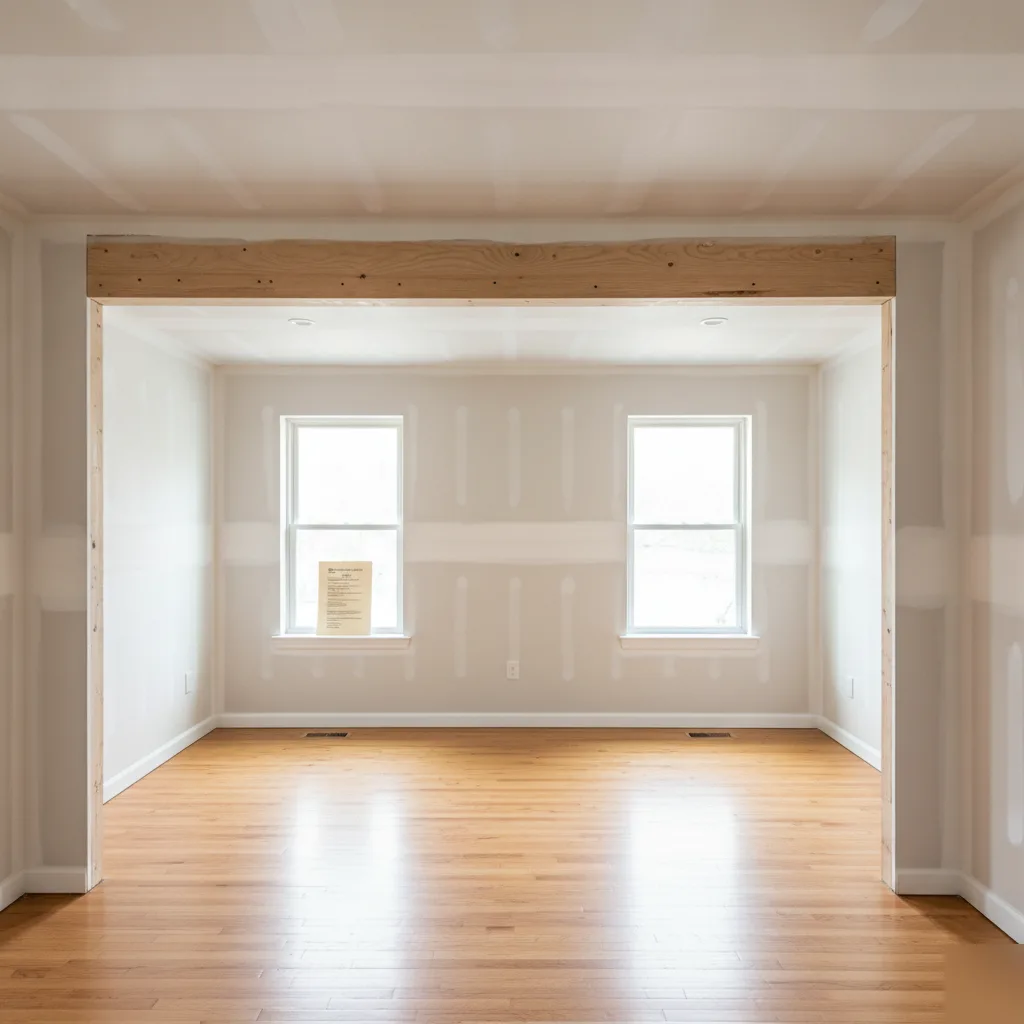
What Interior Space Renovation Actually Includes
Most people picture new paint and flooring when they hear "renovation." That describes the finished work. Interior space renovation begins much earlier, with the structure behind your walls.
This involves the engineering side. We determine if your floor plan idea is buildable. In Clayton, we work on homes built across every decade since the 1920s. Each home has its own framing style, foundation type, and load path quirks. Before any construction starts, you need a clear picture of what supports your house and what can safely change.
The Structural Scope
- Removing or relocating load-bearing walls to open up kitchens, dining rooms, or living areas.
- Designing new beam and header systems to carry loads where walls used to be.
- Reconfiguring floor plans with structural calculations that meet St. Louis County code.
- Producing permit-ready structural drawings for plan review submission.
- Evaluating existing floor systems for added loads from layout changes or new fixtures.
A Clayton homeowner often calls us wanting an open-concept kitchen. They may have already talked to a contractor. The project needs engineer-stamped plans before pulling a permit. That is where we come in.
It's not just wall removal. Sometimes we relocate a staircase. Other times it involves reinforcing a floor system to add a freestanding tub upstairs. We have seen older homes near Wydown where original floor joists were undersized by today's standards. These calculations are not guesswork.
Scott's direct experience in St. Louis County plan review means your permit drawings are built around exactly what the examiner needs to see. This prevents back-and-forth revisions and resubmissions that extend your project timeline and it is the standard every custom architecture Clayton project receives from Open Concept Engineering.
The goal is straightforward. You get a renovation that looks and performs as you expect. We size every beam, detail every connection, and verify every load path before construction starts.

Why Older Building Stock Demands a Structural Expert First
Most homes in Clayton were built between the 1920s and 1950s. This is not a problem. However, it means materials, framing methods, and foundation types differ from newer construction. These differences matter when you consider interior space renovation.
We observe this constantly. A homeowner near Wydown wants to open up their kitchen by removing a wall. The contractor might say it looks doable. We then get involved and discover the wall carries roof loads, second-floor joists, or both. Older brick homes in Clayton often have load paths not obvious from a visual inspection alone.
Here's what makes these older structures tricky:
- Stone or early poured concrete foundations not designed for modern point loads from new beams.
- Balloon framing instead of platform framing. This changes how loads transfer through walls.
- Plaster-and-lath walls often hide structural elements that require engineering analysis to identify.
- Original floor joists may be undersized by current code standards.
None of this prevents renovation. It means you need someone who understands the structure before any demolition begins. A licensed P.E. evaluates how your home actually carries weight, not just its visible appearance. Industry guidance such as seismic evaluation and retrofit standards underscores how critical it is to assess existing building structures before modifying them.
Scott's direct experience in St. Louis County plan review means your permit drawings are built around exactly what the examiner needs to see. This saves you revision cycles and downtime. It keeps your Clayton renovation on schedule, avoiding delays in a review loop.
Your home has stood for 80 or 90 years because its structure works. Our job is to confirm your renovation respects that structure while giving you the space you want to live in. We determine what can move, what needs reinforcement, and what must stay. This upfront clarity is more valuable than any guess from a tape measure and a flashlight.
The Step-by-Step Process from First Call to Permit-Ready Drawings
You have a vision for your space. This might be removing a wall between the kitchen and dining room in your 1940s brick home near Wydown, or a full interior reconfiguration. Here is how we move from your first phone call to permit-ready structural drawings.
- Initial consultation. You call or submit a request. We ask about the project scope, your timeline, and if you have started working with a contractor or architect. Most Clayton homeowners contact us before demolition begins, which is ideal.
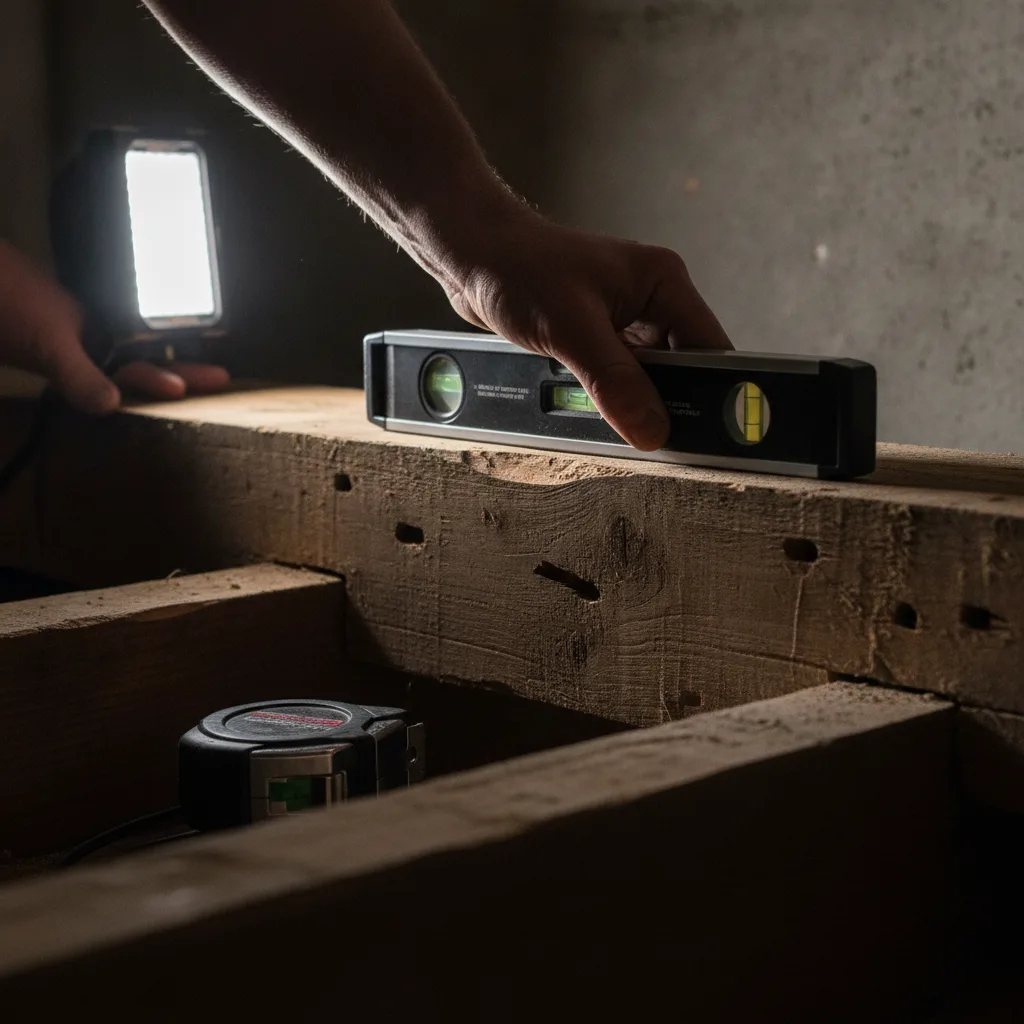
- On-site assessment. We visit your home to evaluate the existing structure. For interior space renovation, this includes checking framing, load paths, foundation conditions, and any hidden issues behind walls or ceilings. We take measurements and photos for our engineering analysis.
- Structural analysis and design. Back at our offices, we perform the necessary calculations. This includes beam sizes, header specifications, connection details, and floor system loads. Every number undergoes verification against current St. Louis County building code requirements.
- Permit drawing preparation. Scott's direct experience in St. Louis County plan review means your permit drawings are built around exactly what the examiner needs to see. This eliminates guesswork and resubmittals. We include structural details, notes, and specifications that address examiner requirements directly.
- Review and submission support. You receive a full set of drawings for review. We walk you through every detail, helping you understand the structural components. If the permit office has questions, we address them directly.
The entire process typically takes days, not weeks. We have completed hundreds of projects across Clayton and surrounding St. Louis County communities.
The biggest delay is rarely engineering. It occurs when homeowners wait too long to call. Contractors get held up, and permit timelines stretch. When structural work is completed early, everything else flows smoothly.
Not sure where you are in the process? That is fine. We meet you at any stage and keep things moving forward.
Clayton's Permit Process and Why Local Code Knowledge Matters
Most interior space renovation projects in Clayton require a building permit. This is not optional. St. Louis County enforces these requirements, and Clayton's building department follows those codes closely. Removing a wall, reconfiguring a bathroom, or changing a staircase layout all trigger plan review.
A common issue arises when submitting drawings that do not match what the examiner expects to see.
We observe this constantly. A homeowner hires a contractor who sketches something up, and the permit office sends it back with a list of corrections. This back-and-forth can add weeks, sometimes months, to your timeline. Each round of revisions costs you momentum, money, and patience.
Scott's direct experience in St. Louis County plan review means your permit drawings are built around exactly what the examiner needs to see. He understands the format, structural detail requirements, and load path documentation reviewers look for before stamping approval. This is not a guess.
What Clayton Permit Submissions Typically Need
- Structural calculations for how new beams or headers carry redistributed loads.
- Floor plans with clearly marked demolition and new construction.
- Foundation details when existing footings are affected by the renovation.
- Connection details for any modified framing members.
Older homes near Wydown or along Brentwood Boulevard often have original framing that differs from current code assumptions. Stone foundations from the 1930s function differently from modern poured concrete. Your permit drawings need to reflect that reality, not just present an aesthetic layout.
This matters more than most people realize. A clean permit submission keeps your contractor on schedule and your project budget intact. A rejected submission stalls everything. Your contractor cannot start demolition, materials sit in a warehouse, and your kitchen remains torn apart longer than planned.
We prepare structural permit drawings that achieve first-pass permit approval. This is our standard in Clayton and surrounding St. Louis County communities. Need help getting your renovation permitted? Give us a call.
Structural Mistakes That Derail Renovation Projects Mid-Build
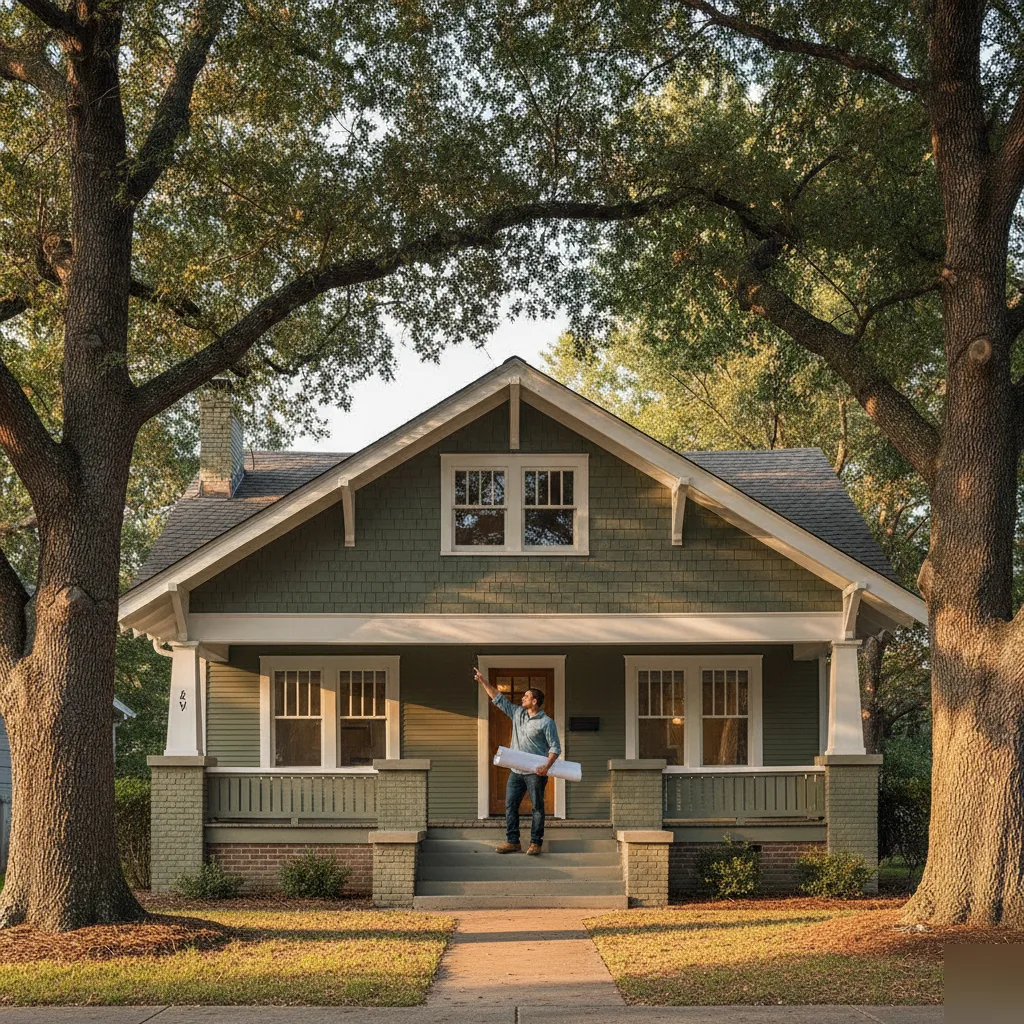
We regularly receive calls from Clayton homeowners who started a renovation without structural engineering. The project is half done. The contractor hit something unexpected. Now everything is on hold.
That is the worst time to find out you have a problem.
Most mid-build failures result from a few common mistakes. We have seen each of them in homes across Clayton and surrounding St. Louis County communities, sometimes within the same project:
- Removing a wall assumed to be non-load-bearing when it actually carries floor or roof loads above.
- Undersizing a replacement beam or header because the span calculation failed to account for real tributary loads.
- Cutting into floor joists to accommodate new plumbing or HVAC runs without proper reinforcement.
- Skipping a foundation check before adding weight due to a reconfigured layout.
The first mistake is particularly common. It involves a wall someone thought was "just a partition." In older Clayton brick homes built in the 1930s and 1940s, framing does not always follow modern conventions. Load paths can be tricky. A wall in the middle of a basement might be holding up a center beam that supports the entire first floor. Removing it without proper beam and header design will lead to sagging floors within weeks.
Here is what makes it expensive. Once a contractor stops work mid-build, you pay for idle time. You pay for an emergency engineering assessment and potentially for demolition of work already done incorrectly. The fix often costs three or four times what the upfront engineering would have.
Scott's direct experience in St. Louis County plan review means problems get caught on paper, not on the job site. We complete structural calculations before any construction begins. That is the difference between a renovation that flows smoothly and one that stalls for six weeks waiting on a corrected permit.
Not sure if your project needs a structural review before construction starts? It almost certainly does. Give us a call, and we can provide clarity quickly.
Frequently Asked Questions
Do I need a structural engineer before my contractor starts the demo in Clayton?
Yes, you need engineer-stamped plans before pulling a permit in Clayton. St. Louis County requires structural drawings for any load-bearing wall removal or floor plan change. Your contractor cannot legally begin demolition without an approved permit. Getting the engineer involved first — before demo — also prevents costly surprises. Older Clayton homes near Wydown often have hidden load paths that only show up during a proper structural assessment.
How long does the structural engineering process take for an interior renovation?
The full process — site visit, structural analysis, and permit-ready drawings — typically takes days, not weeks. The on-site assessment usually happens within a few days of your first call. Calculations and drawing preparation follow from there. The biggest delays happen when homeowners wait too long to reach out. Calling before your contractor is ready to pull a permit keeps your Clayton renovation on schedule.
What makes older Clayton homes harder to renovate than newer construction?
Older Clayton homes — most built between the 1920s and 1950s — use balloon framing, stone foundations, and plaster-and-lath walls. These materials carry loads differently than modern platform-framed homes. A wall that looks non-structural may actually carry roof loads or second-floor joists. Original floor joists are often undersized by today's code standards. None of this stops a renovation, but it does mean a licensed structural engineer needs to evaluate the home before any walls come down.
Will the permit office send my drawings back for corrections?
Not if your drawings are built around what the St. Louis County plan examiner actually needs to see. Generic or incomplete structural drawings get flagged and sent back, which delays your project. When permit drawings include the right beam specs, connection details, and code references from the start, the review process moves faster. Direct experience with St. Louis County plan review means fewer revision cycles and less waiting for you.
What happens during the on-site structural assessment for my Clayton home?
During the site visit, we check your framing, load paths, foundation conditions, and anything hidden behind walls or ceilings. We take measurements and photos used in the engineering analysis. For a typical open-concept kitchen project in Clayton, this means tracing how loads travel from the roof down through the floors to the foundation. The assessment gives us a clear picture of what can safely change and what needs reinforcement before construction starts.