
What Bathroom Renovation Design Actually Delivers
Most people think bathroom renovation design means picking tile and paint colors. It does not. What you actually get is a set of engineered drawings. These drawings tell you exactly how to build what you want, to code.
We see this confusion every week in Clayton. A homeowner plans their bathroom remodel. Maybe it involves a larger shower, a freestanding tub, or moving a wall to create an open-concept space. They hire a contractor, then start pulling permits. St. Louis County then requests structural calculations. This is where the project stalls.
Bathroom renovation design from a licensed P.E. addresses the structural side of your remodel. This is what it includes:
- Structural drawings showing any wall modifications, new openings, or beam requirements
- Floor system analysis confirms your joists can handle new loads. These loads include tile, stone, or a cast iron tub.
- Permit-ready documentation that meets county building standards
- Coordination notes your contractor can build from
Consider removing a wall between a bedroom and bathroom to create a larger master suite. That wall might be load bearing. You will not know until someone runs the numbers. If it is load bearing, you need a beam design, post locations, and a load path directly to the foundation. Older Clayton homes near Wydown or along Brentwood Boulevard often have original framing from the 1930s and 1940s. The lumber dimensions and spans are different. You cannot guess at their capacity.
This delivers several benefits. You get speed through permitting. You also get clarity for yourself. You gain confidence your bathroom will not develop cracked tile or sagging floors two years from now. Scott's direct experience with county permit examiners means your drawings are built around exactly what they need to see. This means no back-and-forth revisions, and no resubmittals.
The design work happens before demo day. This is the purpose. Problems get solved on paper. This happens instead of mid-construction. Mid-construction fixes cost ten times more.
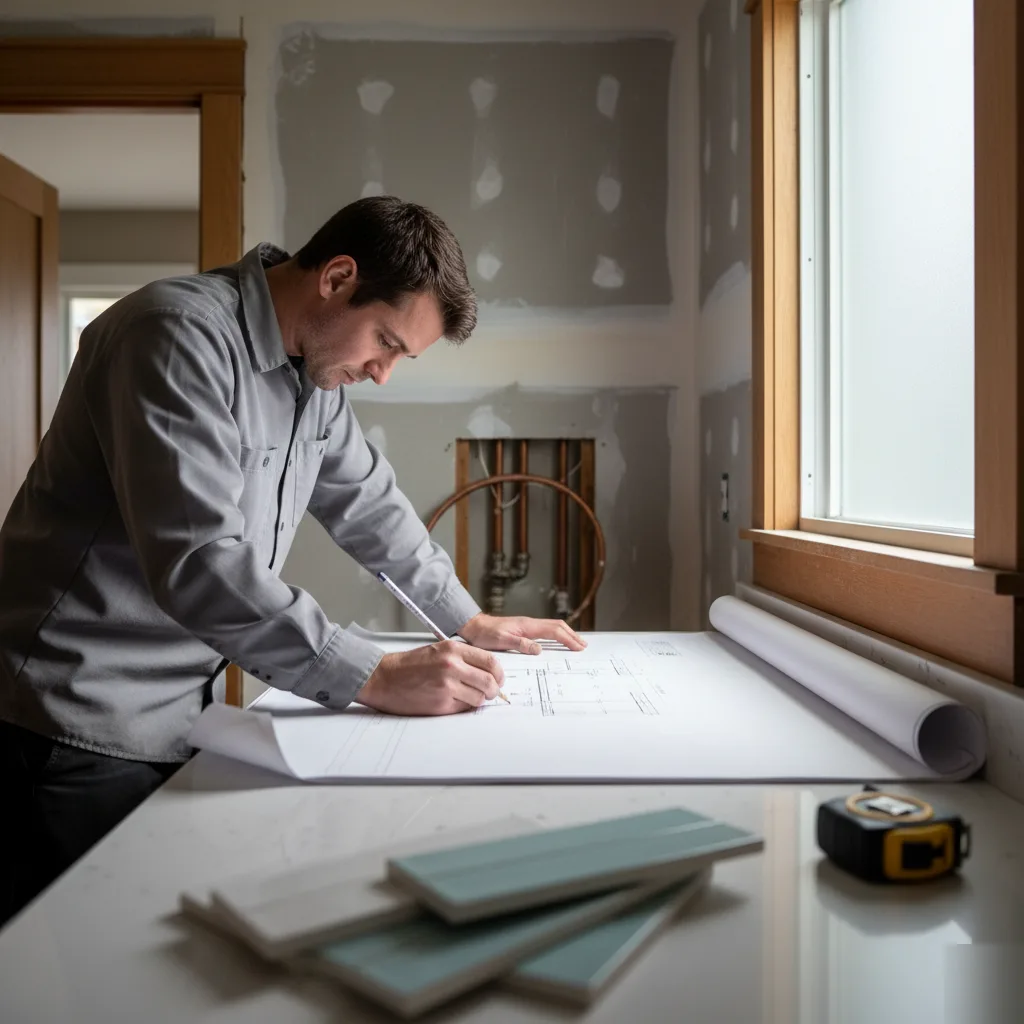
Why Older Homes Require Structural Review Before Design Begins
Most bathrooms we redesign in Clayton sit inside homes built in the 1930s and 1940s. These are beautiful homes. The framing behind those plaster walls does not always match modern expectations.
We see this every week. A homeowner wants to expand a bathroom, move a wall, or add a soaking tub. The design looks great on paper. Then we open things up. We find undersized floor joists, outdated load paths, or stone foundation walls. These cannot support the new layout without reinforcement. Clayton architectural design and construction projects in older homes almost always surface, which is exactly why we recommend a structural review before any design work moves forward.
What We Look For
A structural review does not slow your project. It catches problems. Fixing these problems later costs twice as much. We evaluate these items in older Clayton homes:
- Floor joist sizing and spacing beneath the bathroom. Older homes often have 2x8 joists on 24-inch centers. These may not support heavy tile or a cast iron tub.
- Load bearing walls that might sit directly above or below the bathroom. Removing or modifying these requires engineered beam and header design.
- Foundation condition at the perimeter and any interior piers. Homes near Wydown or in the DeMun area often have original stone foundations. Mortar deterioration is common.
- Subfloor integrity. Water damage around old toilets and tubs is common. It often extends into the structural framing below.
In our experience, at least one of these issues appears. It is far better to know this before your demo starts than after.
Scott's direct experience with the county permit office means your drawings are built around exactly what the examiner needs to see. This matters in Clayton. Structural details get reviewed closely here. If your renovation involves moving plumbing walls or changing floor loads, the permit office will request calculations. We provide those from day one.
The structural review is the foundation of your design. Skip it, you are guessing. Get it done first, and every decision after that stands on solid ground.
The Permit Drawing Requirement Most Homeowners Miss
This often catches people off guard. Clayton requires structural permit drawings for most bathroom renovations. These renovations touch walls, plumbing lines, or load paths. It is not just a sketch on graph paper. Actual engineered drawings are required. These drawings must be stamped by a licensed Professional Engineer.
We see this every week. A homeowner in Clayton hires a contractor, picks out tile and fixtures. They then find out the project cannot start without approved structural drawings. Now everything stalls. They are waiting. The materials are sitting in the garage. The permit office will not budge until they see calculations.
What Triggers a Structural Permit Drawing
Not every bathroom project needs one. More projects require one than homeowners often realize. These are the common triggers in Clayton bathroom renovation projects:
- Removing or modifying a wall to expand the bathroom footprint
- Adding a freestanding soaking tub that increases floor loads
- Relocating plumbing that passes through structural framing
- Converting a closet or hallway space into a new bathroom
If your project involves any of those, the county permit office will ask for stamped structural drawings before issuing a permit. This is not optional. The International Plumbing Code for restroom design establishes the baseline standards that local jurisdictions like Clayton build their permit requirements around.
Our drawings are different for specific reasons. Scott knows the checklist because he has been on the other side of it. Drawings are formatted around what the examiner needs to see. This means no back-and-forth. No resubmissions happen because something was formatted wrong or a calculation was missing.
Most Clayton homes near Wydown or along the DeMun neighborhood were built in the 1920s through 1940s. The framing in these homes does not always match modern assumptions. Balloon framing, plaster over wood lath, irregular joist spacing are common. Our drawings account for what is in your walls. They do not assume a generic template.
Getting your permit drawings right the first time saves weeks. This is not an exaggeration. It is the difference between a smooth project and one that drags into the next season.

Tub-to-Shower Conversions Involve More Than New Tile
We get calls about this one constantly. A Clayton homeowner wants to pull out an old cast iron tub. They want to replace it with a walk-in shower. This sounds simple enough. But the structural side of this project catches people off guard frequently.
That old tub might weigh 300 pounds empty. It is closer to 700 pounds when full of water. Your floor framing was built to handle that concentrated load in one spot. Remove it, and you change how weight distributes across the joists. Add a new shower pan, a glass enclosure, or a bench seat. The load profile changes completely. Your floor system needs evaluation. This happens before anyone picks up a tile saw.
A proper renovation design accounts for these items in a tub-to-shower conversion:
- We assess existing floor framing for span, spacing, and condition.
- We calculate new load requirements based on the shower design.
- We determine if the drain location needs to shift. We also determine what that means for joist notching or boring.
- We verify any wall modifications do not affect load-bearing paths.
- We produce structural drawings that satisfy the county permit office.
That third point challenges many contractors in Clayton's older homes near Wydown or along Brentwood Boulevard. Moving a drain even 12 inches often means cutting into a joist. This requires engineering to confirm you are not weakening the floor. We see this every week.
If your home was built in the 1930s or 1940s, the framing lumber is not the same dimensional stock used today. It is often true 2x8 or 2x10 material. This is good wood. The spans and connections were designed for a different era of building codes. You cannot assume it will handle any new layout you want.
Scott's drawings are built around exactly what the permit examiner needs to see. No back-and-forth. No resubmissions. This saves you significant time on a project where your bathroom is already torn apart.
Not sure if your conversion needs engineering? It almost certainly requires it. Give us a call, and we will provide direct guidance.
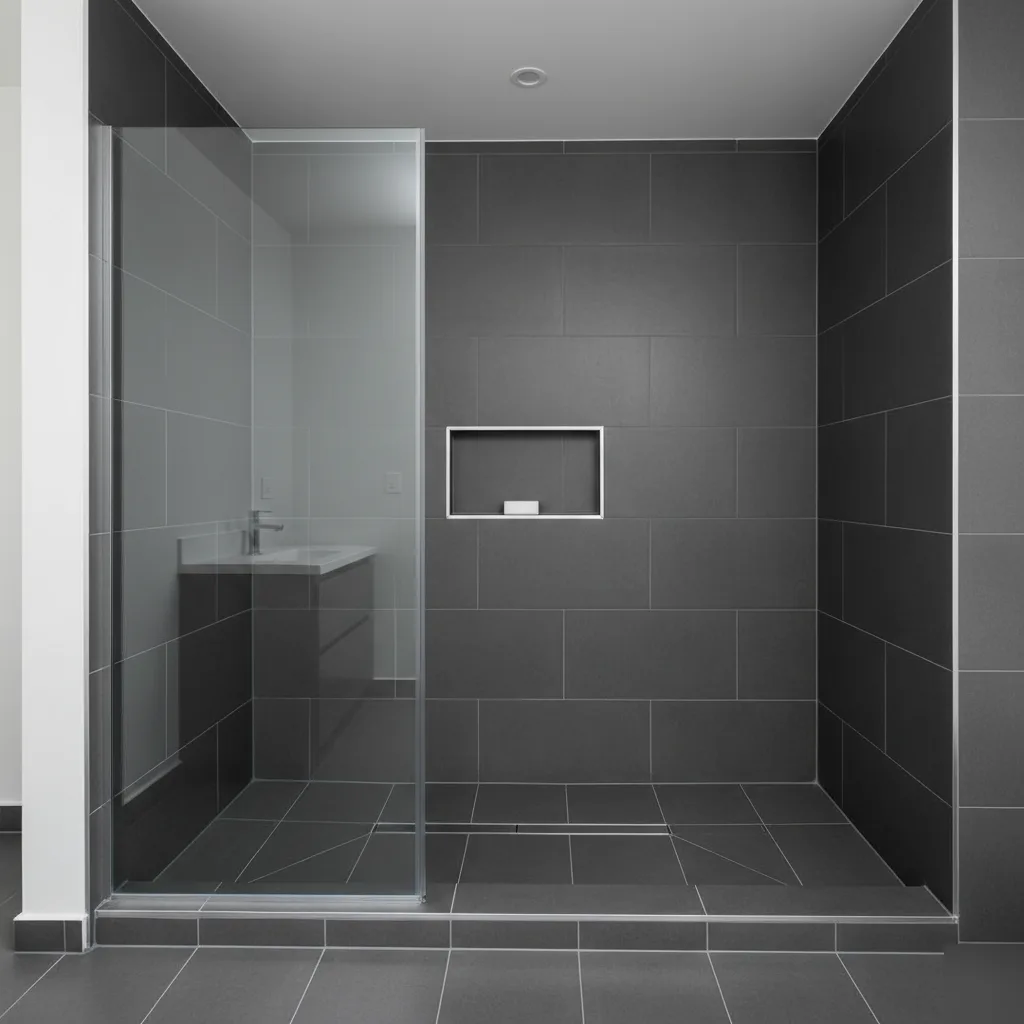
Condo Bathroom Renovations in Clayton Require a Two-Step Approval
If you own a condo in Clayton, your bathroom renovation design requires two approvals. It is not just one. The county permit is only half the approval process. Your HOA or condo association has its own review process, rules, and timeline.
We see this catch homeowners off guard constantly.
Someone plans to gut their master bath. They hire a contractor. They may even pull a permit. Then the condo board rejects the scope of work because it affects a shared plumbing stack or a structural wall. This belongs to the building, not the unit owner. Now everything stops. This results in weeks lost. Money is spent on plans that need redrawing.
The practical approach handles both approvals at once. We structure it this way:
- We review your condo association's CC&Rs and architectural guidelines before any design work begins.
- We identify which walls, plumbing lines, and structural elements are common property compared to unit-owner property.
- We produce renovation drawings that satisfy both the association's requirements and St. Louis County building code.
- We submit to the condo board and the county permit office on parallel tracks. This prevents one from holding up the other.
Multi-family buildings near the DeMun neighborhood and along Maryland Avenue often have older plumbing configurations. Moving a toilet or shower drain in these buildings can mean tying into a shared waste line. This line serves units above or below yours. This is not just a design question. It is a structural and code question. It needs an engineering review.
Scott's experience with the county permit office means your drawings are built around exactly what the examiner needs to see. We also format submittals so your condo board gets clear documentation of changes and non-changes. Board members are not engineers. They need drawings they can read and approve with confidence.
Many people miss this next part. Some Clayton condo associations require a licensed engineer's letter. This letter confirms the renovation will not affect the building's structural integrity. We provide that letter as part of the project. This means without extra back-and-forth.
Frequently Asked Questions
Does every bathroom renovation in Clayton require stamped structural drawings?
Not every project does, but more do than most homeowners expect. If your renovation touches a wall, moves plumbing through structural framing, or adds a heavy soaking tub, Clayton's permit office will ask for stamped drawings from a licensed P.E. We see projects stall all the time because this requirement catches people off guard. Materials sit in the garage. The contractor is waiting. Getting the drawings done first keeps your project moving without surprises.
What happens if my older Clayton home has undersized floor joists?
We catch this often in homes near Wydown and the DeMun area. Older homes frequently have 2x8 joists on 24-inch centers. Those spans can struggle under heavy tile, stone, or a cast iron tub. When we find undersized joists, we design a reinforcement solution before demo starts. Fixing this on paper costs a fraction of what it costs mid-construction. A structural review before design begins protects you from that exact scenario.
How long does the permit drawing process take for a Clayton bathroom renovation?
Most permit drawing packages are completed within one to two weeks from the start of the structural review. The timeline depends on what we find. If your project involves a load-bearing wall removal or a complex floor system, calculations take a little longer. Because our drawings are formatted around exactly what Clayton's permit examiners need to see, you avoid the back-and-forth that adds weeks to other projects. You get one clean submission.
Do I need a structural review even if I'm not moving any walls?
Yes, if you are adding significant floor load. A freestanding cast iron tub or large-format stone tile can exceed what older framing was designed to carry. You do not have to move a wall to trigger a load concern. We always recommend a structural review before design work begins. It takes the guesswork out of your project and gives your contractor something solid to build from.
What should I have ready before our first conversation about my bathroom renovation design?
A rough idea of what you want to change is enough to get started. If you know whether you want to expand the footprint, add a soaking tub, or open up a wall, that tells us a lot. Photos of your current bathroom and any existing floor plans are helpful but not required. We gather what we need during the structural review. You do not need drawings or specifications before we talk.