
What Floor Plan Design Actually Includes
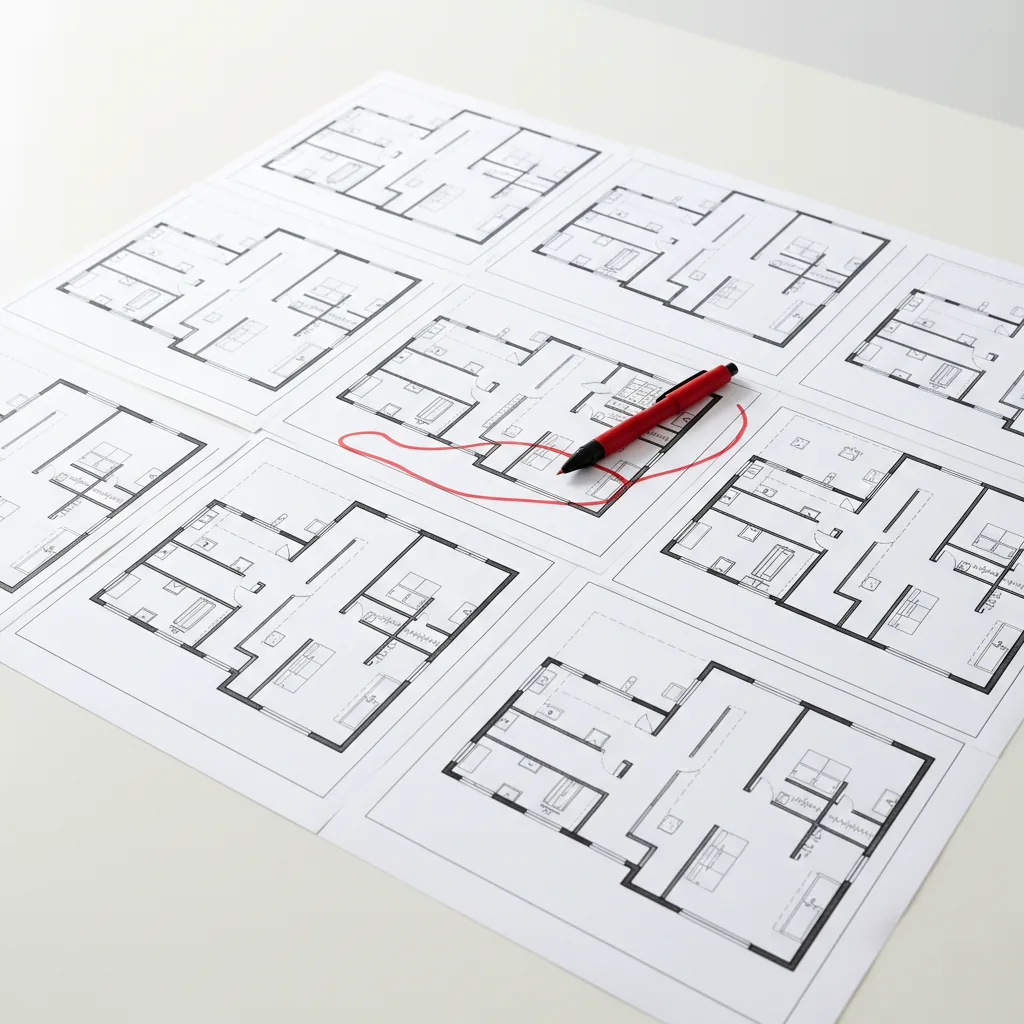
Many homeowners assume floor plan design is simply drawing rooms. It is more involved. A floor plan is a technical document that shows walls, openings, dimensions, structural elements, and how everything connects. This document serves as the blueprint your builder follows. It is also what St. Louis County plan reviewers evaluate before issuing a permit.
Here's what goes into a floor plan design when we put one together for a Clayton homeowner:
- Accurate measurements of existing conditions. We document existing elements: wall locations, ceiling heights, door swings, and window placements. For older Clayton homes built in the 1930s and 1940s, original drawings are often missing or incorrect.
- Proposed layout changes. We draw your vision to scale. This includes removing a wall between the kitchen and dining room, adding a bedroom over the garage, or reconfiguring a bathroom.
- Structural notations. We call out load bearing walls, beam locations, header sizes, and foundation bearing points. The floor plan carries structural information important during construction.
- Code-required details. Egress windows, hallway widths, stair clearances, and smoke detector locations are not optional. These are the details the examiner checks first.
We see this every week. A homeowner near Wydown or DeMun has a renovation idea but struggles to translate it into a document a builder can price and a permit office can approve. Floor plan design bridges this gap.
This is not just lines on a page. The floor plan ties directly into structural calculations, beam and header design, and permit drawings. All elements feed into one coordinated set of documents. Skipping the floor plan, or executing it poorly, leads to change orders and delays.
Scott's direct experience in St. Louis County plan review means your permit drawings are built around exactly what the examiner needs to see. This matters in Clayton. The permitting process here moves fast when submissions are clean. Sloppy drawings get rejected. Ours do not and that is the standard every set of architectural designer services Clayton homeowners and contractors receive from Open Concept Engineering.
Think of the floor plan as the foundation for all subsequent decisions. Get it right, and everything downstream proceeds smoothly.

As-Built Drawings First: The Reality for Older Clayton Homes
Most Clayton homes lack original blueprints. We are often working with houses from the 1930s and 1940s, predating digital files or standardized drawing sets. Before any floor plan design work begins, we must understand the existing conditions.
That's where as-built drawings come in.
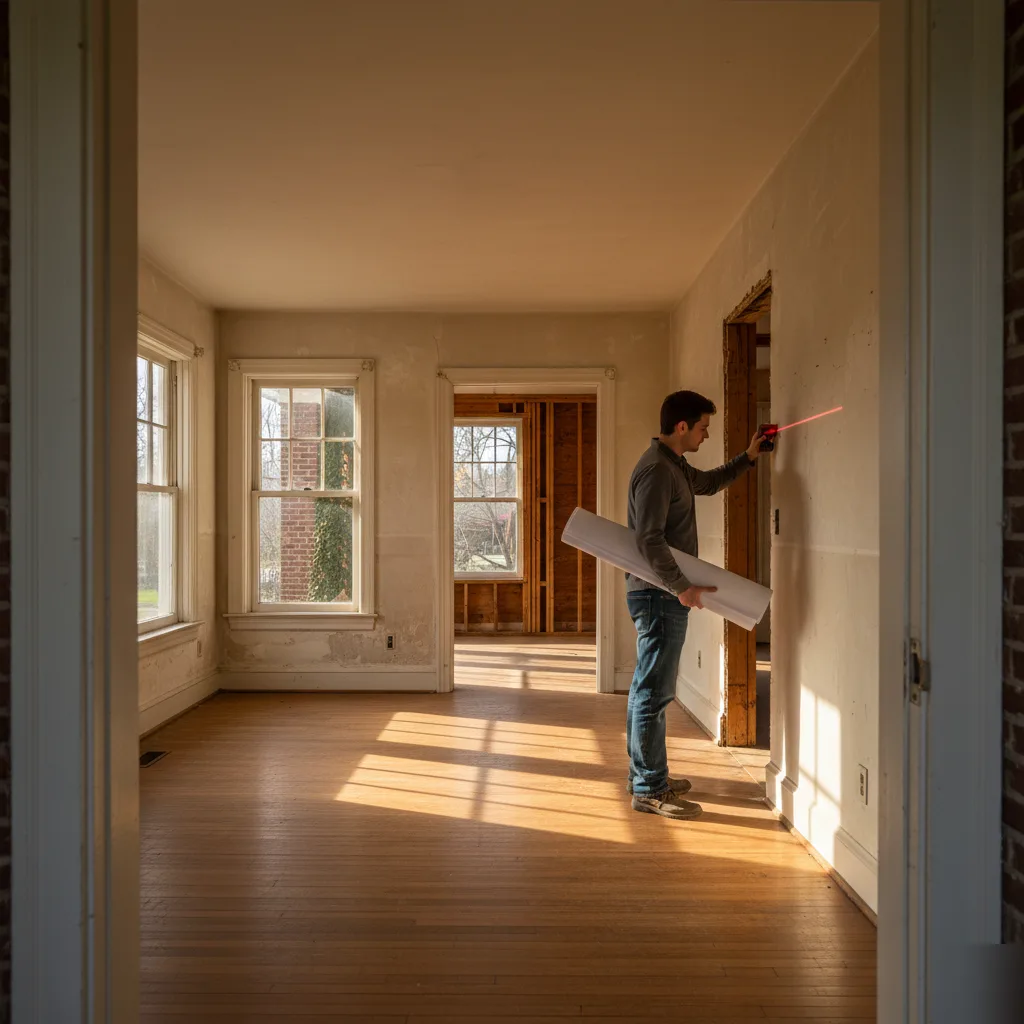
We measure every wall, door, window, ceiling height, and structural element. We document existing framing, note load bearing wall locations, and identify modifications made over decades. Many Clayton homes near Wydown have had additions or enclosed porches added without permits. These changes affect what is structurally possible.
Here's what a proper as-built survey covers:
- Room-by-room measurements including wall thickness
- Location of existing beams, columns, and bearing walls
- Foundation type and visible condition
- Any past modifications that differ from county records
Sometimes homeowners envision their house one way, but measurements reveal a different reality. A wall assumed non-structural might carry a floor joist above. A room thought to be 14 feet wide could measure 12 and a half. Such details change every aspect of your floor plan design. Skipping this step means designing based on assumptions.
This step saves significant time. Scott's direct experience in St. Louis County plan review means your permit drawings are built around exactly what the examiner needs to see. Our as-built drawings are formatted and detailed to the standard Clayton's permitting office expects. This prevents back-and-forth communication or revision requests that delay your project by weeks.
Getting accurate as-builts is not just a formality. It is the foundation of all good design decisions that follow. We handle this step for homeowners across Clayton and surrounding St. Louis County communities each week. This ensures your renovation starts from fact, not assumption.
How the Floor Plan Design Process Works Step by Step
Our experience in Clayton shows what slows projects down. It is almost always unclear drawings that do not match the plan examiner's expectations. We built our process to prevent this from the start.
Here's how a typical floor plan design project moves from your first call to a permit-ready set of drawings:
- Initial consultation and site review. We discuss your goals: an open concept kitchen, a room addition, or a finished basement. Then we visit the property. For older Clayton homes, especially brick builds from the 1930s and 1940s near Wydown or Shaw Park, we inspect the existing structure before drawing anything.
- Existing conditions documentation. We measure the home and create as-built drawings. These capture actual conditions: wall locations, ceiling heights, and structural framing. This step identifies early problems, such as stone foundations or outdated framing, which affect possibilities.
- Floor plan development. Your ideas become a real layout here. We draft the new floor plan with accurate dimensions, room labels, door swings, and window placements. Each design decision relates to structural reality. If a load bearing wall needs removal, we show how to handle it with proper beam and header design. Understanding the full scope of what professional floor plan services entail is outlined in the Architect's Floor Plan Design Services resource from the American Institute of Architects.
- Structural integration. Your floor plan design does not exist in a vacuum. We layer in structural calculations, foundation details, and all necessary engineering notes. This results in one set of documents from one team, avoiding gaps between architectural vision and engineering calculations.
- Permit drawing preparation and submission support. Scott's direct experience in St. Louis County plan review means your permit drawings are built around exactly what the examiner needs to see. This saves revision cycles and weeks of waiting.
Most floor plan design projects in Clayton move from consultation to permit-ready drawings in two to three weeks. Complex additions or multi-story renovations may take longer, but we set clear timelines upfront.
Most clients tell us the process was faster than expected. This is not accidental. It results from handling both design and engineering under one roof. We avoid back-and-forth between separate firms and prevent miscommunication about load paths or setback requirements. Need help getting your project started? Give us a call.
Floor Plan Design for Open-Concept Conversions and Wall Removal
We commonly see requests for this project in Clayton. Homeowners want to open a kitchen into a dining room or living space. The wall between them often creates a confined feeling. Most people do not realize until deep into planning that this wall is almost always load bearing.
We get calls each week from Clayton homeowners who have already discussed wall removal with a builder. The builder advises, "You'll need an engineer for that." This is where floor plan design becomes the project's foundation. It is not just drawing a new layout. It is about proving the structure can handle the change.
What Open-Concept Floor Plan Design Actually Involves
Designing a floor plan for an open-concept conversion involves solving a structural puzzle. The existing wall carries load from the roof, the second floor, or both. Removing it requires a new load path to the foundation. Our floor plan design shows how this is achieved. It includes beam sizing, post locations, and connection details. Your builder can use these, and your permit examiner can approve them.
Here's what the process looks like for most Clayton projects:
- We review your existing layout and identify all load bearing walls in the area you want to open.
- We calculate the loads that wall currently carries, including dead load from framing and any live load from rooms above.
- We design a beam and header system to replace the wall's structural function.
- We produce a floor plan drawing that shows the new layout, structural members, and all dimensions needed for permitting.
Many of Clayton's older brick homes near Wydown or along Forsyth date to the 1930s and 1940s. Their framing does not follow modern conventions. Assumptions in these cases can be problematic. We measure what is actually there before any design.
Because Scott has direct experience in St. Louis County plan review, your permit drawings are built around exactly what the examiner needs to see. This prevents back-and-forth communication and revision delays. The floor plan design package we deliver is ready to submit and ready to build from.
Want to find out if your wall can come down? Give us a call and we'll walk you through it.
Getting Floor Plan Drawings Accepted by the Plan Reviewer
A floor plan that looks good on paper can still be rejected at the permit counter. We frequently observe this in Clayton. The drawing might be accurate, but it often lacks details the plan reviewer specifically checks for.
St. Louis County plan review has specific expectations. Reviewers require clearly labeled structural load paths, dimensions that match site conditions, and notes referencing correct code sections. Missing any of these means a revision cycle that adds weeks to your project timeline.
Scott's direct experience in St. Louis County plan review means your permit drawings are built around exactly what the examiner needs to see. This is not a guess; it is firsthand knowledge of how submittals are evaluated, what triggers a correction notice, and what allows a package to move through review without delays.
What Gets Floor Plans Rejected
Most rejections come from the same handful of issues:
- Missing or incorrect structural calculations to support beam sizes and header spans
- Floor plans that don't match the scope described in the permit application
- No clear indication of existing vs. new construction
- Incomplete notes on fire separation, egress, or energy compliance
These are not design problems. They are documentation problems. They are avoidable when the person drawing your floor plan understands the review process from the inside.
For older Clayton homes near Wydown or along Brentwood Boulevard, renovations often involve changes to load bearing walls or foundation connections. The plan reviewer will flag any floor plan that shows a removed wall without a corresponding beam design and structural calculations. We build these details into all sets of drawings from the start, not as an afterthought.
Our goal is a clean first submission. This means your builder can pull the permit and start work on schedule. We prevent back-and-forth communication or surprise revision fees from other firms. We deliver a complete package that answers all questions before the reviewer asks them.
Ready to get your project through plan review the first time? Give us a call.
Frequently Asked Questions
Do I need as-built drawings before starting a floor plan design for my Clayton home?
Yes, and skipping this step is one of the most common mistakes we see. Most Clayton homes built in the 1930s and 1940s have no original blueprints on file. Before we design anything, we measure every wall, door, window, and ceiling height in your home. A wall you think is decorative might carry floor joists above it. A room you believe is 14 feet wide could measure 12 and a half. Starting from real measurements means your floor plan reflects what is actually there, not what you assumed.
What do St. Louis County plan reviewers look for in a floor plan submission?
Reviewers check specific code-required details first. These include egress window sizes, hallway widths, stair clearances, and smoke detector locations. They also look at structural notations like load-bearing walls, beam locations, and header sizes. In Clayton, clean submissions move fast through the review process. Sloppy or incomplete drawings get rejected and sent back for revisions. That rejection adds weeks to your project timeline before a single wall gets touched.
My home near Wydown had a porch enclosed years ago with no permit. Does that affect my floor plan design?
It absolutely does, and it is more common than you might think. Unpermitted additions or modifications change what is structurally possible going forward. When we document existing conditions, we note any past changes that differ from county records. This affects your new floor plan design because we have to account for framing that was not done to code. Catching this early prevents surprises during construction or during the permit review itself.
How long does the floor plan design process take from first call to permit-ready drawings?
Most projects move from initial consultation to a permit-ready drawing set in a few weeks. The timeline depends on the scope of your project and how quickly existing conditions can be documented. A straightforward kitchen wall removal moves faster than a room addition over a garage. The biggest delay we see is when homeowners skip the as-built documentation step and have to backtrack. Starting with accurate measurements keeps the whole process on schedule.
Can a floor plan design handle both the layout changes and the structural details in one set of documents?
Yes, and having both in one coordinated set is exactly what you want. When architectural layout and structural calculations come from different sources, gaps appear. A beam size might not match what the floor plan shows. A header might be undersized for the opening drawn. We integrate structural notations, foundation details, and engineering notes directly into your floor plan drawings. One team, one document set, no gaps for the builder or plan examiner to question.