What Kitchen Remodel Design Actually Covers
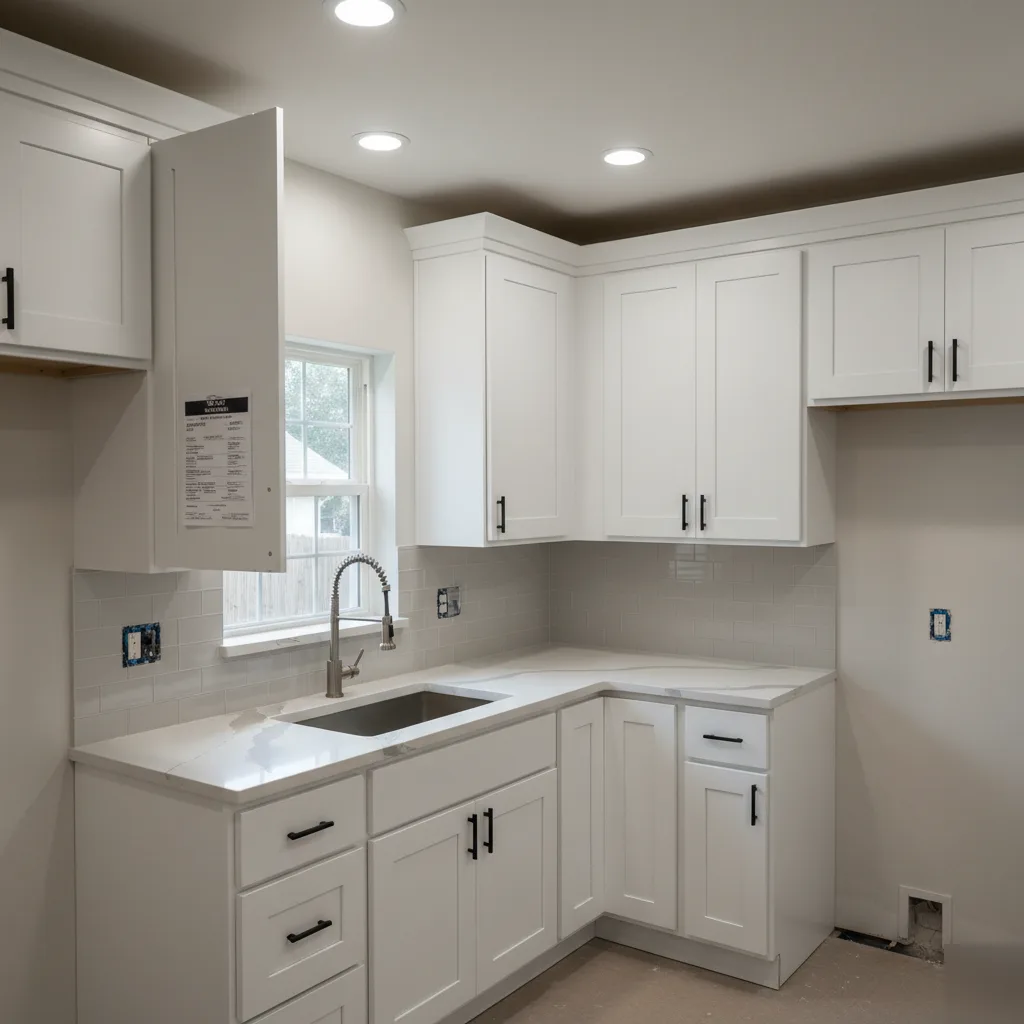
Most people's vision of kitchen remodeling centers on cabinetry and countertops. Which is cool and fun, sure, but that's only a portion of what kitchen remodel design in Clayton actually entails.
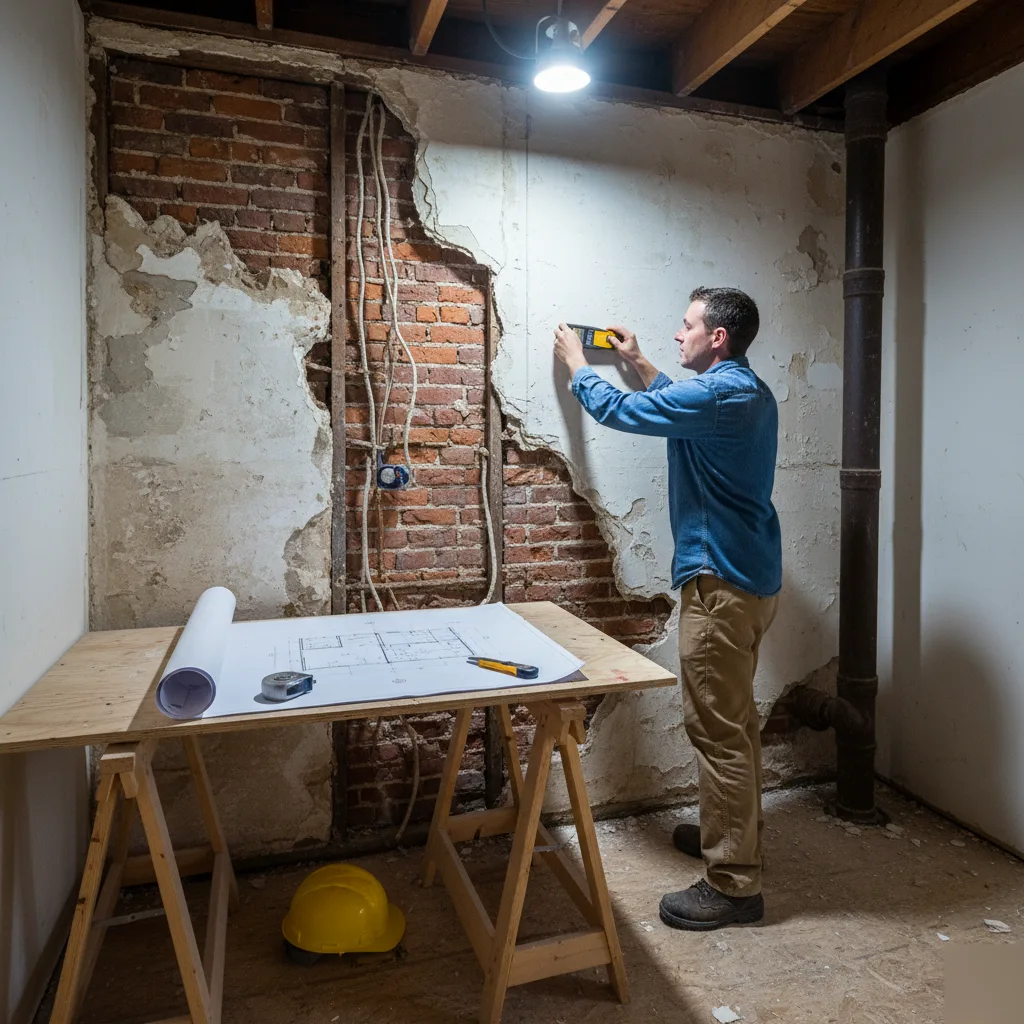
In a typical Clayton home of the 1930s or 40s, it starts with brick and plaster walls. Many of those old homes have load bearing walls right in the middle of the footprint where you actually want the most open concept space possible. Design begins with determining what's structurally possible for your home before anyone even opens a kitchen design catalog.
Our design team looks at your existing layout, identifies the load bearing walls, and determines the type of beam and header design that will be required to safely remove the wall.
A kitchen remodel design package typically includes:
- Floor plan design of the new layout, complete with measurements.
- Structural calculations for any walls to be removed or altered
- Beam and header sizing and design
- Structural permit drawings for county plan review
- Building code compliance review to catch code violations before your permit gets reviewed.
We often hear from Clayton homeowners once a contractor has reviewed the project that "you're going to need an engineer for this" or "that wall is load bearing, which means that you're going to need engineering to do this project properly."
Typically, the wall between the kitchen and dining room in those older brick and plaster Clayton homes from the 30s and 40s is load bearing and removing that wall will absolutely require an engineer and design before that demolition happens. Removing a load bearing wall without properly sizing a beam, installing the beam and a column, or designing a proper header will not pass plan review, so you want the proper engineering and calculations in place before the permit is even submitted.
Scott's long term, direct experience with St. Louis County plan reviewers means the drawings are exactly what their plan examiners want to see from the very first submission. That means no revisions, no delays, and drawings that go in clean and return clean.
We also look at the floor system. Many older homes, particularly those in the Wydown and Brentwood Boulevard neighborhood, have smaller joists and can bounce. If you're considering adding a big island to your new kitchen, you need to know if the existing floor system can handle the additional load of that new island and its stone countertop. This is why our structural calculations and floor reinforcement design work happens before the demo crew breaks ground.
This isn't just aesthetics. This is design and engineering for a buildable, safe and permitted design.
Why Older Homes Require Structural Assessment Before Design Begins
Most of the kitchens that we design in Clayton are in homes built between the 1920s and 1950s. Nice homes, generally, built well. The framing behind the plaster walls, however, sometimes isn't ideal for an open concept layout.
In the case of a client considering a kitchen remodel design, they might be wanting to take down the wall between the kitchen and dining room. What they see on TV and in the magazines are homes like this with the walls open, but what they don't see is that they are actually opening up a home for loads. Often, the wall they're considering removing is the structure holding up the second floor, the attic and maybe part of the roof structure.
You can't just draw up a new floor plan and present it to a contractor. This isn't how you renovate a home that's eighty or ninety years old. Older Clayton homes in the vicinity of Wydown or along Maryland Avenue typically possess particular structural characteristics that need to be addressed before you so much as order a single cabinet. Specifically:
- Stone or poured concrete foundations from early construction dates that could be cracked or settled over time
- Original floor joists that do not meet current building code requirements
- Load bearing walls in unexpected locations, even to seasoned remodeling contractors
- Outdated framing methods that cannot support the length of new beams unless structural reinforcement is incorporated
We review everything before we even start designing. We don't wait. And this isn't a separate component that you have to bring a structural engineer in for independently. Having designed numerous projects in Clayton, Scott is familiar with what the St. Louis County plan examiners expect. This allows us to create permit documents that meet their approval requirements on the first attempt, preventing revision rounds and weeks of delays. A structural assessment provides the answer to which designs are feasible and which are not. It pinpoints where new structural beams need to be placed and whether the foundation can accommodate added weight (point loads). In addition, it evaluates whether a floor system requires reinforcement in order to accommodate heavier materials (such as stone countertops, large islands, etc.). The answer in most cases is, "Yes, we can do that; we just need to do the appropriate engineering first." Failing to do so leads to project delays after walls have been demolished. There have been instances in Clayton where contractors have demolished walls, only to encounter unforeseen conditions. This is an unpleasant surprise, and a very costly one. The cost of a structural engineer upfront pales in comparison to the cost of a redesign at a later stage. It protects your schedule and your budget.
Permit Drawings vs. Pretty Renderings, Know the Difference
Here is a common scenario we see in Clayton. A homeowner brings on a designer, receives a series of stunning 3D renderings for their dream kitchen, and then proceeds to submit the drawings for permits. They aren't. Far from it.
Renderings show the homeowner what the kitchen will look like. Permit drawings show the county how it will stand up.
St. Louis County plan examiners want to see specific structural information. They want to see load paths, the size of structural beams, connection methods, and where load is being carried. A rendering of quartz countertops and pendant lighting won't answer those questions. If, in addition, the kitchen project includes the removal of a load bearing wall, the necessary documentation is that much more involved.
When planning your layout alongside structural requirements, it also helps to stay informed about the latest kitchen design trends so your functional decisions align with what today's open-concept kitchens actually look like in practice.
What Permit Drawings Actually Include
The plans we prepare for Clayton homeowners go much further than providing a schematic layout. A set of plans that meets the permit requirements generally includes:
- Floor plans, showing existing and proposed conditions, including dimensions and structural annotations.
- Structural calculations for any new beams, headers, or modified load paths
- Connection details showing how new framing ties into existing walls and foundations
- Notes referencing applicable building codes so the examiner can verify compliance quickly
- A stamped engineer's seal from a licensed P.E.
Because Scott is personally familiar with the St. Louis County submittal process, your drawings are designed precisely to reflect the information the examiner needs to review. That is important. I have been asked to look at some drawings from other firms where basic structural notes were left out, and they came back for revision. Every round of revisions costs time. Weeks, sometimes.
I have talked to many homeowners around the Wydown or DeMun area who have been told by the county that their initial submission was rejected. Their drawings were good renderings that looked great on the computer, but they did not communicate in the language of plan review.
You can, of course, have beautiful renderings and appropriate structural permit drawings. However, they are different. The pretty drawing gets your hopes up; the engineering gets you approved.

The Kitchen Remodel Design Process Step by Step
You have determined that your Clayton kitchen needs a remodel. The layout is no longer functional, or you want to remove the wall that separates the kitchen from the dining room. What comes next? Here is the process by which we take your initial concept and develop the drawings that are ready for permit review.
- Initial consultation and site visit. We review your kitchen space with you. We review the existing conditions and the age of the building, and we discuss how you would like the space to work. In Clayton, the kitchen is usually in a small, closed off space in a brick house from the 1930s or 1940s.
- Feasibility assessment. Before the first line is drawn, we determine exactly what is possible. Which walls are load bearing, what is the condition of the foundation, and are the existing floor joists capable of supporting a larger opening? We answer these questions first, instead of first falling in love with a design that doesn't work.
- Structural design and calculations. We develop the structural design for sizing of beams, headers, and any new supporting posts. We perform the structural calculations and confirm that everything meets code. These structural calculations are required in order to build your project with confidence.
- Permit drawings. Our submittal package is structured for what is needed by the plan examiners from St. Louis County to approve a permit in the first submission. It is not a process where you go back and forth for weeks with revisions.
- Construction support. After the drawings are submitted and permitted, we continue to be available. Your builder or contractor has a question during demolition? We are available to answer. Something unexpected is discovered behind a wall or other element? We provide additional revisions to the design.
This entire process usually takes just a few days, if that. The kitchen remodel design for a project in Clayton should be completed within days, not weeks or months. A lot of the homeowners we serve around Wydown or on Forsyth have already selected a general when we talk to them. That is great as an architectural design firm Clayton contractors already know how to work with, we fit into that team without friction. But we also have had folks who come to us directly before they engage a general to learn whether their vision for a kitchen is physically feasible. This is okay as well. The most important thing is you receive an engineered plan before the work begins. It is not a pile of surprises post demolition.
Kitchen Remodel Design and Planning Pre-Purchase for Clayton
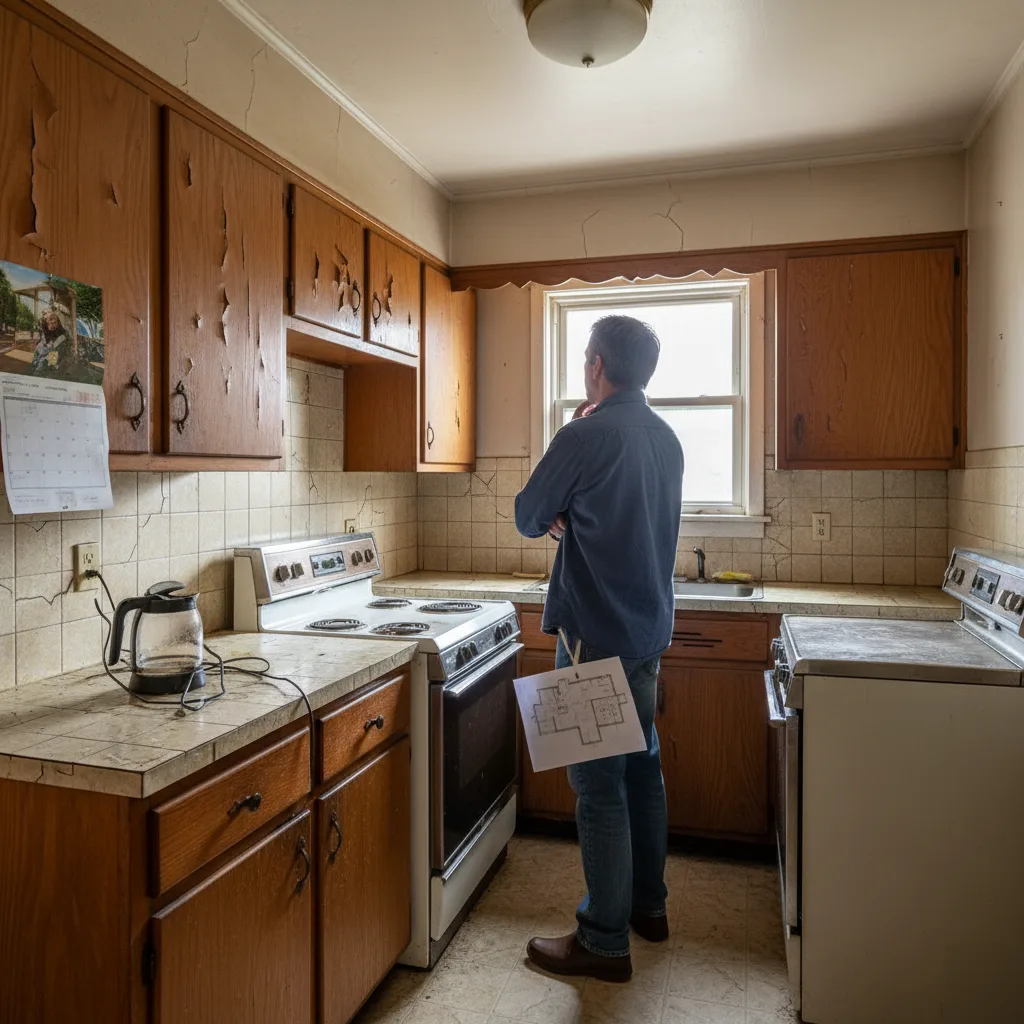
You are under contract on a 1940s brick home in Wydown Terrace. It has not had any updates since the 80s in the kitchen. Prior to your closing you want to know: can this kitchen be the open concept space that I am thinking of, and what would that take from a structural perspective?
Our company sees this often in the Clayton real estate market.
The buyers are attracted to the charm of older housing, but need to have a better idea of the structural work required to remodel a kitchen before proceeding. The wall between the kitchen and the dining area? It may be a bearing wall. The foundation that the back corner is built on may have a stone base that will require engineering review prior to placing an island that will add a plumbing and gas load. This does not mean it is impossible to remodel this home, but it does mean you need to have some answers prior to closing.
What is Included with a Pre-Purchase Kitchen Remodel Inspection
The pre-purchase structural review is a review in addition to the home inspection and focused on the kitchen remodel design. Some things we look at specifically in this regard include:
- Load bearing walls adjacent to the kitchen, i.e. to the dining room.
- Condition and capacity of the floor joists to support a new layout.
- Condition of the foundation, specifically any settlement or cracking issues.
- Existing header sizes for new openings around doors and windows.
- Feasibility of moving any plumbing or mechanical equipment lines.
The structural report can give you the data you need to renegotiate the price and it can also help you to move forward with a purchase faster.
Many of the older Clayton homes built prior to 1950 will have some hidden structural issues that are not disclosed in the listing documents. For example, you may see a kitchen that has the floor slopes a full inch across eight feet. Or you may have a kitchen that has a single layered subfloor installed over undersized joists. This can be repaired, but we think you should have that information prior to the transaction closing day, rather than waiting until you are demoing the kitchen.
Because the St. Louis County permit submittal requirements, our plans and reports are engineered to avoid submittal corrections and delays with a building permit. So if you decide to proceed, the design will go to the permitting phase of the kitchen remodel in a timely manner. If you need help understanding all of this prior to your inspection deadline, please give us a call.
Frequently Asked Questions
Do I really need a structural engineer for a kitchen remodel in Clayton?
Yes, most Clayton kitchens require structural engineering before design can begin. Homes built in the 1920s through 1950s — especially those near Wydown or along Maryland Avenue — almost always have load bearing walls right where you want open concept space. The wall between the kitchen and dining room is a common example. Without proper beam sizing and structural calculations, your permit will not pass St. Louis County plan review. Getting engineering done first protects your schedule and prevents costly surprises after demolition starts.
What's the difference between pretty renderings and actual permit drawings?
Permit drawings and 3D renderings are completely different documents. Renderings show you what the kitchen will look like. Permit drawings show St. Louis County plan examiners exactly how the structure will be built safely. They include floor plans with measurements, beam and header sizing, structural calculations, and building code compliance details. Many Clayton homeowners have submitted renderings for permits and been turned away. You need both — but only the permit drawings get your project approved and under construction.
How do older Clayton homes affect the kitchen design process?
Older Clayton homes come with specific structural conditions that shape every design decision. Original floor joists may not meet current code. Foundations from early construction can be settled or cracked. Load bearing walls often show up in unexpected spots — even experienced contractors miss them. In neighborhoods like Wydown, smaller floor joists can cause bounce, which matters a lot if you're adding a heavy stone island. All of this gets reviewed before a single cabinet is ordered or a design catalog is opened.
What does a kitchen remodel design package actually include?
A full kitchen remodel design package covers more than a new floor plan. You get a measured layout of the new design, structural calculations for any walls being removed, beam and header sizing, and complete permit drawings ready for St. Louis County plan review. Building code compliance is reviewed before submission so nothing gets flagged. This means drawings go in clean and come back approved — no revision rounds, no waiting weeks for corrections on something that could have been caught early.
Will my floor need reinforcement if I add a kitchen island?
It depends on your existing floor system, but in many older Clayton homes, the answer is yes. Smaller original joists — common in homes from the 1930s and 40s — can flex or bounce under added weight. A large island with a stone countertop adds significant load to that system. Floor reinforcement design is part of the structural assessment, done before demo begins. Finding out your floor needs reinforcement after the old kitchen is already torn out is a much more expensive problem to solve.