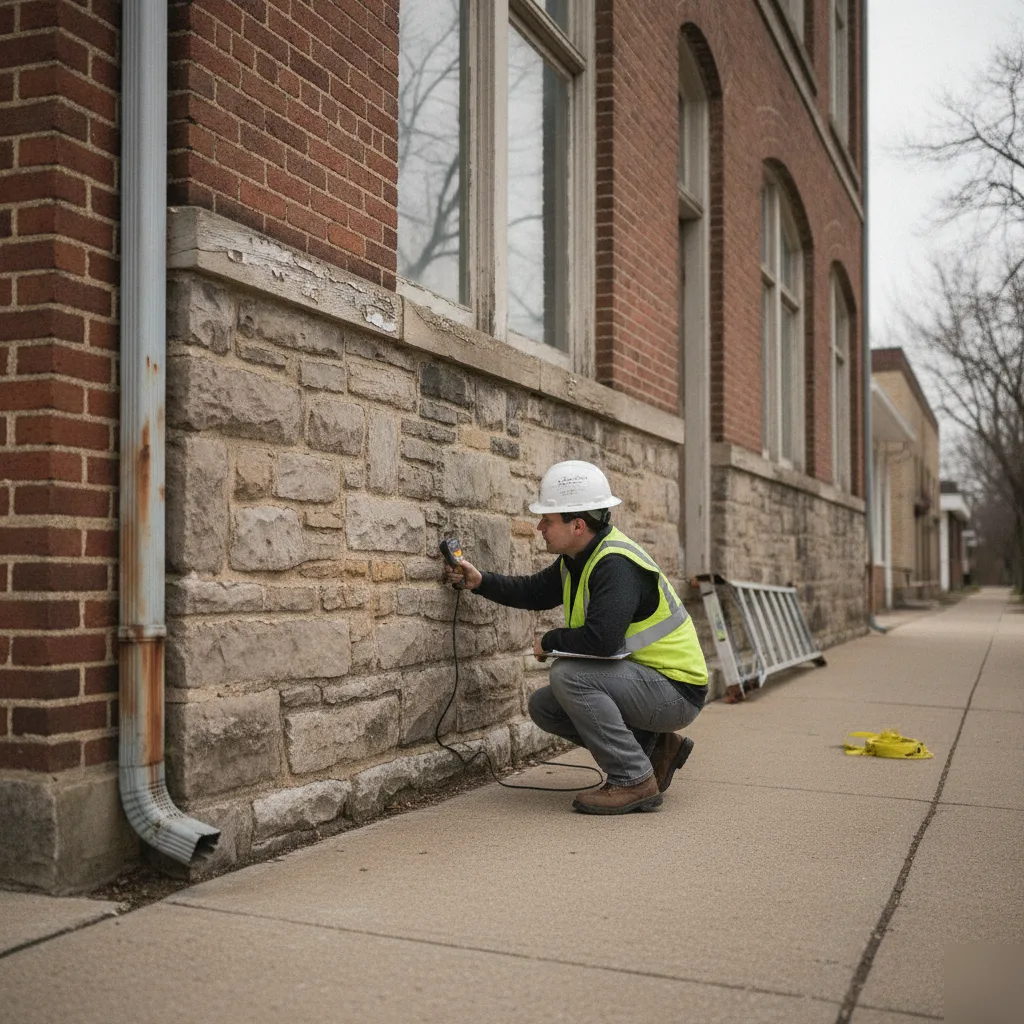
What a Building Condition Assessment Actually Covers
People call us expecting a quick walkthrough. That's not what this is.
A building condition assessment reviews a property's structural health. We examine every system that keeps the building stable. In Clayton, this often involves evaluating older homes built in the 1930s and 1940s. These properties commonly feature original stone foundations, aging brick masonry, and framing modified over many decades. We document what is sound, what is deteriorating, and what requires attention now compared to later.
What We Evaluate on Every Visit
Here's what our team covers during a typical assessment:
- Foundation and below-grade structure: cracks, settlement, moisture intrusion, and material condition of stone or poured concrete.
- Load-bearing walls and framing: identifying modifications, sagging, or compromised connections.
- Roof structure and drainage: focusing on rafters, trusses, and the building's water diversion, not just shingles.
- Exterior masonry and cladding: mortar joints, lintels, brick deterioration, and signs of movement.
- Floor systems and substructure: deflection, joist condition, and support adequacy.
Often, owners suspect a problem. Perhaps a door won't close correctly, or a crack runs diagonally above a living room window. These are clues, not conclusions. Our job is to trace these symptoms to a structural cause. We provide a clear report on the severity of the findings.
The Report You Get
We provide more than a verbal summary. We deliver a written report with photos, condition ratings, and prioritized recommendations. Scott's background in St. Louis County plan review ensures your permit documents are robust. If you are buying a property near Wydown or along Brentwood Boulevard, this report offers critical information before closing. This is not a home inspection. It is an engineering-level evaluation of the building's core structure.
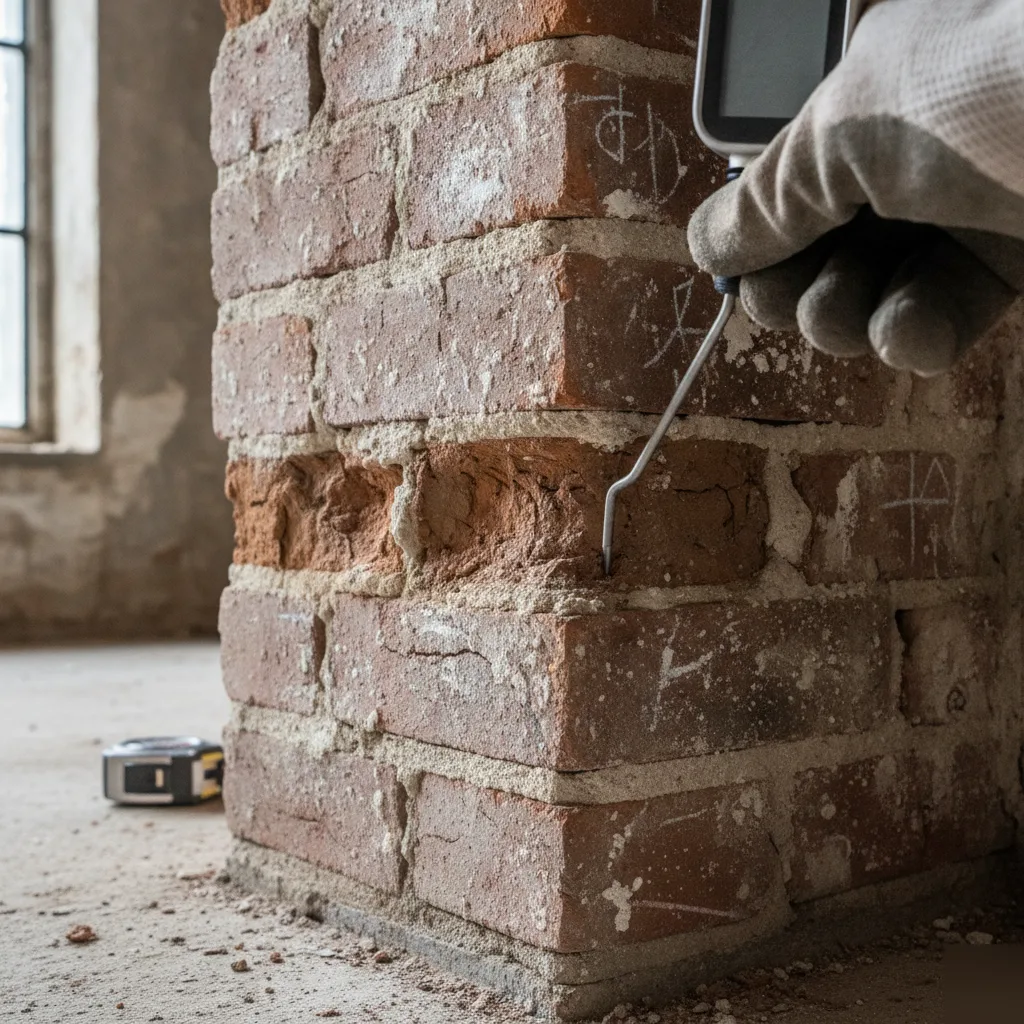
The Four Phases of a Building Condition Assessment
Clients frequently ask what happens during a building condition assessment. This is a fair question. It is not a quick walkthrough. We divide the process into four clear phases. This approach ensures a complete review and a precise understanding of your building's condition.
- Document review and background research. Before we visit your property in Clayton, we gather available records. This includes previous permits, existing original construction drawings, and any past inspection reports. For properties built in the 1930s and 1940s, these records inform our expectations regarding foundation types and framing methods. A stone foundation performs differently than a modern poured wall. This background knowledge saves time and sharpens our on-site focus.
- On-site visual inspection. This phase involves a hands-on examination of the structure from top to bottom. We inspect roof framing, load-bearing walls, floor systems, foundation walls, crawlspaces, and exterior masonry. We document cracks, deflection, moisture damage, and settlement patterns. In neighborhoods near Wydown or along Brentwood Boulevard, we observe many older brick homes with mortar deterioration. Owners often overlook this until it becomes advanced.
- Analysis and condition rating. Back at the office, we analyze our findings. We assign condition ratings to each building system. We use specific ratings that indicate what is sound, what needs monitoring, and what requires immediate repair. According to ASTM International, standardized condition ratings provide property owners a consistent method for comparing building systems and prioritizing work.
- Report delivery with recommendations. You receive a written report with photos, diagrams, and clear next steps. We flag items by urgency to remove guesswork regarding priorities. If structural repairs are needed, we can proceed directly to structural repair design or structural calculations for contractors.
The whole process typically takes a few days from site visit to final report. The process moves quickly, reflecting the specific nature of Clayton's building stock.
Scott's direct experience in St. Louis County plan review ensures that if your building condition assessment leads to permit drawings, those documents are built around exactly what the examiner needs to see. This means no back-and-forth. No rejected submittals.
Why Clayton's Building Stock Makes Engineer-Led Assessments Essential
Most homes in Clayton were not built recently. They date from the 1920s, 1930s, and 1940s, which fundamentally changes how we evaluate them.
A building 80 or 90 years old has experienced significant changes. It has endured decades of freeze-thaw cycles. It has seen multiple renovations by different contractors with varying standards. Foundation materials range from original stone to early poured concrete, with later block repairs done on unknown timelines. We observe this every week in Clayton: homes that appear solid from the curb often reveal a different reality upon inspection of the basement or crawlspace.
This is why a general home inspection is insufficient here. A home inspector can flag visible cracks or note water stains. However, they cannot determine if a crack in a stone foundation is cosmetic or structural. They also cannot calculate if a sagging floor joist has lost enough capacity to be a safety concern. That requires an engineer.
Clayton's older neighborhoods near Wydown and the Demun area have homes with unique characteristics important during a building condition assessment:
- Original stone foundations with lime mortar joints that deteriorate differently than modern concrete.
- Load-bearing walls in locations that are unexpected for owners planning open-concept kitchen renovations.
- Roof framing built to older snow load standards that may not meet current code.
- Additions from the 1960s or 1970s connected to original structures with potentially inadequate connections.
Often, the concern that brings a client to us is not the root problem. A call about a crack in the wall might reveal an undersized floor system. Worry about a damp basement could lead to discovery of a shifted foundation. An engineer-led assessment connects surface observations to the underlying structural issues.
Scott's direct experience in St. Louis County plan review ensures your permit drawings are built around exactly what the examiner needs to see. This matters in Clayton because many older homes here require permits for renovation projects. Getting the structural picture correct from the start saves time, money, and future frustration and that is exactly what Clayton building inspection consulting with real plan review experience behind it delivers.
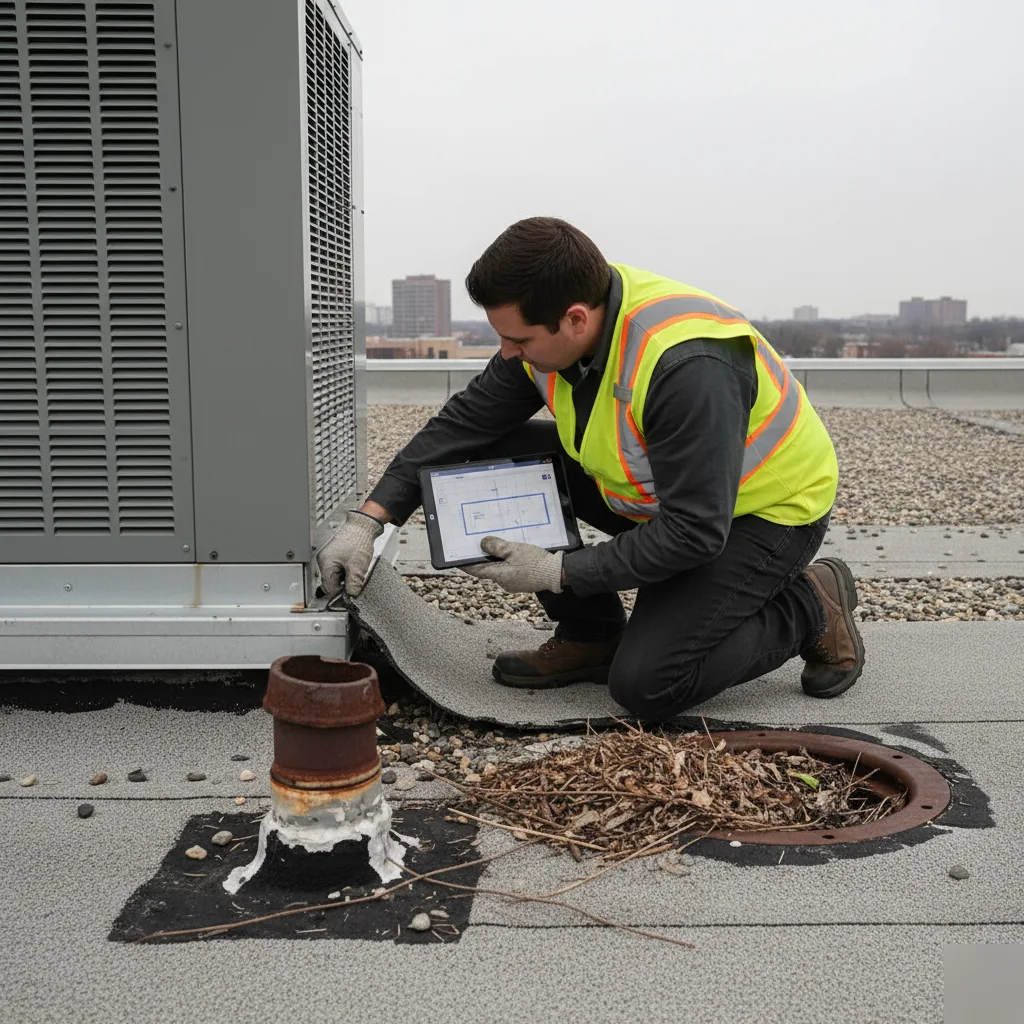
How the Assessment Report Supports Your Next Move
The report isn't a formality. It's the document that drives every decision after we leave your property.
We deliver a clear, organized summary of each system evaluated. This includes structural framing, foundation condition, exterior envelope, roof structure, and mechanical connections visible. Each item receives a condition rating with a plain-language explanation of our findings. We avoid vague language or filler paragraphs that leave you guessing. You will know exactly what needs attention now, what can wait, and what performs adequately.
What You Can Do With It
- Negotiating a purchase price based on documented structural concerns.
- Planning a renovation scope with documented data.
- Presenting findings to St. Louis County for permit applications or code compliance questions.
- Sharing with contractors, allowing bids to reflect actual conditions.
- Documenting baseline conditions for insurance or portfolio management.
We see this frequently in Clayton's real estate market. A buyer may be under contract on a 1940s brick home near Wydown. They like the house but intend to open up the kitchen. Our report addresses whether the foundation can handle the load redistribution. It also indicates if the existing framing shows signs of movement, and what structural work a renovation would require. This is not a home inspection. This is an engineering-level roadmap.
Scott's direct experience in St. Louis County plan review ensures the report is written in a format that translates directly into permit drawings if needed. This eliminates back-and-forth or reinterpretation. The assessment informs structural drawings, beam designs, or foundation repair plans. One report becomes the foundation for your entire project.
Contractors also value this approach. When they receive a report from us, they avoid pricing based on unknowns. They base their pricing on documented conditions with engineering backing. This saves money on change orders and helps maintain a predictable renovation timeline.
Need help figuring out your next step? Give us a call.
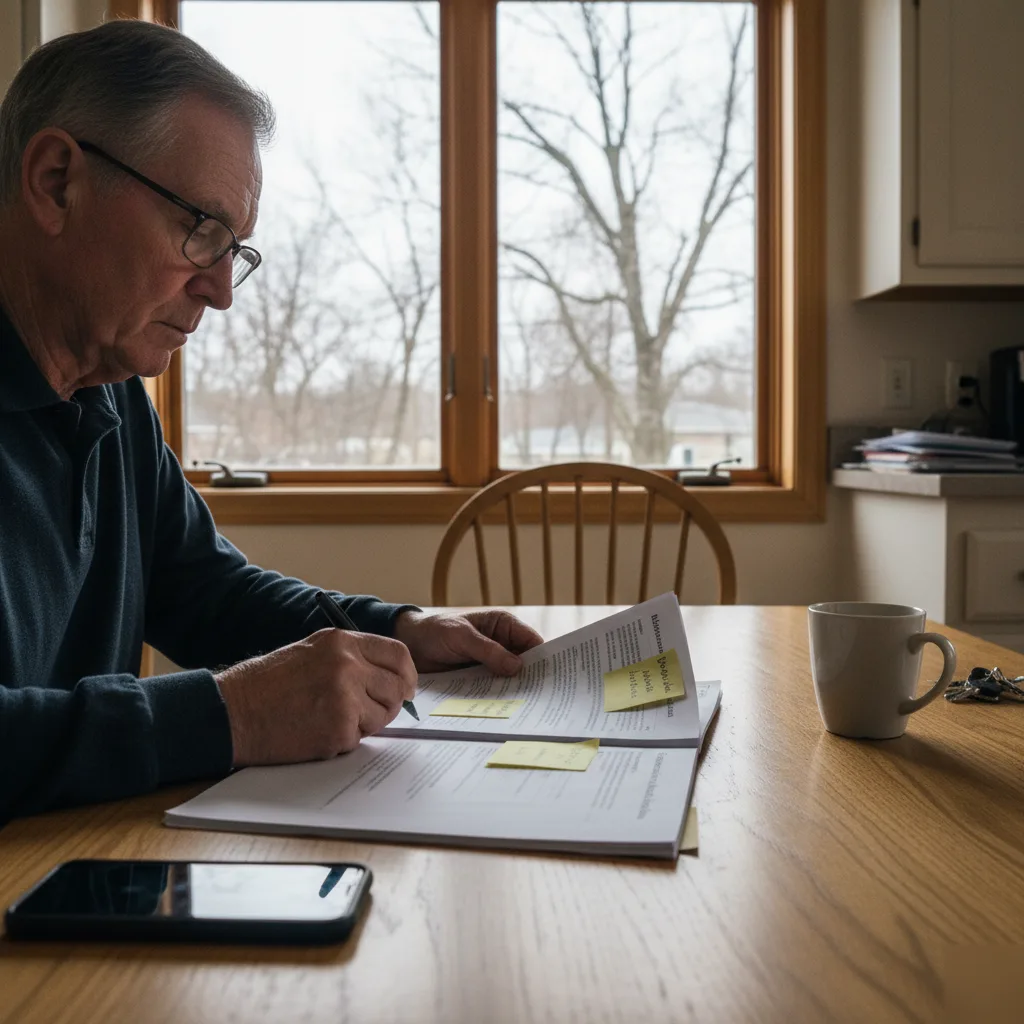
Signs Your Building Needs an Assessment Now, Not Later
Most people do not call us immediately. They notice something, consider it for weeks before contacting us. That delay can turn a manageable repair into a major project.
Clayton homeowners frequently tell us, "I saw a crack in the basement wall last year, but it did not seem that bad." By the time they call, that crack has grown, and the repair scope has doubled. If something looks amiss, act on your instinct.
Recognizing these indicators early can prevent minor issues from escalating. These are the signs that suggest the need for immediate action, rather than waiting:
- Stair-step cracks in brick mortar joints, especially on older masonry homes near Wydown or the Central Business District.
- Doors or windows that suddenly stick or fail to latch properly.
- Visible gaps between walls and ceilings or walls and floors.
- Uneven or bouncy floors, particularly on upper levels.
- Water stains on basement walls paired with horizontal cracking in the foundation.
While any single sign might point to normal settling over time, the appearance of two or three together strongly indicates a more serious structural concern. Acting promptly is always advisable, as waiting does not make the necessary repairs any cheaper.
Clayton has a large stock of older homes, many on stone foundations or early poured concrete. These systems perform differently than modern ones. The materials degrade in specific ways: mortar joints soften, and concrete carbonates from the outside in. These are not defects from poor construction. Rather, they are age-related changes that require a trained eye for correct evaluation.
We also observe a pattern with commercial buildings in Clayton that have changed use over the decades. A building designed for one type of occupancy may exhibit stress once load demands shift. This often appears as cracking around window headers, sagging lintels, or deflection in floor beams. These are structural signals, not cosmetic issues.
Many clients call because they are unsure if what they are seeing is serious. That is the most common reason people contact us. You do not need to diagnose it yourself; that is our job. A building condition assessment provides a clear answer, documented by a licensed P.E., allowing you to make an informed decision.
Frequently Asked Questions
How is a building condition assessment different from a regular home inspection in Clayton?
A building condition assessment is an engineering-level evaluation, not a general home inspection. A home inspector can note visible cracks or water stains. An engineer can determine whether a crack in a stone foundation is cosmetic or a structural problem. In Clayton, where many homes date from the 1920s through the 1940s, that difference matters. Original stone foundations with lime mortar behave differently than modern concrete. Only an engineer can calculate whether a sagging floor joist has lost enough load capacity to be a safety concern.
What are the signs that a Clayton home needs a building condition assessment before I buy it?
A door that won't close correctly or a diagonal crack above a window are common warning signs. These symptoms point to possible structural movement, not just cosmetic wear. In Clayton's older neighborhoods near Wydown and the Demun area, homes have been renovated multiple times over decades. Each renovation may have altered load-bearing walls or added connections to the original structure. If you see any of these signs during a walkthrough, an assessment before closing gives you real answers, not guesses.
How long does the building condition assessment process take from start to report?
The full process typically takes a few days from the on-site visit to your final written report. The work includes four phases: document review, on-site inspection, engineering analysis, and report delivery with photos and prioritized recommendations. Clayton's older building stock moves the process along because the background research phase — reviewing permits, original drawings, and past inspection records — sharpens the on-site focus and reduces surprises. You won't be waiting weeks for answers before a closing deadline.
Do I need a building condition assessment if the property already had a home inspection?
Yes, if the home is older or shows any structural symptoms. A home inspection covers visible conditions across many systems. It is not designed to evaluate structural capacity or trace symptoms to an engineering cause. If a home inspector flagged something — a crack, a sloping floor, a wall that looks out of plumb — a building condition assessment is the next step to find out what it actually means. For properties along Brentwood Boulevard or near Wydown, this added layer of review regularly reveals issues a general inspection cannot explain.
Will the building condition assessment report help if I need to pull permits for repairs in Clayton?
Yes, the report is built with that in mind. If your assessment findings lead to structural repairs, the process can move directly into permit drawings and structural calculations for contractors. Scott's background in St. Louis County plan review means the documents are prepared around exactly what the plan examiner needs to see. That means no rejected submittals and no back-and-forth delays. For older Clayton properties where repairs often involve original stone foundations or modified framing, that experience makes a real difference.