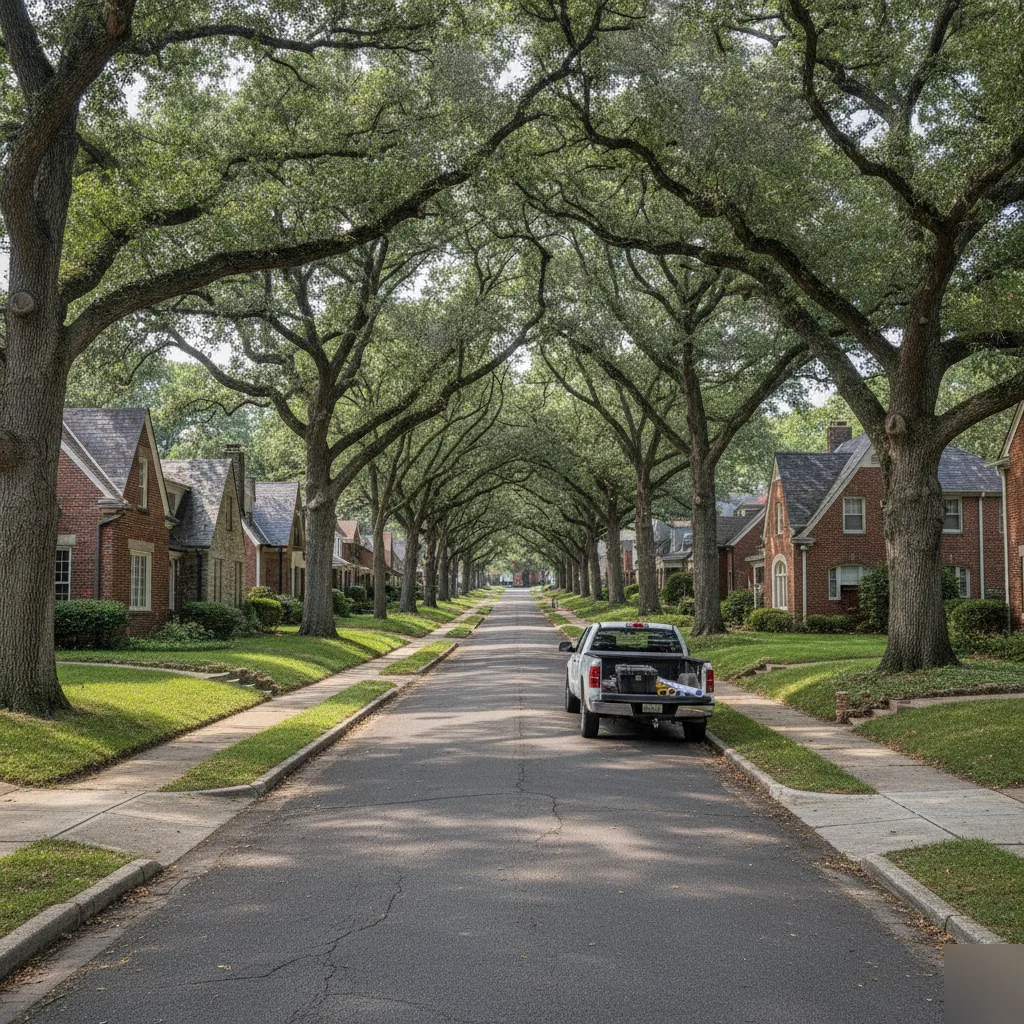
Building Consultant Services in
Clayton MO
Not every structural concern arrives with an obvious cause. A crack that appeared after last spring's storms. A renovation that revealed conditions the original contractor never disclosed. A building that has aged in ways that are not visible from the street but are very visible to an engineer walking through the basement. A remodel idea that looks great on a mood board but has never been tested against the structure it would require.These are the situations where a building consultant with structural engineering credentials makes a difference that a general contractor, a home inspector, or a real estate agent simply cannot.
Open Concept Engineering provides building consulting services for homeowners, property investors, contractors, and legal professionals throughout Clayton and the greater St. Louis metro. Scott's direct experience in St. Louis County plan review informs every consulting engagement we take on because understanding what local examiners flag, what repair documentation the permit office requires, and how Clayton's older housing stock actually behaves under stress is not knowledge you acquire from a textbook. That field-level knowledge is what every project requires whether the scope involves load bearing wall removal and structural design or a building condition assessment that determines what a Clayton property can structurally become.
Clayton's homes are built well. They are also old, complex, and operating in a market where the cost of an undetected structural problem is measured in renovation budgets blown, real estate transactions unwound, and legal disputes that could have been prevented with a single engineering consultation before the situation escalated.
Construction defect consulting
in Clayton, MO
Construction defects in Clayton follow predictable patterns. A renovation contractor removes a load bearing wall without engineering. A new addition is framed without adequate connections to the existing structure. A foundation repair is executed without addressing the underlying drainage condition driving the movement. A deck is built without proper ledger attachment to the house framing. The work looks complete from the outside. The structural problem is invisible until it is not.
When a construction defect surfaces — whether through a home inspection, a permit audit, a visible failure, or a buyer who walks away from a transaction — the first question is always the same: what exactly is the defect, what caused it, and what does it cost to fix? Those are engineering questions, and they require an engineer to answer them credibly.
Our construction defect consulting service provides exactly that. We evaluate the reported defect in the field, document existing conditions with precision, determine the structural significance of what we find, identify the likely cause, and produce a written engineering report that clearly defines the scope of required repairs. For projects where permit documentation was missing or inadequate, we can produce the structural drawings required to bring the work into compliance with current St. Louis County requirements.
Scott's background in St. Louis County plan review gives our construction defect reports a specific advantage in situations that involve permitting, code compliance, or legal proceedings. He knows what the county permit office requires, what a licensed plan examiner would have flagged had the work been submitted for review, and how to document a defect in language that serves both the engineering and the legal record.
Clayton's active renovation market produces a steady volume of construction defect situations — work done without permits, work done without engineering, and work done by contractors whose structural decisions were not reviewed by anyone with a P.E. behind their name. If you are on the receiving end of one of those situations, the consultation starts here.

Storm and wind damage assessment
in Clayton, MO
Missouri storms do not announce their structural consequences clearly. A severe wind event, a hail storm, or a derecho that moves through the St. Louis metro can produce structural damage that is completely invisible from the exterior — and completely missed by a general assessment that does not include structural engineering.
Clayton's older homes are particularly vulnerable to storm-related structural movement. The stone foundations, original timber framing, and unreinforced masonry walls that define this housing stock respond to wind stress in ways that newer construction does not. A severe storm that a newer Chesterfield build handles without consequence can produce foundation movement, framing displacement, or masonry cracking in a 1930s Clayton brick home near Wydown or along the streets south of Shaw Park. The damage is real. It is just not always obvious until an engineer looks at it.
Our storm and wind damage assessment service starts with a thorough field evaluation — actual framing, actual foundation, actual masonry conditions documented with LiDAR measuring technology and wall scanning tools that produce an accurate picture of post-storm structural conditions. We distinguish between cosmetic damage and structural damage, identify any conditions that create ongoing safety or stability concerns, and produce a written engineering report that documents findings clearly and completely.
For insurance claims involving structural damage, our assessment reports are produced by a licensed P.E. and formatted to support the documentation requirements that insurance adjusters and carriers work with. Scott's direct experience in St. Louis County plan review means any repair work identified in the assessment can be translated directly into the permit documentation St. Louis County requires — closing the loop between damage assessment and permitted structural repair without requiring a second engagement to produce the drawings.
If your Clayton home experienced a recent storm event and you have concerns about what it may have done structurally, do not wait for the damage to become obvious. The structural consequences of storm events in older masonry homes are almost always more contained and less expensive when they are identified and addressed early.
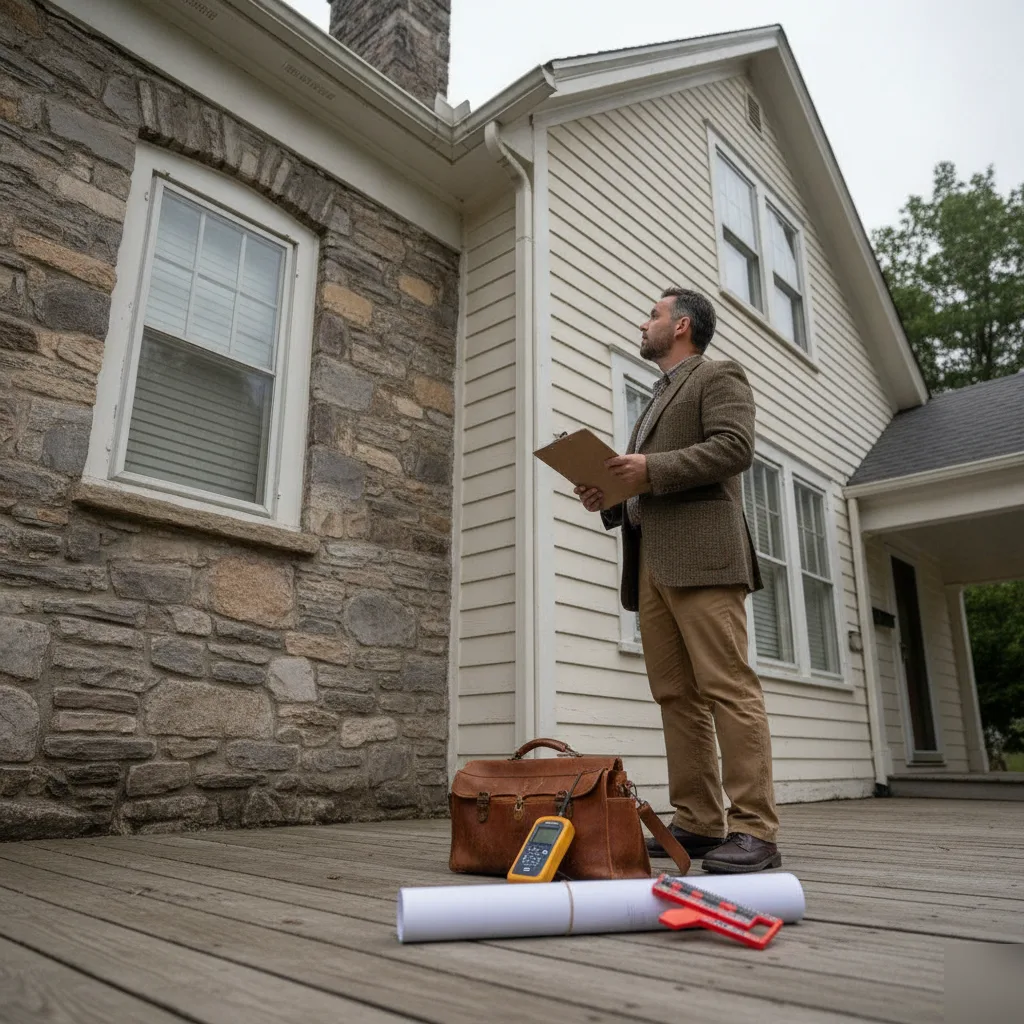
Home remodel feasibility consulting
in Clayton, MO
Every Clayton homeowner who has ever stood in a cramped kitchen looking at the wall between it and the living room has asked the same question: can that wall come out? The answer is almost never simply yes or no. It is a structural analysis that determines what the wall supports, what it would take to remove it, what beam would replace it, and what the permit process requires before anyone picks up a sledgehammer.
Home remodel feasibility consulting is that analysis — delivered before design dollars are spent, before a contractor is selected, and before a renovation scope is built around structural assumptions that have never been tested.
In Clayton, this consultation carries additional weight. The homes here were built in an era when open floor plans were not a design consideration. Walls that look like interior partitions are frequently load bearing. Floor systems sized for the original layout may not support the new load distribution a remodel creates. A soaking tub addition that works perfectly in a newer build may require floor system reinforcement in a 1940s home on Forsyth. None of these are deal-breakers — but all of them need to be known before the renovation budget is locked in.
Our home remodel feasibility consulting covers the full structural scope of what a renovation requires. We evaluate existing framing, load paths, foundation conditions, and any structural elements the proposed renovation would alter or remove. We determine what is structurally possible, what reinforcement is required, what the permit documentation process involves, and what the realistic structural scope looks like in terms of time and cost.
The output is a clear feasibility assessment that gives homeowners, contractors, and designers an accurate structural picture before any commitments are made. Contractors working in Clayton bring us in at the feasibility stage specifically because it prevents the mid-project discoveries that blow budgets and stall timelines. Scott's St. Louis County plan review background means feasibility assessments are always oriented toward the permit outcome — because a feasible renovation that cannot get through the county review process is not actually feasible.
If you are planning a kitchen remodel, a floor plan reconfiguration, a room addition, or any renovation that involves removing or modifying structural elements — start here before you start anywhere else.
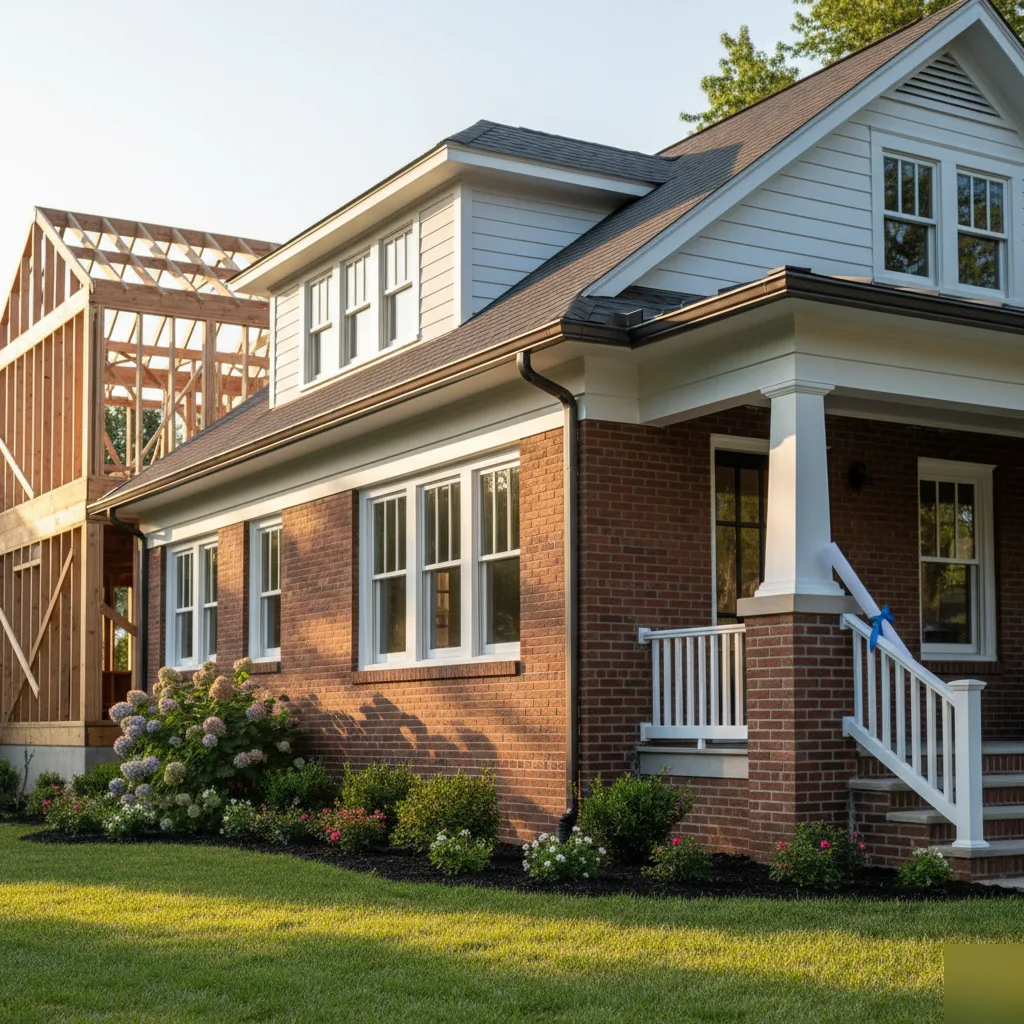
Building condition assessment
in Clayton, MO
Building condition assessments serve a specific market in Clayton that is larger and more varied than most homeowners expect. Property investors evaluating an acquisition. Landlords managing an aging rental portfolio. Estate executors dealing with a property that has not been actively maintained. Buyers whose home inspection raised structural concerns that a home inspector is not qualified to evaluate. Homeowners who simply want to know what their 1930s brick home is doing structurally after decades of use.
In every one of those scenarios, the question is the same: what is the actual structural condition of this building, and what does maintaining or improving that condition require?
Our building condition assessment service answers that question completely. We evaluate the full structural envelope — foundation, framing, floor systems, load bearing walls, and any structural elements that show signs of distress or deterioration. We document existing conditions with precision using LiDAR measuring technology and field verification tools, distinguish between conditions that require immediate attention and those that warrant monitoring, and produce a written engineering report that gives property owners an accurate, actionable structural picture.
For Clayton's older housing stock, building condition assessments frequently surface the same set of conditions — stone foundation walls with aging mortar joints, timber floor joists with span-to-depth ratios that predate current code requirements, original framing connections that relied on methods no longer considered structurally adequate, and basement conditions that have been managed rather than resolved over decades of ownership. None of these conditions are automatically disqualifying. All of them deserve a licensed P.E.'s evaluation before a purchase price, a renovation budget, or a repair scope is established around assumptions about what they mean structurally.
Scott's background in St. Louis County plan review means building condition assessments we produce are not just structural evaluations — they are documents that reflect how a licensed plan examiner would view the same conditions if a renovation permit were submitted. That perspective gives property owners, buyers, and investors a complete picture of not just what exists structurally, but what bringing those conditions into compliance with current St. Louis County requirements would involve.
For property investors and estate situations specifically, our building condition assessments provide the structural due diligence that protects acquisition decisions and establishes accurate repair cost baselines before negotiations are finalized.
Why Clayton building consulting requires
structural engineering credentials.
Clayton is a market where building consulting without structural engineering credentials consistently falls short. The housing stock is old enough and complex enough that surface-level assessments miss the conditions that matter most. The permitting process is specific enough that consulting advice disconnected from how St. Louis County plan review actually operates produces recommendations that cannot be executed without a second round of engineering engagement. The homeowners and investors active in this market are sophisticated enough to recognize when a report is thorough and when it is not.
Open Concept Engineering brings licensed P.E. credentials, direct St. Louis County plan review experience, and field-verified knowledge of how Clayton's older structures behave to every building consulting engagement we take on. The result is consulting that is accurate, actionable, and oriented toward the outcome that matters — whether that is a clean insurance claim, a permitted repair scope, a confident acquisition decision, or a renovation plan built on a structural foundation that will actually hold.
We work with homeowners, property investors, contractors, attorneys, and real estate professionals throughout Clayton and surrounding St. Louis County communities including Richmond Heights, Ladue, University City, Brentwood, and Webster Groves.

Have a building concern that needs a structural engineering opinion?
Whether you are dealing with storm damage, a construction defect, a remodel you want to evaluate before committing, or a property that needs a thorough structural condition assessment — we can get you a clear answer and a credible report fast.
217.273.6959Most building consulting engagements turn around within days. Call us before a containable structural situation becomes an expensive one.