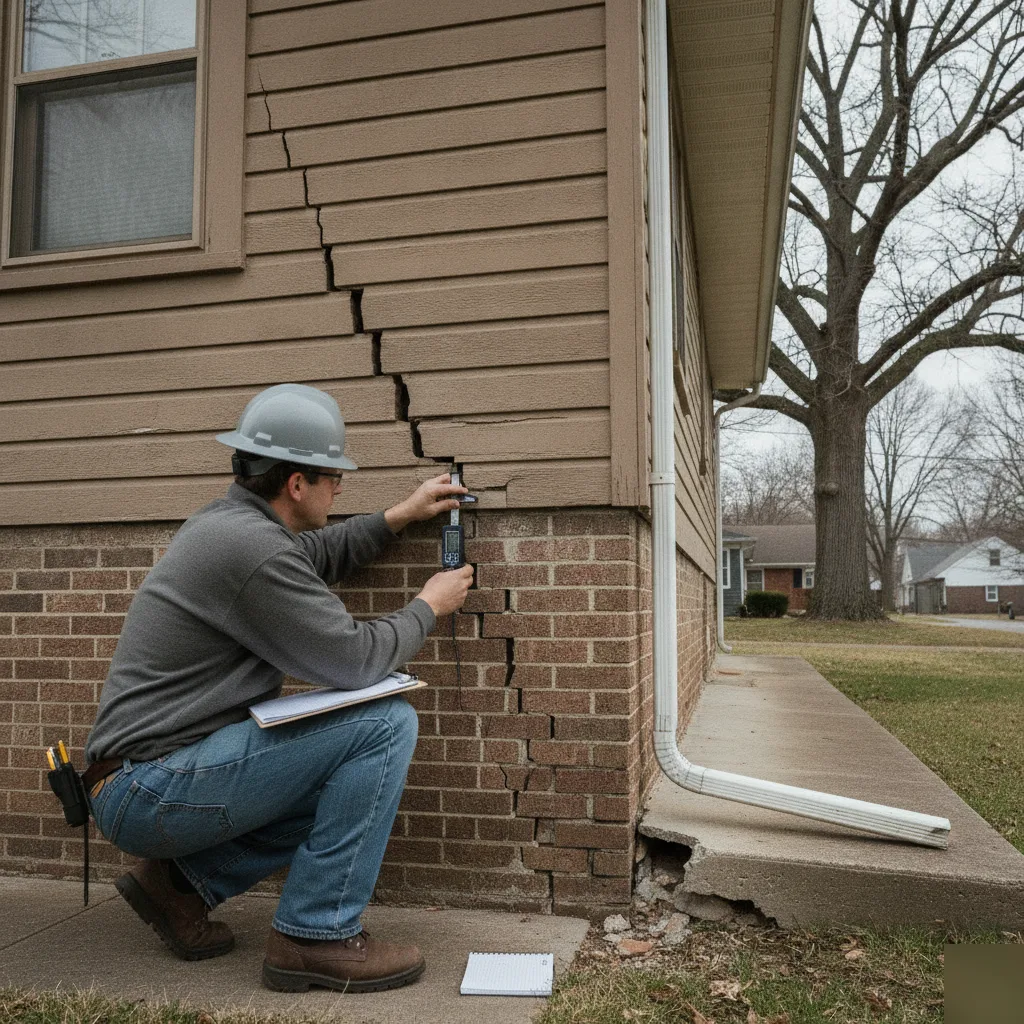
What Construction Defect Consulting Actually Covers
Most people call us after something looks wrong. A crack keeps growing. A floor slopes more than it should. Doors won't latch anymore in a Clayton home that seemed solid at purchase.
Construction defect consulting identifies problems, explains causes, and outlines needed repairs. We are licensed engineers. We document the issue with measurements, photos, and structural analysis. This documentation holds up in front of contractors, attorneys, or St. Louis County officials.
We evaluate several types of defects in Clayton homes:
- Structural defects like undersized beams, improperly supported load bearing walls, or missing framing connections.
- Foundation failures, including settlement cracks in older poured concrete or deteriorating stone foundations. These are common in 1930s and 1940s homes.
- Water intrusion issues caused by flashing errors, grading problems, or poor drainage design.
- Code violations from past renovations done without permits or proper engineering.
We regularly see unpermitted work. A homeowner near Wydown buys a brick home. They later discover the previous owner removed a load bearing wall without engineering. The floor sags. Drywall cracks. Now it is their problem.
We provide a clear, factual report. This report identifies each defect, explains the cause, and outlines required structural repairs. We do not do the repair work ourselves. We give you the engineering documentation needed to move forward. This might mean hiring a builder, filing an insurance claim, or pursuing a legal matter against the responsible party.
Scott's direct experience in St. Louis County plan review helps. He knows how local building officials evaluate these situations. That background matters when your report undergoes scrutiny. It matters even more when the defect traces back to work that should have been caught during inspection. The root cause is something preventable that got missed or skipped.
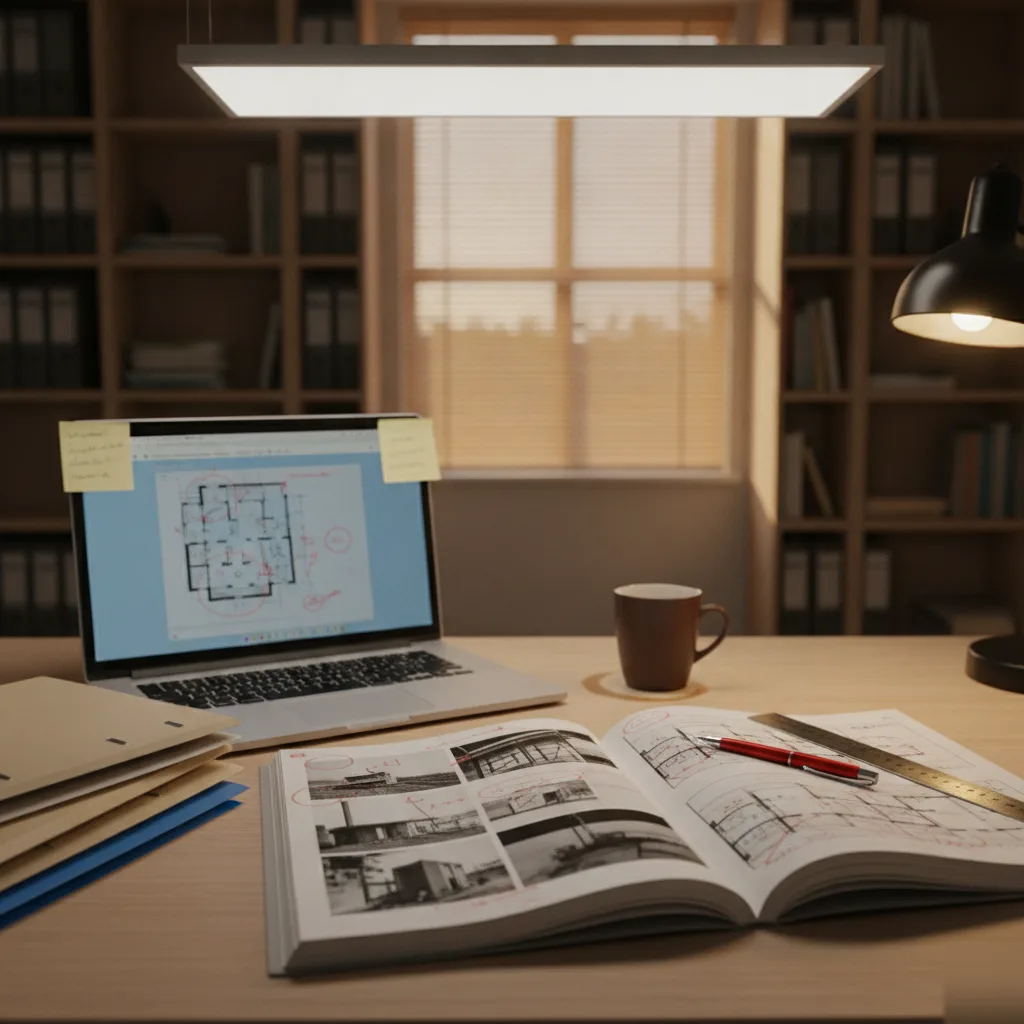
Signs Your Property May Have a Construction Defect
Many people do not call us first. They call a builder, a roofer, sometimes even a painter. The problem then returns. That is usually when we get the call.
Construction defects do not always show with a dramatic crack or a sagging floor. Some defects are subtle. A door that will not latch. A window frame pulling away from the wall. Hairline cracks keep spreading despite patching. We see this pattern frequently in Clayton's older brick homes. The house shifts. The owner fixes the cosmetic issue. Six months later, it is worse.
We advise homeowners to watch for these signs:
- Cracks in drywall or plaster that reappear after repair, especially diagonal cracks near door frames.
- Uneven or sloping floors not noticeable at move-in.
- Water intrusion in basements or crawl spaces with no obvious exterior source.
- Brick mortar joints separating or stair-step cracking on exterior walls.
- Gaps forming between the floor and baseboards or between walls and ceilings.
The story is always similar. Something was built wrong or repaired wrong. The structure shows signs of it. Homes near the Wydown area and throughout central Clayton often have stone foundations from the 1930s and 1940s. These foundations behave differently than modern poured concrete. A crack in one is not the same as a crack in the other. The fix is not the same either.
How do you know if what you see is cosmetic or structural? You probably do not. That is fine.
Construction defect consulting answers this. We look at the symptom, trace it to the cause, and document the issue. This is not a guess. It is a licensed P.E. evaluation with clear findings you can act on. According to the American Society of Civil Engineers, deferred structural issues escalate in scope and cost over time. Getting an answer quickly keeps the problem smaller.
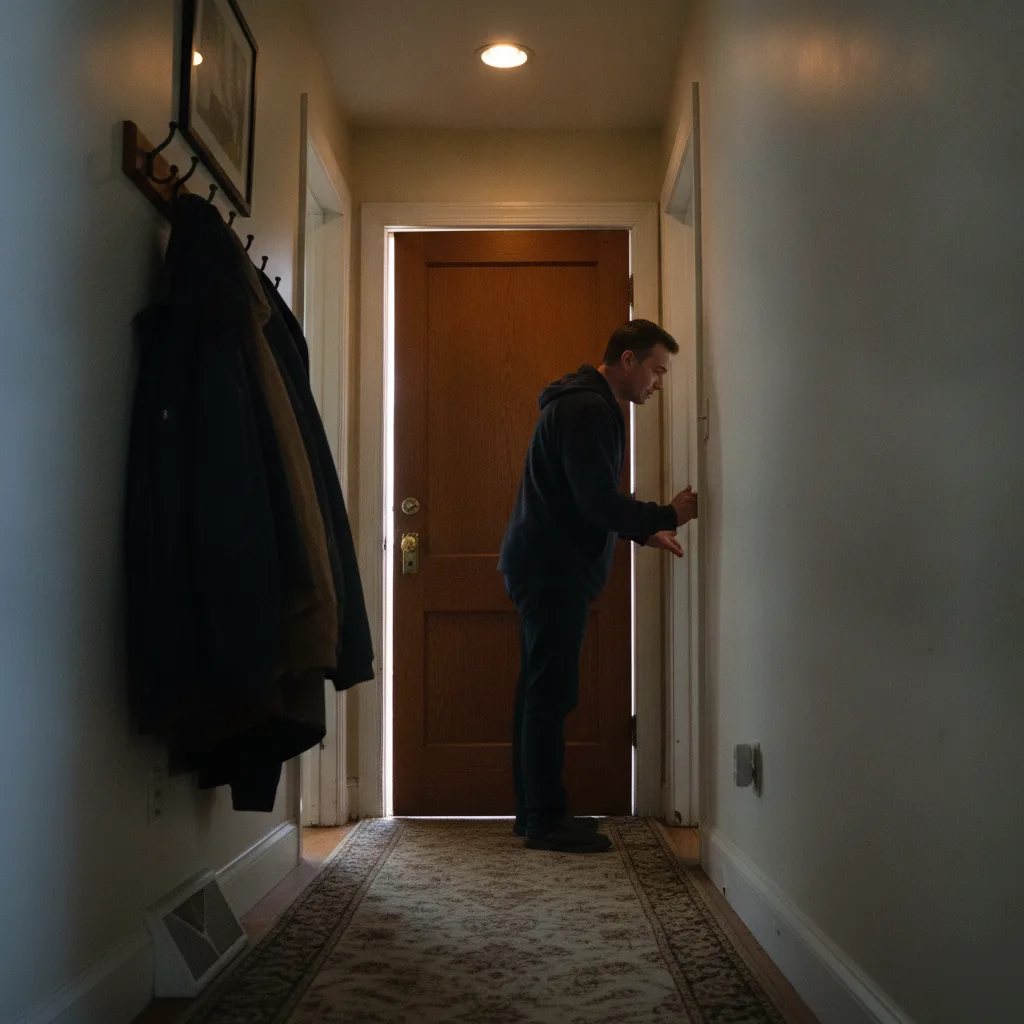
Why a Licensed PE's Report Outweighs a Home Inspection
A home inspector can tell you there is a crack. We tell you why it is there, if it is worsening, and what proper correction requires.
That is the main difference. Home inspectors do visual walkthroughs. They note what they see on the surface. Construction defect consulting requires engineering analysis. It requires understanding load paths, soil behavior, material properties, and how buildings move over time. A licensed Professional Engineer's report carries legal and technical weight. A standard inspection report cannot match it.
A PE-stamped defect report offers more than a home inspection:
- Root cause analysis backed by structural calculations, not just visual observations.
- A PE stamp accepted by courts, insurers, and St. Louis County plan review.
- Specific repair recommendations with engineering details a builder can construct from.
- Documentation that meets the standard of care required in legal proceedings.
We see this constantly in Clayton. A homeowner buys a 1940s brick home near Wydown. The home inspection noted "minor foundation cracks, monitor." Two years later, those cracks have widened. Doors will not latch. Now there is a real problem. The original inspection flagged it but could not quantify it. A PE's report would have identified the movement and recommended intervention before damage escalated.
Scott's direct experience in St. Louis County plan review means his reports are structured the way decision-makers expect. Judges, adjusters, and permit examiners recognize the difference between an opinion and an engineering conclusion. One carries a license number. The other does not.
This affects your bottom line. Insurance carriers often deny claims supported only by inspection reports. They need engineering documentation to approve structural repairs. Attorneys pursuing defect claims need a PE's testimony to establish causation. If you deal with a defect in Clayton or surrounding St. Louis County communities, the report behind your claim determines its validity. Understanding Missouri Construction Defect Laws governing contractor obligations can also clarify who bears responsibility when a defect is confirmed.
Not sure if your situation needs this analysis? That is common. Most people start with a phone call. We can often tell you in a few minutes if engineering involvement makes sense for your case.
How to Prepare Before the Site Visit
A little preparation on your end saves everyone time. It gets us to answers faster.
Before we arrive at your Clayton property, gather any documents you can find. You do not need everything on this list. However, more information helps our assessment:
- Original construction drawings or blueprints.
- Any past inspection reports or engineering evaluations.
- Photos showing the defect over time, especially if it worsened.
- Builder bids, change orders, or correspondence about the issue.
- HOA communications or county notices related to the problem.
We see this every week. A homeowner near Shaw Park calls about cracking in a stone foundation. They watched it for two years but never took a photo. That is fine. But if you have dated photos on your phone, gather them. They help us build a timeline that holds up to scrutiny.
Walk the property before the visit. Mark any areas of concern with painter's tape or sticky notes. These include cracks in drywall, doors that will not latch, or sloping floors. These clues point us toward the root cause. They are not just cosmetic complaints. If you notice water intrusion after storms, note where it appears and when.
Access Matters
Make sure we can reach the problem areas. Clear furniture away from walls with visible cracking. Clear crawl spaces and utility rooms. If the defect involves a roof or exterior wall, confirm we will have safe access to the perimeter. For older Clayton homes built in the 1930s and 1940s, attic and basement access is important. Original framing often tells a story that finished surfaces hide.
Write down your questions ahead of time. You will want to know what is wrong, who is responsible, and what the repair involves. We cover all of that during the visit. Having your priorities on paper keeps the conversation focused. Need help figuring out what to gather? Call us.
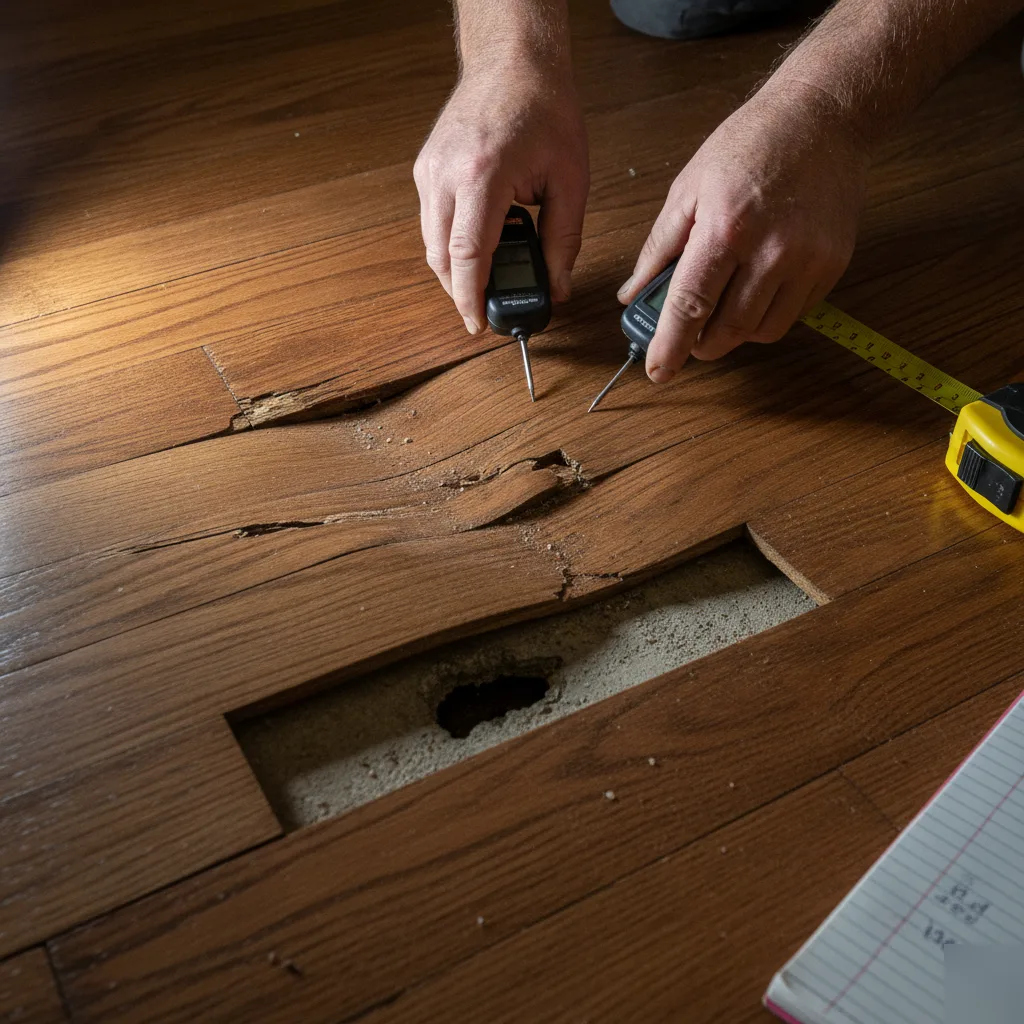
The Construction Defect Consulting Process from Site Visit to Report
Every project starts the same way. You call, describe what you see, and we schedule a site visit. No guesswork over the phone. We need to see the problem in person before we say anything definitive.
Here is how it works once we are on-site in Clayton:
- Initial walkthrough and documentation. We photograph every crack, every deflection, every area of concern. We measure. We note the age and type of construction. For a 1930s brick home near Wydown, that means checking stone foundations, original mortar joints, and any modifications made over the decades.
- Condition mapping. We create a clear record of where defects exist and how they relate. A crack in a second-floor wall might trace to a failed beam connection two stories below. We map the full picture, not just the obvious issues.
- Structural analysis. Back at the office, we run calculations. We compare existing conditions against current building code requirements and original design intent. This is where a licensed P.E. makes the difference. We do not guess at load paths. We verify them.
- Written report with findings. You receive a document. It explains what went wrong, why it went wrong, and what the repair will involve. Plain language comes first, engineering detail follows.
The report holds up. Whether you present it to a builder, an attorney, or St. Louis County plan review, it states exactly what needs to be said. Nothing vague. Nothing padded.
We see this every week. A homeowner in Clayton finds a problem during a renovation. The builder points fingers. Suddenly, nobody agrees on what happened. Our report clarifies this. It gives everyone one set of facts to work from.
Scott's direct experience in St. Louis County plan review means the documentation follows the format local examiners expect. That matters when repairs need permits. In Clayton's active real estate market, permits are almost always required and a Clayton building consultant who has worked inside that review process is the difference between a submittal that clears the first time and one that doesn't.
Most reports deliver within five to seven business days of the site visit. Need help figuring out your next step? Call us.
Frequently Asked Questions
What kinds of construction defects are most common in Clayton homes?
Foundation issues and unpermitted structural changes are the most common defects we see in Clayton. Many homes here were built in the 1930s and 1940s. Stone foundations from that era behave differently than modern poured concrete. We also regularly find load-bearing walls removed without engineering — often during past renovations. Water intrusion from poor flashing or grading problems shows up often too. These issues compound over time when left unaddressed.
How is a construction defect consulting report different from a home inspection report?
A licensed PE's report identifies the root cause and explains why a defect exists. A home inspection only notes what is visible on the surface. Our reports include structural calculations, documented measurements, and a PE stamp. That stamp is accepted by courts, insurance carriers, and St. Louis County plan review. An inspection report that says "monitor this crack" does not carry the same weight when you need to file a claim or pursue a legal matter.
Can I use a construction defect report for a legal claim or insurance dispute in Clayton?
Yes, a PE-stamped defect report is exactly what attorneys and insurance adjusters need to move a claim forward. Insurance carriers often deny structural claims backed only by inspection reports. A licensed engineer's report establishes causation — meaning it explains what caused the defect, not just that it exists. Scott's background in St. Louis County plan review means the report is structured the way decision-makers expect to see it.
How do I know if what I'm seeing is cosmetic or a real structural problem?
You likely cannot tell on your own, and that is completely normal. Diagonal cracks near door frames, floors that have started sloping, and drywall cracks that come back after patching are all signs worth evaluating. In Clayton's older brick homes near areas like Wydown, these symptoms often trace back to foundation movement or a structural change made without permits. A licensed PE evaluation gives you a clear, factual answer — not a guess.
What should I expect during a construction defect consultation?
We visit your property, document the defect with measurements and photos, and perform a structural analysis. You receive a written report that identifies each defect, explains the cause, and outlines required repairs. We do not perform the repair work ourselves. The report gives you what you need to hire the right contractor, file a claim, or move forward with legal action. Most homeowners tell us the report finally gave them a clear path after months of confusion.