What a Home Remodel Feasibility Consultation Actually Delivers
A feasibility consultation provides clear answers, not guesses or "maybes." We give you a direct structural picture of your Clayton home before any money goes toward demolition or design.
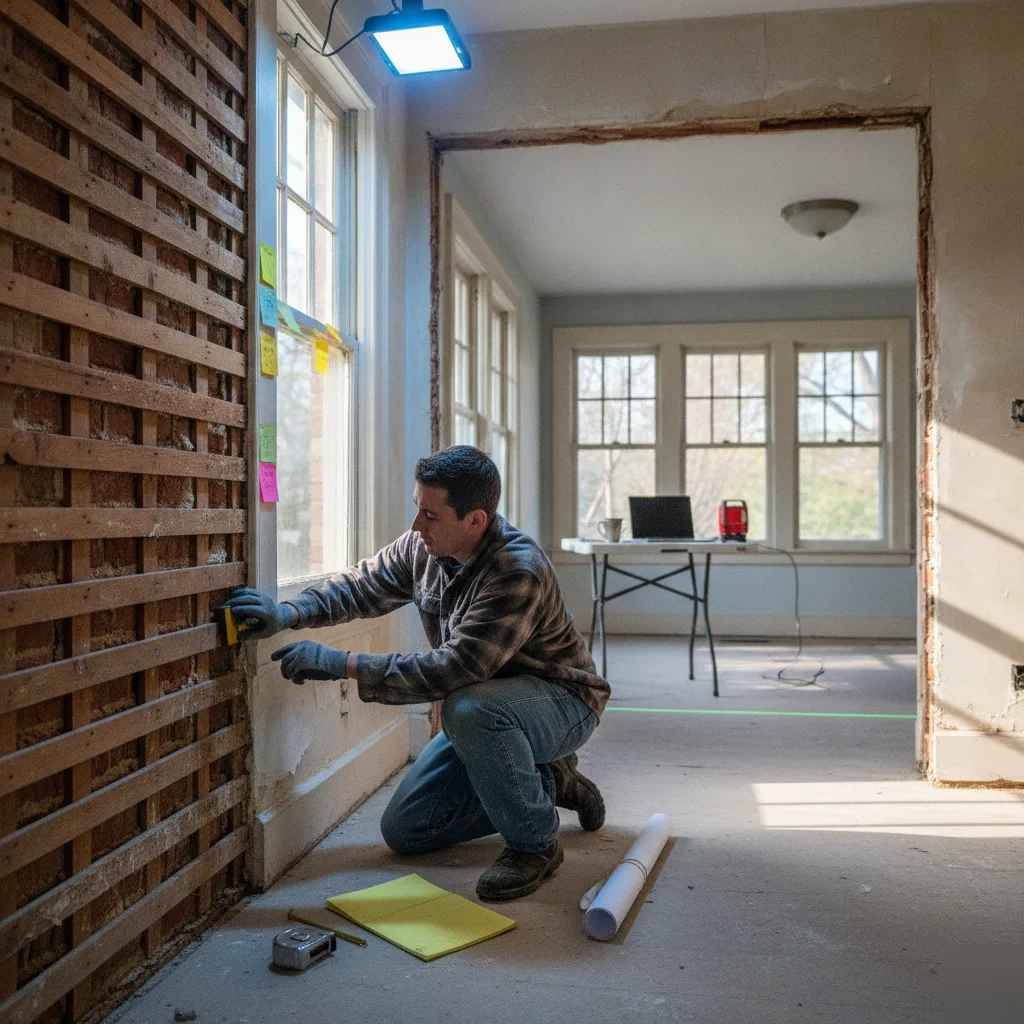
We walk through the project with you to evaluate what is structurally possible for your home. A 1940s brick colonial near Wydown might allow for an open-concept kitchen. Or, it could require significant beam work to remove a load-bearing wall. Our process means you discover this information early, not mid-project when a general is on-site facing an unexpected structural issue.
Here's what you walk away with after a consultation:
- A structural assessment of walls, floors, and foundation elements impacted by your planned remodel.
- Identification of load-bearing walls versus non-structural partitions.
- The scope of structural work needed, including beam sizing or foundation modifications.
- Guidance on Clayton's permitting requirements for your project.
- Potential issues that could delay your timeline or budget.
Many homeowners contact us after speaking with an architect or general. They often have a vision and a preliminary quote. However, no one has confirmed whether the existing structure can support their plans. We provide that structural confirmation.
This evaluation becomes even more critical in older homes. Structures with stone foundations, original timber framing, or plaster over brick are common here. These elements are not deal-breakers, but they require expert evaluation from a licensed P.E. who understands how these historic systems behave. That is precisely what a Clayton residential building consultant with Scott's direct St. Louis County plan review experience brings to every pre-purchase evaluation — permit drawings built around exactly what the examiner needs to see.
A consultation can also prevent over-engineering. We find some projects require less structural work than homeowners anticipate. For example, we've reviewed Clayton remodels where a simple header replacement was sufficient, instead of a full beam installation a general had quoted. This provides significant savings.
Ultimately, you receive a clear structural recommendation, backed by engineering, not assumptions.

Structural Red Flags in Pre-War and Mid-Century Homes
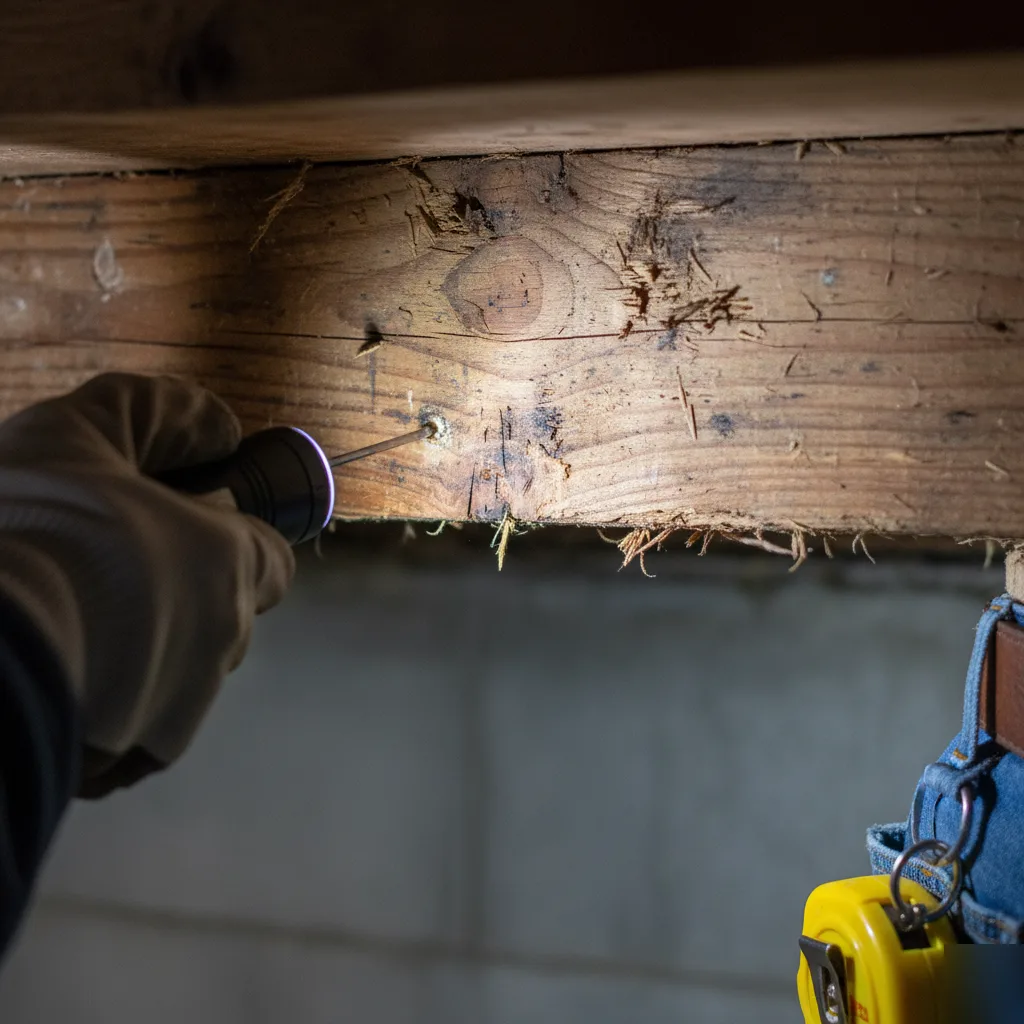
Clayton's housing stock often reflects its history. Many homes date from the 1920s to the 1950s, featuring classic brick exteriors and robust construction. However, decades of settling, moisture exposure, and older building practices leave signs that require attention during a remodel.
We conduct on-site evaluations in Clayton homes every week. Owners often have ambitious renovation plans but have not yet examined what lies behind walls or beneath floors. Home remodel feasibility consulting addresses this first. Before selecting finishes or designing a kitchen layout, you need to confirm what the structure can support.
What We See Most Often
- Stone or early poured concrete foundations with horizontal cracking, mortar loss, or water intrusion paths
- Original floor framing that's undersized by current code, especially over long spans in dining rooms or living areas
- Load bearing walls in locations that conflict with open-concept plans, often hidden behind plaster and lath
- Sagging or bouncy floors caused by deteriorated support beams or columns that shifted over time
- Roof framing with outdated connections that won't meet today's wind load requirements if you're adding square footage
Homeowners near Wydown or in older neighborhoods south of Forsyth frequently discover a wall is load-bearing only after demolition begins. A feasibility review identifies this on paper, preventing costly on-site surprises.
Homeowners often overlook a key point: a foundation crack does not automatically halt a remodel. We evaluate the crack, determine if it is active, and design appropriate solutions. Some cracks are superficial. Others indicate active movement, requiring a structural repair design before any renovation work can proceed.
Scott's direct experience in St. Louis County plan review means your permit drawings are built around exactly what the examiner needs to see. This background is critical because Clayton permits routes directly through St. Louis County. Understanding what triggers a red flag during plan review saves significant time and prevents revision cycles.
Our goal is not to identify problems; it is to provide answers before you invest in a project.
Why Clayton's Permit Process Makes Feasibility Work Critical
Clayton operates under St. Louis County's permitting jurisdiction. The county plan review process is thorough. Submittals frequently get returned if they miss structural details or code requirements. Each rejection leads to delays, additional fees, and a general facing idle time.
This scenario frequently occurs with older Clayton homes. Consider removing a wall for an open kitchen in your 1940s brick colonial near Wydown. While this sounds straightforward, the county examiner requires load path calculations, beam sizing, connection details, and verification that your existing foundation can support new point loads. If feasibility is not checked before architectural design, permit drawings may not align with what is structurally achievable.
Feasibility work addresses these questions upfront. Before investing in design, you receive answers to the very questions the permit office will ultimately pose:
- Can the existing foundation support the changes you want?
- Are the walls you want to remove load bearing, and what will replacement beams require?
- Does the floor system need reinforcement for a new layout or added square footage?
- Will the scope of work trigger additional code upgrades the county now requires?
Scott has worked on both sides of the St. Louis County plan review process. He knows what gets flagged, what gets approved on the first pass, and what triggers a full structural resubmittal. That background shapes every feasibility assessment we do in Clayton.
Many homeowners do not grasp the full scope of the permit process. It extends beyond a simple formality. The county verifies that your project meets safety standards. Feasibility consulting provides this verification early, preventing the discovery of project-stopping issues at the permit counter. Instead, you identify them with us, in your home, before any funds are committed to design or demolition.
Below-Grade Projects and the Soil Conditions That Affect Them
Basements often present the most surprises in a Clayton remodel. You may plan to finish a lower level, add an egress window, or increase headroom. However, underground conditions dictate if your plan is viable or requires significant adjustments.
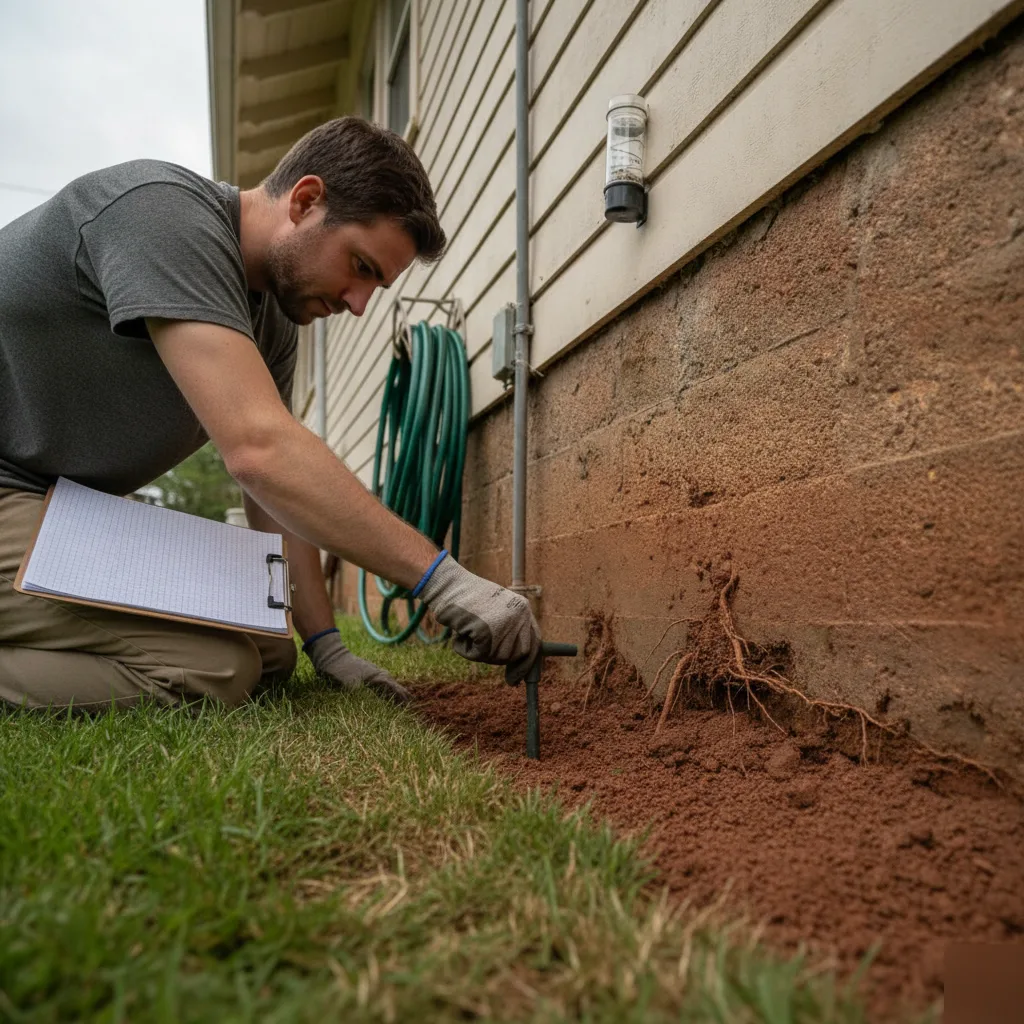
St. Louis County features expansive clay soils. These soils swell when wet and shrink when dry, exerting lateral pressure on foundation walls. Homes from the 1930s and 1940s, especially around Wydown or Davis Place, often have stone foundations or older poured concrete. These foundations frequently show the effects of decades of soil movement. We observe these conditions regularly.
Here's what we look at during a below-grade feasibility review:
- Foundation wall condition, including cracks, bowing, or mortar deterioration in stone foundations.
- Water intrusion patterns and perimeter drainage.
- Soil type and its interaction with the existing foundation system.
- Current floor slab thickness and the viability of underpinning.
Why does this matter before you begin plans? A general who starts demolition without understanding soil conditions risks creating issues far exceeding the original project cost. A foundation crack inspection alone is insufficient. You need an engineer who connects the structural condition to soil behavior, providing clear direction on what is buildable.
We frequently encounter a specific scenario in Clayton. A homeowner might want to convert a partial basement into a full living space. However, the existing stone foundation often cannot support the additional loads without reinforcement. The clay soil means excavation near existing footings risks destabilizing the wall. This does not preclude the project; it means the engineering design must address these realities from the outset.
If you are uncertain about the viability of your basement project, home remodel feasibility consulting provides those answers. We clarify what is possible before you invest in design work that may not pass plan review. Scott's direct experience in St. Louis County plan review means your permit drawings are built around exactly what the examiner needs to see.
The Path Forward After Your Feasibility Report
Your feasibility report marks a beginning, not an end.
After we deliver your report, you will understand what is possible, what carries risk, and what requires structural engineering before construction. The true benefit lies in the subsequent steps. Every recommendation in the report directly outlines a specific action, ensuring you always know how to proceed.
Here's how most Clayton homeowners move forward after their feasibility assessment:
- Review the findings together. We review every page with you. There will be no ambiguity regarding technical language. You will fully understand each recommendation's implications for your project timeline and budget.
- Determine the appropriate scope. The full vision may be viable. Alternatively, a phased approach could save time and avoid complications. We will advise on the most effective path to achieve your desired outcome.
- Proceed to structural engineering and permit drawings. If your project involves load-bearing wall removal, a home addition, or foundation work, we perform the structural calculations and prepare permit-ready stamped drawings in-house. Scott's direct experience in St. Louis County plan review means your permit drawings are built around exactly what the examiner needs to see.
- Provide complete documents to your general. Your general receives drawings and specifications that proactively address potential questions on the job site.
We often observe a common situation. Homeowners near Wydown or in older neighborhoods south of Forsyth initially believe they require a complete structural overhaul. After the feasibility report, they discover the project scope is smaller than anticipated. With solid existing framing, they can reallocate budget towards desired finishes.
The reverse also occurs. A seemingly simple project on paper may reveal a stone foundation requiring reinforcement or a floor system needing beam upgrades for a new layout. Identifying these issues now is preferable to discovering them after demolition.
Most of our Clayton clients progress from a feasibility report to approved permit drawings within weeks. This process provides a direct path, transforming initial questions into precise engineering solutions. Contact us to begin your project with confidence.
Frequently Asked Questions
Do I need a feasibility consultation before meeting with an architect or general contractor?
Yes, getting a feasibility consultation first saves you time and money. Many Clayton homeowners come to us after an architect has already drawn plans — but no one confirmed the structure can support them. Starting with a structural review means your architect designs around what is actually buildable. You avoid paying for redesigns later. It also gives your general contractor a clear picture before they submit a bid, so their numbers are based on real conditions.
How do older homes in Clayton affect what's possible with a remodel?
Clayton's pre-war and mid-century homes come with specific structural conditions you need to know about early. Stone foundations, original timber framing, and plaster over brick are common here. These features are not automatic deal-breakers. However, they behave differently than modern construction. A 1940s brick colonial near Wydown may allow an open-concept kitchen — or it may need significant beam work first. A feasibility review tells you exactly which situation you are dealing with before any money moves.
What happens if a wall I want to remove turns out to be load-bearing?
Finding a load-bearing wall does not stop your project. It means you need a structural solution designed before demolition begins. We identify load-bearing walls versus non-structural partitions during the consultation. Then we size the replacement beam and detail the connections correctly. Some homeowners discover a simple header replacement is enough — not the full beam installation their general originally quoted. You get a clear answer and a path forward, not a surprise mid-project.
Why does Clayton's permit process make feasibility work so important?
Clayton permits route through St. Louis County plan review, and that process is detailed. Submittals get returned when structural calculations, load path details, or beam sizing are missing. Each return means delays and added costs. Scott has worked directly in St. Louis County plan review. He knows what triggers a rejection and what gets approved on the first pass. Feasibility work addresses the county's questions before your architect even starts drawing, so your permit submittal is built right the first time.
Does a foundation crack mean I have to stop my remodel plans?
Not automatically. A foundation crack needs to be evaluated, not assumed to be a project-stopper. We examine the crack on-site to determine if it is active or superficial. Superficial cracks are common in Clayton's older homes and often do not affect your remodel scope. Active movement is a different situation — it requires a structural repair design before renovation work proceeds. Knowing the difference early protects your timeline and prevents a general from discovering the issue after work has already started.
What do I actually receive after a home remodel feasibility consultation?
You receive a clear structural assessment backed by engineering. This includes identification of load-bearing walls, beam sizing requirements, foundation evaluation, and guidance on Clayton's permitting requirements for your specific project. You also get a list of potential issues that could affect your timeline or budget. This is not a vague report — it is a direct answer to whether your planned remodel is structurally achievable and what it will take to get there.