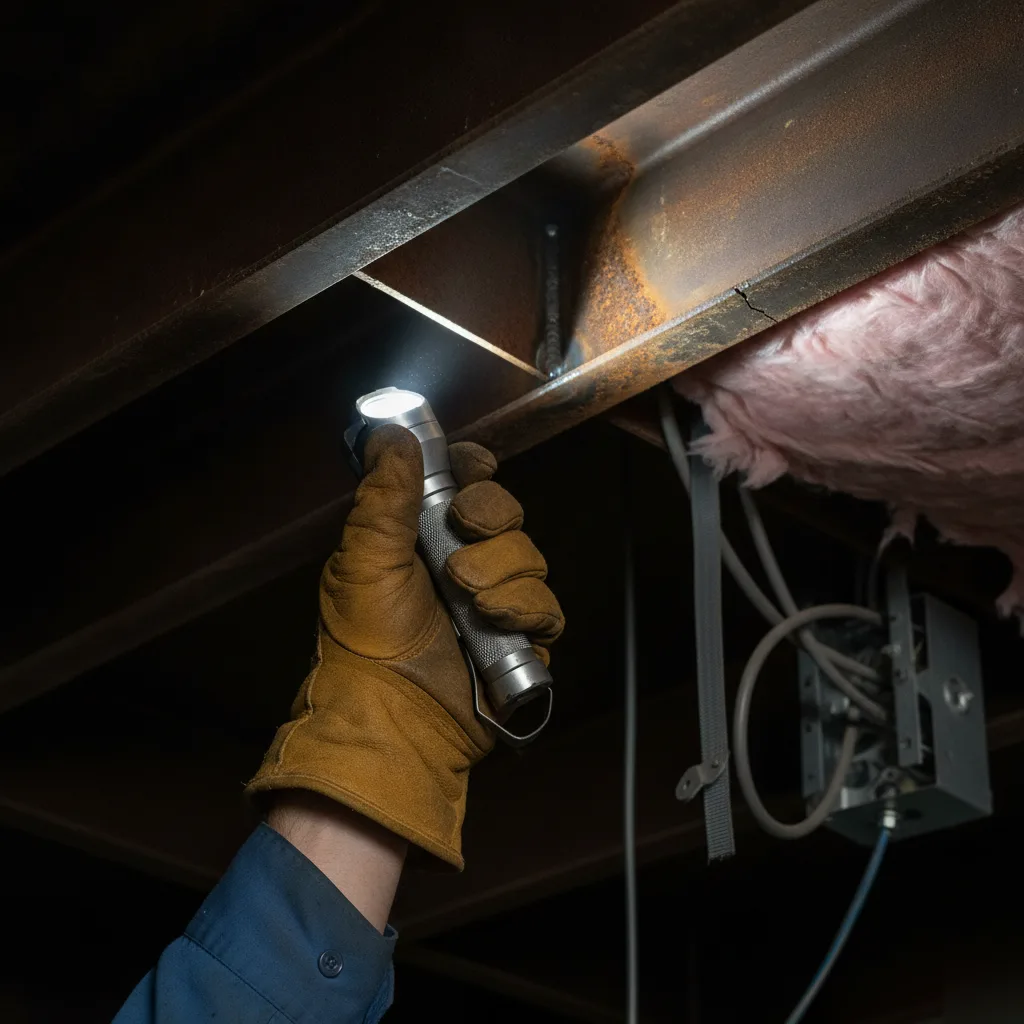
What a Commercial Building Inspection Covers
Many people assume we just walk through and point at cracks. That's maybe ten percent of it.
A commercial building inspection in Clayton looks at every structural and safety system. These systems keep a building standing and functional. We examine the full picture, not just the obvious issues. The goal is to give you a clear, documented understanding of the building's current condition. This provides real data for your decisions.
We evaluate these items during a typical inspection:
- Structural frame and load paths including columns, beams, bearing walls, and connections
- Foundation systems for signs of settlement, cracking, or water intrusion
- Roof structure and drainage to catch sagging, ponding, or deterioration
- Exterior walls and facades especially the older brick and masonry common around Clayton's downtown corridor
- Floor systems for deflection, vibration, or visible damage
We see many mixed-use buildings near Forsyth Boulevard. Their original construction dates to the 1940s and 1950s. These buildings often have decades of modifications. Some are documented, some are not. Problems often hide in work done thirty years ago without a permit.
We do not stop at structure. We also identify building code compliance issues. These issues could affect your occupancy, your insurance, or your ability to renovate later. Scott's background in St. Louis County plan review means he knows what examiners flag. That keeps you from surprises later.
Every inspection produces a written report. It includes photos, findings, and clear next-step recommendations. We use no vague language. We do not say "monitor and observe" without context. You get specifics: what is wrong, its urgency, and what fixing it involves.
A building owner who calls us almost always wishes they had called six months earlier. Issues do not get smaller over time; they get more expensive. A thorough inspection now gives you leverage in negotiations, clarity for budgeting, and confidence. You will not inherit someone else's problem.
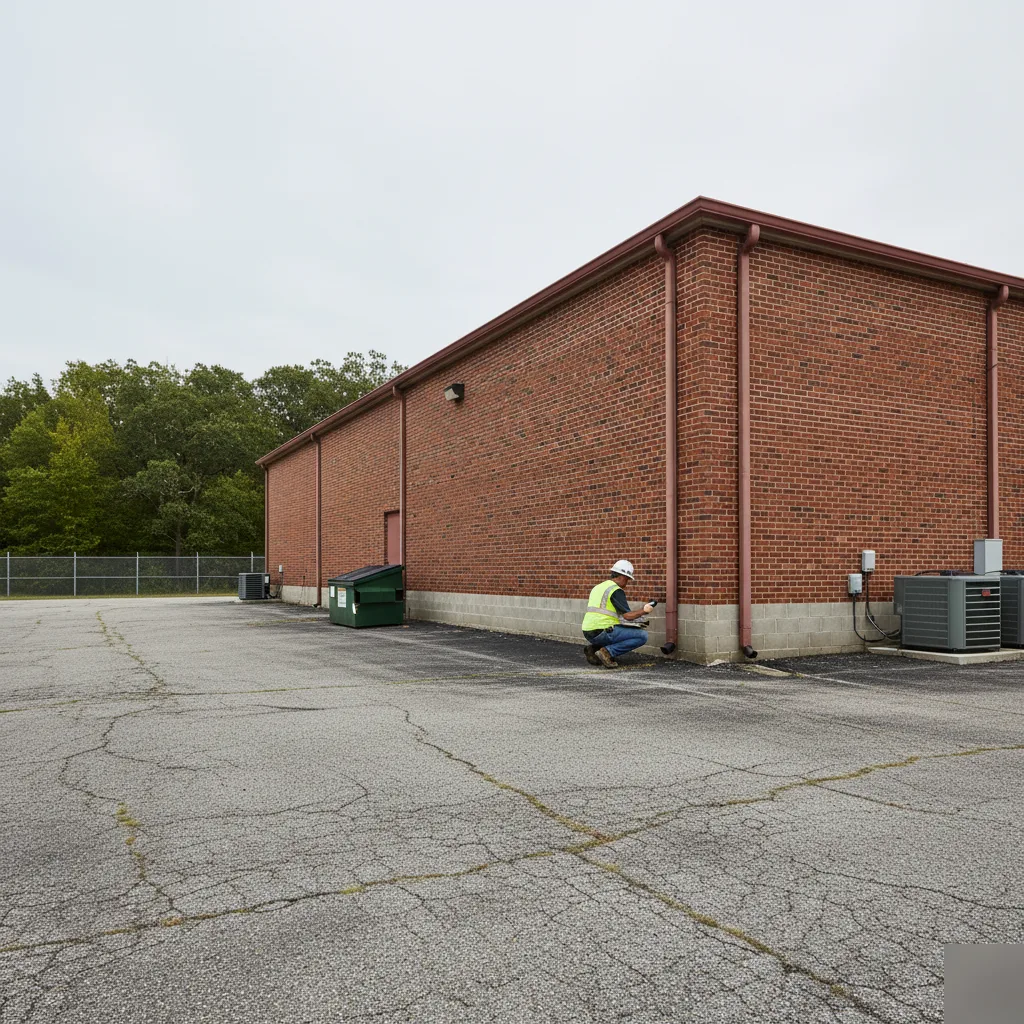
Why Structural Engineering Credentials Change the Inspection
Most commercial inspections get done by generalists. They walk the building, note visible problems, and hand you a report. But they cannot tell you what those problems mean structurally. A licensed Professional Engineer can.
That is the difference you are paying for. Not just observation, but analysis.
When our team inspects a commercial building in Clayton, we do not just check boxes. We read the structure. load paths, connection details, bearing capacity, and lateral bracing. how forces move through a building because we design these systems every day. So, when something looks off, we can tell you its seriousness and what it will take to fix.
What a P.E. Finds That Others Miss
- Deflection in steel beams that signals overloading or undersized members
- Crack patterns in masonry that indicate differential settlement versus normal shrinkage
- Modified framing from past renovations done without permits or engineering
- Inadequate lateral bracing in older commercial buildings near the Wydown or DeMun areas
We see this every week. A building owner gets a general inspection report that says "cracks noted in foundation wall." This is not useful. You need to know if those cracks are cosmetic. You need to know if the wall is losing its ability to resist soil pressure. A structural engineer answers that question on-site, often in real time.
Scott's hands-on work with St. Louis County plan review means your permit drawings are built around exactly what the examiner needs to see. That background also shapes how we approach every commercial building inspection Clayton property owners and managers bring us in for he knows what code reviewers flag, what triggers additional review, and what documentation Clayton's permitting process requires when structural repairs are involved.
People do not always consider this. If the inspection uncovers a problem that needs repair design, you are already working with the engineer who identified it. No second opinion is needed. There is no need to re-explain the issue to another firm. One team handles it from diagnosis through structural repair design and permit drawings. This saves you weeks on a commercial project timeline.
Credentials are not just a marketing detail. They determine if your inspection report can actually drive decisions.
Age-Related Risks in Clayton's Commercial Building Stock
Most commercial buildings in Clayton were built decades ago. Some date back to the 1930s and 1940s. This age creates structural questions that do not show up in a quick walkthrough.
We inspect older commercial properties in Clayton every month. The same patterns keep appearing. Stone foundations have shifted over time. Brick facades have mortar joints crumbling from the inside out. Floor systems were designed for loads far lighter than what today's tenants need. These are not hypothetical problems. We document them in our reports week after week.
Common Issues We Find in Older Commercial Structures
A building's age does not automatically mean it is failing. But certain conditions appear more often in Clayton's older commercial stock than anywhere else we work in St. Louis County. Industry guidance on inspecting your building's envelope early reinforces why catching these issues before they compound is so critical for older properties:
- Foundation walls with horizontal cracking from decades of lateral soil pressure
- Steel lintels above windows and storefronts that have corroded and lost load capacity
- Original roof framing that does not meet current snow or wind load requirements
- Unreinforced masonry walls that lack the ties and connections modern codes require
- Floor slabs with settlement cracks that suggest soil movement underneath
Often, a building owner calls us because they noticed something cosmetic. A crack in the wall. A door that will not close right. A floor that feels uneven near the Wydown Business District or along Forsyth Boulevard. But the cosmetic sign is just the surface. The real question is whether the structure behind it still performs its job.
A commercial building inspection matters most here. We are not just looking at what you can see. We evaluate load paths, connection details, and whether the original construction still performs under current use. A building that worked fine as a small office in 1955 may not handle the mechanical equipment or tenant build-out you are planning today.
Scott's familiarity with St. Louis County plan review means he knows which structural concerns will trigger code compliance issues during a renovation permit. That saves you from surprises after you have committed to a lease or purchase, not before.
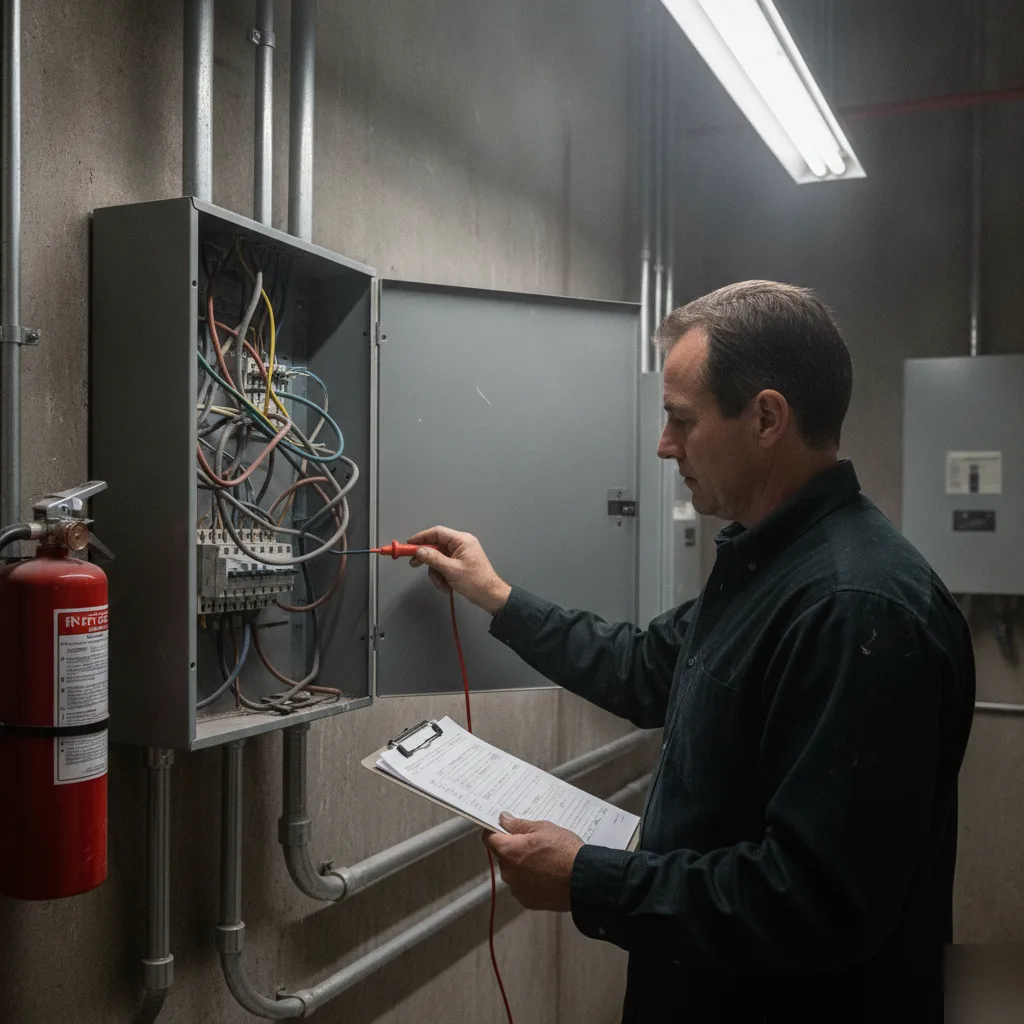
What the Inspection Process Looks Like From Start to Report
You want to know exactly what happens before you commit. That is reasonable.
Our process in Clayton follows a clear sequence. There is no guesswork or vague timelines. This is how it works from the moment you reach out to the day you get your report:
- Scope call. We discuss the property type, your concerns, and what drives the inspection. Are you buying? Renovating? Responding to visible damage? Each reason shapes what we focus on.
- Document review. If drawings, previous reports, or permits exist, we review them before going on site. For older Clayton properties, especially those 1930s and 1940s brick buildings near the Wydown-Forsyth area, original plans are often missing. We account for that.
- On-site walkthrough. We inspect the structural systems top to bottom. This includes roof framing, load paths, floor systems, foundation walls, and connections between elements. We observe how the building performs, not just how it looks.
- Testing and measurement. Where conditions require it, we take measurements of cracks, deflection, or settlement. We document everything with photos and field notes.
- Engineering analysis. Back at the office, we evaluate what we found. We compare it against current building codes and structural standards. This is where a licensed P.E. makes the difference. We do not just describe problems; we quantify them.
- Written report delivery. You get a clear document with findings, photos, and recommendations. If structural repairs are needed, we outline what is required. If permit drawings are part of the next step, Scott's knowledge of St. Louis County plan review means those drawings are built around exactly what the examiner needs to see.
Most inspections conclude within a few business days from site visit to final report. We have completed hundreds of these across Clayton and surrounding St. Louis County communities. The process moves fast without cutting corners.
People do not always realize this. The report is not just for you. It is a tool your lender or attorney can use immediately. We write it that way on purpose.
Using Inspection Findings to Make Smarter Property Decisions
The report itself is not the finish line. It is the starting point for every decision that follows.
We hand you a detailed document. It has photos, structural observations, and clear recommendations. But what matters most is what you do with it. Our team stays involved. We walk through findings with you directly. We do not just email a PDF and disappear. You will know exactly what needs attention now, what can wait, and what is purely cosmetic versus structurally relevant.
For Buyers and Investors
Say you are looking at a 1940s brick commercial property near the Wydown district in Clayton. Our report flags deteriorating mortar joints in the foundation walls. It also flags a sagging floor system on the second level. That does not mean walk away. It means you negotiate with real numbers. You will know the scope of structural repair design needed before you commit a dollar. Buyers who skip this step pay more after closing than the building was worth to begin with.
For Current Owners Planning Renovations
Maybe you already own the building and are planning a tenant buildout or change of use. Our findings tell you if your existing structure can handle the new loads. They tell you if you need beam and header design work. They also tell you if the foundation needs reinforcement before anything else moves forward. These are not guesses. They are engineering conclusions. They are backed by field measurements and calculations.
Clients typically use a commercial building inspection report for these purposes:
- Renegotiate purchase price based on documented structural deficiencies
- Prioritize capital improvements using a clear severity ranking
- Submit findings directly to lenders or insurance carriers who require structural verification
- Use the report as a baseline for future building condition assessments
Scott's experience with St. Louis County plan review means this: if your inspection uncovers issues that need permits to fix, we already know what the examiner expects to see in those drawings. That saves you weeks in Clayton's permitting process. One report feeds directly into the next step. There are no gaps and no repeated site visits.
Good data leads to good decisions. That is the whole point.

Frequently Asked Questions
How long does a commercial building inspection in Clayton typically take?
Most commercial inspections in Clayton take between two and four hours on-site, depending on the building's size and age. Older mixed-use buildings near Forsyth Boulevard often take longer because of decades of undocumented modifications. After the walk-through, you receive a written report with photos and clear findings. Plan for the full report within a few business days. The more complex the building, the more detail goes into the report.
Do I need a structural engineer for a commercial inspection, or will a general inspector work?
A licensed Professional Engineer gives you analysis, not just observation. A general inspector can note that cracks exist. A structural engineer tells you what those cracks mean and how serious they are. In Clayton's older commercial stock, that difference matters. Buildings from the 1930s through the 1950s often have settlement patterns, modified framing, and masonry issues that require real engineering judgment to evaluate correctly.
What are the most common problems found in Clayton's older commercial buildings?
The same issues show up repeatedly in Clayton's older commercial properties. Horizontal cracking in foundation walls from long-term soil pressure is common. Corroded steel lintels above storefronts lose load capacity quietly. Original roof framing often falls short of current snow and wind load requirements. Unreinforced masonry walls near the Wydown and DeMun areas frequently lack the ties modern codes require. These are not rare findings — we document them week after week.
Can a commercial inspection report be used during purchase negotiations?
Yes, a detailed inspection report gives you real leverage at the negotiating table. When findings are documented with photos, urgency ratings, and repair recommendations, you have specific data to support a price adjustment or repair request. Vague reports that say "monitor and observe" do not help you negotiate. A report with clear findings and next steps puts you in a much stronger position before you close.
What happens if the inspection uncovers a structural problem that needs repair?
If a structural issue turns up, you do not need to start over with a new firm. When the same engineer who identified the problem also handles the repair design and permit drawings, you save weeks on your project timeline. Clayton's permitting process has specific documentation requirements for structural repairs. Working with one team from inspection through repair design means nothing gets lost in translation between a report and a set of permit drawings.
When is the right time to schedule a commercial building inspection in Clayton?
The best time is before you sign anything — before purchase, before a major renovation, and before renewing a long-term lease. Building owners who call us almost always say they wish they had called six months earlier. Problems do not stay the same size over time. Catching a failing lintel or a shifting foundation wall early costs far less than addressing it after it affects occupancy or triggers a code compliance issue.