Building Inspector Services in
Clayton MO
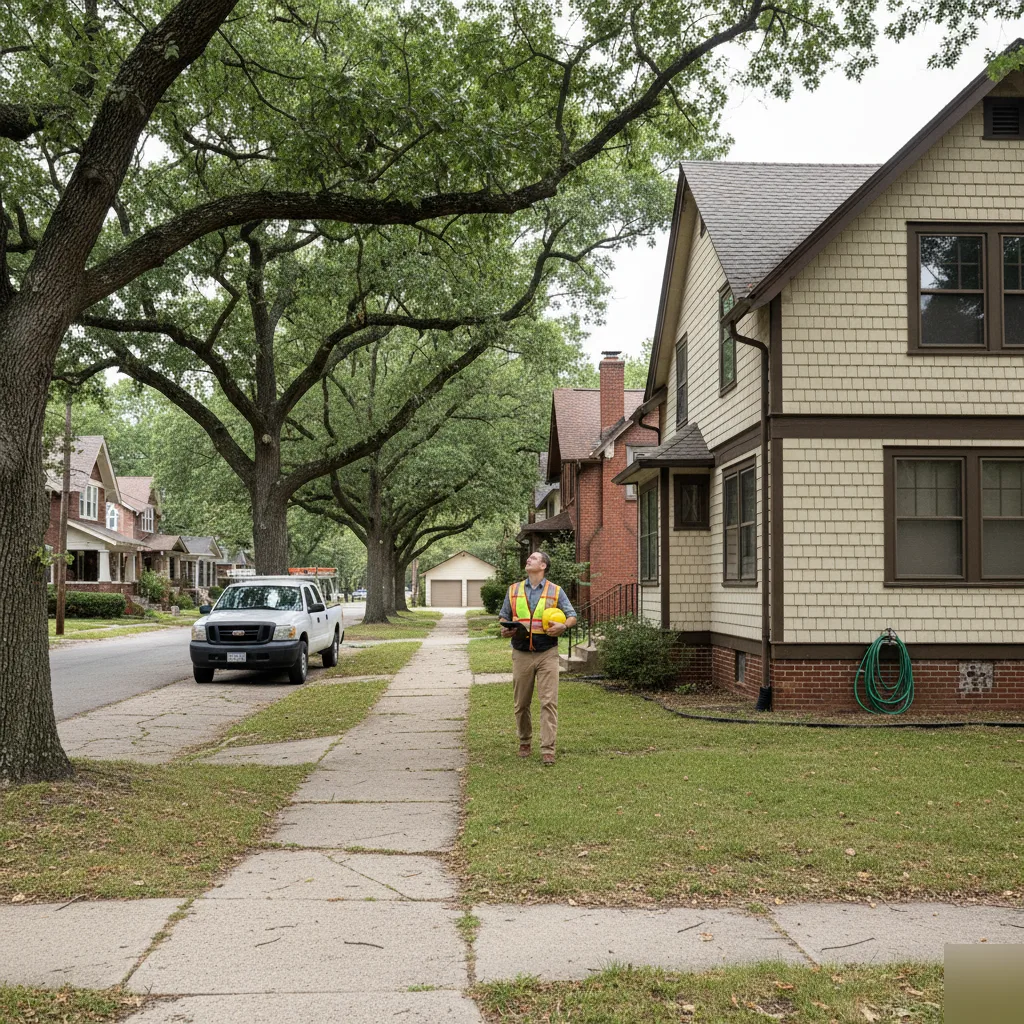
A building inspection means something different when the person conducting it is a licensed structural engineer with direct experience in St. Louis County plan review. It is not a walkthrough with a checklist. It is a field evaluation by a P.E. who understands how Clayton's older structures were built, how they behave under load, what conditions local plan examiners flag, and what the difference is between a crack that needs monitoring and one that needs immediate structural intervention.
That distinction matters more in Clayton than almost anywhere else in the St. Louis metro. The housing stock here — predominantly built between the 1920s and 1950s — carries structural conditions that a standard home inspector is not trained to evaluate and is not licensed to address. Stone foundations with aging mortar joints. Original timber framing with span conditions that predate current code. Unreinforced masonry walls that respond to settlement and wind stress in ways that modern construction does not. Balconies and decks on multi-unit buildings where water infiltration in one unit has been quietly compromising the structural connections of another.
Open Concept Engineering provides structural building inspection services for homeowners, property owners, investors, contractors, and property managers throughout Clayton and the greater St. Louis metro. Every inspection we conduct is performed or directly supervised by Scott — a licensed P.E. whose St. Louis County plan review background means he knows exactly what he is looking at, what it means structurally, and what the local permit process requires to address it correctly. That combination of field credentials and local permit knowledge is what separates a St. Louis structural engineering company built for this market from a general inspection service built for any market.
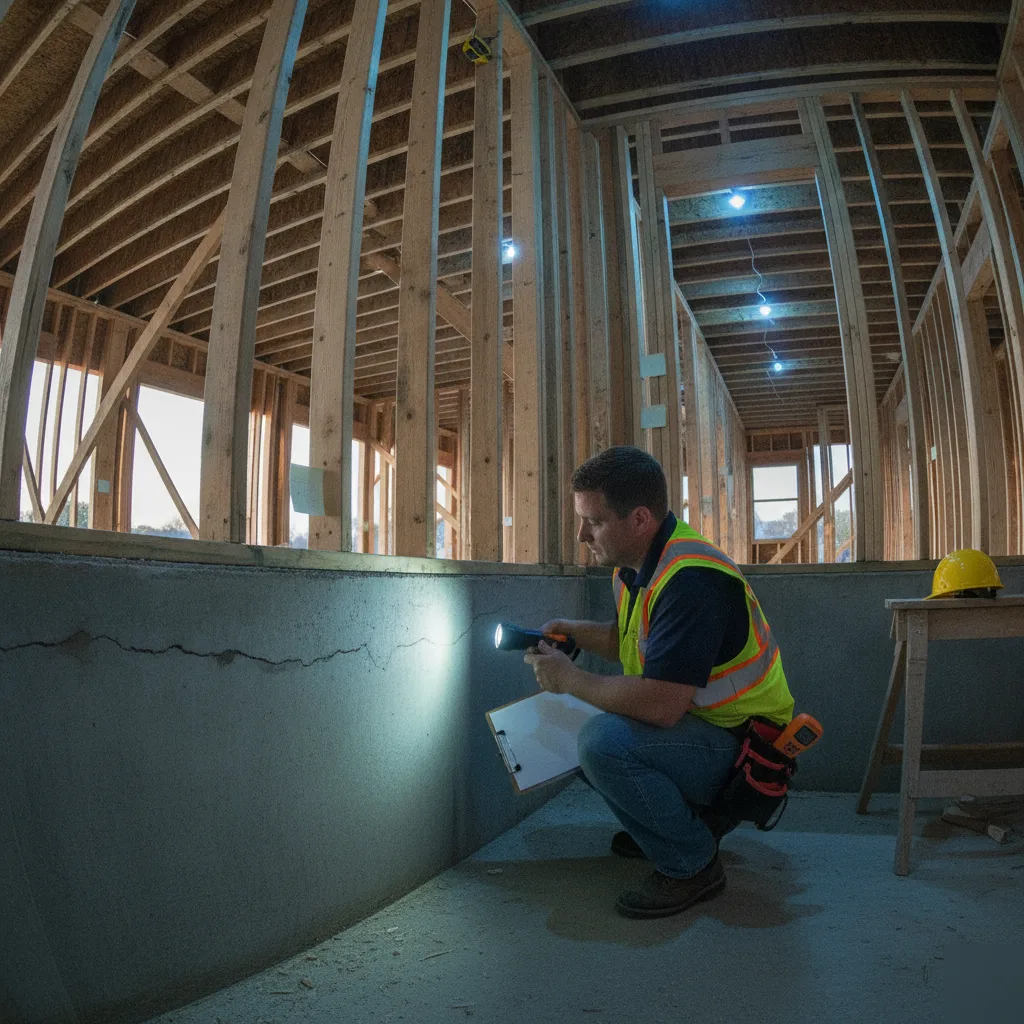
Foundation crack inspection
in Clayton, MO
Foundation cracks in Clayton are one of the most common structural concerns we are called in to evaluate — and one of the most consistently misread. Not every crack is a structural problem. Not every crack that looks minor is cosmetic. The difference between those two categories requires a licensed structural engineer to establish, and establishing it correctly at the outset determines whether a homeowner spends the next six months monitoring a hairline crack or addressing an active lateral movement condition before it becomes a significantly more expensive repair.
Clayton's foundation landscape is distinctive. Stone foundations, early poured concrete, and unreinforced masonry block are common in this housing stock and each behaves differently under the soil pressure, frost cycles, and drainage conditions specific to the St. Louis area. A horizontal crack in a block foundation wall means something structurally different from a stair-step crack in a stone foundation, which means something different again from a vertical crack in poured concrete. Reading those conditions accurately requires field experience with these specific foundation types — not general knowledge applied from a distance.
Our foundation crack inspection service starts with a thorough field evaluation of the foundation in its current condition. We document crack locations, orientations, widths, and any evidence of displacement or active movement using LiDAR measuring technology that produces accurate existing condition documentation as a baseline for monitoring or repair. We evaluate drainage conditions, soil bearing, and any structural elements above the foundation that may be influencing or being influenced by what we find below.
The deliverable is a written engineering report that defines the structural significance of every crack identified, establishes the likely cause, and provides clear recommended next steps — whether that is a specific repair scope, a monitoring protocol, or immediate structural intervention. For conditions that require permitted repair work, Scott's direct experience in St. Louis County plan review means the inspection findings translate directly into the permit documentation the county requires, without requiring a second engagement to produce drawings from what the inspection revealed.
For pre-purchase situations specifically, our foundation crack inspection gives buyers an accurate structural picture before closing — including a clear assessment of what any identified conditions would cost to address and what St. Louis County permitting would require to do it correctly.
Deck and balcony inspection
in Clayton, MO
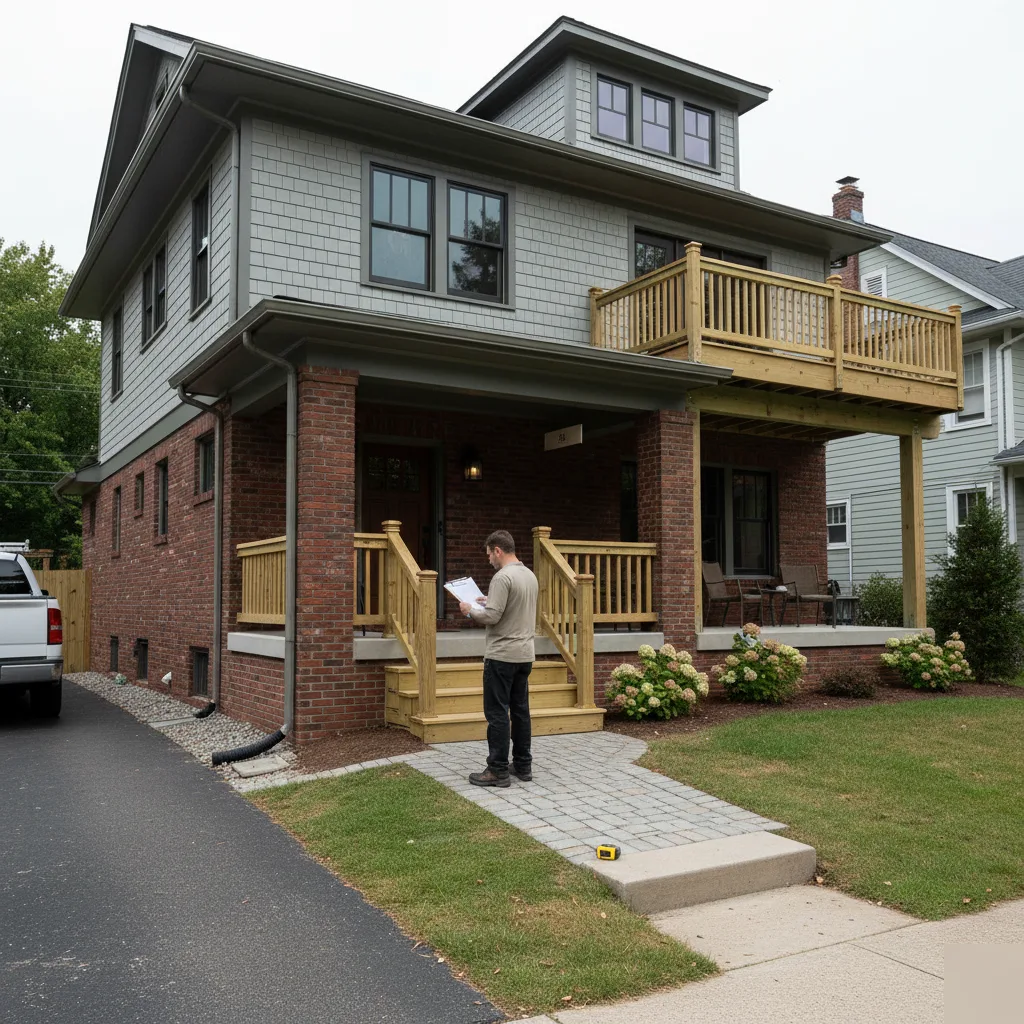
Deck and balcony failures are among the most preventable structural events in residential and multi-unit construction — and among the most consequential when they occur. The structural conditions that precede a deck or balcony failure develop slowly, invisibly, and in locations that a casual visual inspection will not find. By the time deterioration is visible from the surface, the structural connection has frequently been compromised for years.
In Clayton, deck and balcony inspection carries a specific urgency that property owners and managers in the multi-unit market need to understand. We inspect balconies on condos, duplexes, and apartment buildings across Clayton and surrounding St. Louis County communities where the structural concerns differ fundamentally from a backyard deck on a single family home. Balconies are cantilevered or bracket-mounted, exposed on all sides to weather, and often share structural connections with the building's floor system. Water damage in one unit can compromise a neighbor's balcony — which is exactly why Clayton property inspection for multi-unit buildings requires a structural engineer, not a general home inspector.
For single family homes, deck inspection focuses on the conditions that most frequently precede failure — ledger board connections to the house framing, post-to-beam connections, post base hardware, joist hanger integrity, decking fastener patterns, and the condition of any wood members in ground contact or persistent moisture exposure. Clayton's older homes frequently have decks and additions that were built without permits and without engineering, which means the structural connections were never reviewed by anyone with credentials to evaluate them.
Our deck and balcony inspection service produces a written engineering report documenting all structural conditions identified, their significance, and recommended repairs with enough specificity that a contractor can price the work accurately. For conditions that require permitted repair, we can produce structural repair drawings formatted for St. Louis County submission. For property managers dealing with multi-unit balcony concerns, we can inspect an entire building's balcony inventory in a single engagement and produce a prioritized repair report that gives ownership a clear action plan.
Do not wait for visible deterioration to schedule a deck or balcony inspection. The conditions that matter most are the ones that are not visible yet.

Commercial building inspection
in Clayton, MO
Clayton's commercial real estate market — concentrated along Forsyth, Hanley, and the corridors surrounding the central business district — carries its own structural inspection demands that the residential inspection market consistently underserves. Property investors evaluating acquisitions, tenants negotiating long-term leases, building owners managing aging commercial inventory, and lenders underwriting loans on older commercial properties all need structural inspection services that go beyond the visual walkthrough a general property inspection provides.
Commercial building inspection in Clayton requires an engineer who understands how commercial structures of different eras were built, what conditions in the local building stock most frequently create structural concerns, and what the St. Louis County permitting process requires when those conditions need to be addressed. Scott's hands-on work with St. Louis County plan review means he knows what code reviewers flag in commercial buildings, what triggers additional structural review, and what documentation Clayton's permitting process requires when structural repairs are involved.
Our commercial building inspection service covers the full structural envelope of a commercial property — foundation conditions, floor framing, load bearing walls and columns, roof structure, and any structural elements that show signs of distress, deterioration, or modification from the building's original design. For older Clayton commercial buildings that have been through multiple tenant improvements and renovation cycles, we pay particular attention to structural modifications that may have been executed without engineering or without permits — conditions that create liability exposure for current ownership that is not visible in the property records.
The deliverable is a comprehensive written engineering report documenting all structural conditions identified, their significance relative to current code requirements, and recommended next steps prioritized by urgency. For acquisitions, our commercial building inspection gives buyers and lenders an accurate structural baseline before transaction close. For existing owners, it provides the due diligence documentation that protects against undisclosed condition claims and establishes an accurate repair cost baseline for capital planning.
For commercial properties where structural repairs or improvements are required, our inspection findings translate directly into the structural drawings and permit documentation St. Louis County requires — because an inspection that identifies a problem without providing a clear path to resolving it through the permit process is only half of what a commercial property owner actually needs.
Renovation inspection
in Clayton, MO
Renovation inspection occupies a specific and frequently overlooked position in the construction process. It is not a pre-purchase inspection. It is not a final inspection. It is a structural evaluation conducted during an active renovation — at the moment when walls are open, framing is exposed, and structural conditions that were invisible before demo began are suddenly visible and addressable before they get covered back up.
Clayton renovations create renovation inspection demand consistently and for a predictable reason. The older homes here — stone foundations, original timber framing, plaster over brick — routinely surface structural conditions during demo that nobody anticipated and that the renovation scope never accounted for. Undersized floor joists. Framing connections that relied on methods no longer considered structurally adequate. Load paths that the original plan assumed but that field conditions reveal were never actually present. A renovation inspection at the right moment in that process catches those conditions while they are accessible, documentable, and addressable without tearing out work that has already been completed.
Our renovation inspection service is structured around the construction timeline. We come in at the point in the renovation when structural framing is exposed — after demo, before insulation and drywall — and conduct a thorough field evaluation of everything the renovation has revealed. We document existing conditions, evaluate their structural significance relative to the renovation scope, identify any conditions that require structural intervention before the project closes back up, and produce a written report with specific recommendations that the contractor can act on immediately.
For projects going through St. Louis County permitting, a renovation inspection conducted by a licensed P.E. frequently surfaces conditions that the permit drawings need to reflect in order to pass the county's structural inspection. Scott's direct experience in St. Louis County plan review means renovation inspection findings are always evaluated through the lens of what the county inspector will look for when they come through — because a structural condition that gets covered up without being addressed correctly is a condition that creates problems at the final inspection, or worse, years after the project is complete and the walls are closed.
Contractors working in Clayton bring us in for renovation inspections specifically because catching a structural condition mid-project is a fraction of the cost of discovering it after the project is complete. General contractors who work regularly in Clayton's older housing stock have learned that a renovation inspection is not an added cost — it is insurance against the kind of mid-project discovery that blows timelines and budgets simultaneously.
If your renovation project is currently underway and framing is exposed, call us now. The window for a renovation inspection is open for a limited time, and what it costs to conduct one is not comparable to what it costs to address a structural condition after the walls go back up.
What makes a structural engineer
the right building inspector for Clayton.
Missouri requires home inspectors to be licensed under Chapter 339 RSMo. That licensing covers a general visual inspection of readily accessible systems and components. It does not cover structural engineering analysis, structural load path evaluation, or the kind of forensic foundation assessment that Clayton's older housing stock consistently requires.
A licensed P.E. conducting a building inspection is operating under a fundamentally different credential — one that authorizes structural analysis, engineering judgments about load-bearing conditions, and the production of structural repair drawings and permit documentation that a licensed home inspector is not qualified to produce.
That distinction matters in Clayton more than almost anywhere else in the St. Louis metro. The structural complexity of this housing stock — the stone foundations, the original timber framing, the unreinforced masonry, the century-old load paths — requires engineering credentials to evaluate correctly. And the St. Louis County permitting process that governs any structural repair work identified during an inspection requires the same credentials to navigate efficiently.
Scott's background in St. Louis County plan review closes the loop between inspection and resolution in a way that no general building inspector can match. He identifies the condition, evaluates its structural significance, and produces the documentation St. Louis County requires to address it correctly — all within a single engagement that moves from inspection to permit-ready repair scope without requiring the property owner to coordinate between multiple professionals who have never met each other.
We serve homeowners, property investors, contractors, property managers, attorneys, and real estate professionals throughout Clayton and surrounding St. Louis County communities including Richmond Heights, Ladue, University City, Brentwood, Webster Groves, and Kirkwood.

Need a structural building inspection in Clayton?
Whether you are concerned about a foundation crack, need a deck or balcony evaluated, are conducting commercial property due diligence, or have an active renovation that has surfaced conditions you were not expecting — we can get out there fast and give you an engineering opinion you can act on.
217.273.6959Most inspection reports are delivered within days of the site visit. Call us before a structural condition gets covered up, closed out, or more expensive than it needs to be.