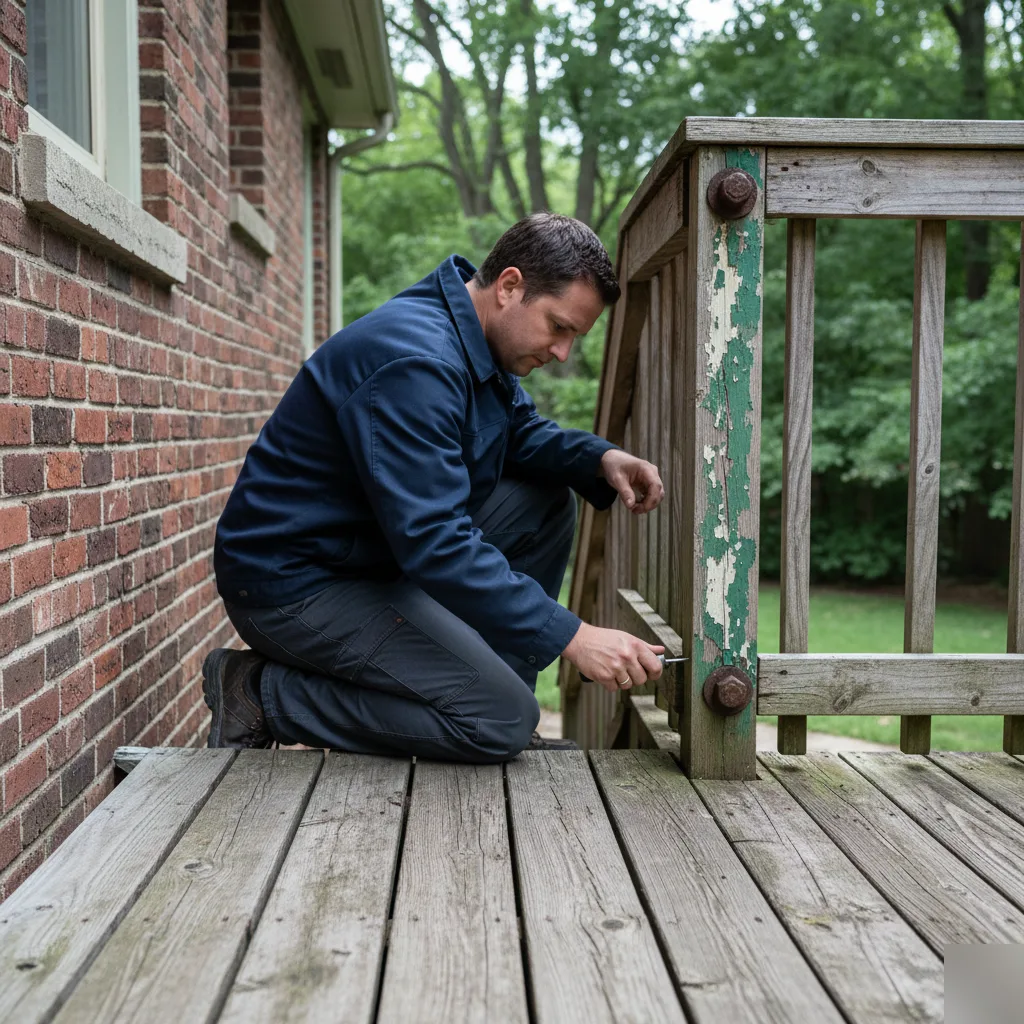
What a Structural Deck and Balcony Inspection Actually Covers
People often expect a quick look. That is not our approach. A deck and balcony inspection from a licensed P.E. provides a full structural evaluation. It goes well beyond what a general home inspector examines.
We start our inspection at the connection point where the deck or balcony meets your house. In Clayton, we see many older homes from the 1930s and 1940s. The original ledger board attachment on these homes was often not built to modern standards. Lag bolts often corrode, and flashing may be missing. The ledger is the most critical connection on any deck. Most catastrophic failures begin here.
- Posts and footings, checking for proper bearing, frost depth, and signs of settling or rot
- Beams and joists, looking at spans, spacing, wood condition, and any notching or drilling that weakens them
- Guardrails and handrails, testing attachment strength and confirming height meets current code
- Fasteners and connectors, identifying rust, missing hardware, or outdated connection methods
- Stairway stringers and treads for structural integrity and safe rise-and-run dimensions
We see this every week. A deck may look fine from the top but have serious problems underneath. Joist hangers often rust through. Posts might sit on bare dirt instead of concrete footings. Over near Wydown Terrace, we inspected a second-story balcony last spring. Its support posts had been shimmed with scrap wood. The homeowner did not know.
We do not just find problems; we document them. You get a written report with photos, measurements, and a clear assessment. This report shows what needs repair and what is still sound. If structural repair design or permit drawings are needed, Scott's background in St. Louis County plan review means your drawings are built around exactly what the examiner needs to see.
This is not a checklist inspection. It is an engineering evaluation performed by someone who understands load paths, material degradation, and local building codes in Clayton. This distinction matters when your family's safety is involved.
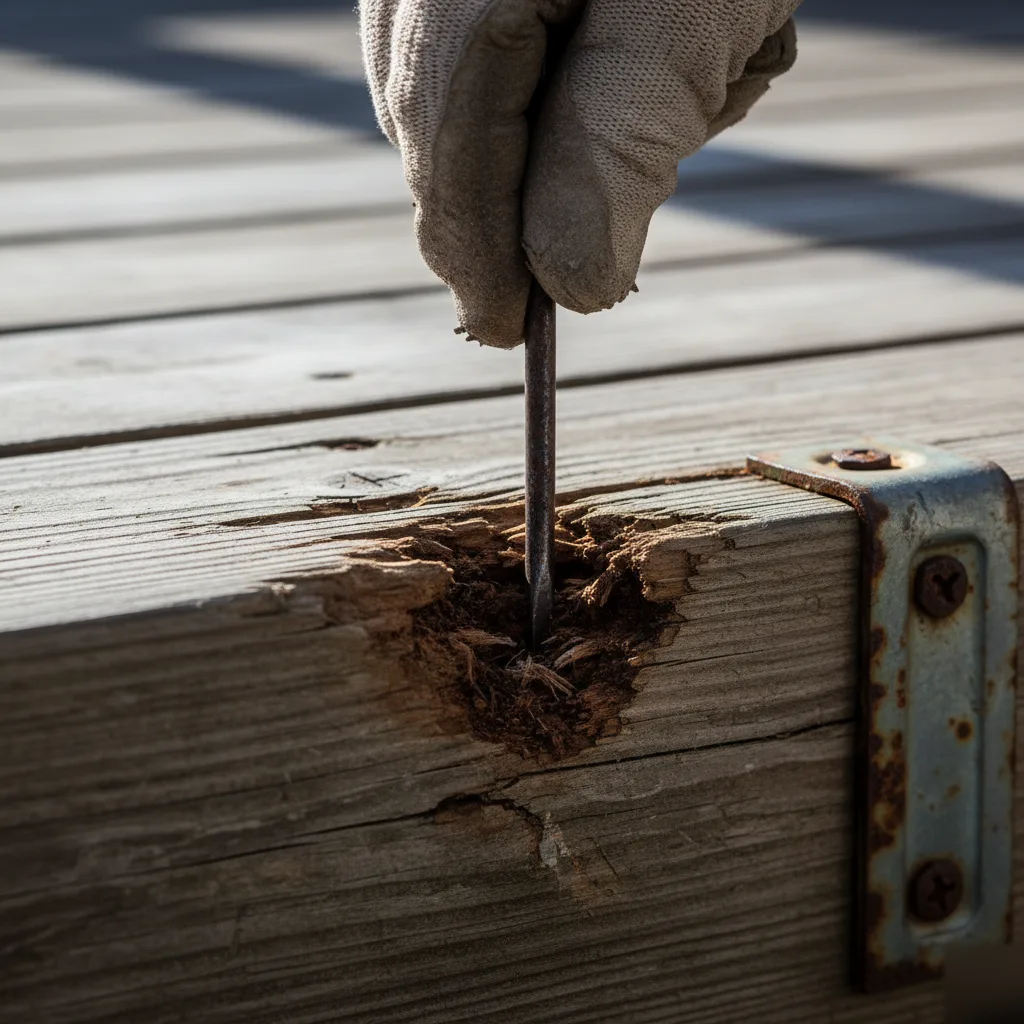
The Warning Signs That Mean Schedule Now, Not Later
You stand on your deck with a cup of coffee and something feels off. Perhaps the railing wobbles when you lean on it. You might notice a soft spot near the stairs. That is not a "get to it someday" situation; that requires immediate attention.
We inspect decks and balconies across Clayton every week. Problems that lead to serious failures almost always show visible warning signs first. Most homeowners do not know what these signs mean. Discoloration near a post base could mean the connection hardware corrodes from the inside out. A bounce in the middle of the deck might signal splitting joists or joists undersized for the span.
- Soft or spongy boards, especially near the ledger connection where the deck meets your house
- Visible rust stains around bolts, brackets, or joist hangers
- Railing posts that move when you push on them
- Cracks or separation where the deck ledger attaches to the band joist
- Sagging or uneven sections that weren't there before
The ledger connection is our primary concern. The International Code Council states ledger failures are the leading cause of deck collapses. In Clayton's older homes near Wydown or along Brentwood Boulevard, we see original deck framing from the 1980s and 1990s. This framing was never built to current code. Fasteners corrode, flashing fails, and water gets behind the ledger board. By the time you notice staining on the siding below your deck, the damage is well advanced.
Balconies on multi-story homes have their own risks. You can't see the underside easily, so rot and connection failures stay hidden longer.
A deck that looks fine on the surface can still have serious structural problems underneath. We have pulled back deck boards on homes that appeared solid and found joist hangers rusted through. The homeowner had no idea. A professional deck and balcony inspection catches what a visual once-over from the top side cannot.
How Clayton's Climate Accelerates Deck Deterioration
Missouri weather is harsh on outdoor structures. Clayton experiences hot, humid summers and freezing winters, sometimes within the same week in March. That cycle causes damage to wood and fasteners alike.
Moisture soaks into deck boards and joists during spring rains. Summer heat bakes it out, but then fall brings more rain, and winter locks moisture inside the wood as ice. Each freeze-thaw cycle forces wood fibers apart at a microscopic level. Hundreds of cycles over five or ten years result in significant damage. We see joists in Clayton that look solid on the surface but crumble when you push a screwdriver into them.
Humidity presents a hidden problem. Homes near Wydown or in the neighborhoods south of Shaw Park often have decks shaded by mature trees. That shade keeps moisture trapped against the wood longer. Mold and fungal growth get a head start. They do not stop once established. The wood loses structural capacity long before it looks visibly rotten.
Metal connectors and fasteners also deteriorate. Galvanized joist hangers corrode over time in this climate. Lag bolts that anchor the ledger board to your house can rust from the inside out. This weakening often goes unseen, but the connection weakens year after year. The International Code Council states the ledger connection is the most common failure point in deck collapses.
A few things we consistently find on Clayton decks built before 2005:
- Joist ends trapped against the ledger with no drainage gap
- Missing or corroded flashing where the deck meets the house wall
- Posts set directly in soil instead of on proper footings
- Undersized fasteners that have loosened from seasonal wood movement
None of these issues are obvious. Your deck might feel firm underfoot today, but it could still have serious hidden deterioration. This is why a deck and balcony inspection matters here more than it would in a drier climate. Clayton's weather causes damage, but a proper inspection finds it before someone gets hurt.
Balcony Inspections for Condos and Multi-Family Buildings
Multi-family properties in Clayton carry a different risk. A single-family deck failure affects one household. A balcony on a condo building failure can lead to injuries, lawsuits, and a problem that could have been caught years earlier.
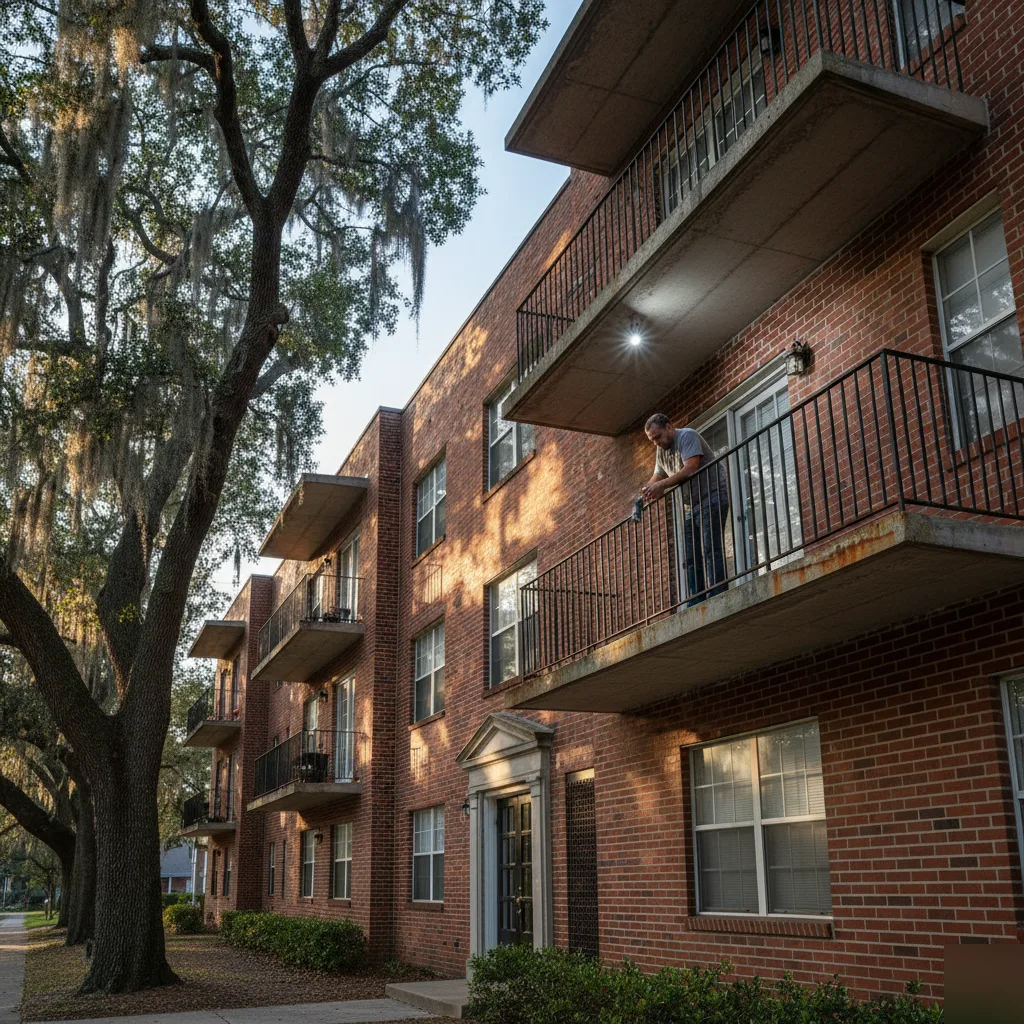
We inspect balconies on condos, duplexes, and apartment buildings across Clayton and surrounding St. Louis County communities. The structural concerns differ from a backyard deck. Balconies are cantilevered or bracket-mounted. They are exposed on all sides to weather. They often share structural connections with the building's floor system. Water damage in one unit can compromise a neighbor's balcony which is exactly why Clayton property inspection for multi-unit buildings requires a structural engineer, not a general home inspector.
What Makes Multi-Family Balcony Inspections Different
HOA boards and property managers call us when they are uncertain of the issues. Maybe a resident noticed cracking at the wall connection, or the railing feels loose. The visible problem is often just the start. We evaluate these points on each multi-family balcony inspection in accordance with OSHA deck and balcony safety standards:
- Waterproofing membrane condition at the deck-to-wall
- Structural integrity of cantilevered joists or support brackets
- Corrosion on steel connectors and embedded hardware
- Load capacity relative to current building code requirements
- Railing attachment strength and post anchorage
Some older condo buildings near Wydown and along Forsyth have balconies from the 1950s and 1960s. The steel embedments in those structures corrode from the inside out. You cannot see the problem until it is advanced. This is why a visual check from a maintenance crew is not enough.
If your building needs permit drawings for balcony repairs or replacement, Scott's direct experience in St. Louis County plan review means your permit drawings are built around exactly what the examiner needs to see. We handle the inspection and the engineering fix together.
Property managers in Clayton's active real estate market also schedule these inspections before unit sales close. Buyers want to know the building's exterior structures are sound, and so do their lenders. A licensed P.E. report provides the answer in writing.
What Happens After Your Deck Inspection Report Is Delivered
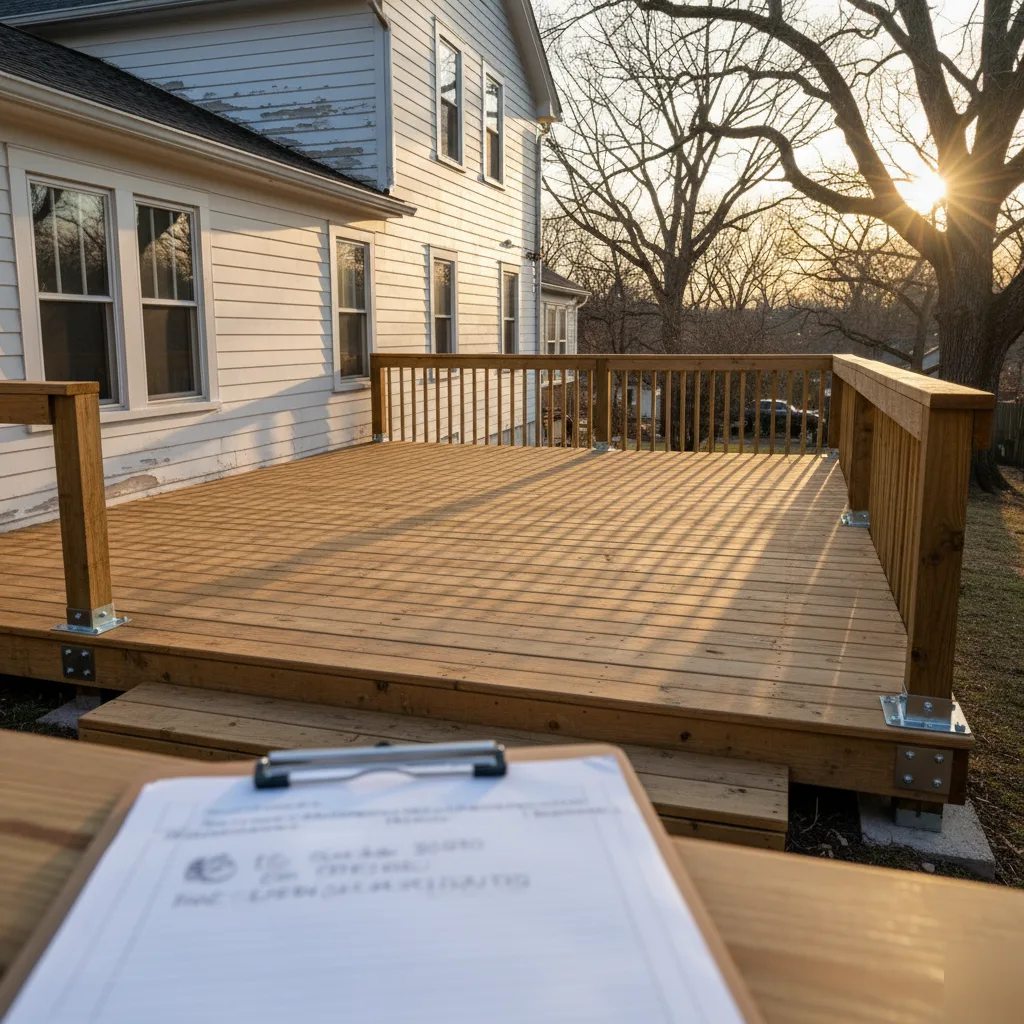
You will have the full report within a few days; it is not a vague summary. It is a detailed document with photos, measurements, and a clear assessment of each structural element we evaluated.
Most Clayton homeowners read through the findings, see what needs attention, and then call us with questions. That is normal. We walk you through each page. The report is written in plain language, but structural findings can feel overwhelming for your home and deck.
If the deck passes without issues, your part is done. Keep, use, and enjoy it. We will note any maintenance items to watch in the coming years. This helps prevent small issues from becoming larger problems.
If we find problems, the report becomes your roadmap. We prioritize each finding so you know what is urgent and what can wait. A cracked ledger connection is urgent. Surface-level wood weathering on a railing cap can wait a season. You will not be guessing.
Common Next Steps After a Failed Inspection
- Review the report findings with our team to understand the scope and urgency
- Get a structural repair design if the issues involve framing, posts, or connections
- Submit permit drawings to St. Louis County if the repair scope requires it
- Hire a qualified professional to perform the repairs based on our engineered plans
- Schedule a follow-up inspection to verify the work meets code
Scott's direct experience with St. Louis County plan review means your permit drawings are built around exactly what the examiner needs to see. This saves you revision cycles and weeks of waiting. We have seen homeowners near Wydown and DeMun go from failed inspection to approved repair plans in less than two weeks.
If you are selling a home in Clayton, the report serves as documentation for buyers. It shows you did your due diligence and builds trust during negotiations. If repairs were completed, we can provide a follow-up letter. This letter confirms the structure now meets current building code requirements.
The report is not the end of the process. It is the tool that makes each decision after it faster and more confident.
Frequently Asked Questions
How long does a deck or balcony inspection take in Clayton?
Most deck and balcony inspections in Clayton take between one and two hours on-site. The time depends on the size of the structure and how accessible the underside is. A second-story balcony with limited access underneath takes longer than a ground-level deck. After the visit, you receive a written report with photos, measurements, and a clear summary of what needs attention and what is still sound.
My deck looks fine from the top. Do I still need an inspection?
Yes, and this is one of the most common situations we see. A deck can look completely solid from the surface and still have serious problems underneath. Joist hangers rust through from the inside. Ledger connections corrode behind the siding where you cannot see them. We have pulled back deck boards on homes that appeared fine and found structural hardware that had failed entirely. What you see from the top tells only part of the story.
Why do older Clayton homes need deck inspections more often?
Clayton has many homes built in the 1930s through the 1980s, and decks added to those homes were often built before current code requirements existed. Ledger attachments on older homes frequently used methods that are no longer acceptable. Flashing was often missing or installed incorrectly. Fasteners from that era were not rated for the loads or climate exposure they face today. Decades of Clayton's freeze-thaw cycles make these older connections especially vulnerable to hidden deterioration.
What warning sign should make me call right away?
A railing post that moves when you push on it is the sign that means call today, not next month. Movement in a guardrail post means the connection has already lost structural integrity. Other urgent signs include soft or spongy boards near the ledger, visible rust staining around bolts or brackets, and any cracking where the deck meets your house. These are not cosmetic issues. They are signs that the structure is already compromised.
Does Clayton have specific code requirements that affect my deck inspection?
Yes. Clayton follows St. Louis County building codes, which include specific requirements for ledger connections, footing depth, guardrail height, and fastener types. Frost depth in this area affects how deep footings need to be set. Decks built before code updates in the early 2000s often do not meet current standards. If your inspection identifies issues that require repair permits or structural drawings, those documents need to match exactly what St. Louis County plan reviewers expect to see.
Can I get a deck inspection if I am preparing to sell my home in Clayton?
Absolutely, and it is a smart move before listing. A pre-sale inspection gives you a clear picture of the deck's condition before a buyer's inspector finds problems. You can address repairs on your own timeline instead of scrambling during a contract period. A written engineering report also gives buyers confidence. In Clayton's competitive market, documented structural safety is something buyers and their agents notice.