What a Foundation Crack Inspection Covers
Many homeowners in Clayton call us seeking a simple "good" or "bad" assessment of a crack. A proper foundation crack inspection provides more than that. It delivers clear answers you can act on.
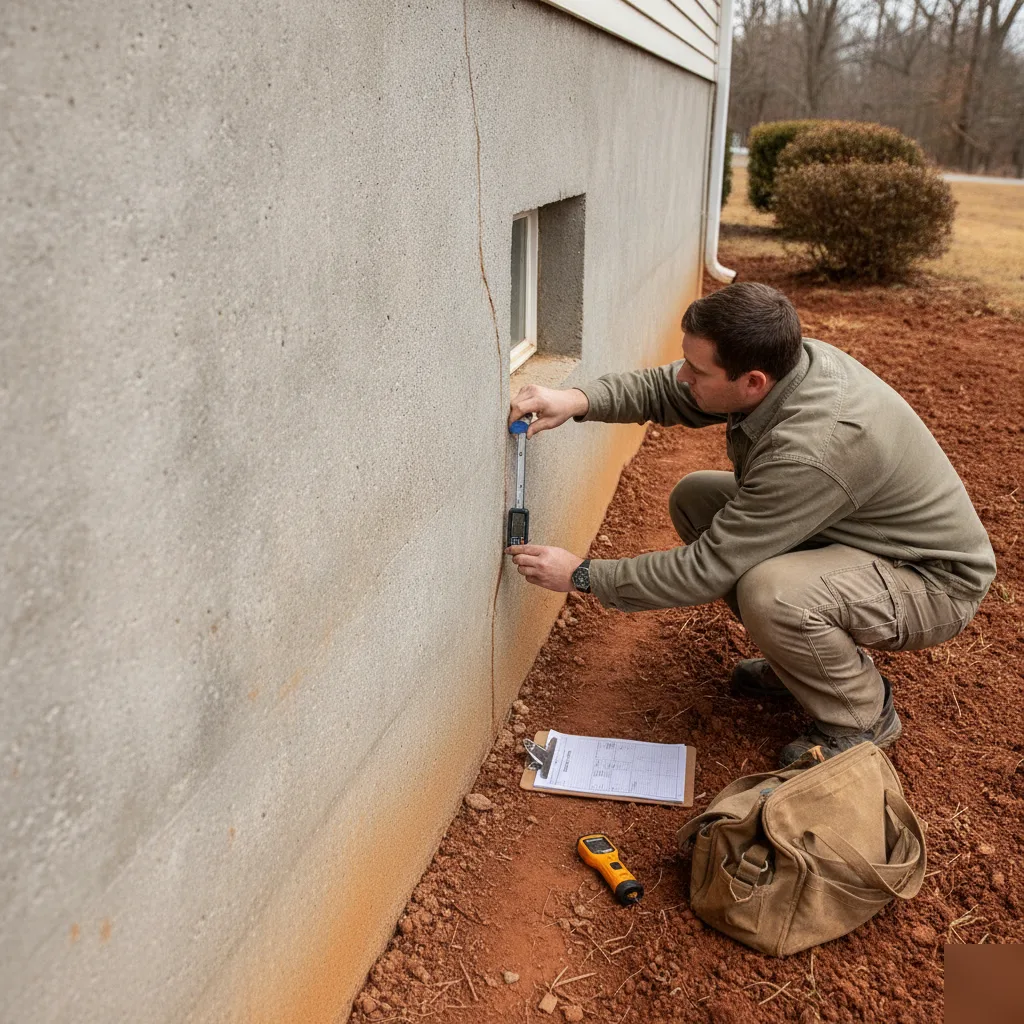
We begin our inspection outside. We look at grading around the home, gutter drainage, and any signs of soil movement near the foundation wall. These exterior clues provide key information before we step inside. Next, we move indoors to examine basement walls, crawlspaces, and visible portions of the foundation. We measure, photograph, and categorize every crack.
What We Evaluate
Not all cracks mean the same thing. Our inspections cover the following:
- Crack width, length, and direction. Horizontal cracks differ from vertical ones.
- Whether a crack is active or dormant. Active cracks show ongoing movement.
- Signs of water intrusion, efflorescence, or staining near a crack.
- Wall displacement or bowing along the foundation plane.
- Condition of mortar joints in older stone foundations, common in Clayton.
The crack pattern tells us the cause before we even pull out a level. Diagonal stair-step cracks in a 1940s brick home near Wydown typically indicate differential settlement. A long horizontal crack about four feet up a poured concrete wall usually points to lateral soil pressure. The pattern carries more weight than the crack's size alone.
We also check floors, door frames, and windows for secondary movement. A sticking door upstairs can confirm what a basement crack suggests. These details connect and influence our recommendations.
Scott's direct experience in St. Louis County plan review means our inspection reports are never vague summaries. You receive a clear assessment of structural significance, the likely cause, and recommended next steps. If repairs are needed, we provide structural repair design drawings. If a crack is cosmetic, we will tell you. That is what a Clayton building inspector with a licensed P.E. behind every report looks like in practice.
Our goal is simple. You walk away knowing what's going on with your foundation.
Crack Types That Signal Structural Risk vs. Normal Settling
Not every foundation crack signals trouble. Some are normal. Others can become costly quickly if ignored.
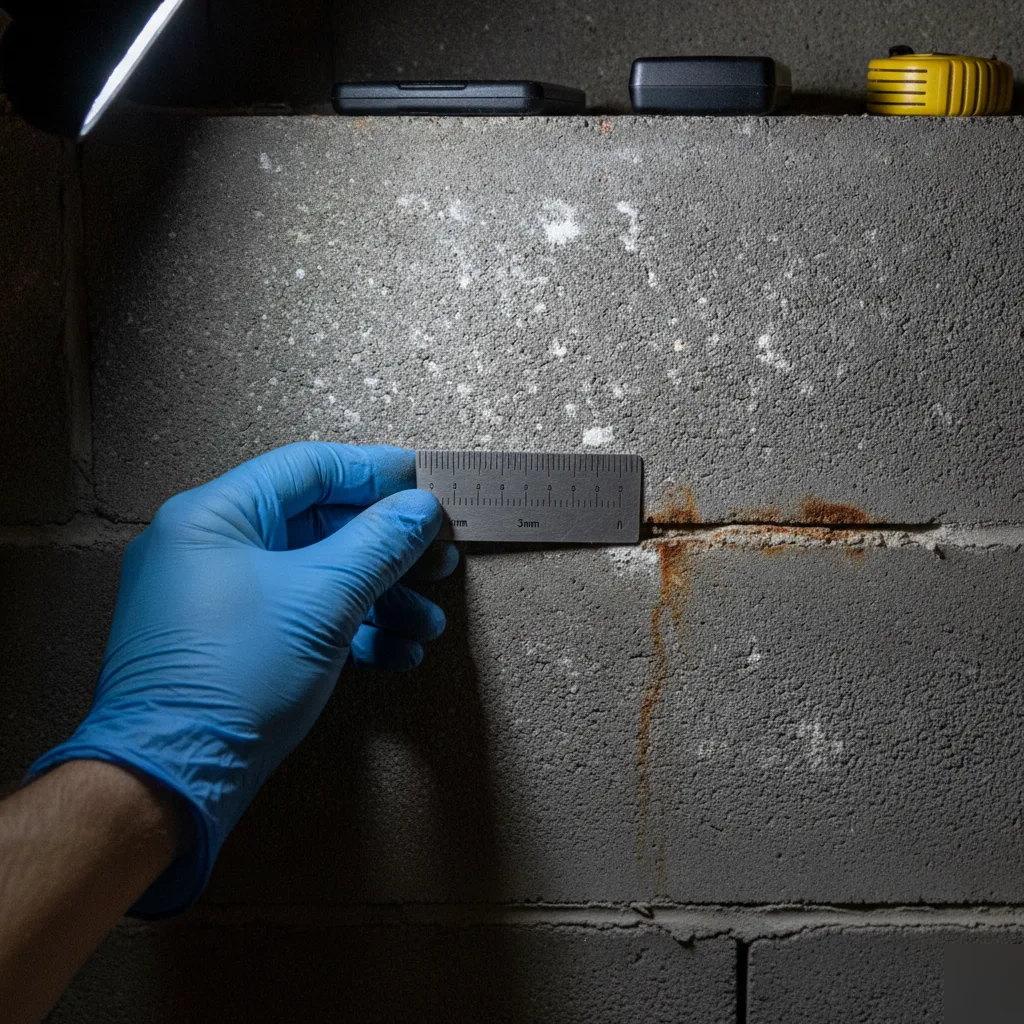
In Clayton homes, particularly older brick buildings near Wydown and Shaw Park, we see almost every foundation develop hairline cracks within the first few years. Concrete shrinks during curing; this is a natural process. These thin vertical cracks, typically less than 1/16 of an inch wide, rarely threaten your home's structure. They are cosmetic. We note them during a foundation crack inspection.
Cracks that require attention look and behave differently over time.
Signs of Structural Risk
- Horizontal cracks along basement walls, common in older poured concrete or stone foundations in Clayton. These suggest inward lateral soil pressure.
- Stair-step cracks following mortar joints in block or brick foundations. These typically point to differential settling, where one section of the foundation has dropped more than another.
- Diagonal cracks wider than 1/4 inch radiating from window or door corners. These often indicate active movement.
- Any crack that is wider at the top than the bottom, or vice versa. Uneven width means the wall is rotating, not just settling.
Homeowners in Clayton often mistake stair-step cracks for normal aging. Often, by the time we are called, a crack has been growing for years. According to the American Society of Civil Engineers, foundation issues affect roughly 25 percent of all homes at some point during their lifespan.
Can you tell the difference yourself? Likely not. This is why a professional assessment is needed. We measure crack width, document the pattern, check for displacement on both sides of the wall, and determine if movement is old and stable or active and ongoing.
A crack unchanged for 20 years differs from one that grew 1/8 inch last winter. Both might appear similar to you in your basement. But they tell us different stories about what is happening underneath your Clayton home.
Why Clayton's Soil and Climate Accelerate Foundation Cracking
Many believe foundation cracks simply occur due to a home's age. This is only part of the story. In Clayton, the ground itself works against your foundation every season.
Much of St. Louis County soil contains a high percentage of expansive clay. This soil swells when it absorbs moisture and shrinks as it dries. That constant push and pull puts lateral and and vertical pressure on foundation walls year after year. The American Society of Civil Engineers reports that expansive soils cause more financial damage to structures annually than floods, hurricanes, and earthquakes combined. Clayton lies within this problem zone.
The Seasonal Cycle Causing Damage
Our climate intensifies this effect. Summers are hot and dry, drawing moisture from the clay. The soil contracts and pulls away from foundation walls. Fall and spring then bring heavy rain. The clay swells back, sometimes beyond its original volume. This cycle repeats dozens of times over a home's lifespan.
This leads to common damage patterns, including:
- Horizontal cracks along block or poured concrete walls from soil pressure during wet months.
- Stair-step cracks in older stone foundations, common near Wydown or the Central Business District.
- Vertical cracks that widen at the top, suggesting differential settlement from uneven soil moisture.
- Corner cracks near downspout locations where water concentrates against the foundation.
We see these patterns every week in Clayton homes built in the 1930s and 1940s. The older poured concrete and stone foundations in these properties were not designed with modern soil data. They have absorbed decades of this expansion and contraction cycle.
The soil beneath the house is not the only factor. Mature trees near foundations draw moisture unevenly from the ground. This creates pockets of dry soil next to saturated areas. Such differential movement is one of the fastest ways to crack a foundation wall.
None of this suggests your house is falling apart. It does mean cracks in Clayton do not remain static; they change with the seasons. A foundation crack inspection tells you if what you are seeing is stable or actively moving. This distinction is more important than the crack itself.
When to Call Before Your Next Real Estate Transaction
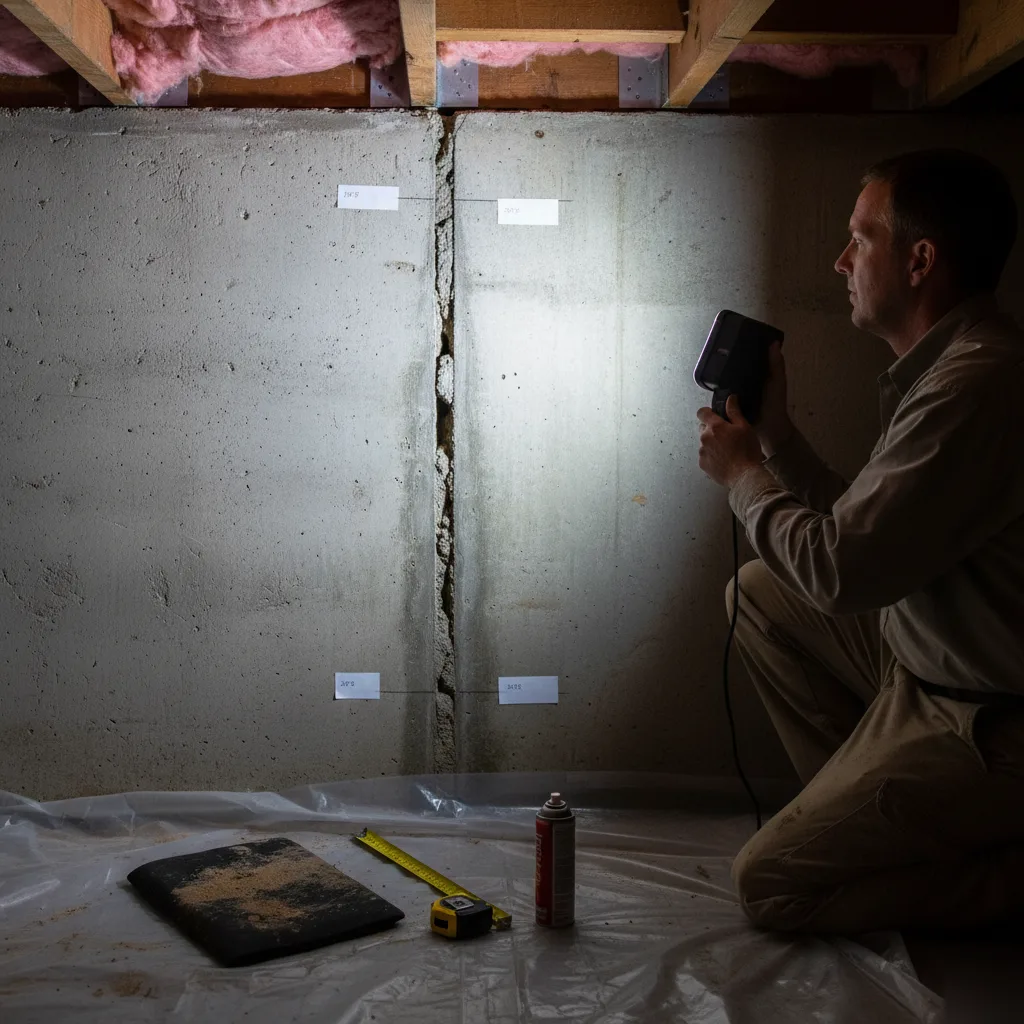
Clayton's real estate market moves quickly. Homes from the 1930s and 1940s regularly change hands. Buyers need to know what is happening below the surface before they commit. A foundation crack inspection fits into this timeline.
We receive calls weekly from buyers under contract on older Clayton homes. They may have seen a basement wall crack during a showing. Or their general home inspector may have flagged a concern and recommended a structural engineer. A general inspector can spot a crack. However, they cannot determine if it is active, its cause, or what repairs are needed. That falls to a licensed P.E.
Sellers Also Benefit
If you are listing a home near Wydown or in the Central Business District area, addressing foundation questions early places you in a stronger position. A documented inspection from a structural engineer removes uncertainty for buyers. It can prevent last-minute renegotiations or transactions failing over a crack that proves cosmetic. We have seen sellers lose tens of thousands in price reductions when lacking a professional assessment.
Common triggers for a pre-transaction call include:
- Stair-step cracks in brick or block foundation walls seen during a showing.
- Horizontal cracking in a poured concrete or stone foundation basement.
- A general home inspector's report recommending further structural evaluation.
- Visible movement around window wells or basement door frames.
- Water intrusion patterns suggesting foundation shifting.
Timing is critical. Most Clayton transactions include a 10 to 14 day inspection window. We deliver reports quickly to keep your deal on schedule. Scott's direct experience in St. Louis County plan review means any repair recommendations we include are already framed in language the county understands. This saves you a second round of back-and-forth if permits become necessary.
Do not wait until closing week to address a crack. One inspection now can prevent a more difficult discussion later.
What Happens After the Inspection Report Is Delivered
Many homeowners feel uncertain after receiving a report. You have diagrams, measurements, and technical language. What comes next?
We do not simply hand you a PDF and leave. Every foundation crack inspection report we deliver includes a plain-language summary alongside the engineering details. You will know what each crack means, its severity, and your options for moving forward. We review the report with you, either by phone or in person, because a report is only useful if you understand its contents.
If Cracks Are Cosmetic
Many hairline cracks in Clayton homes do not need structural repair. They are surface-level, caused by normal concrete curing or minor seasonal movement. In these cases, we note them in the report and explain what to monitor over time. You gain peace of mind without unnecessary expenses. We often see this outcome in the Wydown area, particularly in homes built during the 1950s and 1960s with solid poured foundations.
If Cracks Need Structural Attention
When a crack indicates a structural problem, the report becomes your roadmap. It includes specific repair recommendations with enough detail that a qualified contractor can price the work accurately. Scott's direct experience in St. Louis County plan review means your permit drawings are built around exactly what the examiner needs to see. We can also prepare structural repair design drawings if the fix requires a permit in Clayton.
Typically, the next steps are:
- You review the report summary with our team and ask questions.
- We classify each crack by severity and recommend an action timeline.
- If structural repair is needed, we outline the engineering scope and subsequent steps.
- We provide documentation you can share with contractors, real estate agents, or lenders.
For pre-purchase situations, this report often becomes a negotiating tool for buyers before closing. Often, the seller has not had a professional assessment of those cracks either. Your report provides everyone at the table with real data instead of assumptions.
Most importantly, you are no longer left wondering. You have a clear answer from a licensed P.E. who assessed your foundation in person, not from a general home inspector's checklist.
Frequently Asked Questions
How do I know if a foundation crack in my Clayton home is serious or just normal settling?
The crack's pattern and behavior tell you more than its size alone. Hairline vertical cracks under 1/16 of an inch are usually cosmetic. Horizontal cracks, stair-step cracks along mortar joints, or any crack wider at one end than the other are warning signs. A crack that stayed the same for 20 years is very different from one that grew last winter. You need a professional measurement and assessment to know which one you are dealing with.
Why do Clayton homes seem to develop foundation cracks more often than homes in other areas?
Clayton sits on expansive clay soil that swells when wet and shrinks when dry. That cycle happens dozens of times each year. Every wet spring and dry summer puts pressure on your foundation walls. Older homes near Wydown and the Central Business District were built before modern soil data existed. Their stone and poured concrete foundations have absorbed decades of this movement. The soil here is a bigger factor than most homeowners realize.
What happens during a foundation crack inspection at my home?
We start outside by checking grading, gutter drainage, and soil movement near your foundation walls. Then we move inside to examine basement walls, crawlspaces, and any visible foundation sections. Every crack gets measured, photographed, and categorized. We also check floors, door frames, and windows for secondary movement. By the end, you receive a clear assessment of what caused each crack, whether it is active or dormant, and what steps to take next.
Can a sticking door or window upstairs actually be related to a foundation crack in the basement?
Yes, a sticking door upstairs can confirm what a crack in your basement is already suggesting. When a foundation shifts, that movement travels through the structure. Door frames and window openings go slightly out of square. We look for these secondary signs during every inspection. They help connect the full picture of what is happening beneath your home and make our assessment more accurate.
How long does a foundation crack inspection take, and when should I schedule one in Clayton?
Most inspections take one to two hours depending on your home's size and foundation type. You should schedule one as soon as you notice a crack changing size, see water near a crack, or spot new stair-step patterns in brick or block walls. Do not wait until spring to call. Clayton's wet fall and winter seasons are when soil pressure builds most. Catching movement early gives you more repair options and usually simpler solutions.
Will I receive a written report after my foundation crack inspection?
Yes, you receive a written assessment that covers structural significance, the likely cause of each crack, and recommended next steps. If repairs are needed, the report includes structural repair design drawings. If a crack is cosmetic, we will tell you that clearly too. You will not get a vague summary. The report is detailed enough to share with a real estate agent, attorney, or contractor if needed.