
What a Renovation Inspection Actually Covers
Many people think a renovation inspection is just a quick walkthrough. It is more than that. We perform a full structural evaluation of the areas you plan to change, plus everything those changes might affect.
We examine the bones of your house: the framing, the foundation, the load paths, and the connections between floors and walls. In Clayton, this often means working with older brick homes from the 1930s and 1940s. These houses have specific characteristics that newer construction lacks. You might find stone foundations, balloon framing, plaster over wood lath, or original mortar joints softened by decades. Every one of these conditions shapes what your renovation can safely do.
Here's what a renovation inspection includes:
- Structural framing assessment to identify load bearing walls before any demolition begins
- Foundation condition review, including cracks, settlement, and moisture intrusion
- Floor system evaluation for deflection, span limits, and joist integrity
- Roof and attic framing check when additions or second-story work is planned
- Connection details between existing structure and proposed new construction
Homeowners who call us are usually planning a kitchen remodel or a room addition. They may have a builder lined up, perhaps even a design. However, no one has confirmed if the wall they want to remove supports the second floor. A building assessment Clayton projects depends on filling that information gap before it becomes a costly mid-construction surprise.
We do more than just say "yes" or "no." We document existing conditions. This way, your builder knows exactly what is behind those walls before demo day. We note beam sizes, joist directions, and bearing points. Scott's background in St. Louis County plan review means our findings translate directly into permit-ready information. There is no guesswork or rework.
A renovation inspection also finds problems not yet visible. This includes previous repairs done without permits, joists notched too deep for old plumbing runs, or headers undersized for current code. We find these issues in homes across Clayton's Wydown Skinker area and throughout the surrounding neighborhoods. Catching them early saves you money and time once construction starts.
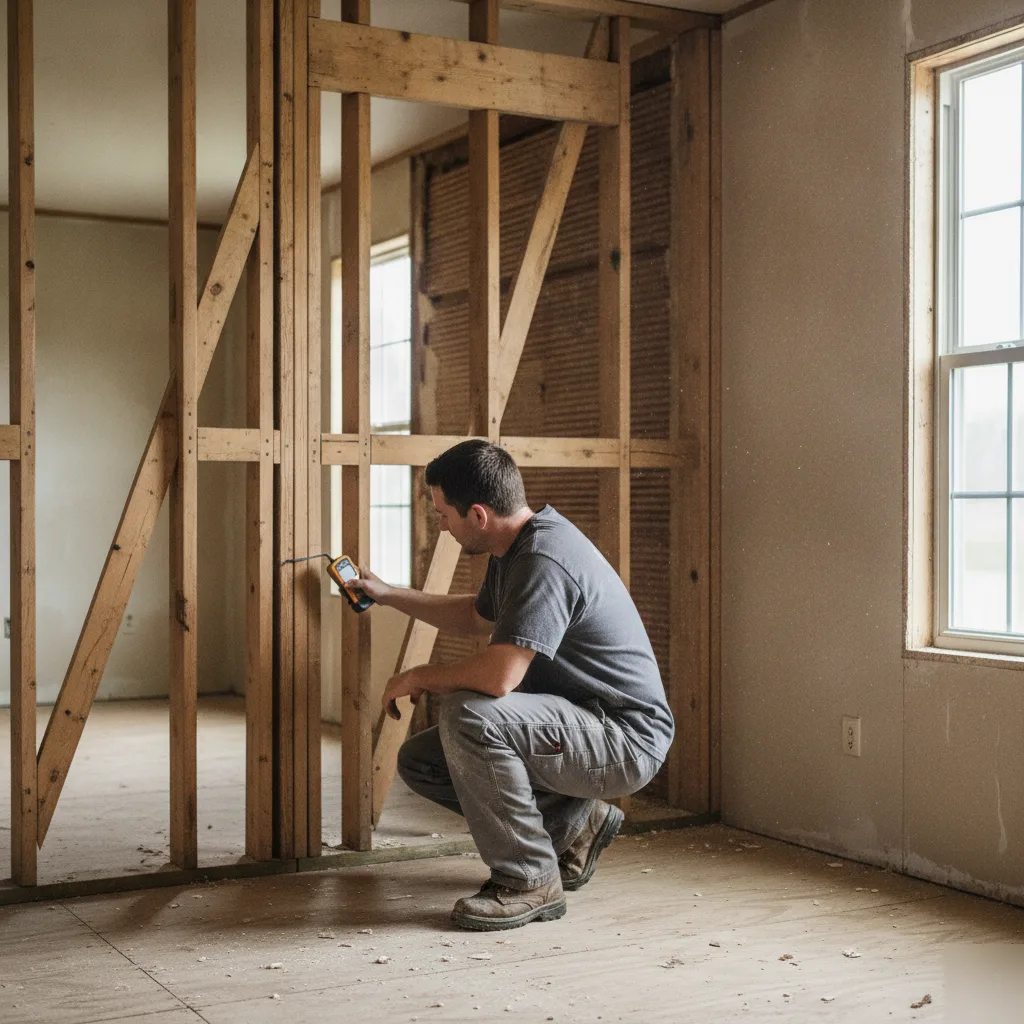
City Permit Inspection vs. Independent Engineering Review
Most Clayton homeowners assume the city's permit inspection covers all structural aspects. It does not.
A city permit inspection verifies that your builder followed the approved plans and met minimum code requirements. That is its sole purpose. The inspector does not evaluate if the original structural design was correct. They do not check if your existing framing can handle new loads. They also do not determine if the foundation settlement you noticed last spring affects your planned renovation. The city inspector's job is to pass or fail against the drawings on file. Their role is not to protect you from what those drawings might have missed.
What an Independent Engineering Review Actually Catches
An independent renovation inspection examines your home more deeply. We look at the full picture of your home's structural system and how planned work interacts with it. This includes:
- Verifying that load paths are continuous from roof to foundation, not just at the point of renovation
- Checking existing framing members for damage, decay, or undersized conditions that predate the project
- Evaluating foundation conditions. We pay special attention to the older stone and poured concrete foundations common in Clayton's Moorlands and Claverach Park neighborhoods.
- Confirming that temporary shoring during construction is adequate to keep the structure safe
We see this every week. A homeowner in Clayton pulls a permit for a kitchen remodel. The builder opens a wall. Suddenly, they find a beam notched in the wrong spot for twenty years. A city inspector will not flag that. It falls outside the scope of the current permit. However, it absolutely affects the structural integrity of the work being done around it.
Scott has reviewed St. Louis County plan submissions for years. He knows exactly where the gaps are between what the county checks and what actually matters for your home's safety. These are two different jobs, both necessary. The city inspection is a legal requirement. An independent renovation inspection is how you truly verify the work is right.
That difference matters most when you are investing significant money into a home you plan to keep. For projects where in-person access is limited or phased, it is also worth knowing that remote virtual inspection for building projects has become a recognized option under modern building code frameworks, though it does not replace the depth of an on-site structural review.
When to Schedule Your Inspection, and Why Timing Changes Everything
Most people call us too late. This is not a criticism. It often happens when a builder says, "we will figure it out as we go." By the time structural questions come up mid-project, you have already spent money on a demo. You already have a dumpster in the driveway. You have already committed to a timeline that now has a hole in it.
The right time to schedule a renovation inspection in Clayton is before you finalize your scope of work. Schedule it before the demo. Schedule it before you sign a construction contract.
Here is why timing matters:
- Before design finalization. If you plan to remove a wall or add square footage, we can tell you what is structurally possible. We provide this information before your architect designs something that will not work. We see this often with older brick homes near Wydown Terrace where owners want open-concept kitchens but have not confirmed which walls are load bearing.
- Before permitting. St. Louis County plan review has specific expectations. Scott's direct experience with county plan examiners means your permit drawings are built around exactly what they need to see. An early renovation inspection gives us the data to produce those drawings correctly the first time.
- Before closing on a property. Are you buying a 1930s home in Clayton? A renovation inspection tells you what structural work you will need after the sale. It does not just show what is wrong today. This information can change your renovation budget entirely.
Here is a point often overlooked. A renovation inspection done at the right time actually speeds up your project. We identify structural constraints early. Your builder can then create a realistic schedule. The permit process moves without revision requests. Done late, the same inspection creates delays instead of preventing them.
We work across Clayton and surrounding St. Louis County communities. We can usually get on-site within days of your call. The earlier you reach out, the more options you have. Once framing is exposed or demo is underway, your choices narrow quickly. That is how it works.
Do not wait for a problem to appear. Schedule the inspection when you still have room to plan around what we find.
Structural Risks in Pre-1960 Clayton Homes
Most homes in Clayton were built before 1960. This is not a problem by itself. However, it means the structural systems in these houses follow older building practices. These practices do not always hold up when you start removing walls or adding square footage.
We see it frequently. A homeowner near Wydown Terrace wants to open up the kitchen. Their builder finds old stone foundation walls not designed to carry a new load path. Or a buyer is closing on a 1940s brick colonial, and no one has looked at the floor joists in decades. These are not rare situations in Clayton; they are common.
What We Find Most Often
Pre-1960 homes in this area share several structural patterns. These patterns appear during renovation inspections consistently:
- Stone or early poured concrete foundations with no rebar. These often show horizontal cracking from lateral soil pressure.
- Original floor joists undersized by current code standards. This is especially true over long spans in dining rooms and living areas.
- Load bearing walls in locations that surprise builders because the framing layout does not follow modern conventions.
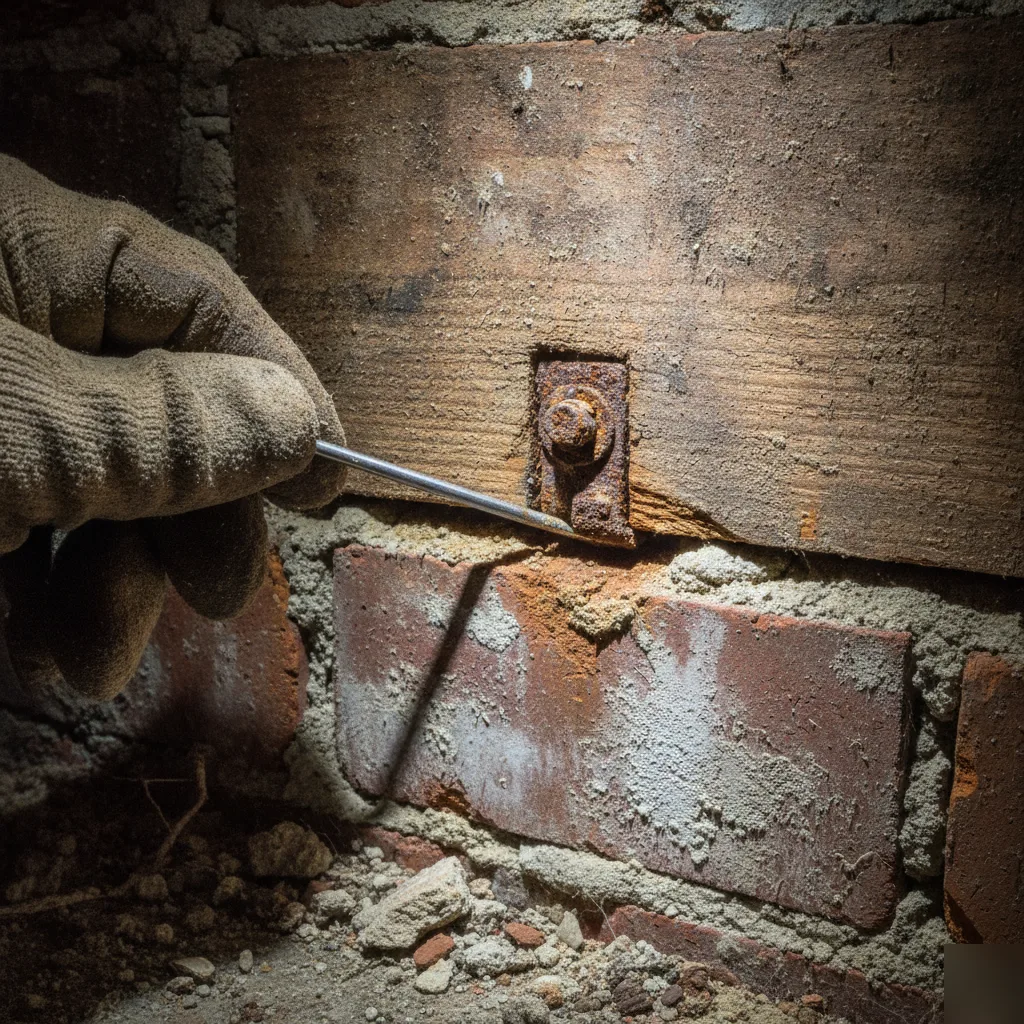
- Brick masonry structurally tied into the framing. This makes exterior modifications riskier than they may seem.
Any one of these issues can stop a renovation if caught late. Late discovery means change orders, permit delays, and unplanned budget problems.
Most people do not realize this: A general home inspection will not flag these issues in the context of your planned renovation. That inspector checks if the house functions today. We check if the house can handle what you want to do to it tomorrow. That is a significant difference.
Scott has worked directly with St. Louis County plan examiners on projects throughout the area. Your permit drawings will reflect exactly what the county requires. This matters in Clayton. Submittals that miss structural details get sent back. We have reviewed enough of these older homes to find where the risks hide before demo day, not after.
What the Inspection Report Includes and How to Use It
The report is more than just paperwork. It is the document that drives every decision from here forward.
After we complete the on-site renovation inspection, we prepare a detailed written report. You will typically receive it within a few business days. Every finding is documented with photos, measurements, and clear descriptions of our observations. There is no guesswork or vague language about things being "concerning." We tell you exactly what is going on structurally and what it means for your renovation plans in Clayton.
What Is Actually in the Report
Each report covers the specific conditions we evaluated during the inspection. You can expect to find:
- Current structural condition of walls, floors, foundation, and framing
- Identified deficiencies or areas of concern with photo documentation
- Load path analysis for any planned modifications like wall removals or additions
- Recommendations for structural repairs or reinforcement before renovation begins
- Notes relevant to St. Louis County permit requirements for your project scope
We write these reports for your builder to read and act upon. No translation is needed. If the permit examiner has questions, the report supports the engineering with verifiable data.
How to Put It to Work
Most Clayton homeowners use the report in three ways. First, it goes to your builder. They can then price the job accurately, avoiding surprises mid-demo. Second, it supports your permit application. Scott's familiarity with St. Louis County plan review means the drawings submitted with your permit show exactly what the examiner needs to see. Third, it gives you leverage in negotiations if you are buying a home near Wydown or anywhere else in the area and the inspection reveals structural issues.
We see this every week. A homeowner gets the report. They share it with their builder. Suddenly, the renovation timeline becomes realistic. The scope is clear. The budget makes sense. Everyone works from the same facts.
Here is what matters most. The report protects you. It is a record of the home's structural condition before any work starts. If something goes wrong during construction, you have documentation showing what existed on day one.

Frequently Asked Questions
Do I need a renovation inspection if Clayton already requires a city permit inspection?
Yes, you still need one — they serve completely different purposes. The city permit inspection checks that your builder followed the approved drawings. It does not check whether those drawings accounted for your existing framing, foundation settlement, or hidden damage behind the walls. In Clayton's older brick homes, especially those built in the 1930s and 1940s, conditions like balloon framing or softened mortar joints are common. A city inspector will not flag those. An independent renovation inspection does.
When is the best time to schedule a renovation inspection in Clayton?
Schedule it before you finalize your scope of work — not after demo starts. Once the dumpster is in the driveway, your options narrow fast. The best time is before you sign a construction contract or submit permit drawings. This gives you real structural data before your architect designs something that conflicts with your existing framing. Clayton homes near Wydown Terrace and Wydown Skinker often have load-bearing walls in unexpected places. Finding that out early saves you from costly redesigns mid-project.
What happens if a hidden structural problem turns up during my renovation inspection?
We document exactly what we find and explain what it means for your project. Common examples include joists notched too deep for old plumbing runs, undersized headers, or previous repairs done without permits. These show up regularly in Clayton homes. You get a clear written record of the condition, its location, and how it affects your planned work. Your builder then knows what is behind the walls before demo day — no guesswork, no surprises once construction is already underway.
Can a renovation inspection tell me which walls are load-bearing before I start a kitchen remodel?
Yes, that is one of the most common reasons homeowners in Clayton call us. Identifying load-bearing walls before any demolition begins is a core part of what we do. We trace load paths from the roof down to the foundation and document beam sizes, joist directions, and bearing points. This information goes directly to your builder and can support permit-ready drawings. Skipping this step and "figuring it out as you go" is how mid-project structural surprises happen.
Are older Clayton homes harder to inspect for renovation work?
They require more attention, yes. Homes in Clayton's Moorlands and Claverach Park neighborhoods often have stone or poured concrete foundations, plaster over wood lath, and original framing methods that differ from modern construction. These are not problems by themselves, but they change what your renovation can safely do. A standard home inspection is not designed to evaluate these conditions in the context of planned construction. A renovation-specific structural review accounts for all of it before work begins.