When Your Remodel Requires Engineered Beam and Header Drawings
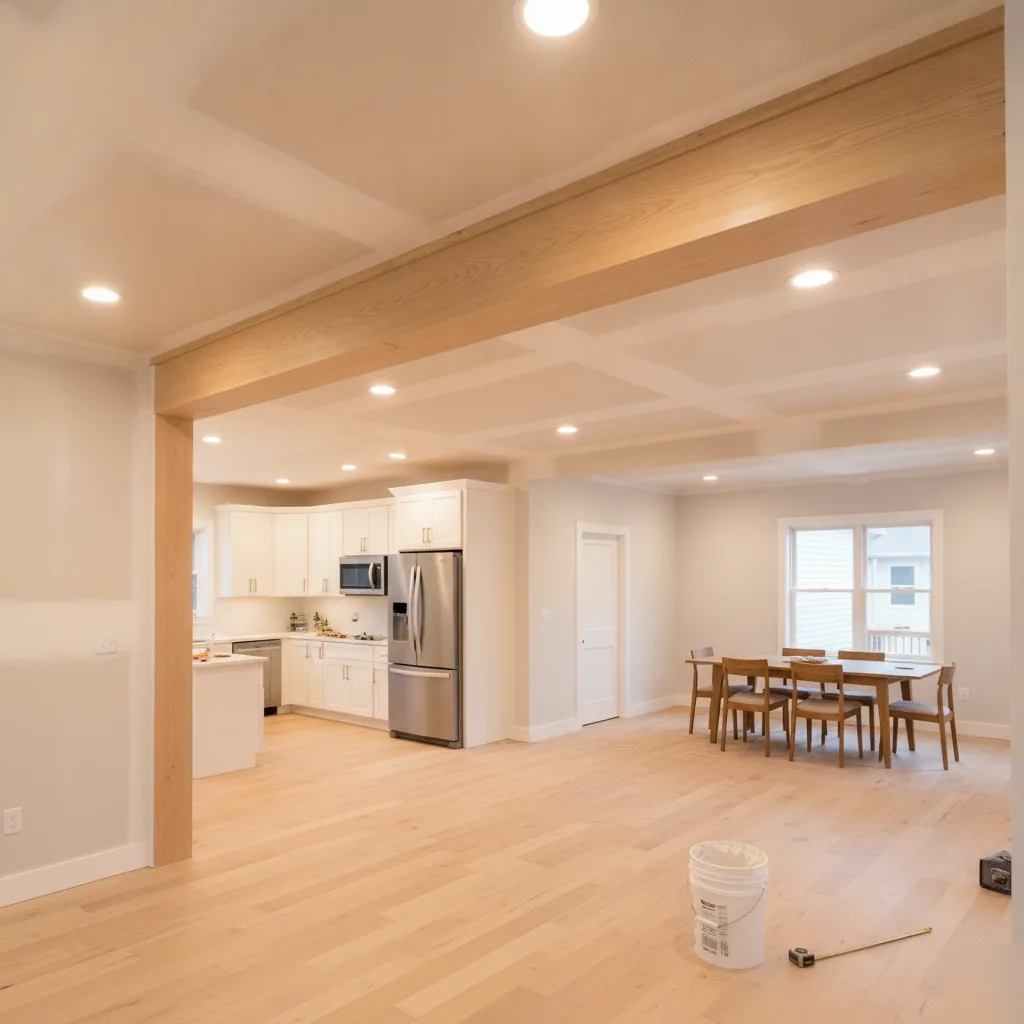
You're standing in your kitchen in Clayton, looking at that wall between the dining room and the cooking area. You want it gone for an open-concept layout. More light, more space, and better flow will improve how your family lives. That wall, however, might be holding up your second floor, your roof, or both.
At that point, beam and header design becomes a critical part of your remodel.
Not every wall removal needs engineering. Load-bearing walls always do. In Clayton's older homes, especially the brick colonials and Tudor revivals near Shaw Park, almost every interior wall performs structural work. Contractors regularly call us because an inspector required an engineer's review before they could pull a permit.
Here's what typically triggers the need for engineer-stamped beam and header drawings:
- Removing a wall to create an open kitchen or great room layout
- Widening a doorway or pass-through beyond the original framing
- Adding a new window or sliding door in an exterior wall
- Supporting a second-story addition over an existing first-floor space
In each case, the load a wall or framing carried does not disappear; it transfers. A properly designed beam or header picks up that load and moves it to defined bearing points. Get it wrong and you risk cracked drywall, sagging floors, or worse. Get it right and you will not think about it again for the life of the house.
What do the drawings include? Beam size and material, connection details, bearing point locations, and the structural calculations that prove it all works. St. Louis County requires these calculations before issuing a building permit. Scott's direct experience in St. Louis County plan review means your permit drawings are built around exactly what the examiner needs to see. That is the standard every set of Clayton design services we deliver is held to no back-and-forth, no resubmittals, no delays.
The remodel you plan starts with the right engineering. The framing, the finishes, and the final walkthrough all depend on precise structural work.
How Clayton's Older Housing Stock Complicates Header Sizing
Most homes in Clayton were built between the 1920s and 1950s. This age impacts beam and header design.
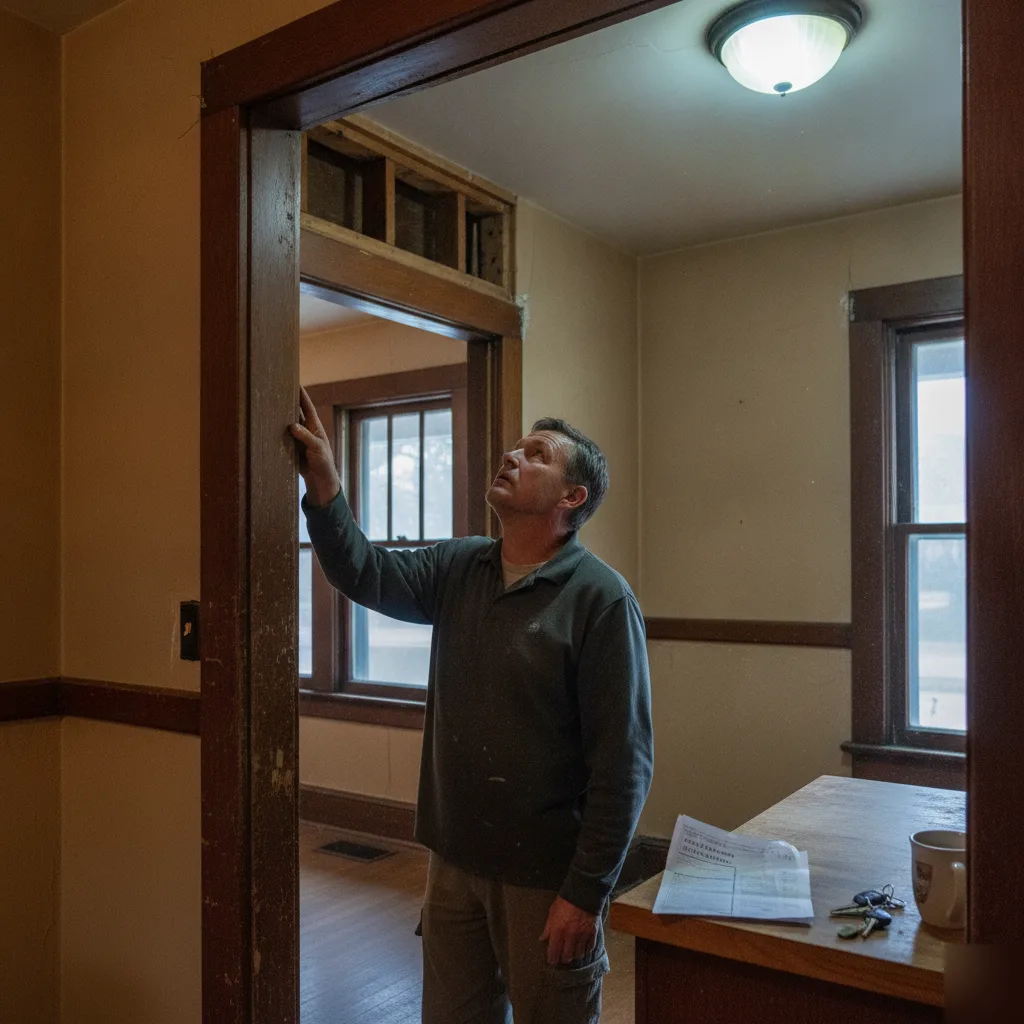
Older homes were not built to modern codes. Framing lumber from that era is true-dimension; a 2x10 from 1935 is actually 2 inches by 10 inches, while today's lumber is smaller. The joist spacing is often irregular. Load paths do not follow the clean, predictable patterns found in newer construction. The original builders rarely left behind drawings or specifications. So, when opening a wall or adding a new header above a wider doorway, you cannot simply pull a standard size from a span table.
We encounter this constantly in neighborhoods near Wydown and Demun. A homeowner might want to remove a wall between the kitchen and dining room, which sounds simple. But once we inspect the framing, we often find:
- Balloon-framed walls where studs run continuously from the foundation to the roof
- Plaster-and-lath ceilings hiding doubled joists or unusual bearing conditions
- Stone foundations that do not provide a clear point of bearing for new posts
- Floor systems with subfloor boards running diagonally. This makes load transfer harder to trace.
Each of these conditions changes the structural engineering. A header that works well in a 2005 ranch could be dangerously undersized in a 1938 brick colonial. We have seen contractors guess on header sizes in older Clayton homes, with results including sagging drywall, cracked plaster, and doors that will not latch within a year.
This is why we field-verify everything before we calculate. We check the actual lumber dimensions, confirm joist direction and spacing, and identify every load that sits above the proposed opening. The framing often surprises us in at least one way on nearly every job.
Older homes can absolutely handle modern open-concept layouts. They simply need an engineer who understands how these structures actually behave, not just how a textbook says they should. Scott's direct experience in St. Louis County plan review means your permit drawings are built around exactly what the examiner needs to see. That keeps your Clayton renovation moving forward instead of stalling at the permit counter.
What Stamped Structural Drawings for a Beam Actually Include
Many Clayton homeowners assume structural drawings are just a sketch of where a beam goes. This is not accurate.
Stamped structural drawings are a complete engineering package. They carry a licensed P.E.'s seal. They tell you, your building department, and your inspector exactly what needs to happen. Every detail matters because the plan examiner at St. Louis County will check each one. Scott's direct experience in St. Louis County plan review means your permit drawings are built around exactly what the examiner needs to see.
What is in the package? We include the following for beam and header design projects:
- Beam size and material specification. This includes steel W-flange, LVL, glulam, or flush beam. The drawing calls out the exact member, not a generic label.
- Connection details. We specify how the beam attaches to posts, columns, or bearing walls. This covers bolt sizes, weld specifications, joist hangers, and bearing plates.
- Load path diagram. This diagram shows how the load transfers from the roof or upper floor through the beam, down through supports, and into the foundation.
- Support point requirements. These details include post sizes, footing dimensions, and an assessment of whether the existing foundation can handle the new concentrated loads.
- Structural calculations. We provide the math behind every design decision. This includes deflection limits, shear values, and bending moment checks, all performed per current building code.
Near the Shaw Park area, we often hear homeowners express a desire to open a kitchen wall, with their stating, "we'll figure it out." However, St. Louis County will not issue a permit without engineer-stamped drawings that prove the design works. This is an appropriate requirement to protect the structural integrity of the home.
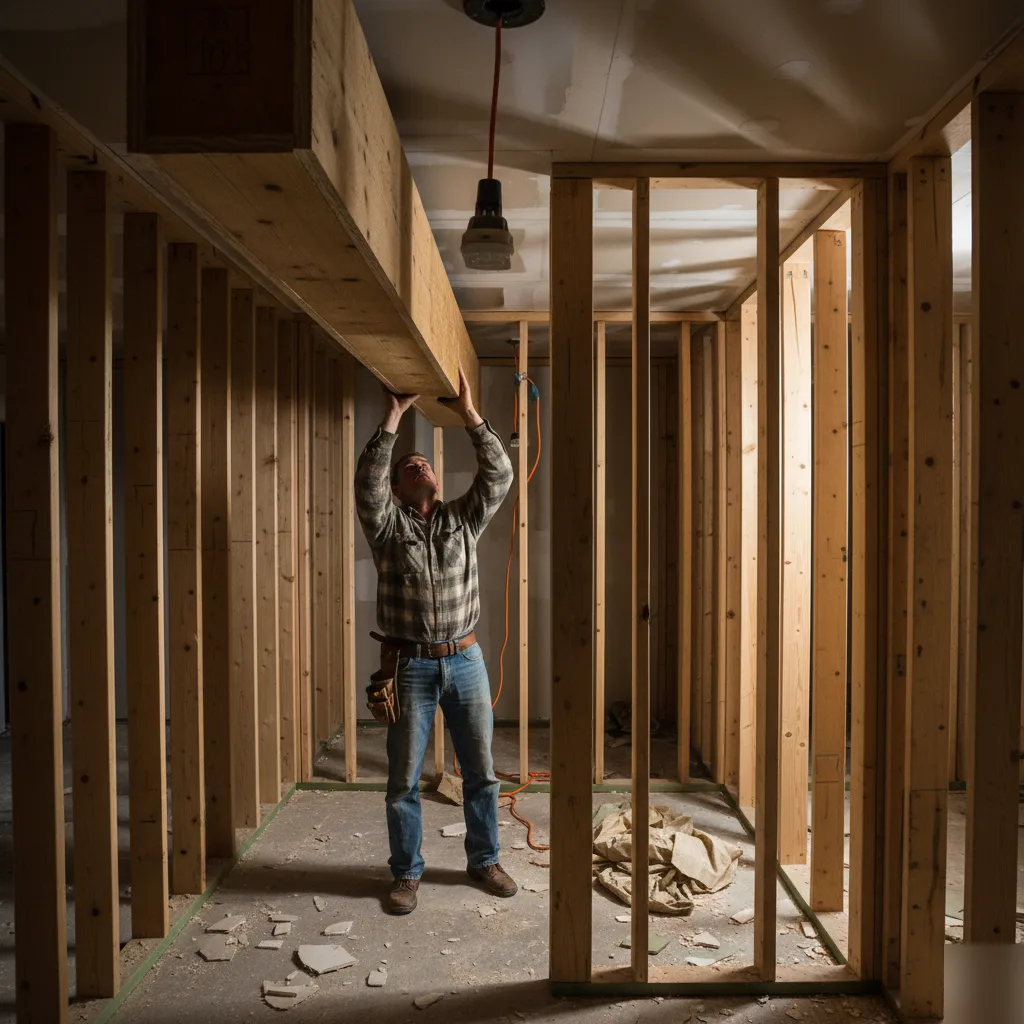
Beyond the basics, the engineer-stamped drawings we produce cover details homeowners often overlook. This includes temporary shoring during construction. We also address lateral bracing for tall steel columns, and determine whether existing floor joists need reinforcement at new bearing points.
These are not just permit paperwork. They are the instructions that keep your house standing. Every line on the drawing exists because a calculation backs it up, and every specification ties back to your specific home's framing and foundation conditions in Clayton.

The Beam and Header Design Process from Site Visit to Permit Submission
Most Clayton homeowners want to know what happens between the first phone call and the approved permit. This is how we handle beam and header design from start to finish.
- Site visit and field measurements. We come to your home to document the existing structure. This involves measuring spans, checking load paths, and identifying what is above and below the beam location. For older Clayton homes, especially the 1930s brick builds near Shaw Park, we also look at original framing conditions that do not always match modern expectations.
- Structural analysis and load calculations. Back at our office, we run the numbers. This includes dead loads, live loads, and point loads from above. Every beam gets sized based on the actual forces it needs to carry, not a guess or a rule of thumb from a framing manual.
- Design and drawing production. Once calculations confirm the correct beam size and bearing conditions, we produce structural drawings. These show the beam dimensions, connection details, bearing plate requirements, and any temporary shoring notes your contractor will need during construction.
- Permit submission. We prepare the full permit package, including calculations and drawings, formatted for St. Louis County review. Scott's direct experience in St. Louis County plan review means your permit drawings are built around exactly what the examiner needs to see.
The entire process typically takes days, not weeks.
A common scenario involves a homeowner calling on Monday, our team being on-site by Wednesday, and the permit package ready before the following week ends. This speed helps protect your schedule and renovation timeline. It also helps when a real estate closing depends on getting structural work permitted quickly.
We do not hand you a set of drawings and disappear. If the county plan examiner has questions or requests revisions, we handle that communication directly. You should not have to act as a middleman between your engineer and the permit office. That is our job, and we take it seriously.
Permit Approval and Inspection for Structural Beam Work
Many Clayton projects stall during permitting, not during construction.
St. Louis County requires structural permit drawings for any beam and header design that changes load paths in your home. This includes removing a wall, adding a header over a wider opening, or swapping an undersized beam for one that can carry the actual load. The county plan examiner wants to see calculations, connection details, and a clear drawing showing how forces travel from the roof down to the foundation. Missing any of those pieces means the submittal bounces back.
This happens more than it should. A contractor might submit a sketch with a beam size but no calculations. Or the drawings might not show how the new beam connects to the posts below it. The examiner flags it, the project sits for another two to three weeks, and the homeowner loses momentum. Scott's direct experience in St. Louis County plan review means your permit drawings are built around exactly what the examiner needs to see. This eliminates guesswork and the need for resubmittals.
What Your Permit Package Includes
Every beam and header design we produce for Clayton homes comes with a complete permit-ready package:
- Structural calculations showing load demand, beam sizing, and bearing capacity at each support point
- Detailed drawings with dimensions, member sizes, connection hardware, and bearing plate specifications
- A framing plan that shows exactly what goes where
- A cover sheet with the P.E. stamp and project information the county requires
Once the permit is approved, an inspection follows. The county inspector will check that the installed beam matches the stamped drawings. Post locations, connector types, and bearing conditions are all verified against our design.
Our drawings are specific down to the bolt pattern. This protects you during the final sign-off.
Homeowners near the Wydown area and throughout Clayton often tell us they were relieved to get a clean permit package on the first try. Our goal is to achieve this every time. If you need help getting your beam project through permitting, contact us.
Frequently Asked Questions
Do I need an engineer's stamped drawings just to widen a doorway in my Clayton home?
Yes, if the wall is load-bearing, you need stamped structural drawings before St. Louis County will issue a permit. Widening a doorway changes how the load above it transfers to the floor and foundation. In Clayton's older brick colonials and Tudor revivals, almost every interior wall does structural work. A wider opening means a larger header, and that header needs to be sized by an engineer who has actually looked at your framing — not pulled from a generic span table.
Why can't my contractor just pick a beam size from a span table?
Span tables work well for newer, predictable framing. Clayton homes built between the 1920s and 1950s are different. The lumber is true-dimension, joist spacing is often irregular, and some walls are balloon-framed with studs running from the foundation all the way to the roof. We field-verify actual lumber dimensions and joist direction before we calculate anything. A header that is correctly sized for a 2005 ranch can be dangerously undersized in a 1938 brick colonial.
What does St. Louis County actually require before they approve a beam permit?
St. Louis County requires a complete engineering package with a licensed P.E.'s seal. That means beam size and material specifications, connection details, a load path diagram, support point requirements, and full structural calculations. The plan examiner checks each item. Missing or vague details lead to resubmittals, which delay your project. Drawings built around exactly what the examiner needs to see move through plan review without unnecessary back-and-forth.
How long does the beam design process take from first call to permit-ready drawings?
Most beam and header design projects in Clayton move from field verification to permit-ready drawings in one to two weeks. The timeline depends on how complex your framing conditions are. Older homes near Wydown and Demun sometimes surprise us during the field check — balloon framing, diagonal subfloor boards, or stone foundations can add a day or two to the engineering work. We tell you upfront if anything we find will affect the schedule.
Can my older Clayton home actually handle an open-concept layout safely?
Yes, older Clayton homes can absolutely support open-concept layouts. They just need engineering that matches how those structures actually behave. The load a wall carries does not disappear when you remove it — it transfers to a beam, then down through posts or columns to the foundation. When that transfer is designed correctly, you get the open layout you want and you will not think about the structure again for the life of the house. We have done this successfully in homes throughout Clayton, including near Shaw Park.