
What Floor System Design Delivers
You get a floor that performs correctly. That's the straightforward answer. The full explanation becomes important if you are in a Clayton home from the 1930s, observing sagging joists and considering the right way to fix them.
Floor system design provides engineered drawings. These specify every structural member supporting your floor: joist sizes, spacing, span directions, bearing points, and connections. The design accounts for the actual loads your floor carries, not just a guess from a crawlspace inspection.
We see this every week. A homeowner near Wydown may plan to open up their main level for a kitchen remodel. They might have already selected cabinets and countertops. Often, no one has checked if the existing floor joists can handle the new layout, the island load, or the removed wall above. Floor system design addresses these issues before demolition begins.
What You Get
Here's what a floor system design package includes for most Clayton projects:
- Structural calculations sized to your specific spans and loads
- Joist and beam specifications with connection details
- Load path analysis from floor to foundation
- Permit-ready drawings formatted for St. Louis County review
Our direct experience with St. Louis County plan reviewers means permit drawings are built around what the examiner needs to see. This saves real time. It prevents back-and-forth revisions and resubmittals that extend your project timeline.
Floor system design isn't just for old homes. Home additions in Clayton also require it, particularly when tying a new floor structure into an existing one. The connection point between old and new often causes problems. Getting that detail right on paper prevents future bounce, cracking, and uneven settling.
Consider this: your crew builds what the drawings specify. Vague drawings lead to vague construction. Precise drawings result in precise construction. We provide precise structural plans.
Signs Your Floor System Needs an Engineer's Review
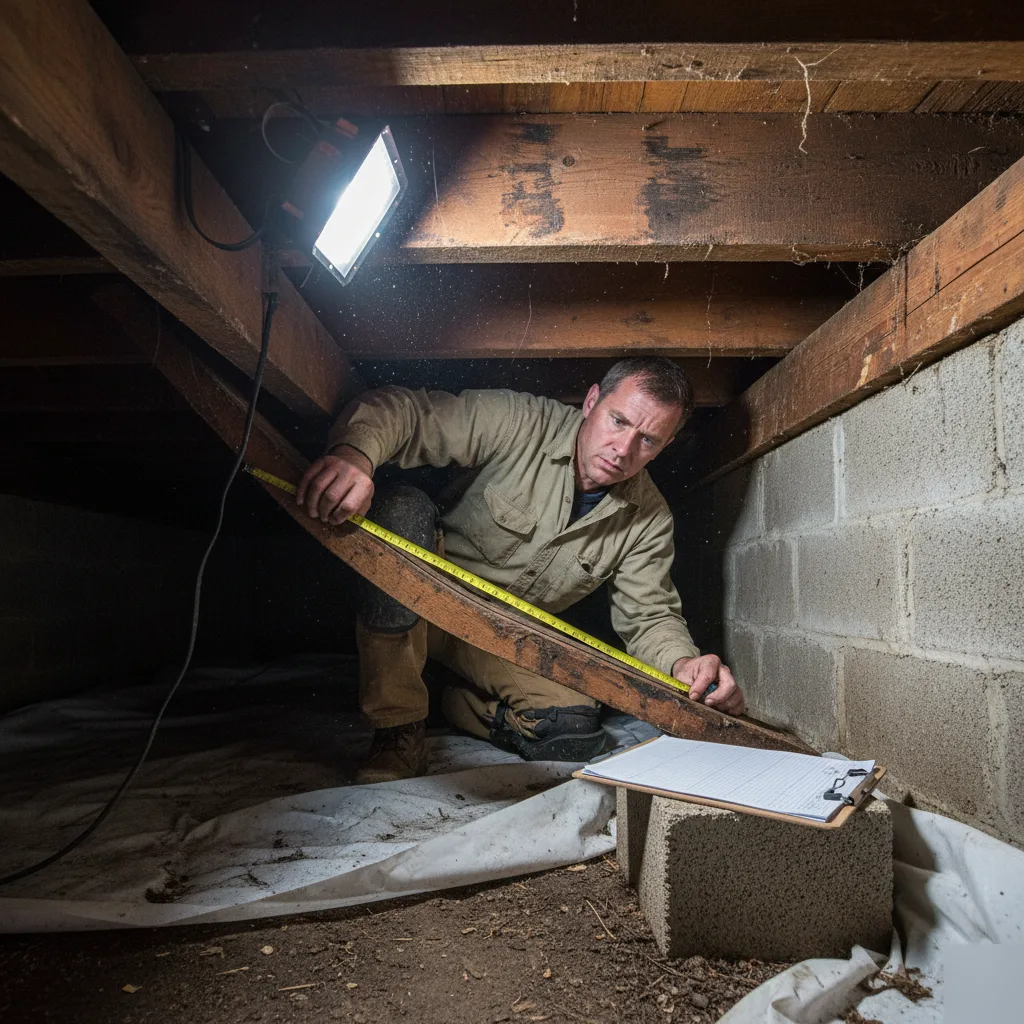
You might notice the living room floor slopes toward the center of the house. A door that once closed easily now sticks every time. These are not just cosmetic quirks. They are signs your home has an underlying structural issue.
We receive calls like this from Clayton homeowners almost every week. A marble might roll across a kitchen floor on its own, or a homeowner feels a bounce when walking down a hallway. Often, the floor system is the root cause.
Here's what to watch for:
- Visible sagging or a noticeable dip in the floor, especially near the center of a room
- Cracks forming in drywall or plaster near where walls meet the floor
- Doors or windows that suddenly won't latch or swing open on their own
- Excessive bounce or vibration when you walk across a room
- Gaps appearing between the baseboard and the floor surface
In older Clayton homes, especially those built in the 1930s and 1940s near Wydown or along Forsyth, original floor joists might be undersized by current standards. This does not mean they were built incorrectly. Building codes and load expectations have changed over time. Decades of settling can also shift things in ways the original builders could not have foreseen.
What many people miss is that a bouncy floor does not always indicate a failing floor. It might be a joist span that is too long for the lumber size. A support column in the basement might have shifted. The solution could be simple, or it might require rethinking how loads transfer through the structure. A licensed engineer's review is necessary to determine the cause.
We also see this come up during renovation projects. A homeowner in Clayton wants to remove a wall to open up the kitchen, and suddenly they notice the floor feels soft nearby. That's the moment you need floor system design, not after the wall is already gone.
Do not wait for cracks to spread or for floors to deteriorate further. Early review saves money and prevents larger issues later.

How Older Clayton Homes Create Unique Floor Engineering Demands
Most calls we receive in Clayton begin similarly. Someone is planning a renovation on a home built in the 1930s or 1940s, and they have been informed the existing floor system will not support the new layout.
This is not a surprise to us. We observe it every week.
Homes in Clayton's older neighborhoods near Wydown or along Brentwood Boulevard were built using lumber dimensions and span tables that do not align with current building codes. Original joists may be true 2x8s, but they might span distances that today's code would not allow without extra support. Decades of settling, moisture exposure from stone foundations, and occasional unengineered repairs contribute to this. The result is a floor system requiring thorough analysis before any wall removal begins.
Here are the issues we find most often in these older Clayton homes:
- Undersized joists spanning too far without intermediate bearing points
- Notched or drilled joists that reduce their structural capacity
- Subfloor materials that have softened from moisture migration through stone or older poured concrete foundations
- Previous remodels that removed posts or bearing walls without adding proper beams
Each of these conditions alters the approach to floor system design. You cannot simply specify a new beam and consider the job complete. The load path must be traced from the floor surface down through the joists, beams, posts, and into the foundation. If any part of that chain is compromised, the design must reflect it.
What often surprises homeowners is that a floor feeling solid can still be overstressed. Building code deflection limits exist to prevent tile cracking, bouncing in open spans, and long-term sag. Your floor might support weight today but fail a code check for a new finish you are planning. The Whole Building Design Guide outlines integrated structural design principles that inform how load paths and deflection criteria are applied in residential floor systems.
Our deep familiarity with St. Louis County permit requirements means our drawings are built around what the examiner needs to see. This is important in Clayton, where plan reviewers expect complete structural documentation. We do not guess what they will ask for. We already know, and that is the advantage every design and build Clayton project gets when Open Concept Engineering is involved.
The Floor System Design Process, Step by Step
Clients often ask what happens after they contact us. This is a fair question, as floor system design is not a common concern for most Clayton homeowners. Here is how we progress from your initial call to providing engineer-stamped drawings ready for permit submission.
- Initial consultation and scope review. You describe your project goals. This might involve a room addition on your 1940s brick home near Wydown, or removing a load-bearing wall and needing to confirm floor joist capacity for new beam loads. We gather your objectives, timeline, and any existing plans or surveys.
- Site assessment and measurements. We visit your Clayton property to assess existing conditions. This includes joist sizes, spacing, span lengths, bearing points, and foundation type. We check for sag, bounce, or signs of overstress. We also identify any original construction methods that do not align with current code.
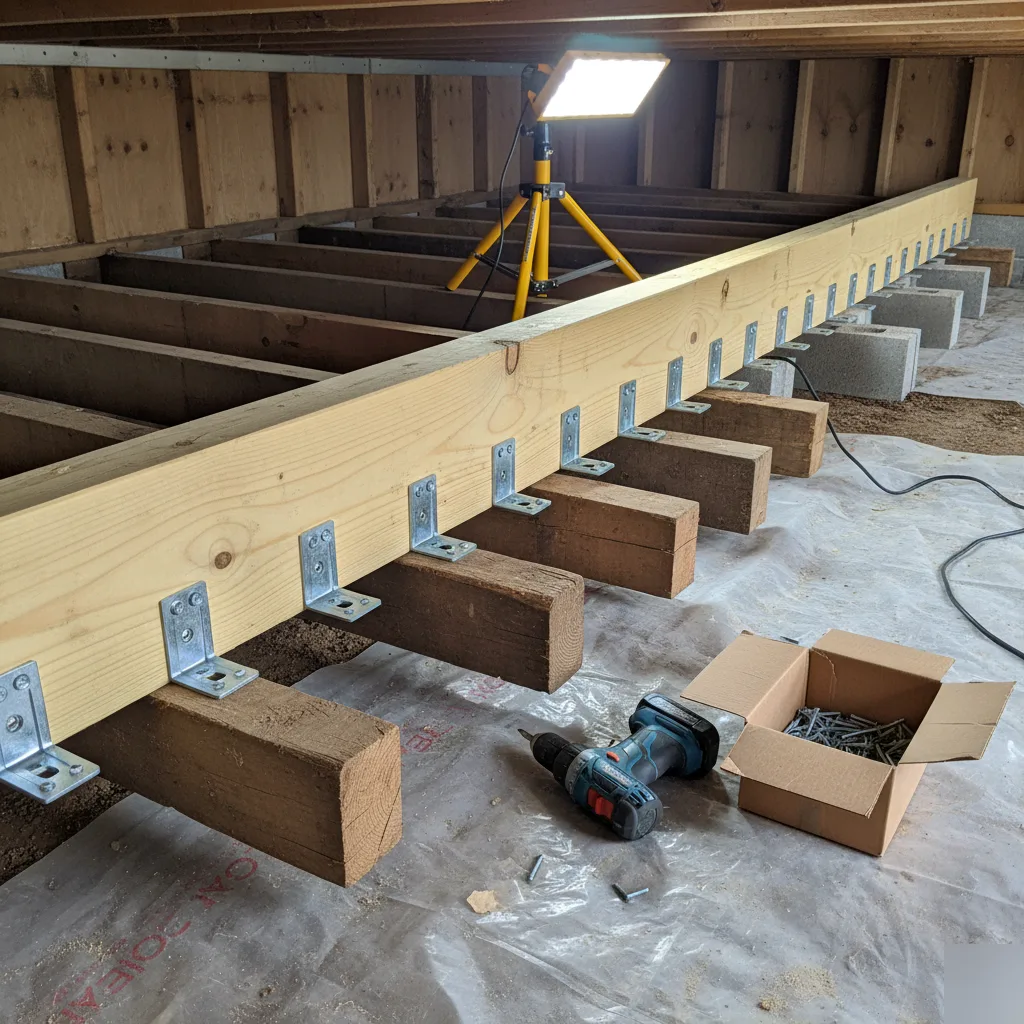
- Structural analysis and calculations. We perform the necessary calculations. This includes dead loads, live loads, and deflection limits. We size every joist, beam, and connection so the floor performs correctly. Our process eliminates guesswork.
- Drawing production. We produce structural drawings that clearly indicate what to build. These include framing plans, detail sections, and connection specifications. Our direct experience with St. Louis County plan review ensures the permit drawings are built around what the examiner needs to see.
- Permit support and revisions. If St. Louis County returns with comments, we address them. Most of our Clayton submittals are approved quickly, but we remain involved until you have your approved permit in hand.
The whole process typically takes days, not weeks.
Frequently Asked Questions
Do I need floor system design before removing a wall in my Clayton home?
Yes, you need floor system design before any wall comes down. Walls often carry loads from the floor above. Removing one without an engineered plan can cause sagging, cracking, or worse. We see this often with kitchen remodels in Clayton, where homeowners want an open layout. The floor joists above may not be sized for the new span. Getting drawings done first means your contractor builds it right the first time.
How do I know if my older Clayton home needs a floor system review?
Watch for floors that slope toward the center of a room, doors that stick, or a bounce when you walk down a hallway. These are common signs in Clayton homes built in the 1930s and 1940s, especially near Wydown. Original joists were sized to older span tables that do not meet today's code. A bouncy floor does not always mean failure, but it does mean an engineer should look at it before you plan any renovation.
Will my floor system design drawings be accepted by St. Louis County plan reviewers?
Yes, our drawings are formatted specifically for St. Louis County plan review. We know what the examiner needs to see. That means fewer revision cycles and faster permit approval for your Clayton project. Generic structural drawings often get sent back. Permit-ready drawings built around local review standards save real time on your project timeline.
Can a floor feel solid but still fail an engineering check?
Absolutely, and this surprises a lot of homeowners. A floor can support daily foot traffic and still exceed code deflection limits. Those limits exist to prevent tile cracking, long-term sag, and bounce in open spans. If you are planning a new finish like tile in a Clayton kitchen, the floor must pass a deflection check, not just feel sturdy. An engineer review catches this before installation, not after the tile cracks.
What happens at the connection point between a new addition and my existing Clayton home?
That connection point is one of the most common problem areas we see. Old and new floor structures move differently. Without a detailed engineered connection, you get bounce, uneven settling, and cracking over time. Floor system design specifies exactly how the new structure ties into the existing one. Getting that detail correct on paper is far easier than fixing it after the framing is already built.
How do moisture and stone foundations affect floor systems in older Clayton homes?
Moisture migrating through older stone or poured concrete foundations softens subfloor materials over time. This weakens the surface that joists bear against. In Clayton homes along Brentwood Boulevard and similar older corridors, we regularly find joists that have also been notched or drilled by previous tradespeople. Each change reduces structural capacity. A floor system design accounts for all of these conditions, not just the visible ones, before specifying any repair or upgrade.