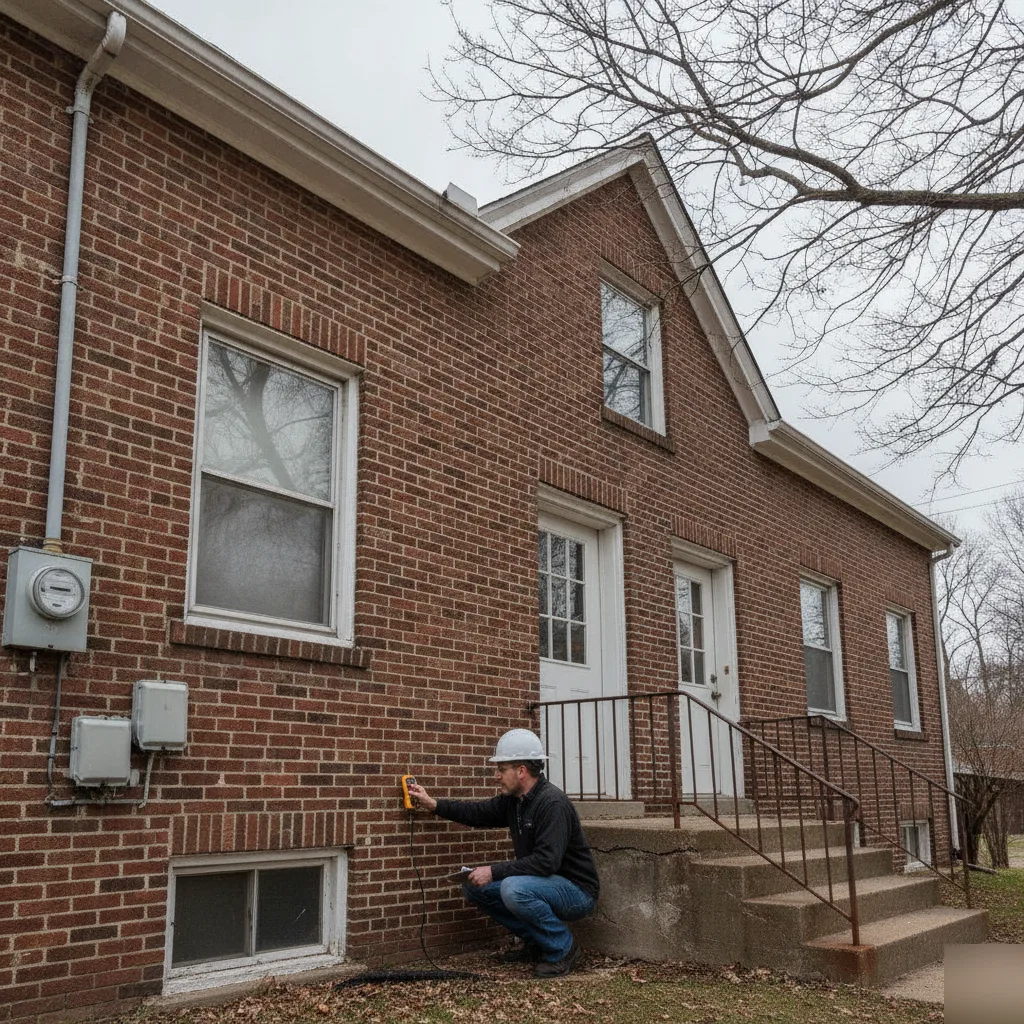
What Does a Multi-Family Home Inspection Entail?
A multi-family inspection is more than a single walkthrough. We evaluate each unit as an individual home, then inspect the entire building as a connected structural system. Shared walls, foundations, roof systems, drainage, and stairs mean problems in one unit often impact others.
Many duplexes and four-family apartments in Clayton date back to the 1930s and 40s. These properties offer historic charm, but also present unique challenges due to their age. We often see original stone foundations, older poured concrete, and exterior brickwork. Each of these materials responds differently to decades of use and local climate.
Here is what we look for when inspecting:
- Foundation condition across all units, including common foundation elements, load-bearing walls, and floor joists.
- Roof systems, flashing, and drainage serving multiple units.
- Exterior walls, including masonry pointing and brick degradation.
- Framing for decks and balconies, particularly upper-level decks that may lack adequate structural support.
- Common structural elements like stairwells, hallways, and shared basement areas.
We do not check every outlet or test every appliance. Our focus is the building's structural system. We determine if it can safely carry the loads it currently supports.
Clients often call us after noticing specific issues. These might include a long crack in a basement wall, a floor sloping toward the center of a building near the Wydown area, or a loose deck railing. We then identify the root cause of these problems.
Scott's direct experience in St. Louis County plan review means your permit drawings are built around exactly what the examiner needs to see. This background informs our reports. We provide specific recommendations from a licensed P.E., detailing how to monitor an issue, what repairs are needed, and any required structural work. That is the standard for every set of home inspector services Clayton homeowners receive from Open Concept Engineering not a vague summary, but a licensed engineer's assessment with a clear path forward.
We document each unit individually, providing a complete view of all areas.
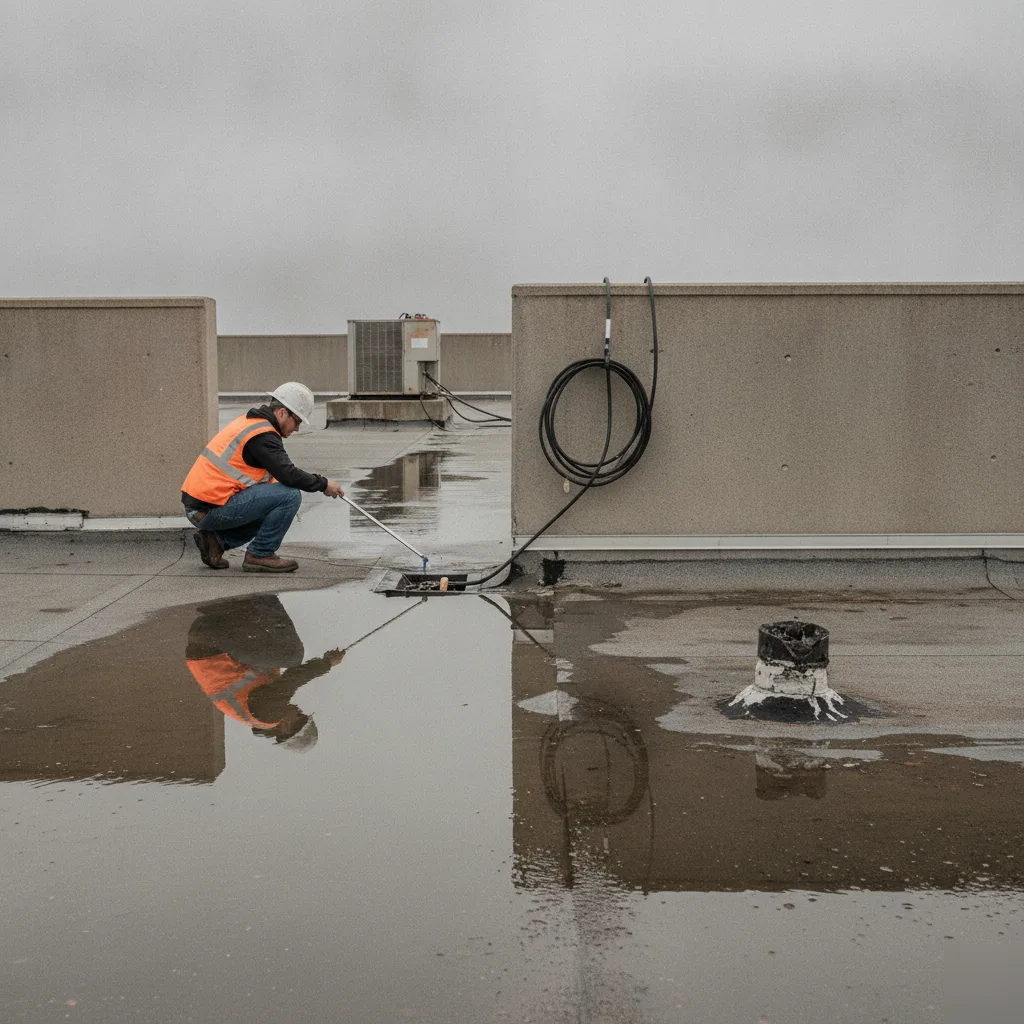
Why a Licensed Structural Engineering Inspection is Different
Most home inspectors identify visible issues like drywall cracks, sloping floors, or ceiling water stains. While this information is useful, it often only addresses surface-level concerns. A licensed structural engineer assesses the building's underlying integrity. We calculate load paths, check for improperly sized beams and members, and identify structural problems even before visible symptoms appear.
This approach is particularly important for properties in Clayton.
Consider a 1930s 2-unit building in the Wydown area; it might appear solid from the exterior. Yet, an original stone foundation could be failing behind a finished basement wall, or floor joists might no longer adequately support years of accumulated weight. An ordinary home inspector identifies cosmetic symptoms. We trace those symptoms to their underlying cause. We explain precisely what is happening, repair costs, and advise on how this affects your investment or purchase decision.
What PEs Find
- Structural walls removed in older renovations without proper headers or permits.
- Foundation patterns showing ongoing settlement, distinguished from old, stable cracking.
- Decks and balconies that do not meet current code for lateral loads.
- Floors deflect excessively under multi-family loading.
We encounter this situation every week. A buyer calls us after a general home inspection reported "possible structural items" with no further detail. Such vague terminology creates uncertainty and offers no clear next steps. Our reports provide specific values, calculations, and a clear plan for resolution.
Scott's direct experience in St. Louis County plan review means your permit drawings are built around exactly what the examiner needs to see. If repairs or modifications are necessary after an inspection, we identify the issue and then provide the required engineering documentation. Structural defects are often the most costly problems to resolve if not found during an inspection. We aim to prevent this by locating issues early.
Our P.E. certification goes beyond a mere credential. It profoundly influences the scope and detail of every finding we report.
Shared Foundations and the Underlying Risk of Multi-Family Construction
Few consider the structural implications of adjoining properties. However, in a duplex, triplex, or four-plex, each unit shares structural elements with the adjoining unit. This shared construction often conceals hidden problems.
Multi-family buildings in Clayton often share continuous foundation footings, party walls, and load-bearing headers that span multiple unit boundaries. Foundation cracks in one unit rarely stop at the property line; they commonly extend into neighboring units. We observe this regularly in older brick multi-family buildings near Wydown, where 1930s and 1940s stone foundations show ongoing settlement. One unit might appear unaffected internally, while the adjacent unit presents issues like an uncloseable door or diagonal cracks at window corners. The underlying foundation is consistent; only the visible conditions differ.
The problems with shared foundation systems:
- Incorrect foundation repairs in one unit can shift loads to an adjacent unit.
- Moisture in a common basement wall can impact both units, even if visible only in one.
- Removing a wall for an open-concept kitchen in one unit can compromise a bearing point supporting an adjacent unit's floor system.
- Settlement in older poured concrete or stone foundations rarely affects only a single unit.
A standard single-family inspection protocol is insufficient for multi-family buildings. It is impossible to inspect Unit A without understanding the conditions in Unit B, nor can renovation work be approved without its impact on the entire structure.
Every multi-family inspection we perform in Clayton considers the entire building. Scott understands what plan examiners look for in buildings with common walls: insufficient fire separation at the base or unapproved structural changes creating new connections between units. These issues are not hypothetical; they frequently appear in real buildings and affect property transactions.
Structural problems often manifest subtly. A crack might widen gradually, a floor slope might be barely perceptible, or a beam could be improperly cut. Identifying these issues early reduces repair costs compared to discovering them late.
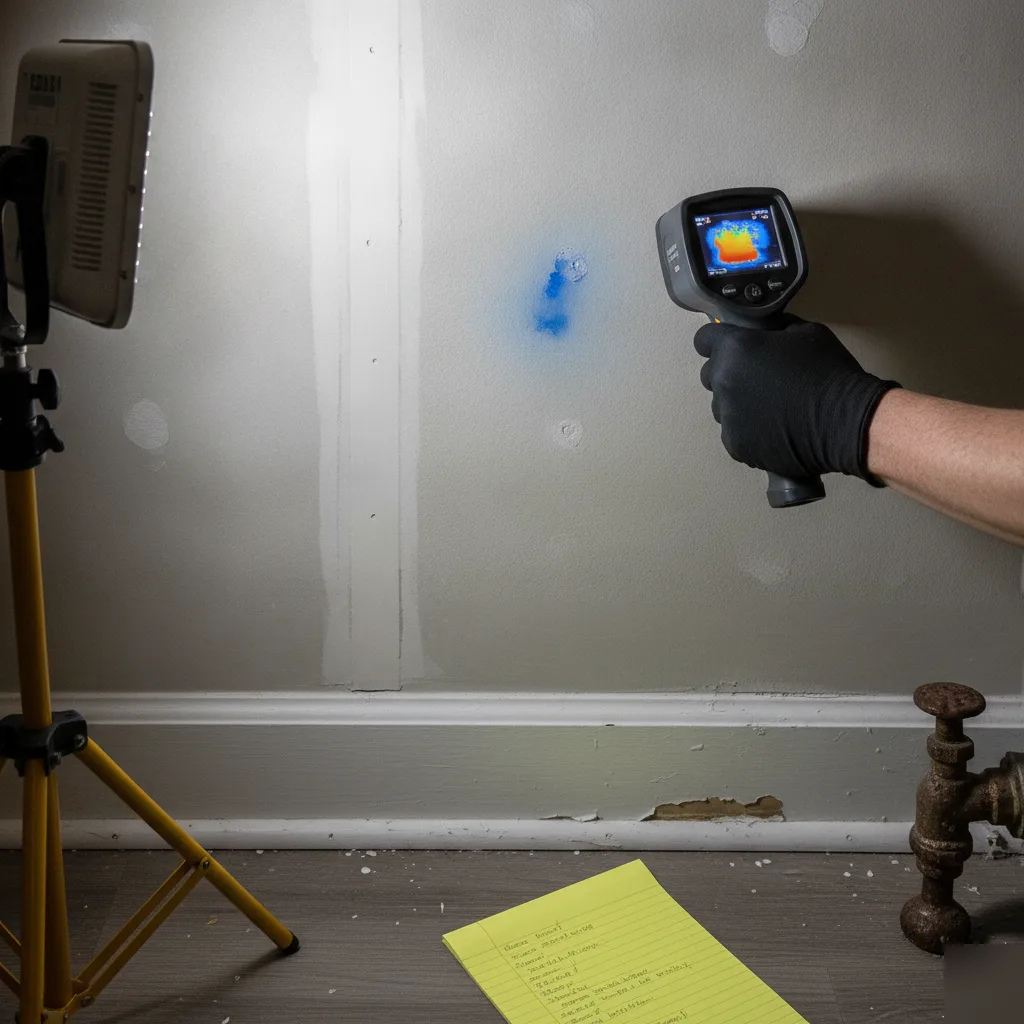
Getting a Multi-Family Property Ready for Inspection
Proper planning improves the efficiency of an inspection. We have encountered situations in Clayton duplexes and 4-plexes where owners were unaware of the scheduled inspection, tenants denied basement access, or utility room keys were unavailable. Such instances cause unnecessary delays.
Here is what you need to do before we get there:
- At least 48 hours in advance, notify all tenants that access will be required to their unit, common areas, and any rented storage areas. A simple written notice is effective.
- Clear foundation walls, crawl spaces, and mechanical rooms. Move furniture, bicycles, and boxes away from perimeter walls to allow clear visibility of the foundation.
- Clear utility areas, including boiler rooms, electrical rooms, and water heater closets. If a tenant unit provides locked access to the basement, the key is available.
- Gather all past inspection reports, building permits for renovation work, and any engineering documents. Old paperwork for a 1940s Clayton building can reveal significant changes over the years.
- Point out any known problem areas, such as a crack you have observed, a sticking door, or a sagging floor. Your observations help us focus our inspection immediately.
Access issues often cause significant delays during multi-family inspections. A single locked tenant unit near Wydown or Shaw Park, where no one is home or a spare key is unavailable, can delay the entire schedule by hours.
Cosmetic details are outside our inspection scope. We do not critique paint colors or carpet wear. Our inspection covers the structure: foundation walls, load paths, floor framing, and balcony connections. These elements of the building remain stable and its occupants are secure.
If any work was performed on the property without a permit, please inform us. Unpermitted alterations are common in older multi-family housing in Clayton, such as walls removed without engineering oversight or decks added without proper ledgers. Understanding these changes allows us to provide a direct assessment, avoiding surprises in the final report.
If you are unsure about access requirements, please call us.
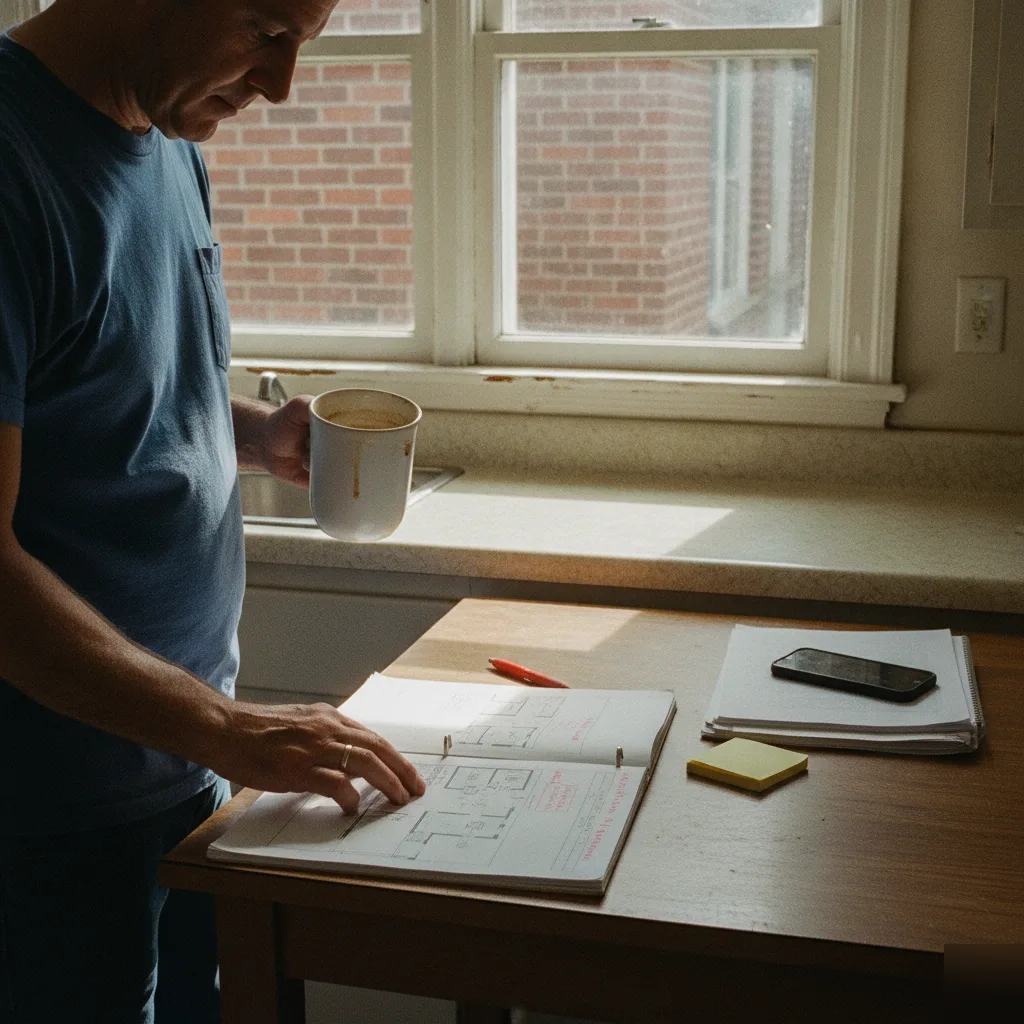
What Happens After the Inspection Report Is Delivered
Your inspection report arrives in your inbox. What happens next?
We review findings with every client directly. Our reports are not simply PDFs left for you to decipher. Each report includes clear photos, diagrams with notes, and straightforward explanations of every structural issue. For a multi-family building in Clayton, this could involve cracked stone foundation walls in one unit, joist deflection in another, or deteriorated deck boards on a shared exterior deck. We assign a severity ranking to each finding, indicating what requires immediate attention and what can be monitored.
Making the Findings Actionable
Most clients seek a clear strategy after an inspection. Here is what typically happens next:
- We review your report by phone or in person, addressing all questions.
- For items requiring structural repair, we provide a recommended scope of work suitable for your chosen builder.
- If permit drawings or structural calculations are necessary, we can produce them.
- We also provide clear documentation for your real estate attorney to use during closing negotiations.
Clients leverage our reports to negotiate price or request seller repairs before closing in Clayton's active real estate market. Our reports hold authority because they are stamped by a licensed Professional Engineer (P.E.), not a general inspector.
What if a property requires follow-up work? We remain available. Consider a duplex along Demun needing a structural repair design for a foundation crack. We handle the subsequent steps: engineering the fix and preparing the permit drawings. Scott's direct experience in St. Louis County plan review means your permit drawings are built around exactly what the examiner needs to see. A single finding can sometimes alter an entire transaction. Regardless of the outcome, you will understand your position. Our report is not the conclusion of your process; it is a tool empowering you to move forward with your Clayton investment confidently.
Frequently Asked Questions
Do I really need a structural engineer, or will a regular home inspector work for a Clayton duplex?
A licensed structural engineer gives you answers a regular home inspector cannot. Standard inspectors note visible symptoms like cracks or sloping floors. We trace those symptoms to their root cause. For older Clayton duplexes — many built in the 1930s and 40s — that difference matters. Original stone foundations and aging brick can hide serious problems behind finished walls. You deserve a clear answer, not a report that says "possible structural items" with no follow-up plan.
How does a shared foundation affect my inspection if I'm only buying one unit in a Clayton multi-family building?
Shared foundations mean problems in one unit almost always affect the others. You cannot fully inspect Unit A without understanding what is happening in Unit B. In older Clayton brick buildings near the Wydown area, we regularly find 1930s stone foundations with settlement that crosses unit boundaries. Even if your unit looks fine, the adjacent unit may show the real damage. We inspect the entire building as one connected system, not just your unit alone.
What specific problems do you find most often in Clayton multi-family properties?
The most common issues we find are load-bearing walls removed without permits, deck framing that does not meet current lateral load requirements, and foundation settlement in older poured concrete or stone foundations. Diagonal cracks at window corners and doors that no longer close properly are frequent signs of ongoing movement. These problems show up weekly in our inspections. Finding them before closing protects you from the most costly repairs a building can need.
How long does a multi-family inspection take, and when will I get the report?
A typical multi-family inspection in Clayton takes longer than a single-family walkthrough because we evaluate each unit individually and the full building system together. Expect a half-day to a full day depending on the number of units and building age. Your written report includes specific findings, calculations where needed, and clear repair recommendations from a licensed P.E. Most clients receive their report within a few business days of the inspection.
Can you help with permits or repair documentation after the inspection?
Yes — if repairs are needed, we provide the engineering documentation required to pull permits in St. Louis County. Scott's background in St. Louis County plan review means your drawings are built around what the plan examiner actually needs to approve. You will not waste time going back and forth with the building department. We identify the problem and then give you the paperwork to fix it correctly and legally.