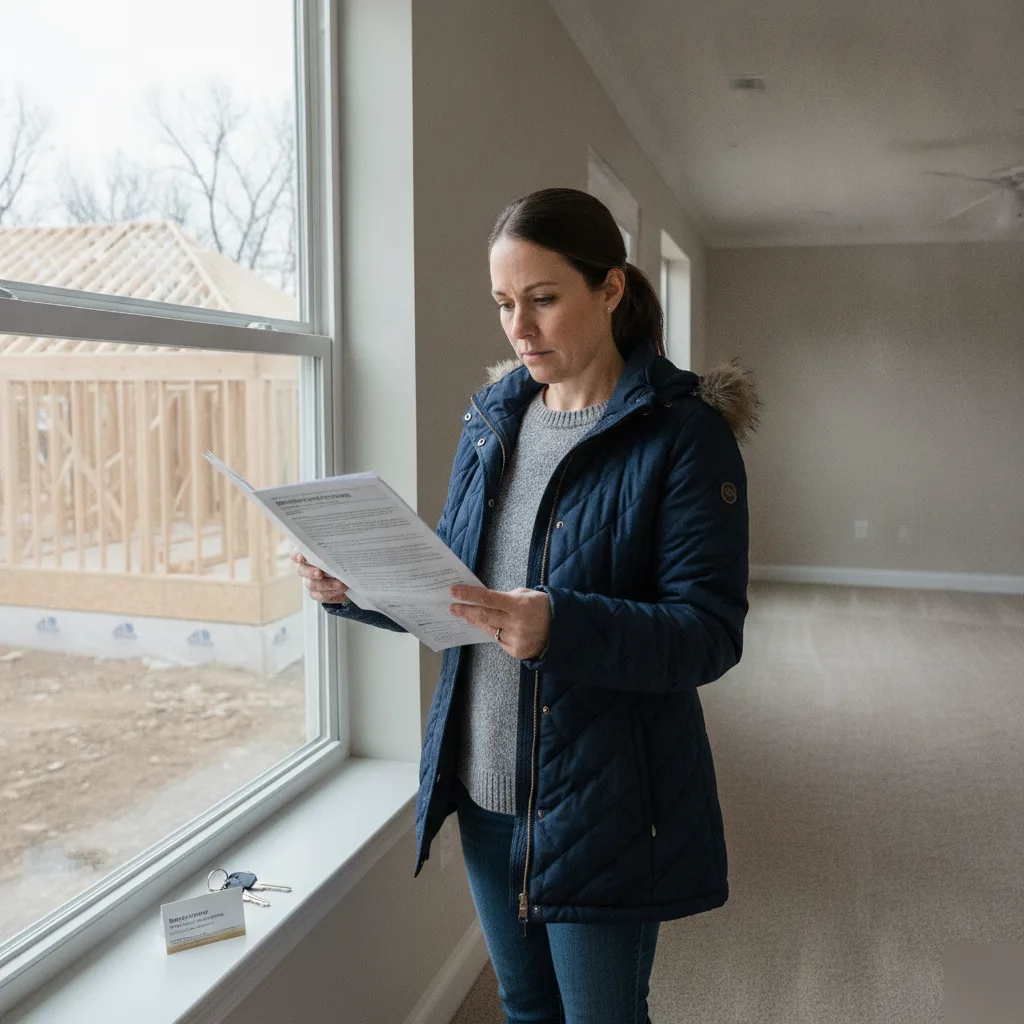
Why a County Code Inspection Leaves Clayton Buyers Unprotected
Most people assume the county inspection covers everything. It doesn't.
St. Louis County code inspections verify minimum compliance with the building code. These inspections happen at specific milestones. The inspector checks that the framing meets code, the electrical is wired correctly, and the plumbing passes pressure tests. That's the scope. They are not looking at whether the builder installed the engineer's beam specs correctly. They are not measuring whether the foundation walls are plumb within tolerance. And they are not checking if the HVAC rough-in compromised a joist that now needs reinforcement. County inspectors in Clayton handle dozens of inspections per day. They move fast and focus on code triggers, not construction quality.
Here's what falls through the cracks:
- Improper joist hangers or missing structural connectors that pass a visual scan but don't match the approved structural drawings
- Foundation drainage details that meet code on paper but will not function properly in Clayton's clay-heavy soil conditions
- Framing shortcuts like undersized headers or improperly notched studs near load paths
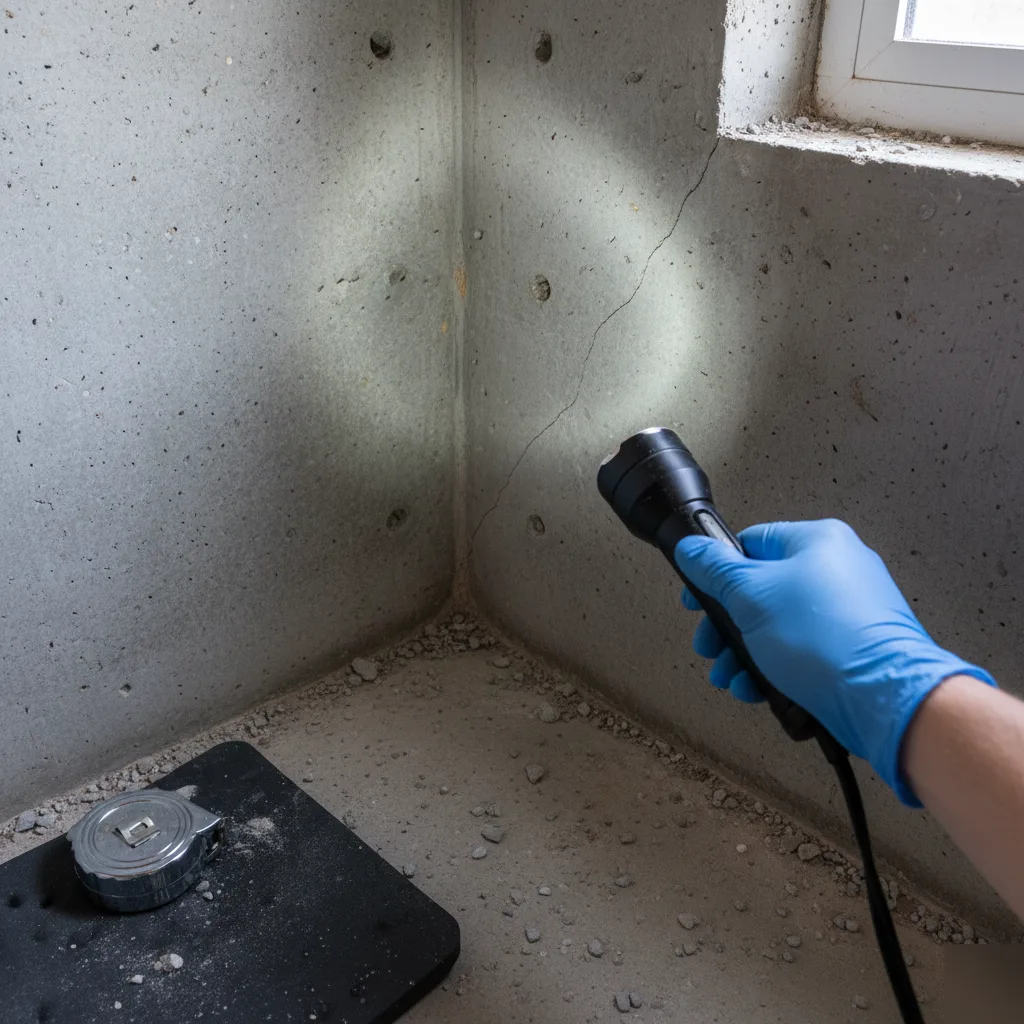
- Concrete that cured too fast or was poured in poor conditions. Hairline cracks might not show up for months.
We see this constantly in new builds near Wydown and throughout the Central Business District area. A builder passes every county inspection, but six months after the homeowner moves in, a floor bounce or crack might appear along the basement wall. The county signed off on it. Signing off on code compliance and confirming the home was built right are two very different things.
A new construction inspection from a licensed P.E. fills that gap. We are not duplicating the county's work. We are catching what they are not tasked to find. Scott's background in St. Louis County plan review gives him insight into what inspectors prioritize. More importantly, he knows what they skip. That is the structural edge every Clayton home inspector backed by a licensed P.E. brings to a new construction walkthrough protecting your investment long after the builder hands you the keys.
The county confirms the house is legal. We confirm it's built the way it should be.
The Three Inspection Phases Every New Build Needs
Most people think one inspection at the end covers everything. It doesn't. Not even close.
A proper new construction inspection in Clayton happens at three distinct stages. Each one catches problems that get buried by the next round of work. Miss a phase and you're trusting drywall to tell you what's behind it.
Phase 1: Foundation and Below-Grade
This phase matters most. It also has the smallest window for inspection. Once concrete is poured and backfill goes in, the foundation is hidden for good. We check footing dimensions, rebar placement, anchor bolt spacing, and drainage details. In Clayton's older neighborhoods near Wydown or Shaw Park, soil conditions can vary a lot from one block to the next. That affects how the foundation should be built. We verify the builder followed the engineered design before anything gets covered up.
Phase 2: Framing and Structural Rough-In
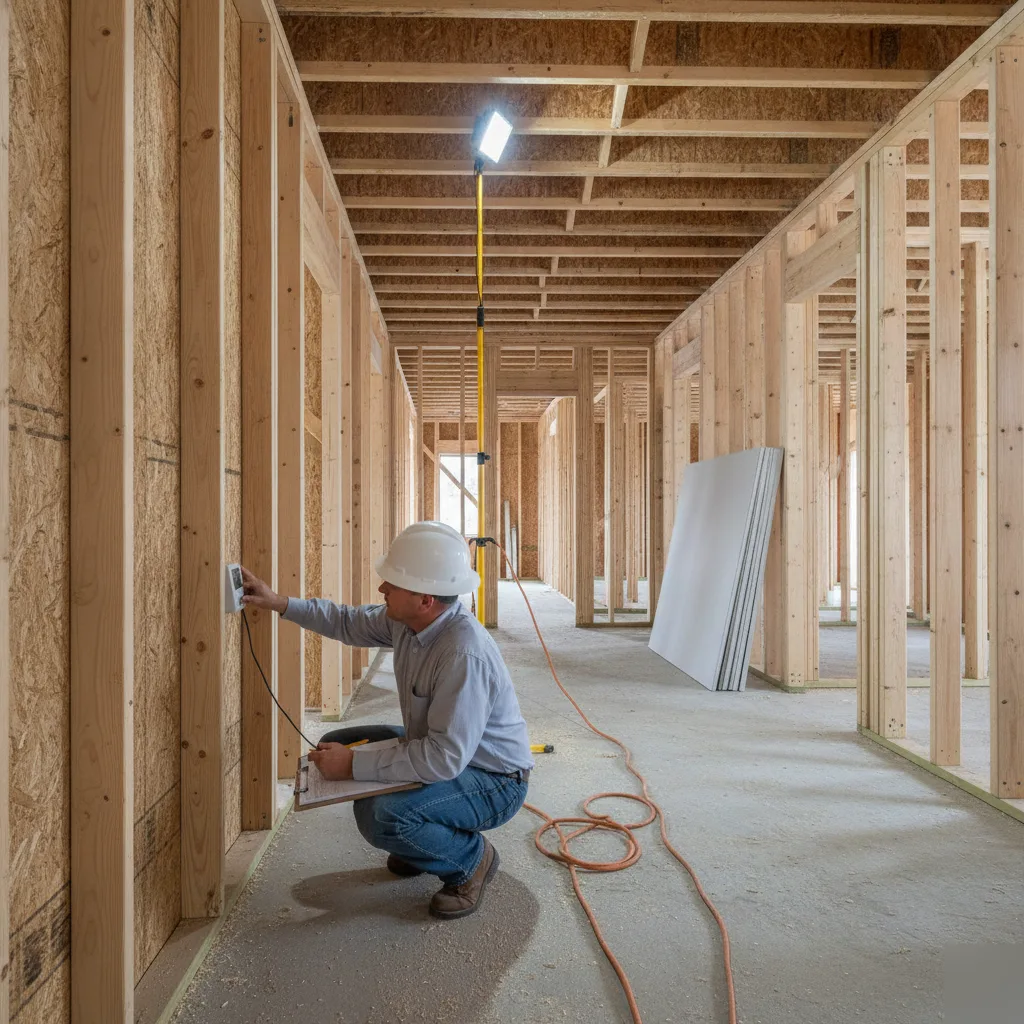
After the frame goes up and before insulation and drywall, we walk every floor. Here's what we're looking at:
- Load paths from roof to foundation. We confirm beams and headers are sized correctly.
- Joist hangers, hurricane ties, and connection hardware at critical joints
- Proper support under point loads from upper floors
- Shear wall placement matching the structural drawings
Framing crews get most things right. But "most" isn't all. We regularly find missed Simpson connectors or undersized headers above wide openings. Small details that create real problems ten years down the road.
Phase 3: Final Walkthrough Before Close-Out
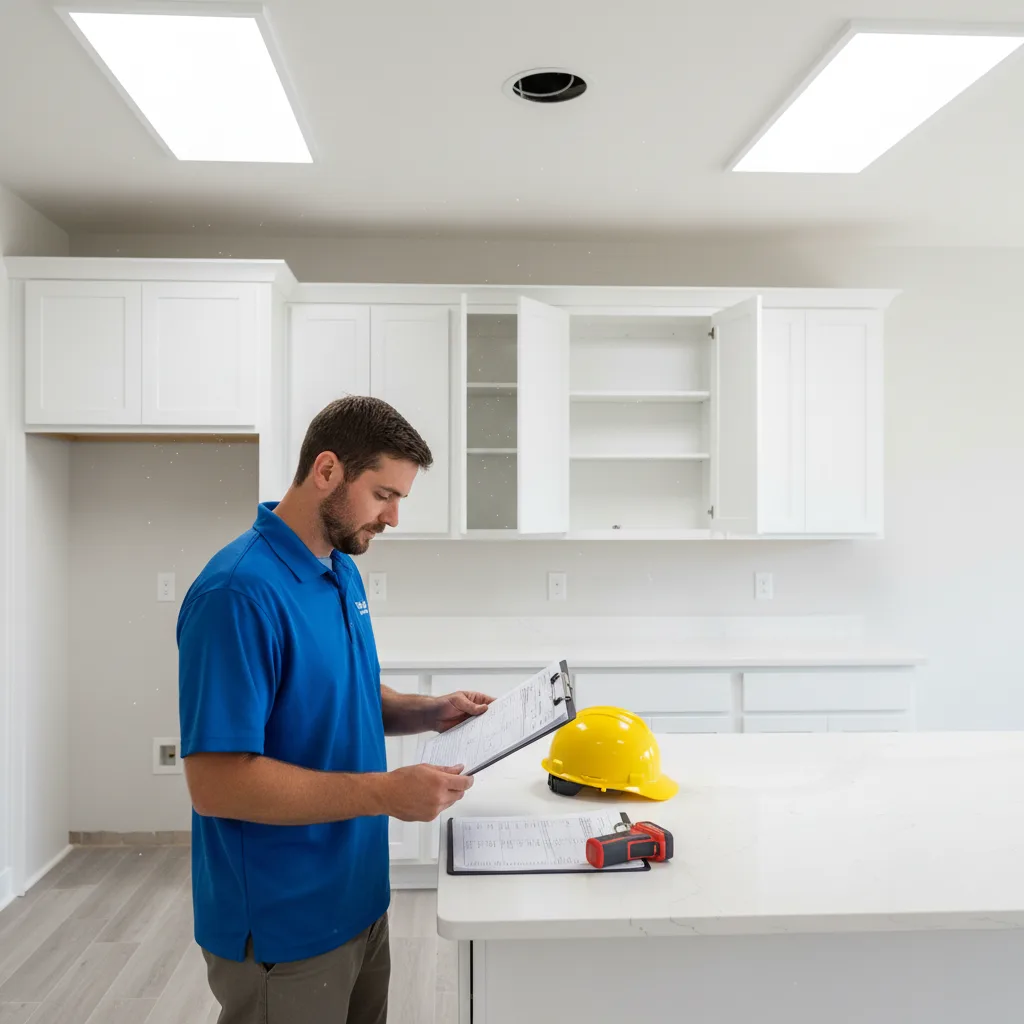
This happens after finishes are in but before you sign off. We're checking that nothing got changed or damaged during the finish stages. Cracks in new drywall can signal framing movement. Uneven floors might point to a joist issue that showed up under load. And we confirm the final build matches what was on the permitted structural drawings. Independent special inspections and quality assurance protocols — as outlined in resources like Special Inspections and Quality Assurance from the National Council of Structural Engineers Associations — define exactly why third-party verification at each phase is a recognized industry standard, not an optional add-on.
Scott's plan review work in St. Louis County provides direct insight into what the examiner already checked. He also knows what they didn't. That's a gap most homeowners never think about. But we do, every time we walk a new build in Clayton.
What a Structural Engineer Checks That a Home Inspector Misses
Home inspectors do a good job covering the basics. They'll note visible cracks, check appliances, test outlets. But they're generalists. They are not trained to evaluate a structural element's performance. They don't assess if it performs as designed.
That's the gap we fill.
When we perform a new construction inspection in Clayton, we're looking at the engineering behind the walls. Not just whether something looks right, we're calculating whether it works right. A home inspector might note that a beam looks undersized. We'll tell you whether it actually is, what load it's carrying, and what needs to change.
Here's what we catch that a standard inspection typically won't:
- Incorrect joist spans or spacing that don't match the approved structural drawings
- Missing or improperly installed hold-downs, hurricane ties, and anchor bolts
- Headers and beams that are undersized for the actual loads above them
- Foundation reinforcement that doesn't match the engineer's design
- Load path discontinuities where forces aren't transferring properly to the foundation
These aren't things you can see from the finished product. They get buried behind drywall, under concrete, inside framing. That's why the timing of your inspection matters. And it's why a licensed P.E. needs to be the one looking.
We've inspected new builds near Wydown and throughout Clayton's established neighborhoods. We found framing crews using the wrong nail schedule on shear walls. Everything looked fine visually. The structural calculations said otherwise. That's a safety issue, not a cosmetic one.
Scott's work reviewing plans for St. Louis County provides direct knowledge of what the approved plans require. So when something deviates from the permitted design, we catch it immediately. We don't guess whether a detail matters. We know which ones the plan examiner required and why.
A home inspector gives you a snapshot. We give you engineering verification. Big difference when you're investing in a brand-new home.
How to Use Your Inspection Report as a Builder Punch List Tool
Most people read an inspection report once, then file it away. That's a missed opportunity. Your new construction inspection report is the single leverage tool you have before closing on a new build in Clayton.
Here's how we structure ours so you can actually use them. Each finding gets a clear description, a photo, and a priority level. No vague language. No "monitor this area." You get specific items your builder can act on immediately. Think of it less like a report and more like a task list with evidence attached.
Turning Findings Into Action Items
When you sit down with your builder, organize the report into three categories:
- Fix before closing. These are structural or code-related items that shouldn't wait. A misaligned anchor bolt, an undersized header over a garage opening, a missing joist hanger. Non-negotiable stuff.
- Fix within 30 days. Items that won't cause immediate harm but need attention. Minor grading issues directing water toward the foundation, incomplete flashing at a roof-to-wall.
- Document for your records. Things that are within tolerance now but worth watching. We note these so you have a baseline if something changes two years down the road.
Builders in Clayton respond well to this approach. They don't want vague complaints. They want a list they can hand to their crew. Our reports give them exactly that.
You can request a re-inspection after the builder addresses the punch list items. We come back to verify the corrections match what we flagged. You then get an updated report confirming everything is resolved. Clean paper trail for your files.
Scott's familiarity with St. Louis County plan review helps the report language align with how local code officials document issues. That matters when you're working with a builder near Wydown or anywhere else in Clayton. It keeps the conversation grounded in standards everyone recognizes. No ambiguity. Just clear items, clear fixes, clear verification.
Need help turning your inspection findings into real results? Give us a call.
Scheduling Your New Construction Inspection Before the Closing Clock Runs Out
You've watched your new home go up from the slab. Now closing is two weeks away. The builder says everything looks great, and you're ready to sign. "Looks great" isn't a structural assessment.
We get calls from Clayton homeowners every month in exactly this spot. The builder's timeline is tight, the lender needs documents, and often there's no room left for an independent set of eyes. That's a problem, because once you close, your leverage disappears.
When to Schedule
The time for a new construction inspection is after the major systems are in but before drywall covers everything up. If that window has passed, we can still catch a lot. But framing-stage access is gold. Here's the order that works for most builds in Clayton:
- Schedule a pre-drywall inspection once framing, rough plumbing, and electrical are complete.
- Request a final inspection after finishes are installed but before your closing date.
- Build in at least five business days between the final inspection and closing so the builder has time to address any findings.
That buffer matters more than people realize. We've seen builders near Wydown agree to fix issues on the spot when there's time. Without that cushion, corrections get pushed to a post-closing punch list. Those lists often collect dust.
Don't assume a municipal inspection covers structural details. An independent engineer would assess these differently. Municipal inspectors check code minimums across dozens of trades. We focus on one thing: is this structure built correctly? Different scope entirely.
Scott's experience with St. Louis County plan review gives him direct knowledge of what county inspectors check. He also knows what they don't. That gap between code compliance and actual build quality is where problems hide.
If your closing date is already locked in, call us now. We can typically get on-site within a few days for Clayton projects. Waiting until the week of closing cuts your options. Nobody wants to discover a joist issue the day they are signing papers.
Frequently Asked Questions
Does a county code inspection in Clayton mean my new home was built correctly?
No — a county code inspection only confirms the home meets minimum legal standards. St. Louis County inspectors check code compliance at specific milestones, not construction quality. They are not verifying that your builder followed the engineer's structural drawings. They are not measuring whether foundation walls are plumb or whether joist hangers match approved specs. A licensed structural engineer fills that gap. You get confirmation the home was built right, not just built legally.
When during construction should I schedule a new construction inspection in Clayton?
You need three inspections, not one at the end. The first happens before concrete is poured — foundation and below-grade work gets buried permanently after that. The second happens after framing but before drywall covers everything. The third happens before your final close-out. Missing any phase means problems get hidden behind finished walls. Waiting until the end is the most common mistake Clayton buyers make with new builds.
How does Clayton's clay-heavy soil affect my new home's foundation?
Clayton's clay soil expands and contracts with moisture, which puts unusual stress on foundations. That means drainage details and footing design matter more here than in areas with sandy or loam soil. A foundation that passes a county inspection can still fail to perform properly if drainage wasn't built to handle local soil behavior. We verify the builder followed the engineered design before backfill goes in — because once it's covered, you can't check it.
What does a structural engineer find that a regular home inspector would miss?
A structural engineer evaluates whether a structural element actually performs as designed — not just whether it looks acceptable. A home inspector might flag a beam as possibly undersized. We calculate the actual load it carries and tell you whether it needs to change. We find things like missing hold-downs, incorrect joist spans, and load path gaps that never appear on a standard inspection report. These problems are hidden behind drywall long before a home inspector ever walks through.
Can I still get a new construction inspection if framing is already done?
Yes, but act fast. Once insulation and drywall go up, the framing phase window closes. If framing is done but not yet covered, we can still walk every floor and check structural connections, header sizing, and shear wall placement. If finishes are already in, we shift focus to the final walkthrough phase — checking for drywall cracks, floor movement, and whether the finished build matches the permitted structural drawings. Something is always better than nothing.
What happens if the structural engineer finds a problem during a new build inspection in Clayton?
You get a written report with specific findings — not vague notes, but exact locations and what needs to change. That report gives you leverage with your builder before you close. Builders are far more responsive to a licensed P.E.'s findings than to a buyer's complaint. We've seen missed Simpson connectors and undersized headers near areas like Wydown get corrected before close-out because the buyer had documentation. Without it, those problems become your problem after you sign.