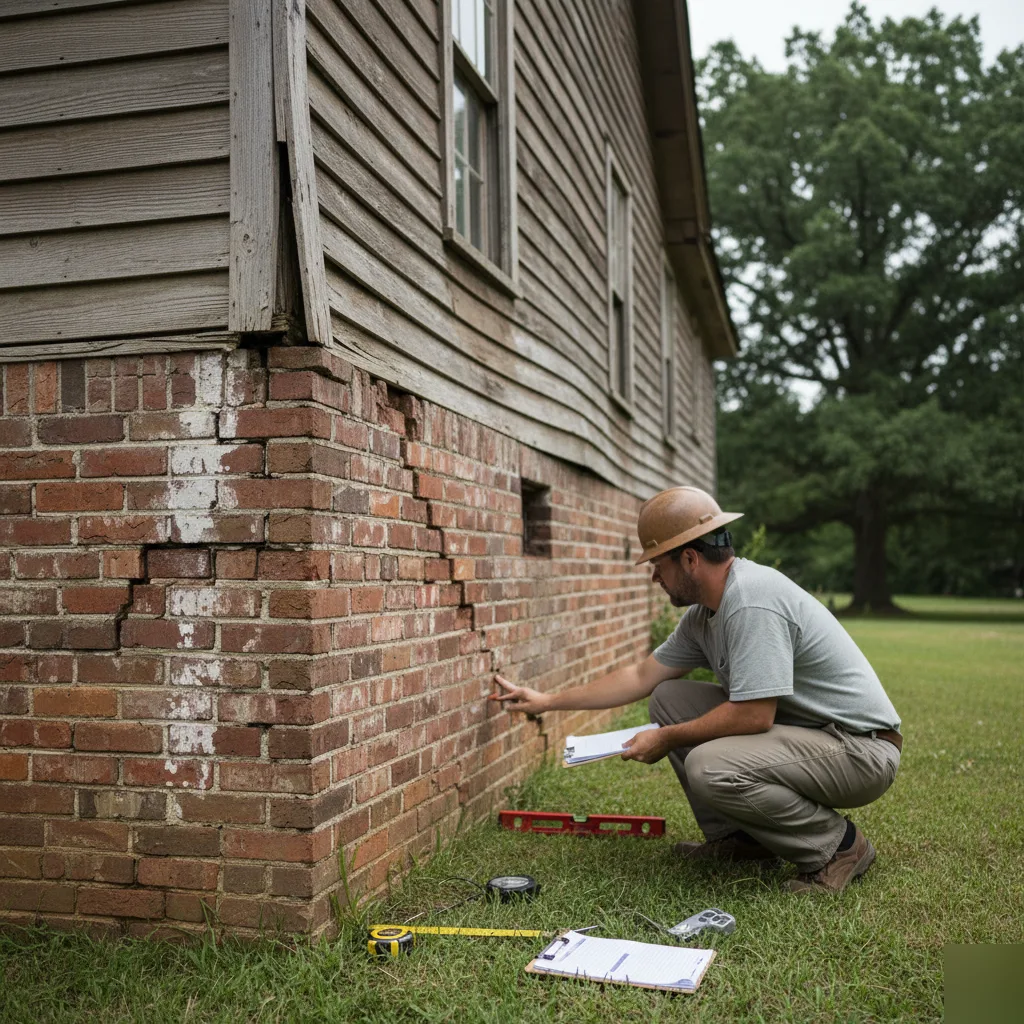
What a Structural Damage Inspection Actually Covers
Most people think we just walk through and point at cracks. That's maybe ten percent of it.
A structural damage inspection is a full evaluation of how your building carries weight and resists movement. We look at every element that keeps the structure standing: foundations, load bearing walls, beams, headers, floor systems, and roof framing. We check how those elements connect to each other, because a single failed connection can compromise an entire load path. In Clayton's older housing stock, especially homes built in the 1930s and 1940s, those connections weren't always engineered the way we'd do it today.
Here's what we're evaluating on a typical inspection:
- Foundation walls and footings for cracking, settlement, or lateral displacement
- Floor framing for sagging, rot, or inadequate bearing support
- Load bearing walls for signs of overload, removal, or modification
- Roof structure and ceiling joists for racking or storm-related damage
- Masonry and brick veneer for separation, step cracking, or mortar deterioration
We see a lot of stone foundations near the Wydown area. Those behave very differently than poured concrete. They shift, they absorb moisture, they lose mortar over decades. The inspection approach has to match the construction type. We don't use a one-size checklist.
Our work is not just about what's broken right now. We identify what's actively moving, what's stable, and what will get worse if you don't address it. Often the homeowner already suspects something is off. A door that won't latch, or a floor that slopes toward the center of the house, often signals a problem. Our job is to confirm whether that's cosmetic or structural.
Every inspection ends with a written report from a licensed Professional Engineer. This is not a guess or a maybe. You get clear findings, the cause of the damage, and specific next steps. Scott's background includes St. Louis County plan review. If your situation needs permit drawings or repair design, those documents are built around exactly what the examiner needs to see. That saves you time in Clayton's permitting process and keeps your project moving.
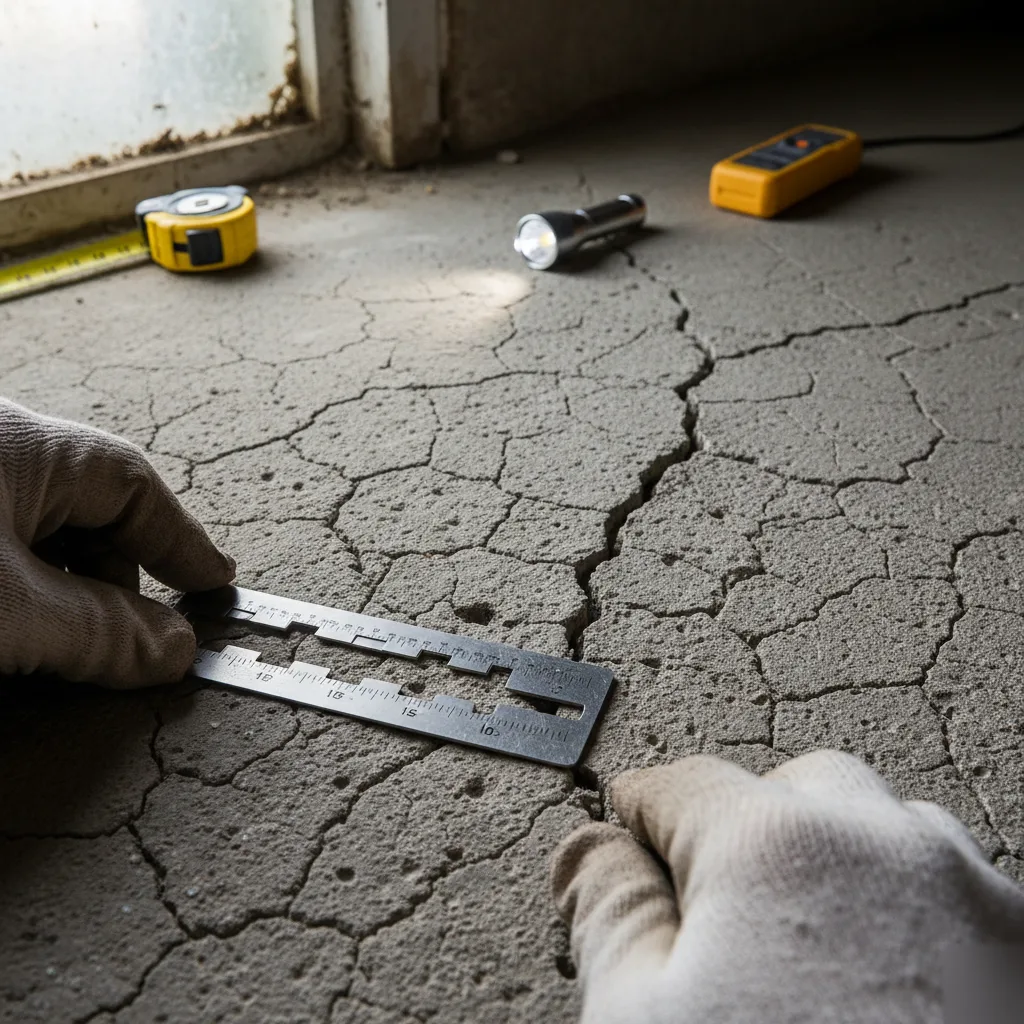
Warning Signs That Mean You Should Not Wait
Some damage can sit for years without getting worse. Other issues demand immediate attention. The trick is knowing which one you're looking at.
We get calls every week from Clayton homeowners who noticed something months ago and kept putting it off. By the time we show up, a small crack has turned into a real problem. Here's what should make you pick up the phone right away:
- Stair-step cracks in brick or block walls. These follow the mortar joints in a zigzag pattern. In Clayton's older brick homes, especially those built in the 1930s and 1940s, this often points to foundation movement that's still active.
- Doors or windows that suddenly won't close. One sticky door might be humidity. Three doors that stopped latching over the same month? That indicates the frame is shifting.
- Cracks wider than a quarter inch in poured concrete or stone foundations. Many homes near Wydown have original stone foundations. Cracks in stone are harder to read than poured concrete; they need a trained eye.
- Sagging or bouncy floors. If you feel the floor dip when you walk across a room, something underneath has lost support. This could be a deteriorated beam, a failed post, or moisture damage to the floor joists.
- Water stains on basement walls paired with visible cracking. Water alone is bad. Cracks alone are concerning. Both together means the wall is under pressure and losing the fight.
In most cases, the homeowner already knew something was off. They just weren't sure if it was serious. That uncertainty is exactly why a structural damage inspection exists.
Here's what most people don't realize. Damage that looks cosmetic on the surface can hide load path failures behind the drywall. We've opened up walls in Clayton homes expecting a simple crack repair and found compromised headers carrying the full weight of a second floor. You can't see that from the outside.
If any of these signs match what you're seeing, don't wait for it to get worse. Catching it now means simpler repairs, lower costs, and a clearer path to getting your home back to solid.
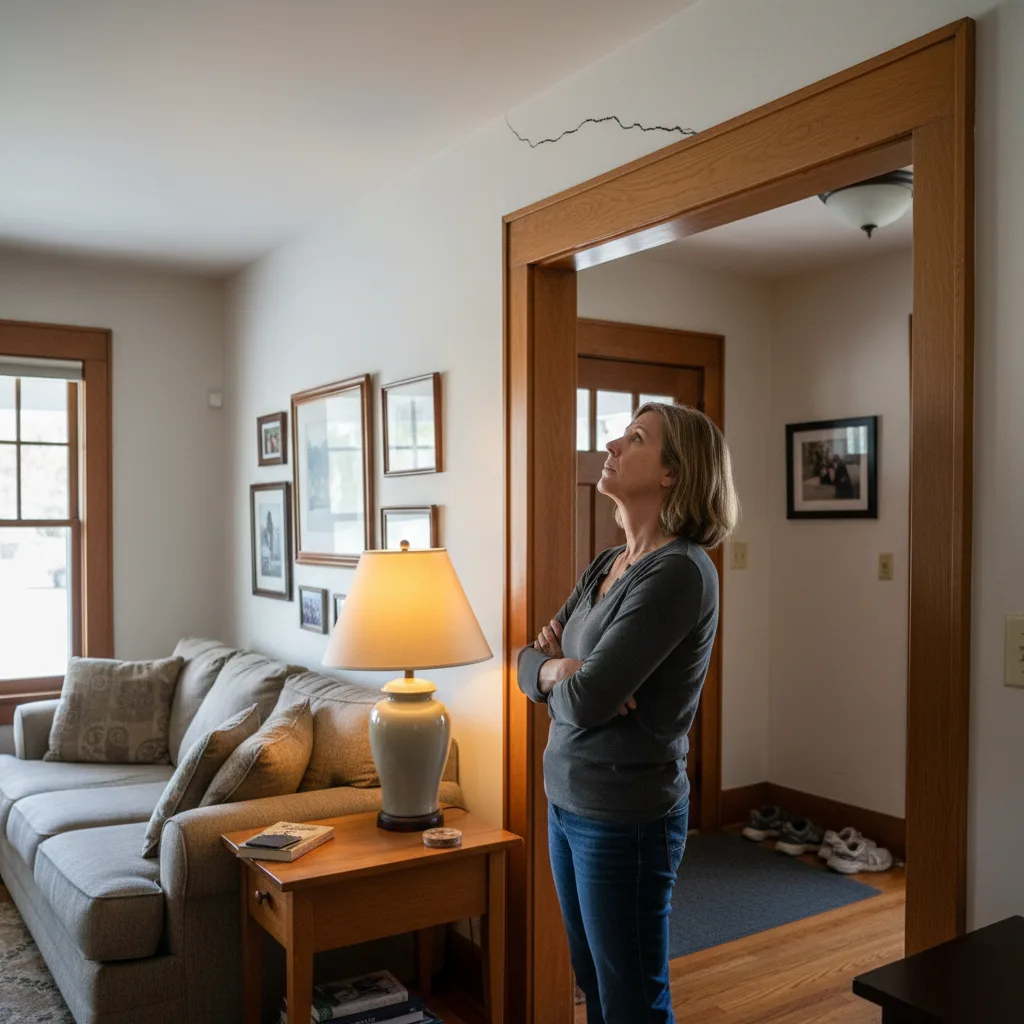
Why Clayton's Building Stock Creates Specific Structural Risks
Most homes in Clayton were built between the 1920s and 1950s. That's not a problem on its own. But it does mean the materials, methods, and building codes behind those walls are very different from what we use today.
We inspect homes in Clayton every month, and the patterns repeat themselves. Stone foundations have been slowly deteriorating for 80 years. Original poured concrete is cracking along the same stress lines we've seen dozens of times near Wydown and in the neighborhoods off Brentwood Boulevard. Brick masonry with mortar joints has softened to the point where you can scrape them out with a fingernail.
Here's what makes Clayton's building stock unique compared to newer suburbs:
- Stone and rubble foundations common in pre-1940s homes lack the reinforcement modern codes require.
- Load bearing walls sit in unexpected locations because original floor plans were designed around smaller, closed-off rooms.
- Older framing lumber is often true-dimension. This changes how we evaluate load paths and connections.
- Many homes have had additions or modifications over the decades with no engineering on record.
That last point is an important one. A home built in 1935 might have had a kitchen expansion in the 1960s, a basement finish in the 1980s, and a bathroom remodel in 2005. Each project may have altered the structure in ways that weren't documented. So when you call us about a crack in your wall or a floor that bounces, we're often working backward through layers of changes to find the real cause.
Clayton's active real estate market adds urgency. Buyers are making offers on these older homes every week. A structural damage inspection before closing can catch problems that a general home inspection won't flag. We're talking about deflected beams, compromised bearing points, and foundation movement that's still active.
For owners of historic properties in Clayton, it's also worth knowing that state-level guidance exists for navigating structural repairs after significant damage events — the Missouri DNR publishes natural disaster assistance guidance for historic building recovery that outlines repair standards and documentation requirements relevant to older structures.
Scott's hands-on work with St. Louis County plan review means he knows exactly which structural issues will create problems down the line. Whether our property inspection services are being used for a purchase, a renovation, or a basement concern, the homeowner who calls us early saves themselves months of headaches later.
The PE-Stamped Report: What Lenders and Contractors Require
A structural damage inspection only matters if the report holds up where it counts. Lenders won't accept a general opinion. Insurance adjusters need licensed documentation. The crew doing repairs needs clear direction, not vague notes.
That's why every inspection we complete in Clayton comes with a PE-stamped report. PE stands for Professional Engineer. That stamp means a licensed engineer reviewed the findings, confirmed the conclusions, and put their credentials behind the document. It's not a formality; it carries legal weight.
What's Actually in the Report
We see homeowners surprised by how much detail goes into these documents. Here's what you'll get:
- Photographic documentation of every area of concern, with measurements and annotations.
- A clear assessment of whether damage is cosmetic, moderate, or structurally critical.
- Identified causes such as settlement, water intrusion, load path failures, or deteriorated materials.
- Specific repair recommendations you can follow without guessing.
The report answers every question your lender or insurance company will ask. This report avoids back-and-forth or needing second opinions.
This matters a lot in Clayton's real estate market. Buyers closing on a 1930s brick home near Wydown or Shaw Park often need structural documentation before the lender releases funds. A report without a PE stamp gets kicked back. We've seen it delay closings by weeks.
Contractors benefit just as much. When a repair scope is clearly defined by an engineer, there's no ambiguity about what needs to happen. The framing crew knows exactly which members to sister or replace. The foundation crew knows the repair method and depth. Scott's experience with St. Louis County plan review means your permit drawings are built around exactly what the examiner needs to see. So if the structural damage inspection leads to permitted repair work, the process is seamless.
Need a report that actually moves your project forward? Give us a call.
Here's the part most people don't realize. A PE-stamped report doesn't just document problems. It protects you. If there's ever a dispute about the condition of your property, that stamped document is admissible evidence from a licensed professional. It's your proof that the right steps were taken at the right time.
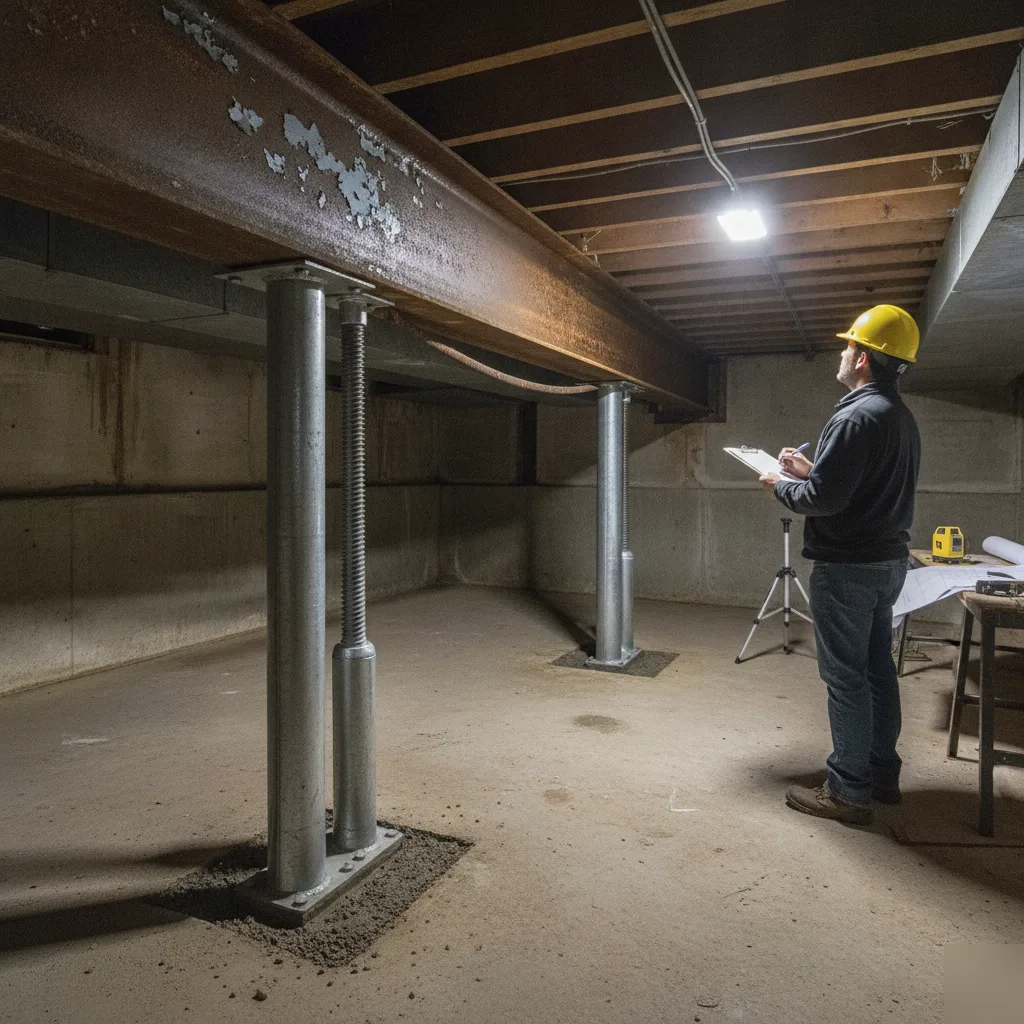
What Happens After Structural Damage Is Found
This is the moment most Clayton homeowners dread. You've got the inspection results, and something's wrong. But here's what we tell every client: finding the damage is the hard part. Fixing it follows a clear path.
Once we identify structural damage, we don't just hand you a report and walk away. We sit down with you and explain exactly what's going on in plain terms. We cover what's damaged, how bad it is, what caused it, and what needs to happen next. No guessing.
The Steps After Discovery
Every situation is different, but the process after finding damage follows a predictable sequence:
- We document every area of concern with photos, measurements, and notes on severity.
- We classify the damage as cosmetic, moderate, or critical so you know what's urgent.
- We prepare a structural repair design with engineered solutions specific to your home.
- We produce permit-ready structural drawings if Clayton's permitting office requires them.
- We coordinate with you to make sure the repair matches the engineering.
Often the repair is more straightforward than homeowners expect. A cracked stone foundation wall in a 1930s home near Wydown Terrace might look terrifying, but the engineered fix could be as simple as a properly designed steel reinforcement. Scott's familiarity with St. Louis County plan review means your permit drawings are built around exactly what the examiner needs to see.
That matters in Clayton. The permitting process here isn't casual. Submitting incomplete drawings wastes weeks. We've seen it happen to homeowners who hired a general first and an engineer second.
Here's something people don't always realize: a structural damage inspection report from a licensed P.E. also protects you legally. If you're dealing with an insurance claim or a construction defect dispute, that documented assessment carries real weight. It's not just a repair roadmap; it's evidence.
The worst thing you can do after finding damage is wait. Small cracks become big problems over one freeze-thaw cycle. If your inspection turned up something concerning, take next steps before the situation gets more expensive.
Frequently Asked Questions
How long does a structural damage inspection take in Clayton?
Most inspections take two to four hours, depending on the size of the home and what we find. Older Clayton homes, especially those with stone foundations or unfinished basements, usually take longer because there's more to work through. After the visit, you'll receive a written report from a licensed Professional Engineer. That report includes the cause of the damage and specific next steps, not just a list of what we saw.
What's the difference between a structural inspection and a regular home inspection?
A regular home inspection covers a wide range of systems — plumbing, electrical, HVAC, and more. A structural damage inspection focuses only on how the building carries and transfers weight. We look at foundations, load-bearing walls, beams, floor framing, and roof structure. In Clayton's older housing stock, those elements often have decades of modifications behind them. A general inspector isn't trained to read those load paths the way a structural engineer is.
My Clayton home was built in the 1940s — are stone foundations a bigger concern than poured concrete?
Yes, stone foundations behave very differently than poured concrete, and they need a different inspection approach. Stone absorbs moisture, loses mortar over decades, and shifts in ways that poured concrete doesn't. We see this regularly near the Wydown area. Cracks in stone are harder to read without a trained eye. What looks like a minor gap can indicate active movement that's been building for years. Don't assume it's stable just because the house has stood this long.
Can I wait to schedule an inspection if the cracks look small?
Some damage is stable and moves slowly. Other damage is active and gets worse fast. The problem is you can't tell which one you have just by looking. Stair-step cracks in brick, doors that suddenly won't latch, or floors that bounce when you walk across them are signs that shouldn't wait. We've opened walls in Clayton homes expecting minor repairs and found compromised headers carrying the full weight of a second floor. Catching it early means simpler repairs and a clearer path forward.
Does Clayton require permits for structural repairs, and does the inspection help with that?
Yes, most structural repairs in Clayton require permits, and having a proper engineering report makes that process much smoother. Our reports are written by a licensed Professional Engineer with St. Louis County plan review experience. If your repair needs permit drawings or structural design documents, those are built around exactly what Clayton's permitting office needs to see. That means fewer back-and-forth delays and a faster path to getting the work approved and completed.
What should I do before the inspector arrives?
Clear access to your basement, crawl space, and attic if you have one. If furniture or storage is blocking foundation walls, move it ahead of time. Make a quick list of anything you've noticed — sticky doors, sloping floors, new cracks — and when you first saw it. The more context you give us, the faster we can trace the problem back to its source. Clayton homes with multiple additions over the decades often have layered changes, and your memory of what changed and when helps us work backward more efficiently.