Structural Engineer Support for Breckenridge Hills Area Homes
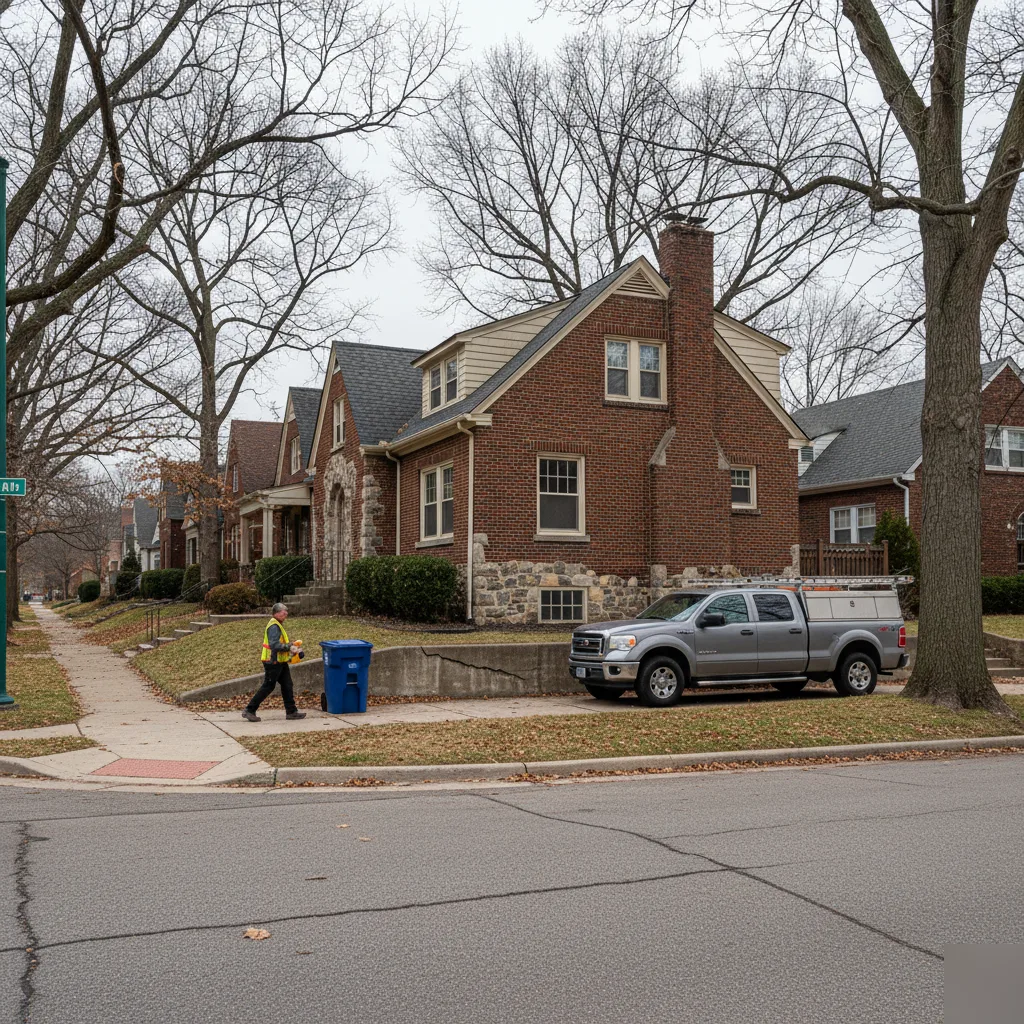
Homes near Breckenridge Hills are often older brick and stone. That means foundation checks and load-bearing wall work need specific knowledge of how these houses were built. We work this area of Clayton a lot. From pre-purchase inspections to full permit drawings, we handle it.
Many calls we get from near Breckenridge Hills sound familiar. Someone bought an older brick house, they like the classic style, but the kitchen wall - the one stopping an open-concept layout - needs to go. That wall is usually a load-bearing wall in these older designs. We need to know what's above it. Then we design a new beam. This keeps the floor above supported.
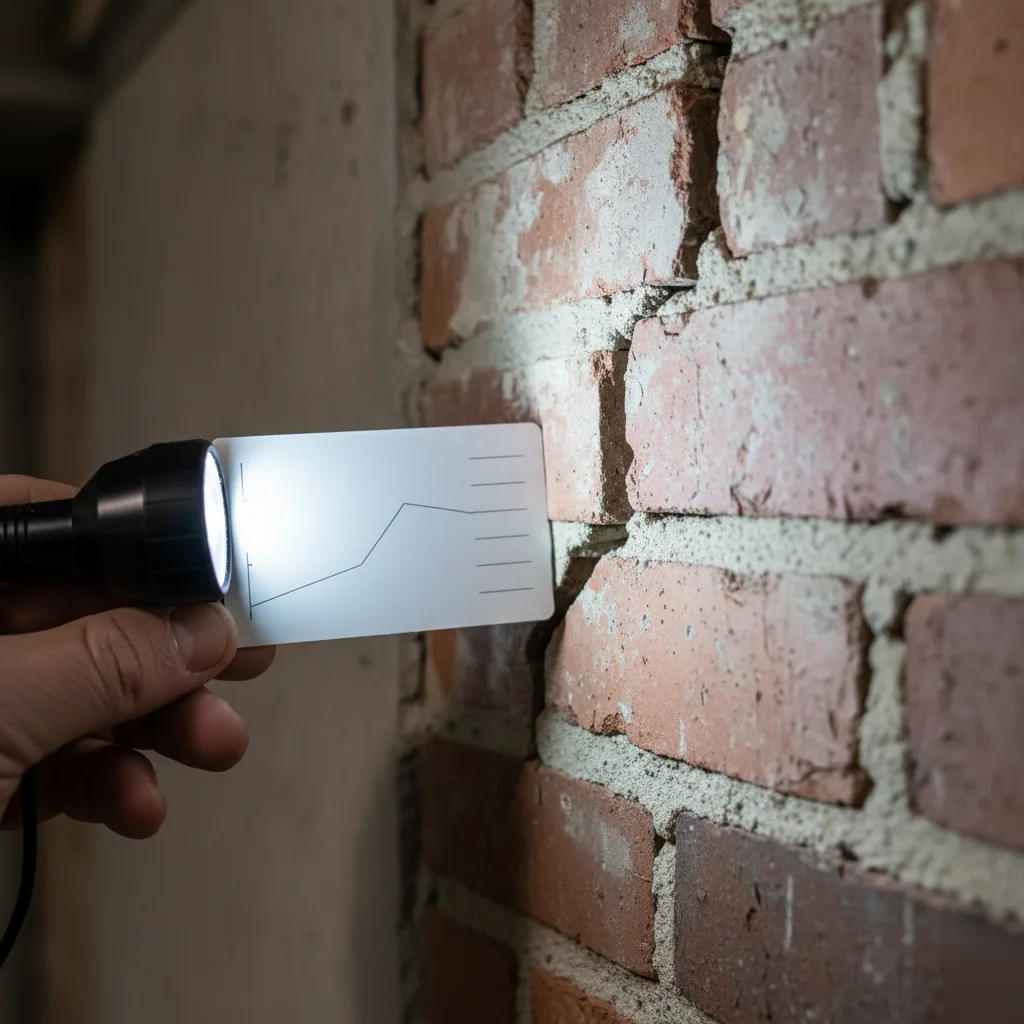
Foundation questions are also common. Stone foundations and early poured concrete are typical in homes decades old around this part of Clayton. These age differently than modern slabs. Scary-looking cracks aren't always structural problems. But you really shouldn't guess. A foundation inspection tells you what's cosmetic and what needs a repair plan. That distinction matters for closing.
Pre-purchase structural inspections are a big part of our work near Breckenridge Hills. Buyers touring a 1930s or 1940s home want to know what they're buying into. We check the foundation, the framing, and any old repairs. You get a clear picture. And it happens before you sign anything.
- Load-bearing wall removal for open-concept kitchen remodels in older brick homes
- Foundation inspection and foundation crack inspection for stone and older poured concrete foundations
- Pre-purchase structural inspection before closing on 1930s and 1940s homes
- Home addition structural engineering for lots with tight setbacks and established neighborhood rules
- Structural permit-ready stamped drawings for renovation projects going through St. Louis County review
Additions near Breckenridge Hills have their own quirks. Lots here were laid out a long time ago. Tying new framing into an old house takes more thought than new construction. We design additions to work with the existing structure. Scott's direct experience in St. Louis County plan review means your permit drawings are built around exactly what the examiner needs to see. It’s a practical approach.
Scott's background in St. Louis County plan review affects how we assemble permit sets. He’s seen it from the other side. The drawings we give you aren't guesses. They answer examiner questions before they're even asked. For Clayton homeowners doing county permitting directly, this shortens the back-and-forth process.
We're in the Breckenridge Hills area often enough that we know which blocks have brick veneer over block foundations and which ones sit on stone. That local familiarity saves time on every inspection, every set of calculations, and every renovation conversation. It's just more efficient.
How Our Team Reaches the Breckenridge Hills Area
When a Breckenridge Hills homeowner calls our Clayton office, our engineers first figure out the best way to get there. From 222 S Meramec Ave Suite 202 in Clayton, MO 63105, our crew uses a route that gets us into Breckenridge Hills without unnecessary detours. We want to get to you fast.
Normally, this drive takes about 20 to 25 minutes. This makes it easy for our licensed P.E.s to schedule same-day or next-day inspections. You need answers fast about foundation cracks or wall bowing. During rush hour, especially weekday afternoons, the drive can be closer to 35 or 40 minutes. Traffic builds up. We factor this into our scheduling. This keeps appointment times accurate. Our engineers arrive on time. We start the inspection without rushing.
Working in established residential spots like Breckenridge Hills has an advantage. The street layout is straightforward. Access is reliable. Our engineers rarely hit narrow lanes or complicated one-way streets that slow things down. Most homes have driveway space or open street parking nearby. This means we can unload equipment fast - levels, moisture meters, measuring tools. We get straight to work evaluating foundation issues or framing concerns.
- Direct route from Clayton keeps normal travel time around 20 to 25 minutes
- Rush hour delays add 10 to 15 minutes to the drive
- Residential streets in Breckenridge Hills allow easy vehicle access for equipment
- On-site parking is generally available in driveways or along the curb
- Predictable travel times help us offer accurate appointment windows
Our team serves clients all over this part of St. Louis County regularly. So we know the roads and traffic patterns between Clayton and Breckenridge Hills. This familiarity means fewer scheduling surprises. It's a smoother experience for property owners who want a structural engineer on-site fast. Whether it's a routine structural inspection or an urgent assessment after finding new cracks - maybe after a cold, snowy winter like we just had - our proximity means we respond promptly.

What Makes Homes Near Breckenridge Hills Different
Homes in and around Breckenridge Hills have a specific structural profile. It’s shaped by when they were built. Much of the housing here in St. Louis County dates to the postwar boom. The median build year is in the 1950s. That makes many of these houses 65 to 75 years old. Original foundations, framing lumber, and drainage systems often outlast their intended life by then. Structural engineers who work here see recurring issues. Foundation settlement, brick veneer separation, undersized footings. They were fine by mid-century code but not today's standards.
Construction methods from that era also play a part. Many homes used continuous poured concrete or concrete block foundations. Newer construction uses engineered, reinforced systems. Floor joists were often spaced wider apart. Some homes rely on cast iron or clay drain tile for water management. Both degrade after six or seven decades. Basements in these homes often show step cracking in block walls. We see bowing along unsupported spans and moisture where waterproofing has failed. Recognizing these specific traits helps us quickly tell if a crack is cosmetic aging or a real structural concern.
The neighborhood's housing mix adds another layer. It impacts how we prioritize repairs. Breckenridge Hills has many rentals, alongside long-term homeowners. About a third of homes in the area are renter-occupied. That split matters. Landlords and owner-occupants approach structural repairs with different budgets and timelines. An owner planning to stay for twenty more years might invest in a full foundation underpinning. A landlord managing a rental often needs a practical repair. It has to satisfy safety and code without over-improving the asset. Honestly, this is a part we always consider.
- Mid-century homes often have shallower footings, making them sensitive to soil movement
- Original clay or cast iron drain tile is a common source of hidden water behind foundation walls
- Rental properties often show deferred maintenance on cracks and drainage issues
- Owner-occupied homes typically have prior repairs we need to inspect and account for
- Brick veneer homes from this era can separate from the frame as original ties corrode
Understanding these patterns isn't just academic. A structural engineer who knows Breckenridge Hills housing can inspect a foundation crack or sagging floor with local context already in mind. We don't treat every home as a generic case. That local knowledge speeds up diagnosis. It helps homeowners get practical solutions that fit their home's age and how they plan to use it.
Frequently Asked Questions
How fast can a structural engineer get to my home near Breckenridge Hills?
From our Clayton office, the drive to Breckenridge Hills usually takes 20 to 25 minutes. During weekday rush hour it can stretch to 35 or 40 minutes. We factor traffic into scheduling, so appointment windows stay accurate for same-day or next-day inspections.
My Breckenridge Hills brick home has foundation cracks. Is that normal for houses this age?
Many homes near Breckenridge Hills date to the 1950s, so cracking is common but not always serious. Original stone or poured concrete foundations age differently than modern slabs. A foundation inspection tells you if it's cosmetic or needs repair before you make decisions.
Will parking or access be an issue when you inspect my home near Breckenridge Hills?
No, access is usually easy in Breckenridge Hills. Straightforward residential streets and driveway or curb parking let us unload equipment like levels and moisture meters quickly, so we can start your foundation or framing inspection without delay.