Structural Engineer Near Hi-Pointe for Older Single-Family Homes
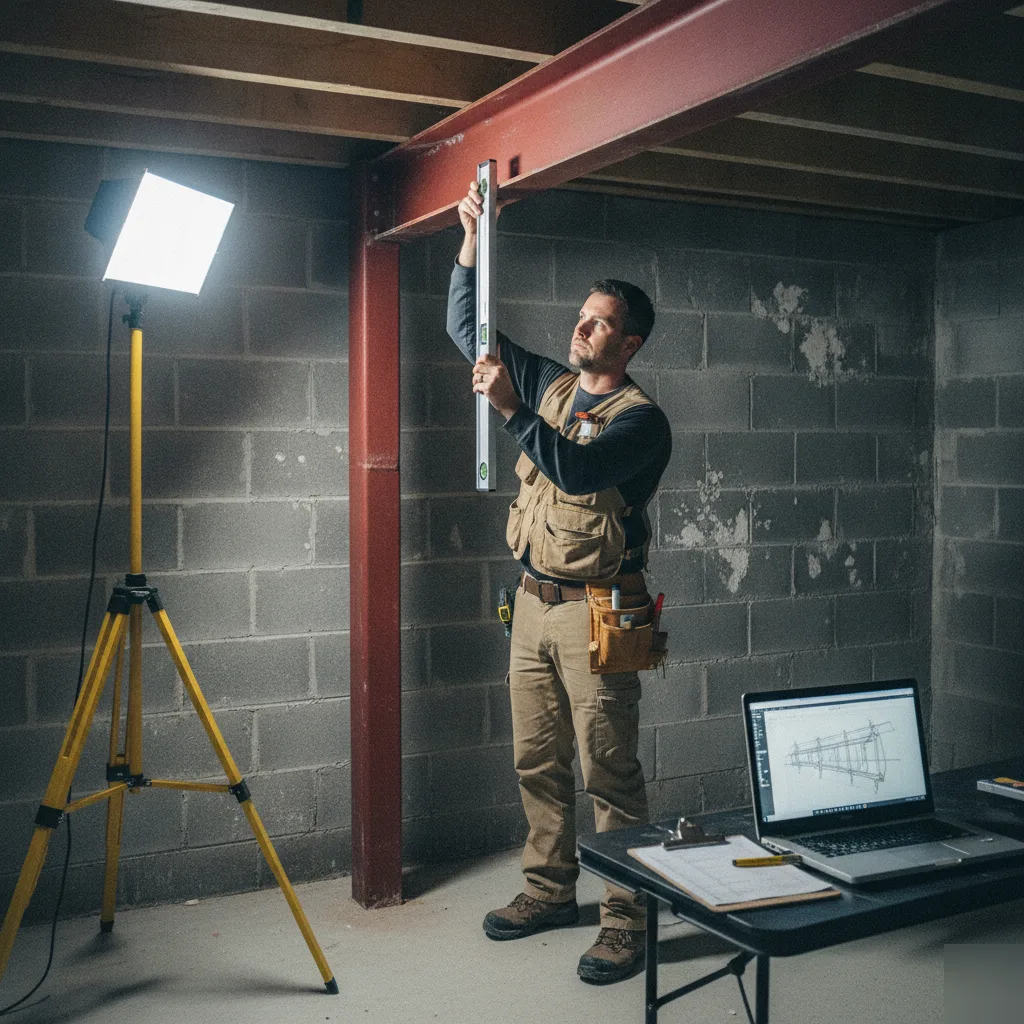
Hi-Pointe homes from the early-to-mid 1900s often show age. Things like brick foundations, masonry walls, and old wood joists can settle, crack, or sag. A licensed Professional Engineer can check these issues. We also help plan safe renovations, like figuring out load paths for open-concept remodels.
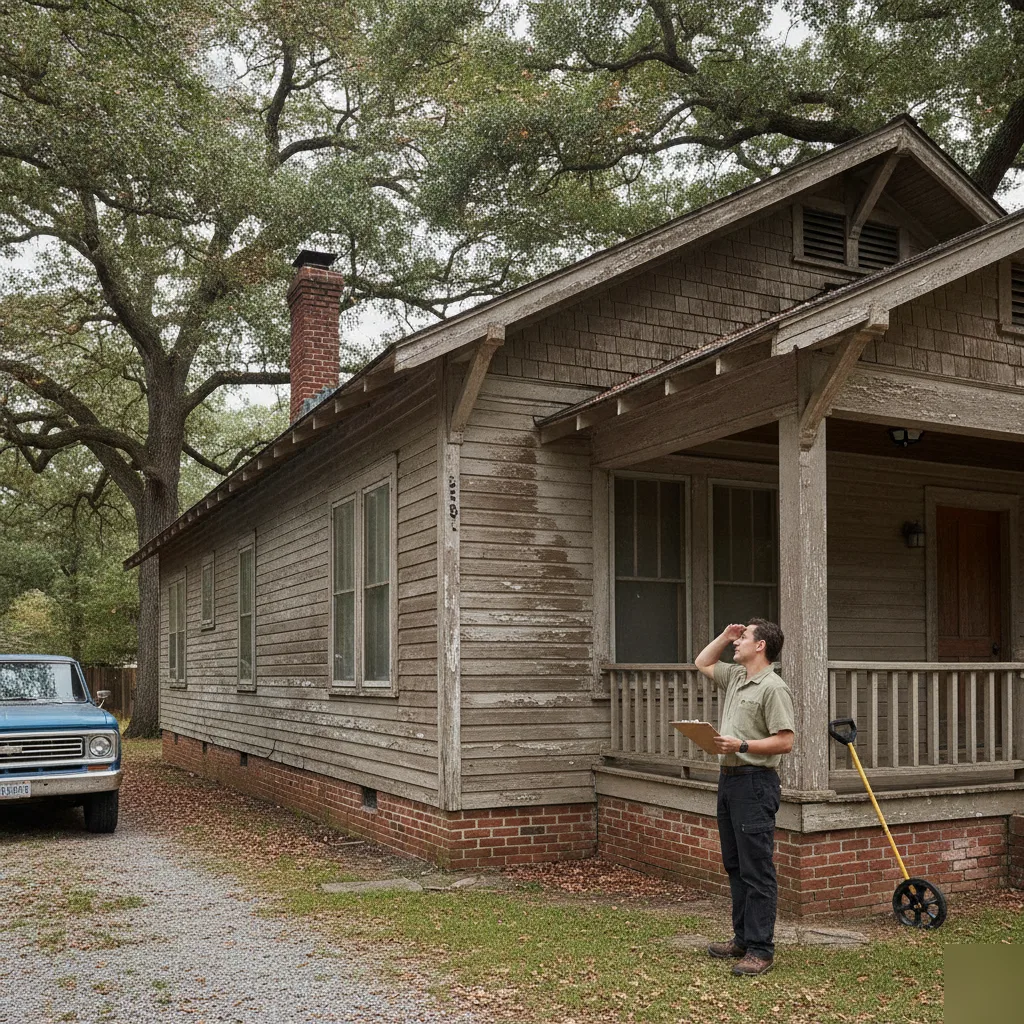
The Hi-Pointe area, right by Clayton, has so many charming single-family homes. Most were built between 1900 and 1950. They often feature brick foundations, strong masonry walls, and the original wood-framed floor systems. These houses were built tough. But over many decades, soil shifts, moisture seeps in, and materials just get tired. Many homes around here show signs of age-related structural wear, it's something we see a lot. Homeowners often notice these issues slowly, sometimes only when a remodel starts to expose deeper problems. You'll notice it. It's subtle at first.
- Foundation settling along original brick or stone footings, often uneven
- Cracked masonry in exterior walls, chimneys, or foundation piers from years of freeze-thaw cycles
- Floor sag or bounce due to undersized or worn-out original joists
- Bowing or leaning basement walls because of soil pressure and old mortar joints
- Door and window frames that aren't square anymore from gradual foundation movement
We handle a lot of diagnostic and renovation projects for homes near Hi-Pointe. This area's housing stock keeps us busy. Our common work includes full foundation evaluations. We figure out if settling is still happening or if it's old damage. We do load-bearing wall assessments before any demolition. And we offer detailed renovation support for people updating kitchens, additions, or basements in these century-old structures. Honestly, these homes rarely came with modern engineering plans. An on-site evaluation is usually the only real way to know what's holding your house up.
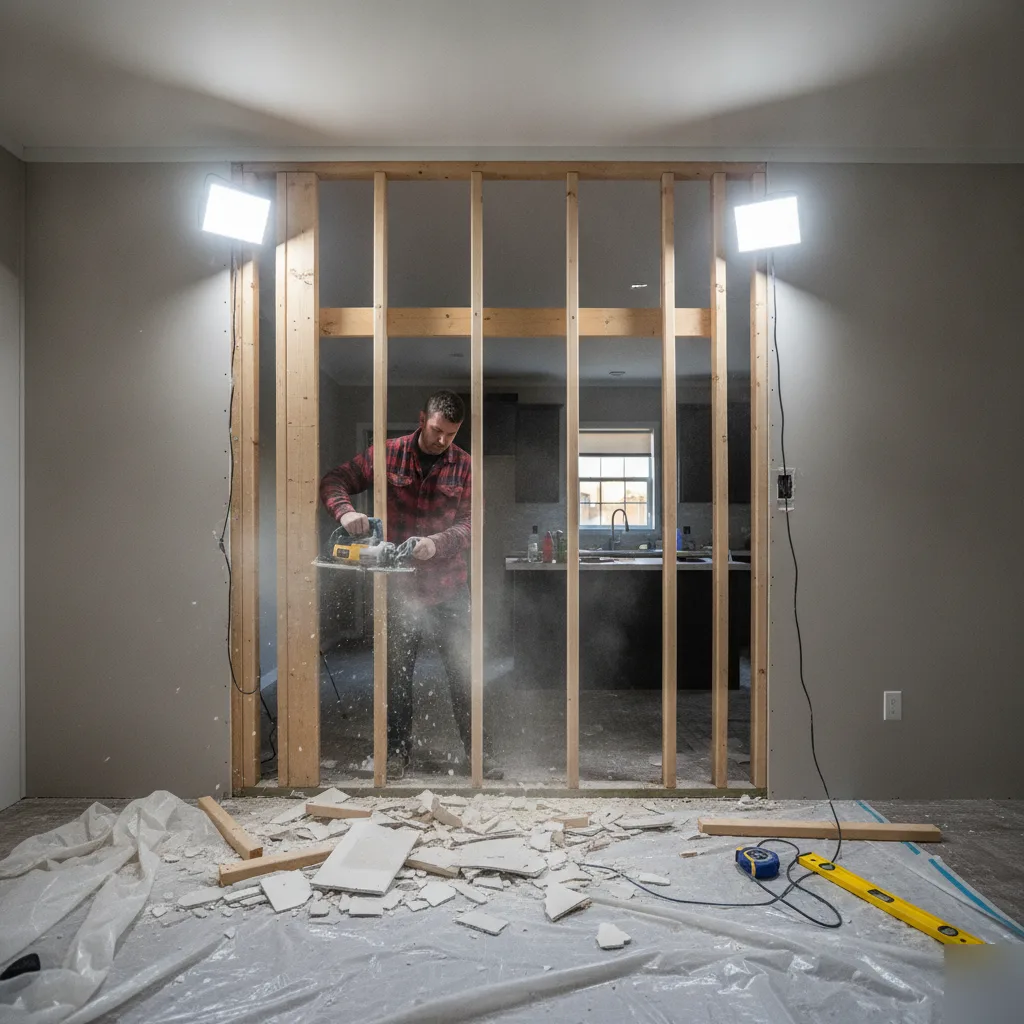
A common request we get near Hi-Pointe is for open-concept remodels. Homeowners want to take out a wall between the kitchen and dining room. In most older homes, that wall carries heavy floor or roof loads. The original plans never showed these details. A licensed Professional Engineer performs a load path review. We trace how weight moves from the roof, through the walls, and into the foundation. This tells us if a load-bearing wall can be removed safely. We also calculate the right beam sizing and support column needed. This step keeps ceilings from sagging and prevents cracked drywall. It's also typically a requirement before the City of Clayton issues a permit for your project.
How Our Team Reaches the Hi-Pointe Area
Our office is at 222 S Meramec Ave, Suite 202. We're right in Clayton. That puts us just minutes from Hi-Pointe. A straight shot. Our engineers usually head south out of Clayton onto Big Bend Boulevard. Then it's southeast through the Clayton-Skinker corridor. We get to Hi-Pointe, which sits along the border of Clayton and St. Louis City. It's right near Clayton Road and McCausland Avenue. Depending on the exact address, some trips might go on Wydown Boulevard or Forsyth Boulevard first. They still connect to Big Bend, though. The drive is consistent.
In light traffic, the drive takes about eight to fifteen minutes. Hi-Pointe is one of our most convenient service areas. Our Clayton team gets there fast. Because it's so close, we can schedule same-week site visits easily. We even take last-minute requests. That's good when a homeowner finds a new crack or a sagging floor.
Rush hour does change things. From 7:00 to 9:00 a.m., and again from 4:00 to 6:00 p.m., traffic on Big Bend and Clayton Road can add five to ten minutes. Commuters use these roads to go downtown or out to the county. Our team plans for this. We build in extra time for appointments. Inspections start on time, even when roads are busy.
Once we get to Hi-Pointe, knowing the area helps a lot. It has narrow residential streets. Old trees shade sidewalks and driveways. Homes are often close together on small lots. Parking can be tight. Many driveways were built for much smaller cars years ago. So, our engineers plan parking ahead. We'll ask homeowners where to park so we don't block anyone.
- Direct route from Clayton via Big Bend Boulevard keeps travel time short
- Typical drive is about eight to fifteen minutes outside of rush hour
- Rush hour on Clayton Road and Big Bend can add five to ten extra minutes
- Our crew knows Hi-Pointe's narrow streets and limited driveway space
- Proximity lets us schedule same-day or next-day inspections
What Makes Homes Near Hi-Pointe Different
Go down any street near Hi-Pointe. You'll see the brick. Thick-walled, solid brick homes from the 1920s and 1930s. They have real plaster walls and foundations that have already seen a century of Missouri's crazy freeze-thaw cycles. That age adds character. And it brings the exact structural questions we deal with every week in this part of Clayton and surrounding St. Louis County communities. Like, the constant changes in temperature are really tough on masonry.
Many of these homes were built before “open-concept living” was even a thing. So, when someone wants to take down the wall between a tight kitchen and a formal dining room, that wall is almost always a load-bearing wall. We've done load-bearing wall removal on plenty of Hi-Pointe area brick homes. The structural engineering isn't guesswork. It's precise beam sizing and header calculations. These are based on the actual span and the loads above it. We get it right.
Foundations are the other big conversation here. Homes from this era usually sit on stone or older poured concrete footings. They don't have the engineered slabs you'd see in new construction. Over decades, those foundations move. Some settling is normal. Other settling is a problem. That distinction really matters before closing on a house.
- Original brick construction with plaster interior walls, common in Hi-Pointe
- Stone or early poured concrete foundations, now 80-100 years old
- Small original footprints with additions bolted on over the decades
- Detached garages and outbuildings that are older than current setback rules
- Narrow lots that make home addition planning tight against zoning lines
We get calls often for pre-purchase structural inspections on these 1930s and 1940s homes. Buyers want to know if a foundation crack is just cosmetic. Or if it's a symptom of something bigger. They want to know before they sign. We do foundation inspections year-round. These older stone and concrete systems don't behave like modern slabs do. And they sure don't look like them either.
Home additions near Hi-Pointe come with another layer of complexity. These are established blocks. Setbacks are tight. Clayton's permitting process has no room for guessing on the permit-ready stamped drawings. Scott's direct experience in St. Louis County plan review means your permit drawings are built around exactly what the examiner needs to see. This keeps your renovation timeline from stalling at the review counter. You avoid needless delays.
This work is not generic. A brick two-story near Hi-Pointe with a stone foundation needs a different structural conversation than a newer build in a subdivision. We're out here regularly, looking at these exact wall assemblies and foundation types. We aren't guessing from a spec sheet, we see these houses daily.
Frequently Asked Questions
How fast can you get to a home near Hi-Pointe in Clayton for a structural inspection?
We typically reach Hi-Pointe in about eight to fifteen minutes from our Clayton office on Big Bend Boulevard. During rush hour, from 7 to 9 a.m. or 4 to 6 p.m., add five to ten more minutes. Because we're this close, we often schedule same-week or even same-day visits.
My Hi-Pointe home was built in the 1920s. What structural issues should I expect?
Homes near Hi-Pointe built between 1900 and 1950 often show foundation settling, cracked masonry, and sagging floors from old wood joists. Freeze-thaw cycles wear down brick and stone footings over time. An on-site evaluation shows whether the movement is old damage or still happening.
Where should your team park when visiting my house near Hi-Pointe?
We always ask homeowners ahead of time where to park, since Hi-Pointe's streets are narrow and driveways are often small. Many lots near Hi-Pointe were built for smaller cars decades ago. Planning parking early keeps the visit smooth and avoids blocking your driveway or neighbors.