What Are the Most Common Structural Problems Found in Older Chesterfield Homes?
Why Structural Wear Shows Up in Older Homes
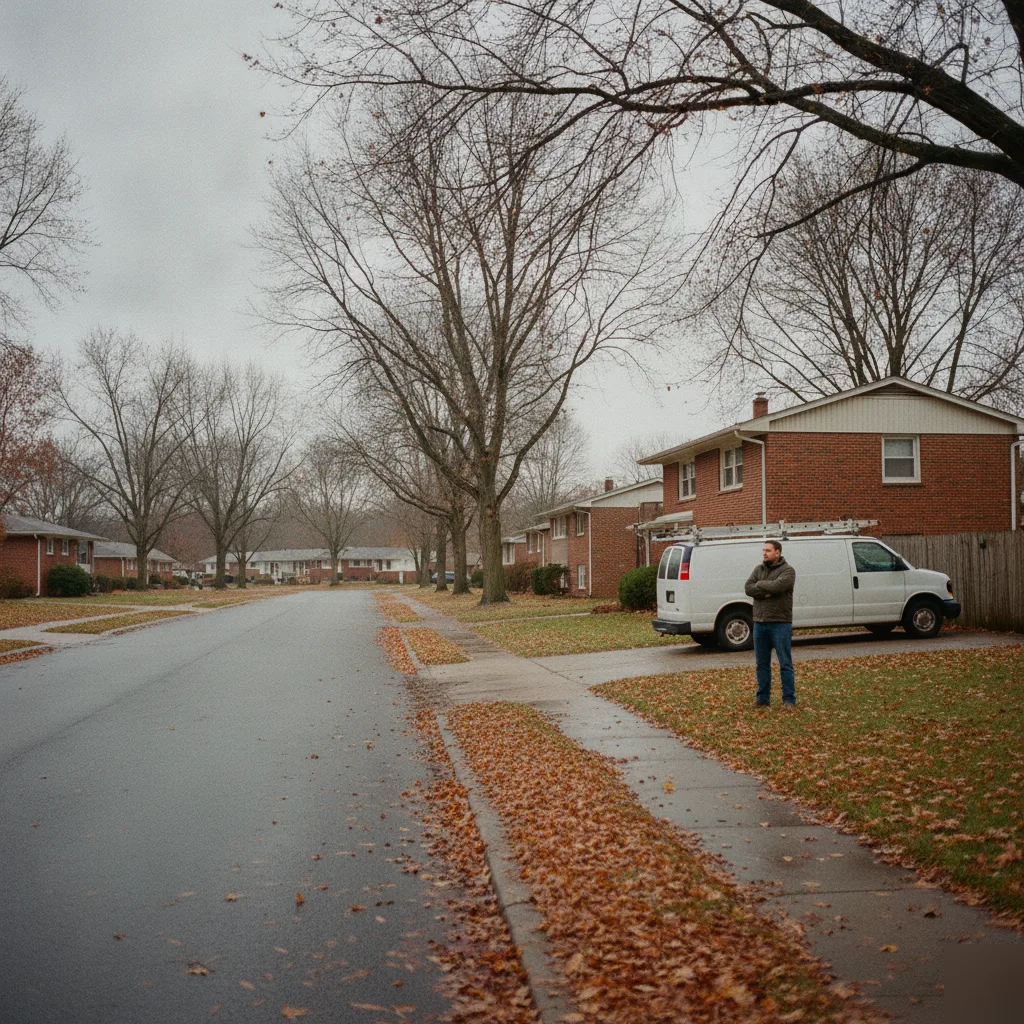
Most Chesterfield homes went up from the 1950s to the 1980s. Your home's framing, foundation, and floor systems have been working hard for 40 to 70 years. Wood dries out. Concrete settles. The soil shifts.
This isn't surprising.
Here's what homeowners often miss. Structural problems in older Chesterfield homes rarely appear as a sudden failure. They accumulate. Small, slow changes build. A little crack. A slight slope. A door that sticks. You might not notice for years. A pre-purchase inspection in Chesterfield can catch these issues early.
The real problem usually started long ago, you know?
The Soil Factor
Chesterfield has expansive clay soils. This impacts foundations. Clay expands with water. It shrinks when dry. This cycle pushes hard on foundation walls and footings. Builders decades ago might not have fully designed for this constant movement. The team sees this pattern constantly during foundation inspections here, especially near the Missouri River floodplain where soils are clay-heavy.
A home from 1965 didn't follow today's soil testing rules. So many older foundations were poured without the depth or reinforcement that current building codes demand. This is often where permits get held up for older homes.
Building Codes Were Different
Building codes from the 1960s and 1970s are very different from what's required now. Joist spans were sometimes longer than modern standards allow. Header beams over windows and doors were often undersized. And structural load paths weren't always designed with as much care, meaning the overall integrity could be compromised.
Not every old home is falling apart. Most stand strong. But the margin for error was narrower then. If your home had a load-bearing wall removed without structural engineering, that thin margin can vanish. Quickly. That wall is almost always load-bearing, by the way.
Moisture and Material Fatigue
Chesterfield's older homes face moisture problems from all sides. Groundwater soaks basement walls. Crawl spaces hold humidity. Roof leaks hide behind ceilings. This moisture breaks down structural wood over time, and metal fasteners rust.
The team often finds soft spots in floor joists from old plumbing leaks. Sometimes it's obvious. But often, it's hidden behind drywall, totally unseen. A quick look doesn't always tell you everything, does it?
- Expansive clay soils move foundations for decades.
- Older building codes permitted lighter framing, less reinforcement.
- Previous renovations might have messed with load paths, no engineer involved.
- Long-term moisture exposure ruins structural wood and connections.
- Settlement happens slowly. Early signs are hard to spot.
One factor alone isn't a crisis. But when a couple of these hit the same house, that's where real structural problems take root. And in a home standing for half a century, this overlap is very common.
Catching these issues early helps a lot. A proper structural damage inspection finds what's happening behind walls and under the slab. This happens before a small crack becomes a huge repair project. And the team uses lidar measuring devices on site visits, eliminating guesswork.
Foundation Cracks: When They're Normal and When They're Not
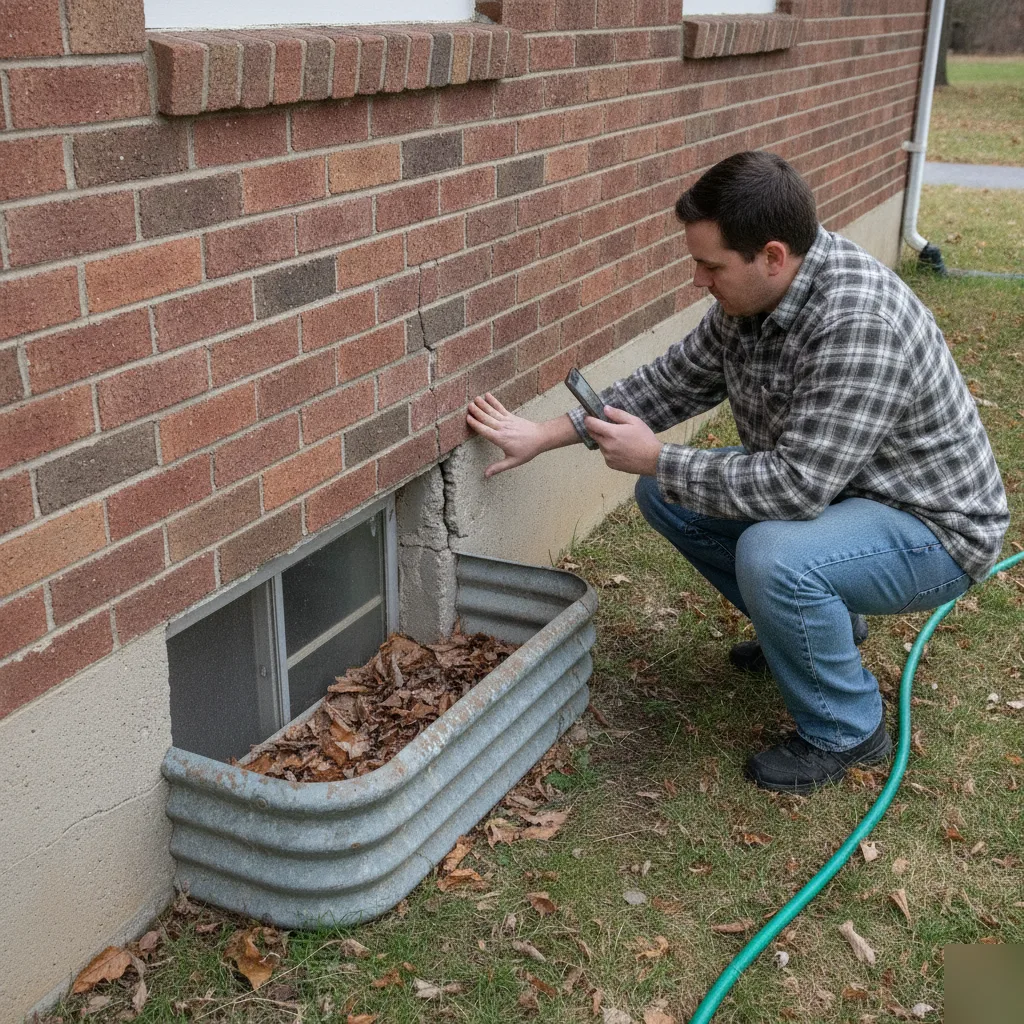
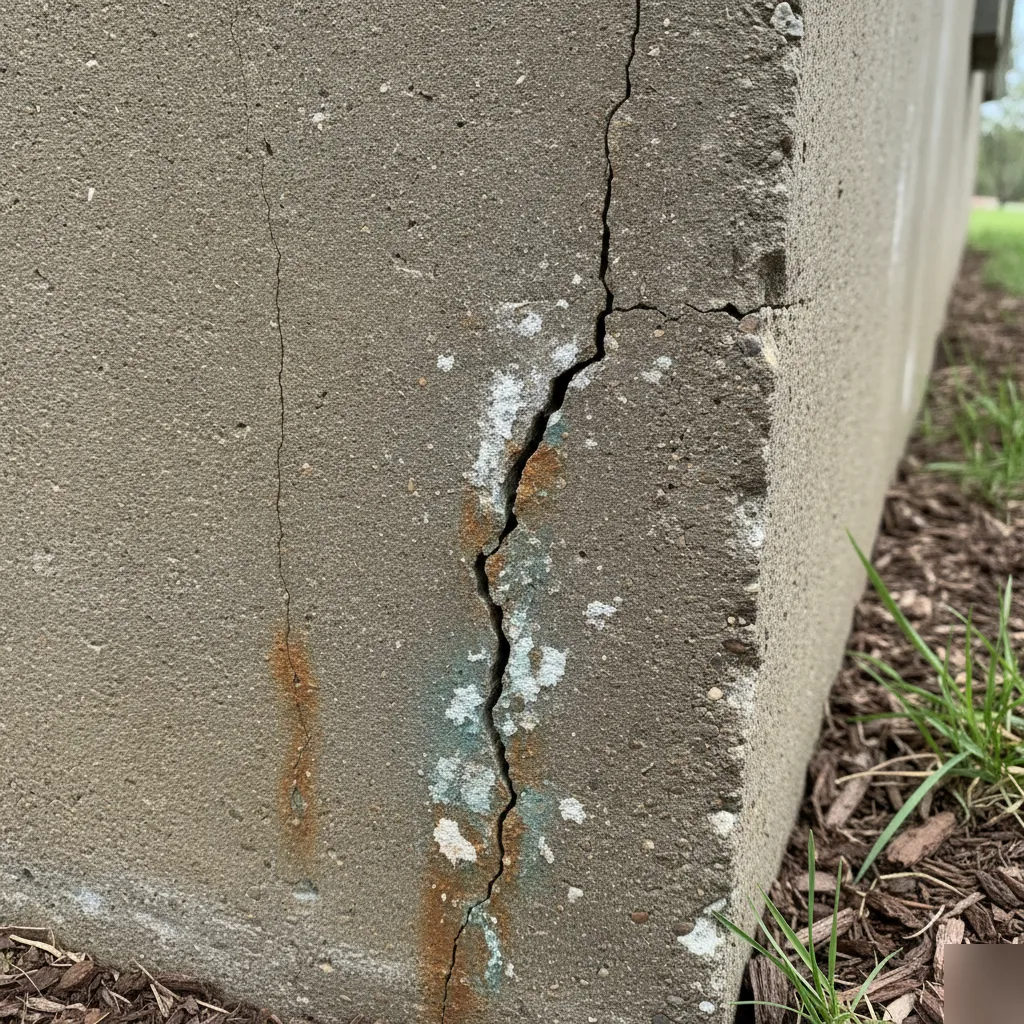
Not all foundation cracks spell trouble. This is crucial for Chesterfield homeowners to hear. Concrete shrinks when it cures, and hairline cracks appear in almost every new foundation within a few years. These are shrinkage cracks. They're usually thin, vertical, and won't get worse over time.
The important ones look different.
Horizontal cracks on a basement wall tell a very different story. They mean the soil outside is pushing inward against the wall. Chesterfield's clay-heavy soil expands with water, then shrinks when dry. This constant pressure cycle wears down older foundation walls. A horizontal crack wider than 1/8 inch usually means active movement, the kind that needs a professional engineer's attention before things worsen.
Cracks That Need a Closer Look
Here's how to tell what you're seeing:
- Vertical hairline cracks: cosmetic, from shrinkage. Watch them, but don't worry too much.
- Horizontal cracks in basement walls: lateral soil pressure causes these. Ignore them, and the wall could fail.
- Stair-step cracks in block foundations: very common in older Chesterfield homes with concrete block. They follow mortar joints. This points to shifting or settlement, especially along the city's older subdivisions built in the 70s.
- Diagonal cracks near corners: often from differential settlement. One part of the foundation sinks more.
- Cracks that are wider at the top than the bottom: the wall is rotating or tilting inward.
The team finds stair-step cracking in block foundations more than almost anything else locally. Homes built from the 1960s to 1970s near Chesterfield Valley show this pattern. The initial mortar simply wasn't made to handle Missouri's wet-dry soil cycles for decades. This is where most permits get held up.
What to Do Before You Seal Anything
Many homeowners just grab hydraulic cement or epoxy. They fill the crack themselves. That's fine for surface fixes on a shrinkage crack. But sealing a structural crack without knowing its cause is like taping over a warning light on your dashboard. The crack isn't the core issue. It's the movement behind it.
Buying an older Chesterfield home? A foundation crack inspection before closing can prevent you from inheriting big structural problems. The team walks all walls, inside and out. They check crack width and direction. They document if movement is old or active. That sealed report gives you facts before you buy, it protects your investment.
Here's a common scenario: a homeowner sees an old crack. But the door right above it just started sticking. That means the crack is still active. The foundation keeps moving. And the longer it goes, the more expensive the repair bill. It can snowball.
So if you see a crack and aren't sure? Measure it. Put a pencil mark at each end. Check it again in three months. If it's bigger, call a professional engineer. Don't wait until floors slope or drywall splits-those are major signs of a larger foundation problem. And building codes will require a PE to sign off anyway.
Basement and Crawlspace Signs Worth a Second Look
Most homeowners here in Chesterfield don't think much of basement wall cracks. They figure it's normal. And sometimes it is. But for older homes, especially on those clay soils near the Chesterfield Valley and surrounding subdivisions, those cracks tell you what your foundation is doing right now.
Horizontal cracks on basement walls are the biggest deal. A horizontal crack means soil pressure is pushing inward on that wall. This is different from a thin, vertical shrinkage crack. See a horizontal crack wider than a quarter inch? That wall is under real stress. The team sees this often in Chesterfield homes built before the 1980s. Their basement walls were often poured thinner than current building code requires.
What to Look for Below Grade
Not every mark means your home is collapsing. But common patterns in older Chesterfield basements need a second look:
- Stair-step cracks in block walls, often near corners or window openings.
- White mineral deposits (efflorescence) on mortar joints. This means water consistently moves through the wall.
- Bowing or leaning walls. Even a lean under an inch matters, really.
- Floors that feel uneven or slope down toward one side of the basement.
- Gaps where the basement wall meets the floor slab.
That gap between your slab and wall? That usually surprises people. It means the footing moved or the wall rotated. Caulk won't solve it-that's a structural issue.
Crawlspaces Hide Problems Longer
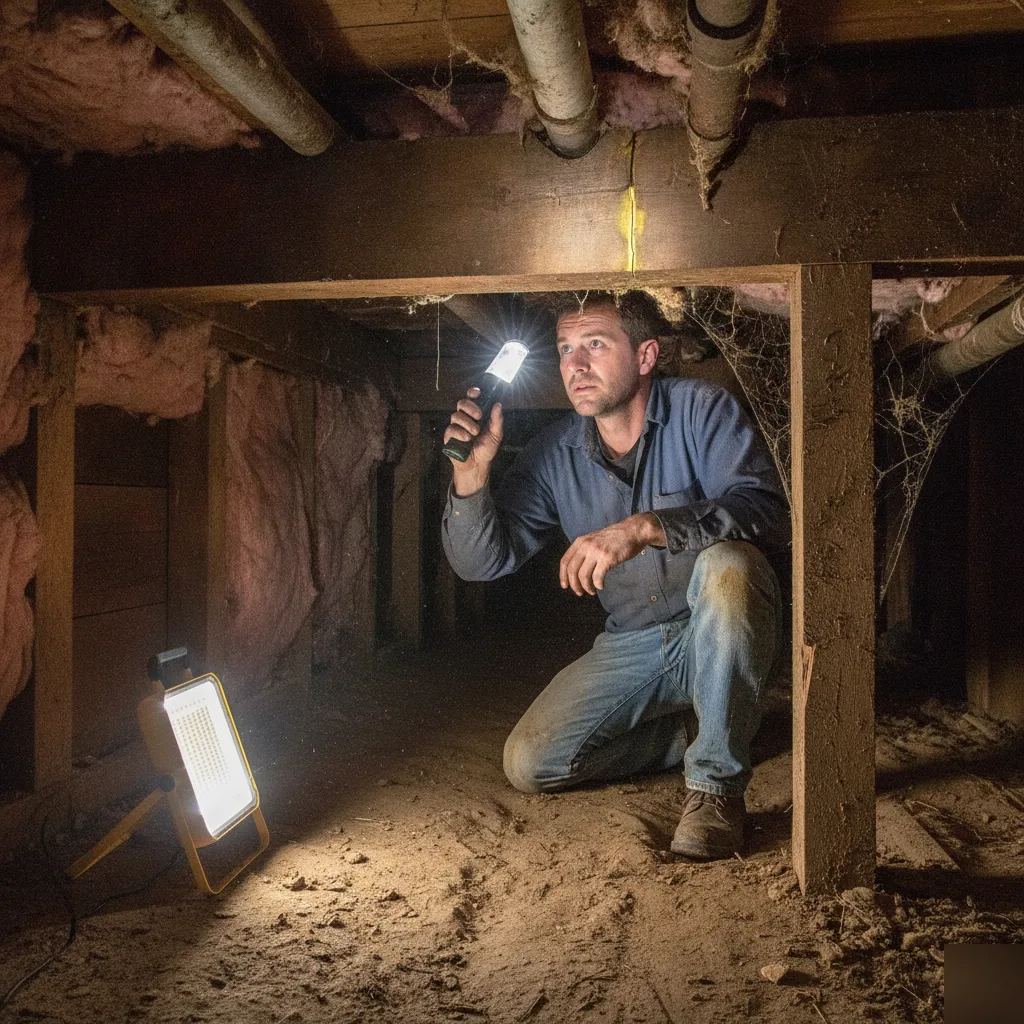
Crawlspaces are often worse than basements. Simple fact: no one goes in them. The team has inspected Chesterfield crawlspaces where floor joists rotted for 10 years. No one noticed until floors upstairs felt bouncy. Moisture damage, wood rot, and pest damage all worsen fast in dark, damp spaces, a common issue in our humid Missouri climate.
A common scenario: your hardwood floors sag in the middle. You call a flooring contractor. They say you need a new subfloor. But the true issue is below: the crawlspace support beam has lost its bearing. The pier footing settled into soft soil. Replacing the floor without fixing the structure just means you'll be replacing it again in five years. And that's a waste of money.
Older Chesterfield homes sometimes have stacked concrete blocks for crawlspace piers. No mortar. That was common practice decades ago. It doesn't meet current building code, and those stacks move over time. If your crawlspace has this setup, a foundation crack inspection or basement structural inspection will tell you exactly what's wrong and how to fix it, getting your permit approval right the first time.
And one last point. Water intrusion in basements and crawlspaces isn't just a surface issue. Persistent moisture weakens concrete over time. It corrodes any embedded steel reinforcement. It creates conditions for mold growth that can affect your whole house. If you're seeing standing water or damp soil under your home after rain, that's not a drainage issue you can ignore, especially with Chesterfield's expansive soils.
Before you finish that basement, or put your home on the market, get someone to look underneath first. What's hidden is usually the most important part-the structure.
Frequently Asked Questions
How do I know if a foundation crack is serious or just cosmetic?
You can tell by looking at the shape and width of the crack. Thin, vertical hairline cracks are usually just shrinkage and are not serious. Horizontal cracks, stair-step cracks in block walls, or cracks wider than 1/8 inch often mean the soil is pushing against your foundation. If a door above the crack starts sticking, the movement is still active. When you're not sure, a structural damage inspection can measure the crack and tell you if it's growing.
When should I call a structural professional instead of just watching a crack?
Call a professional as soon as you see horizontal cracks, stair-step patterns, or any crack that's changing over time. Watching alone won't tell you what's happening behind the wall or under your slab. Small changes today can turn into bigger, more expensive damage later. A trained eye can spot the difference between normal aging and active soil movement before it becomes a real problem in your home.
Why do older Chesterfield homes have more structural issues than newer ones?
Older Chesterfield homes were built under weaker codes and sit on clay-heavy soil that expands and shrinks with moisture. Homes from the 1960s and 1970s often have thinner foundation footings, lighter framing, and less reinforcement than today's standards require. Add decades of wet-dry soil cycles near the Missouri River floodplain, and small weaknesses grow over time. This combination is why stair-step cracking and settlement show up so often in older subdivisions here.
Is it a mistake to seal a foundation crack without knowing the cause?
Yes, sealing a crack without knowing why it formed can hide a bigger problem. Filling a shrinkage crack is fine, but sealing a crack caused by soil pressure just covers up the warning sign. The movement behind the wall keeps happening even after the surface looks fixed. A proper inspection finds the real cause first, so you're not just hiding a problem that will keep getting worse.
Can a load-bearing wall removed years ago cause structural problems now?
Yes, removing a load-bearing wall without an engineer's plan can weaken your home's structure for years before it shows. Older homes have a narrower margin for error, so a missing support beam can lead to sagging floors, new cracks, or sticking doors over time. If your home had renovations done without a permit or engineering review, it's worth having someone check the load paths behind the walls.
What's the best way to check an older home's foundation before buying it in Chesterfield?
The best way is to have someone walk every foundation wall, inside and out, and document crack width, direction, and whether movement looks old or active. This gives you real facts instead of guesses before you close on the home. A foundation crack inspection can catch hidden issues from decades of clay soil movement, so you know what you're buying into and can protect your investment from the start.