What Causes Cracks to Appear in Clayton Homes After a Wet Spring?
Wet Springs Put Unusual Stress on Home Foundations
Clayton's soil, it's mostly clay. This is where issues start. A wet spring means that soil soaks up water, like a sponge. It swells big. And as it expands, it shoves hard against your foundation walls and footings.
We call it hydrostatic pressure. Water fills the ground around your house. This puts side pressure on basement walls. It also pushes up under floor slabs. The American Society of Civil Engineers states that expansive soils do more damage to structures yearly than floods, hurricanes, and even earthquakes.
A wet spring is different from regular rain. It's not just a single storm. We're talking weeks of steady wetness. The soil stays soaked. It never gets a chance to dry, to shrink back to normal. That constant swelling creates uneven pressure on your foundation, you see it all over Clayton.
Why Clayton Foundations Are Especially Vulnerable
Many Clayton homes went up in the 1930s and 40s. Their foundations are often stone, old poured concrete, or block without rebar. These materials just don't bend with moving soil. Modern reinforced foundations handle it better. So, when the ground pushes, something in those older structures has to move. It's usually the wall or the slab.
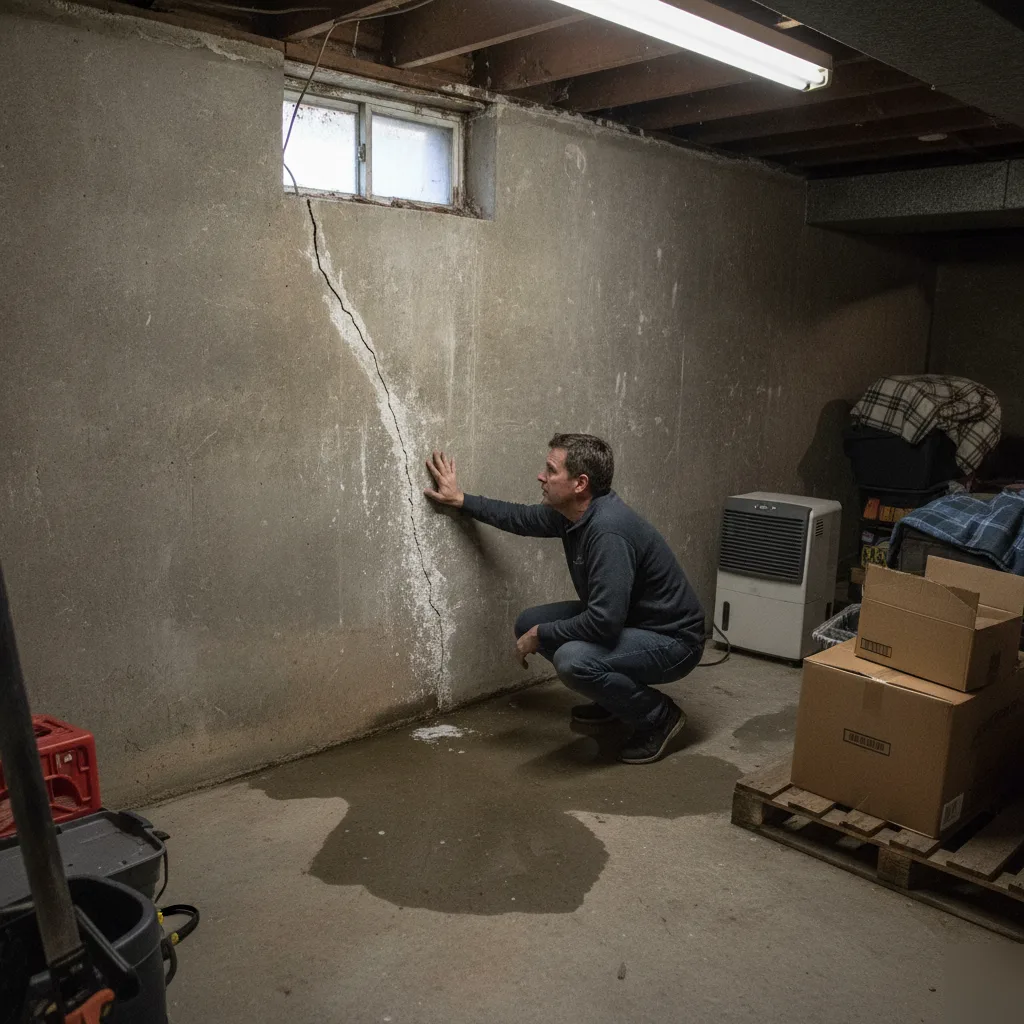
We see this same story every spring. It plays out across Clayton, Richmond Heights, and Brentwood. A homeowner spots a fresh basement crack. Maybe a door suddenly sticks. A window frame might show a gap. They figure the house is just "settling," but settling moves slowly. This is active soil pressure from the long wet spell.
- Horizontal cracks show up on basement walls, often in mortar joints.
- Stair-step cracks on brick or stone foundation walls, especially near corners.
- Vertical cracks by windows, or where a new addition meets the old house.
- Floor slab cracks in basements can seem to pop up overnight.
Not every crack spells doom for your foundation. But each one tells a story. It's about how your home handles the soil moving under it. A simple hairline versus a real structural crack, the difference isn't always clear without a trained eye.
The Dry Cycle Makes It Worse
Most people miss this part. The bad news from a wet spring often deepens in the dry months after. Summer heat kicks in. That swollen clay soil shrinks back. It pulls right away from your foundation. Voids form underground. Your foundation loses its base, it can shift into those empty spots, that's when real problems start.
The wet-dry cycle, that's the true culprit. A single wet spring might give you a tiny crack. But two or three cycles later? That small crack can become a big structural headache. It will hit your walls, floors, and the framing above.
We got a call last year from a homeowner near Wydown Boulevard. They had a horizontal crack in their 1940s basement wall. It followed a really rainy April. The crack was old, yes, but it widened fast over that one season. A foundation crack inspection confirmed the wall bowed inward by more than half an inch. That kind of movement? It needs a licensed P.E. looking at it. Quick.
See new cracks after this spring? Don't just ignore them. And don't think they'll fix themselves. Knowing what's going on under your home is step one. It's how you protect your investment.
Clayton's Clay Soil Expands and Contracts With Every Rain Cycle
The ground beneath your Clayton house? It's not sitting still. It really isn't. It shifts with every storm. Every dry spell. Every wet spring that soaks St. Louis County. And that movement is the top reason cracks pop up. They appear in your walls, your foundation, your brick veneer, after the ground finally dries.
Here's the deal. Clayton has heavy clay soil. Clay acts differently than sand. When it gets wet, it swells. The USDA says a lot of St. Louis County soil is expansive clay. It can grow by over 10 percent when saturated. That's real pressure on your foundation walls.
The rain stops. Sun comes out. The clay dries, it shrinks. It pulls from your foundation. Gaps show up. Your home's weight stays the same. But its support just shifted. Cracks form.
It happens every year.
What the Wet-Dry Cycle Actually Does to a Foundation
Imagine bending a paper clip. Back and forth. One bend won't break it. But keep bending. The metal weakens. Then it snaps. Your foundation feels that same stress. Each wet spring. Each dry summer. They add up. Over years, you see it. Cracks in concrete, mortar joints, drywall.
We see this over and over in older Clayton homes. Someone spots a hairline crack after a wet spring. They let it go. Next year, it's a quarter inch wider. That crack didn't just appear overnight. The soil has been at it, working on that foundation for seasons.
Signs of soil movement include:
- Stair-step cracks in your outside brick, particularly near corners.
- Horizontal cracks on basement walls, that's where soil pressure hits hardest.
- Doors and windows that suddenly stick, or refuse to latch, after a big rain.
- Diagonal cracks spreading from window and door frames inside.
Many people don't link these things together. An upstairs door that sticks, a basement wall crack, they seem separate. But often, it's the same problem showing up twice.
Why Clayton Homes Are Especially Vulnerable
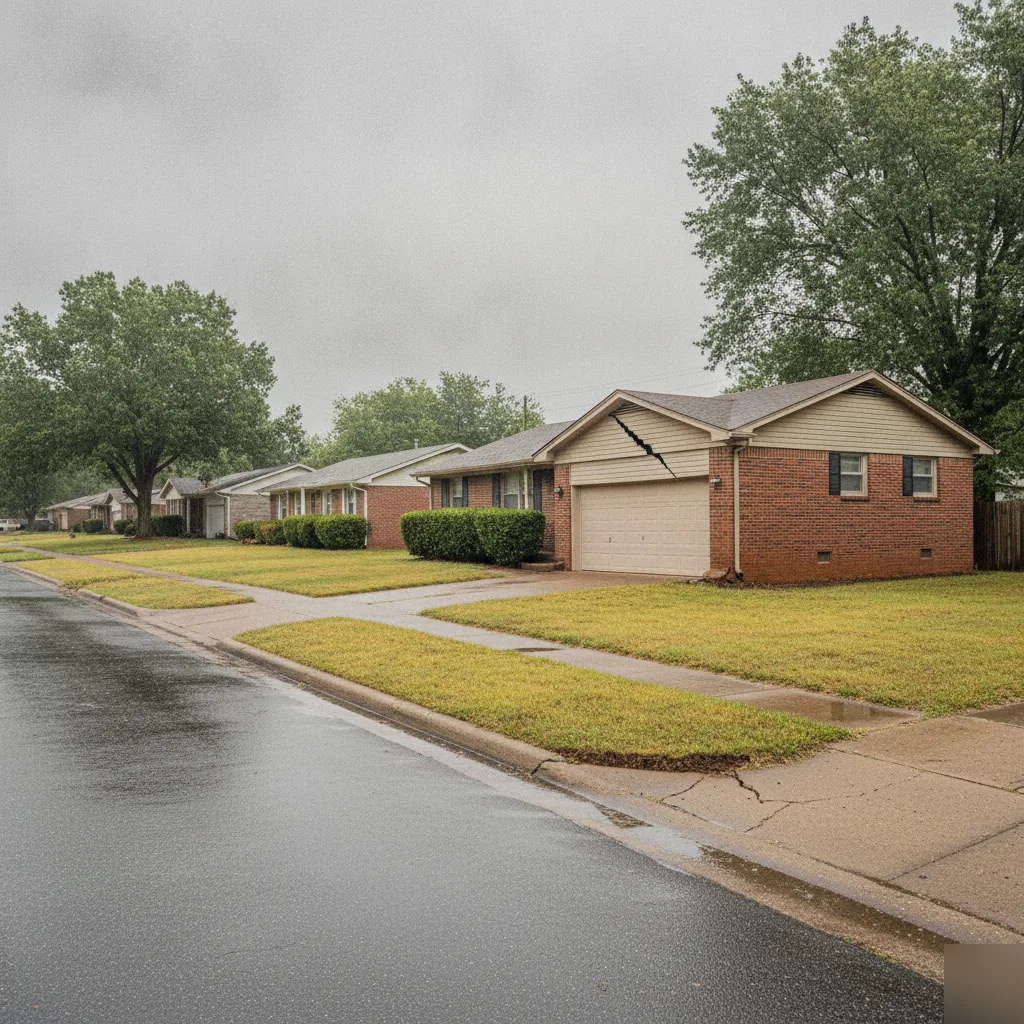
Clayton homes often go back to the 1920s to 1950s. Those older foundations use stone, concrete without rebar, or early poured concrete. They weren't made for today's soil pressures. expansive clay much better now. Modern foundation design builds for it. Old houses often miss that protection.
A house near Wydown or in the DeMun area, it might have a stone foundation. It could have lasted 80 years. But one really wet spring can push soil pressure too far. That old mortar just can't take it. We've seen homes in these neighborhoods. Inside the basement, everything looks fine. The outside brick, though, tells a whole other story.
And here's a twist. Damage from a wet spring often hides for weeks. It won't show until the soil dries and shrinks. You might think your house handled the rain fine. Then June hits. New cracks appear. The timing throws people off. But it's totally logical from an engineering view.
Noticed new cracks after all that rain? A foundation crack inspection tells you if it's cosmetic or truly structural. That difference matters. Some cracks just need watching. Other cracks need immediate engineering attention. Before they get worse. Scott's direct experience in St. Louis County plan review means your permit-ready structural drawings are built around exactly what the examiner needs to see. The ground under your home won't ever stop moving. But knowing why gives you a real edge. You can protect your place.
Crack Patterns Tell You How Serious the Problem Is
All cracks aren't equal. Some are just surface stuff. Others scream "real structural movement." The shape of a crack. Its direction. Where it sits. These tell a trained eye what's going on under your Clayton home.
During a foundation crack inspection, we look for these things.
Hairline Cracks vs. Structural Cracks
Hairline cracks? In drywall or plaster? Those are typical after a wet spring. They're usually tiny, less than a sixteenth of an inch. Mostly, they come from small shifts or just moisture changes in the walls. They might look scary, but they rarely mean your foundation is falling apart.
Structural cracks are another thing entirely. They're wider. They grow. And they form patterns. These patterns point to specific foundation stresses. If a crack hits over a quarter inch wide, it needs a professional look. That's past cosmetic.
What Direction Tells You
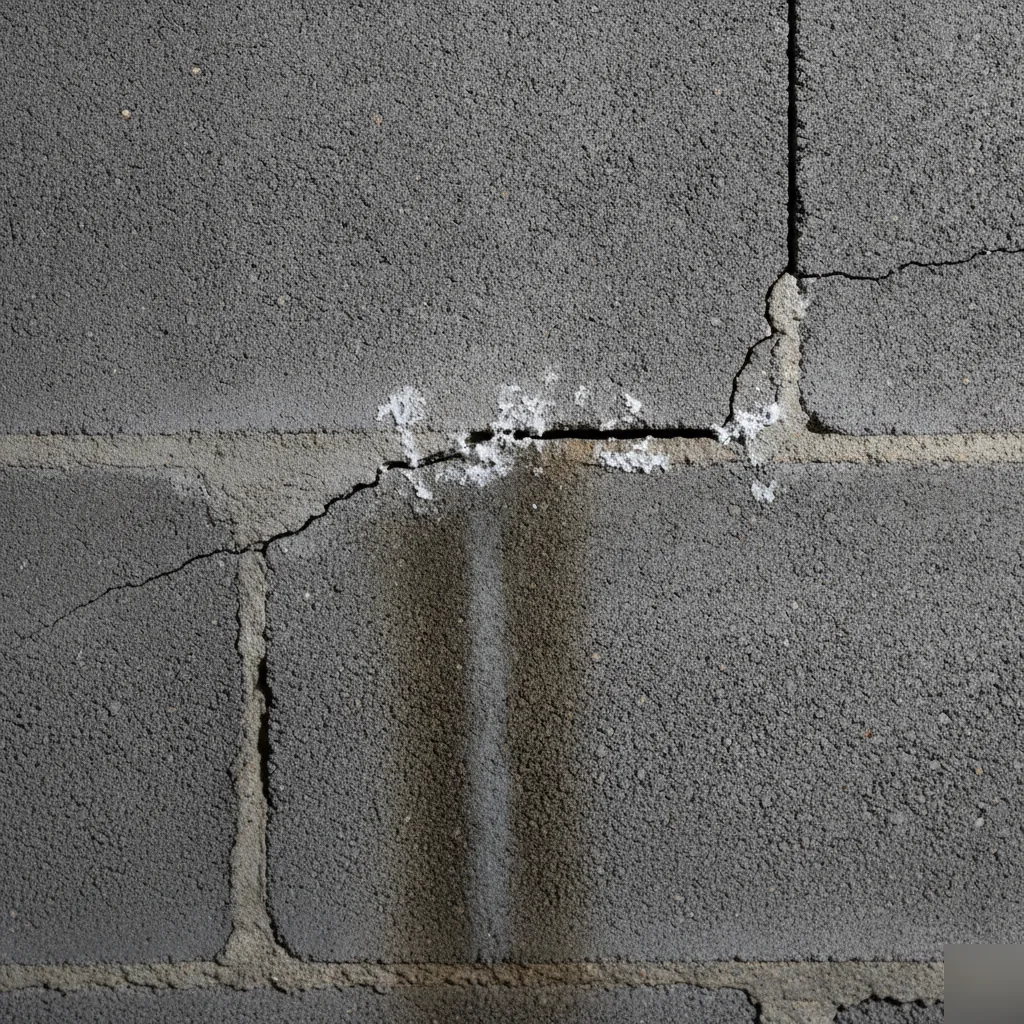
Vertical cracks in poured concrete? Often, that's just shrinkage from curing. They can get wider if hydrostatic pressure shoves water against the wall. But those are usually the least worrying kind. Diagonal cracks, the ones at 45 degrees from window or door corners, these mean differential settlement. One part of your foundation moves. Another sits still. We see this a lot in Clayton homes from the 1930s and 40s. Their old concrete or stone foundations are on clay. That soil swells unevenly after big rains.
Horizontal cracks, though? Those demand attention right now.
A horizontal crack on a basement wall means side soil pressure is shoving inward. Saturated clay swells with real power. The American Society of Civil Engineers even says expansive soils cause more yearly property damage than floods, hurricanes, and earthquakes put together. That pressure does more than crack walls. It can actually bow them.
Stair-Step Cracks in Brick
Lots of Clayton homes have brick outside. Stair-step cracks in the mortar joints? That's a classic sign. It means foundation movement. The crack just follows the mortar. It doesn't break the brick.
We often spot stair-step cracks near home additions or bump-outs. That's where an old foundation meets a new one. Different foundation depths. Different soil conditions. These create uneven movement. The wet spring just speeds it up.
Location Matters Too
Cracks near load-bearing walls need a closer look. If a crack goes from a basement wall, right up through the first floor, near a bearing point, that's a big deal. It could mean the foundation isn't holding that wall up right. Cracks above doors and windows often show the header or lintel is bending. The structure above shifted.
These crack warning signs mean it's time to call for a foundation crack inspection:
- Any crack wider than a quarter inch, or one that keeps growing over weeks.
- Horizontal cracks on basement walls, especially if they're bowing inward.
- Stair-step cracks on outside brick that simply weren't there before spring.
- Cracks that come with sticky doors, sloped floors, or gaps in your trim.
- New cracks popping up near an old repair or where an addition connects.
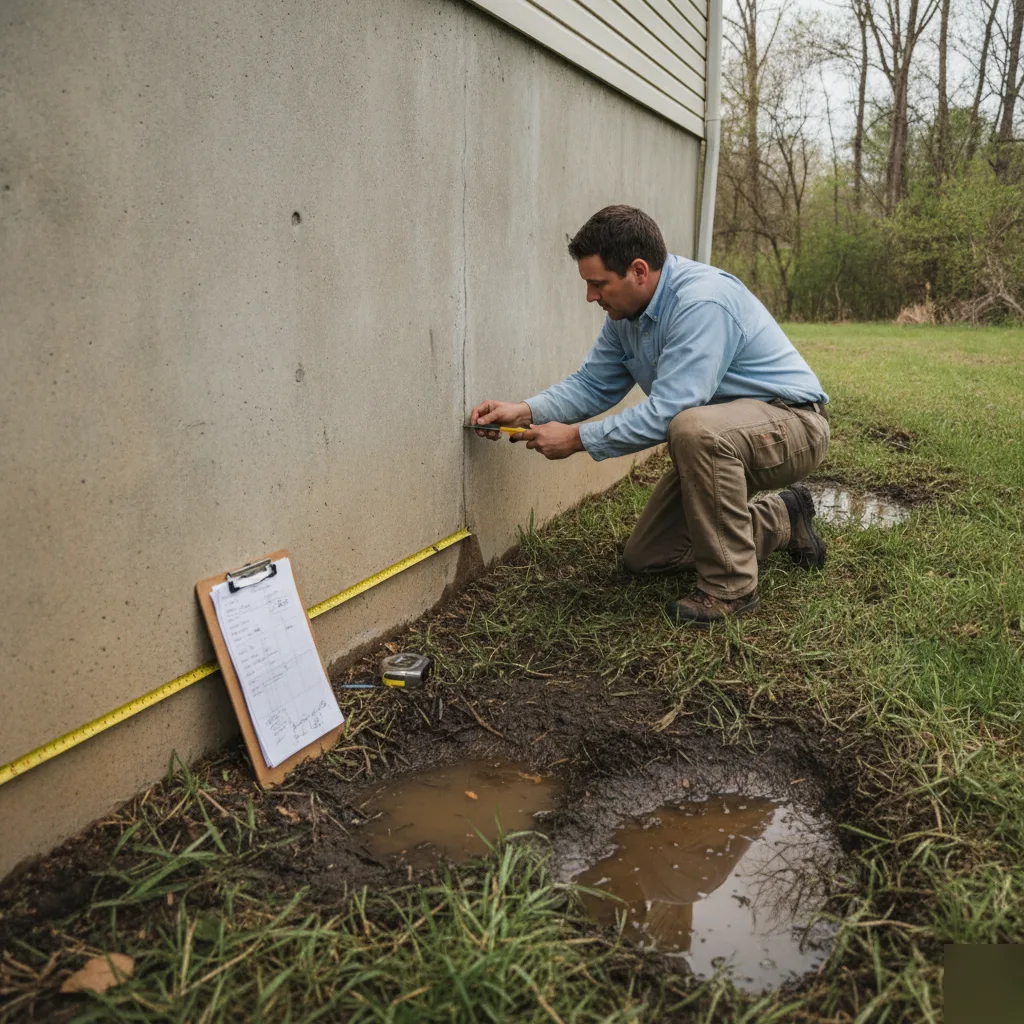
But this is what folks miss. One crack, all by itself, might be fine. The true diagnosis means seeing all the cracks as one system. Two tiny hairline cracks on different walls can tell a bigger tale than one wide crack alone. That's why taking photos. Measuring every crack. Doing that first really matters before you decide on any repairs.
If you see new cracks after this spring's rains, in Clayton, Richmond Heights, Brentwood, or other St. Louis County communities, don't play guessing games. A proper foundation crack inspection finds the pattern. It tells you if movement is active or old. And it gives you a clear way forward.
Frequently Asked Questions
Why do cracks show up in Clayton homes specifically after a wet spring and not just after any rainstorm?
A wet spring keeps the soil soaked for weeks, not just hours. That long stretch of moisture causes Clayton's heavy clay soil to swell and push hard against your foundation the whole time. A single rainstorm dries out fast. The ground never gets that same sustained pressure. Weeks of wet soil means weeks of force on your walls and slab. That's what breaks things down. One storm rarely does it. A whole wet season usually does.
What is the difference between a hairline crack and a structural crack in a basement wall?
A hairline crack is thin, usually less than 1/16 of an inch, and runs straight. It's often just surface shrinkage. A structural crack is wider, may run horizontally, or shows the wall bowing inward. Horizontal cracks are the most serious. They mean soil pressure is pushing your wall from the outside. Stair-step cracks in block or brick walls also signal real movement. If a crack is growing or your wall looks curved, stop waiting. That needs a licensed professional to look at it right away.
Does Clayton's clay soil really make foundation cracking worse than in other areas?
Yes, Clayton sits on expansive clay soil that swells when wet and shrinks when dry. The USDA identifies much of St. Louis County soil as expansive clay that can grow over 10 percent when saturated. That repeated swelling and shrinking puts constant stress on your foundation. Homes near Wydown Boulevard or the DeMun area often have older stone or unreinforced concrete foundations. Those materials weren't built to handle that kind of soil movement. That combination — old construction plus active clay soil — makes Clayton especially prone to post-spring cracking.
Is it a mistake to wait and see if a new crack stays the same size before calling anyone?
Waiting is one of the most common mistakes homeowners make. A crack that looks stable after one wet spring may grow fast after the next dry summer. The wet-dry cycle keeps working on your foundation even when you don't see it. Small cracks become wide cracks over two or three seasons. By then, the repair is much harder. If you spot a new crack after this spring, document it with a photo and date. Then get it looked at. Our foundation crack inspection page explains what a professional evaluation covers and when action is needed.
Why would a door suddenly stick or a window gap appear after a rainy spring if there's no visible crack?
Sticking doors and window gaps are often early signs of foundation movement. When soil shifts under your home, the frame above shifts too. Doors and windows are the first to show it because they need precise alignment to work right. You might not see a crack yet, but the framing is already moving. Many Clayton homeowners think these are separate, unrelated problems. They usually aren't. A sticking door upstairs and a crack in the basement wall are often the same soil movement showing up in two different spots.
How does the dry summer after a wet spring make foundation damage worse in Clayton?
After a wet spring, the clay soil shrinks back when summer heat arrives. As it pulls away from your foundation, voids form underground. Your foundation can shift into those empty spaces. That movement often widens cracks that formed during the wet season. The American Society of Civil Engineers notes that expansive soils cause more structural damage annually than floods or hurricanes. In Clayton, that wet-dry cycle repeats every year. Each cycle adds more stress. Damage that seems minor in April can become a serious problem by August if nothing is done.