Warning Signs That Mean It's Time to Call
Most people don't wake up thinking about their foundation. Often, something subtle catches your eye: a crack in the drywall that wasn't there last winter, or a door that used to close fine but now sticks every time you try to latch it. These are the signals your house sends, and in Clayton's older housing stock, we see them constantly.
Not every crack means disaster. But some patterns demand a foundation inspection right away.
Here's what to watch for:
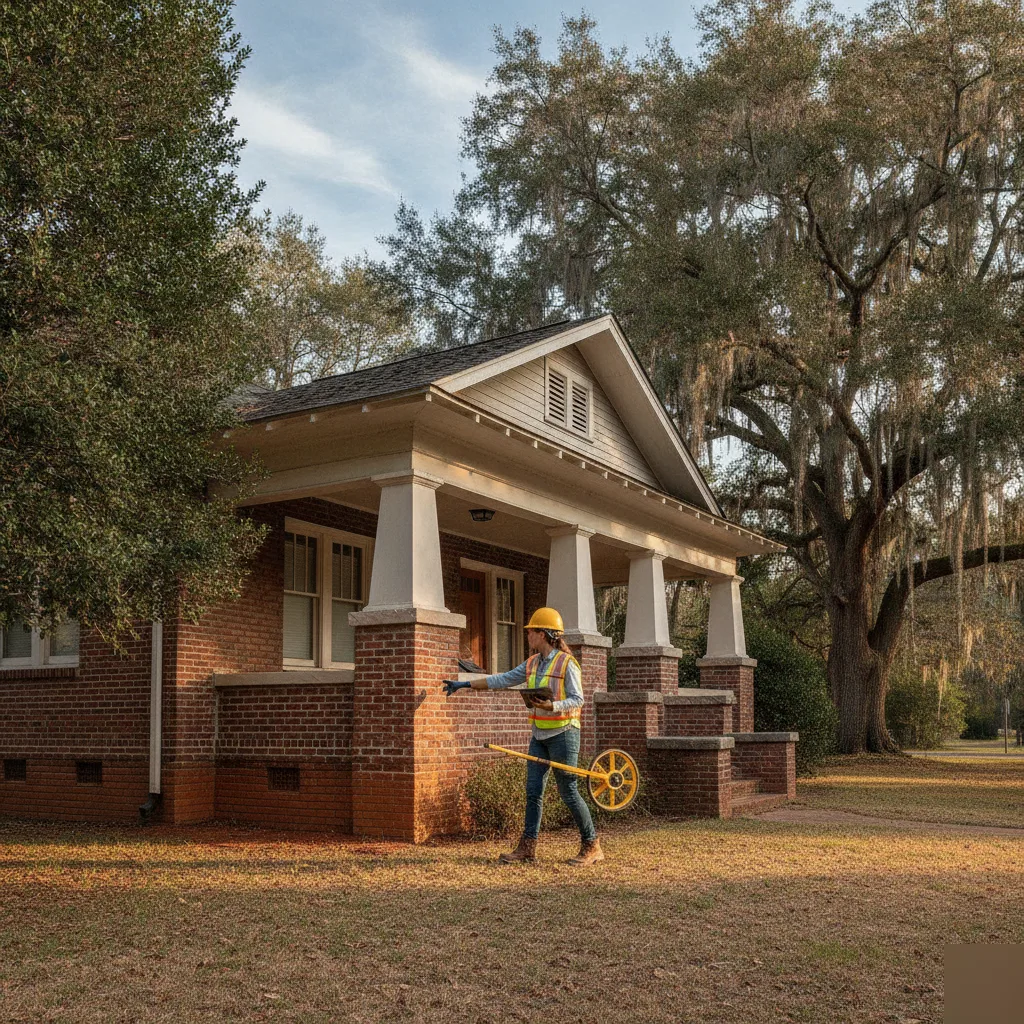
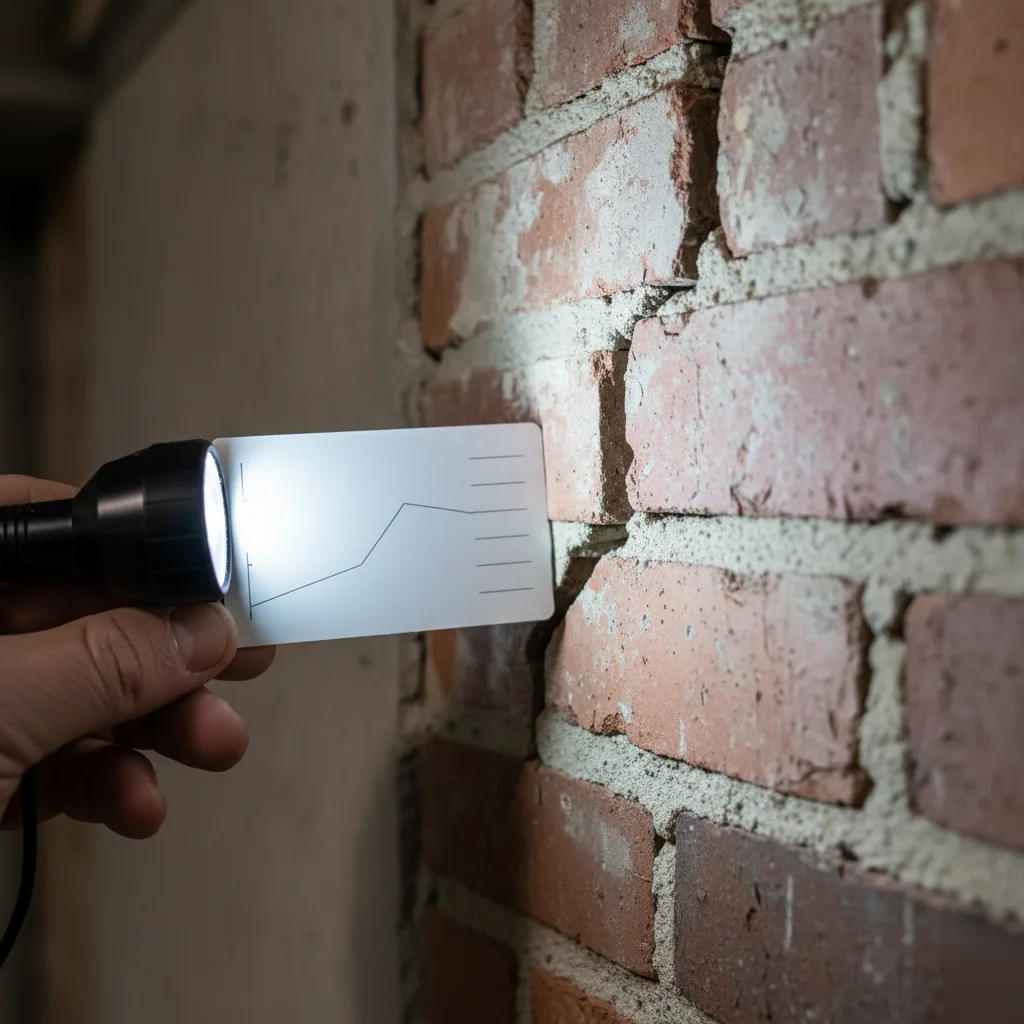
- Stair-step cracks in exterior brick mortar joints, especially on homes built before 1950
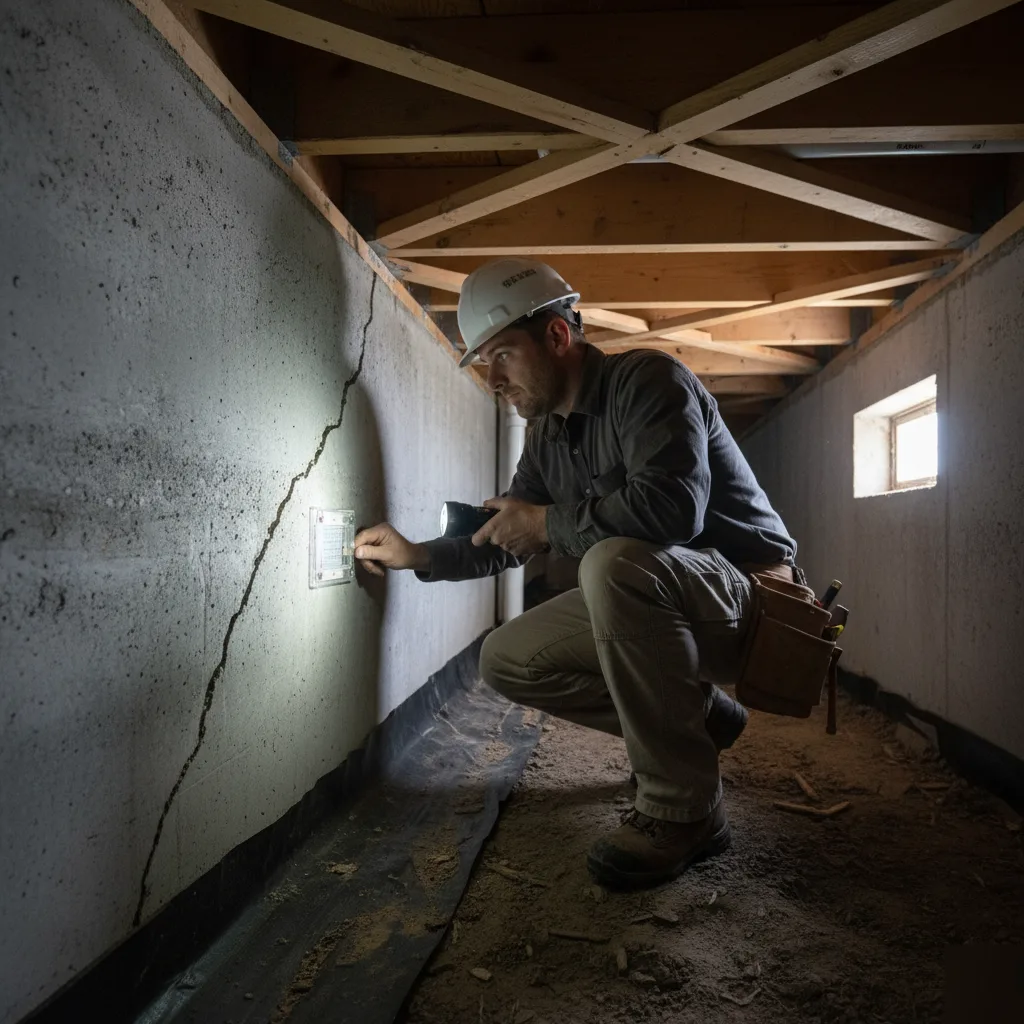
- Horizontal cracks in basement walls. These cracks can signal lateral soil pressure.
- Gaps forming between your walls and ceiling or between your walls and floor
- Windows that suddenly won't open or close smoothly
- Uneven or sloping floors you can feel when you walk across a room
Homeowners in Clayton call us after noticing two or three of these at once. That's a good instinct. One sticky door might be humid. But a sticky door plus a diagonal crack above the window frame plus a gap at the baseboard? That's a pattern worth investigating.
Stone foundations are common in neighborhoods near Wydown and throughout the older parts of Clayton. These foundations behave differently than modern poured concrete. The mortar between stones deteriorates over decades. Water finds new paths, and settlement becomes uneven. You might notice a musty smell in the basement before you ever see a visible crack. That smell tells you something.
Here's what often catches people off guard: foundation problems don't pause; they progress. A crack that measures a quarter inch today can grow to a half inch by next spring. Soil movement from Missouri's seasonal freeze-thaw cycles exerts constant force. The longer you wait, the more involved the repair becomes.
If you're seeing any of these signs, don't guess at the cause. A licensed professional engineer can tell you in one visit whether you're looking at normal settling or something that needs structural attention. That clarity is worth the call.
Why Clayton's Clay Soils Make Foundation Inspections Different
The ground under your Clayton home isn't sitting still. It never has been.
Most of St. Louis County sits on expansive clay soils. These clays swell when they absorb moisture and shrink when they dry out. That seasonal cycle puts constant pressure on foundations. Many Clayton homes date back to the 1930s and 1940s. Their foundations have been through decades of this constant stress. Stone foundations and older poured concrete don't respond to soil movement the same way modern construction does. They crack and shift differently. A trained eye is needed to read them correctly.
We see this pattern every week. A homeowner near Wydown Terrace notices a door that won't latch anymore, or a crack appears in the basement wall after a particularly wet spring. These are not random problems. The foundation is telling you something about what the soil is doing underneath it. A foundation inspection connects those visible symptoms to the actual structural cause.
Here's what makes Clayton's soil conditions tricky:
- Clay expansion can exert lateral pressure against basement walls, pushing them inward over time
- Dry summers cause soil to pull away from footings. This creates voids, allowing settling.
- Mature trees near older homes draw moisture unevenly from the soil. This creates differential movement.
- Older stone foundations lack the reinforcement to resist repeated soil cycles without cracking
A general home inspector might note a crack and move on. Understanding why that crack formed, whether it's active, and what it means for the structure requires engineering knowledge specific to these soil conditions. Scott's background includes St. Louis County plan review. This means he is already familiar with the soil reports and geotechnical data common to Clayton properties. That background matters when you need answers, not guesses.
If your home has been sitting on Clayton's clay for 70 or 80 years, a foundation inspection isn't about finding something wrong. It is about knowing exactly where things stand right now. This is important before you renovate, before you sell, or before a small crack becomes a big problem.
What a Structural Engineer Checks During the Inspection
A foundation inspection isn't a quick walk-around. It's a systematic review of every structural element that keeps your home standing safely. Licensed professional engineers follow professional building inspection standards that govern how structural assessments are conducted and documented.
We start outside. The exterior tells us a lot before we ever step through the door. We look at the foundation walls from grade level. We check mortar joints on older Clayton brick homes and scan for signs of lateral movement or bowing. Grading and drainage patterns around the perimeter matter too. Water is the primary enemy of foundations in this area. How it flows around your home shapes everything underneath.
Once inside, here's what we evaluate in detail:
- Foundation walls and footings for cracking patterns, displacement, or deterioration in stone and older poured concrete
- Floor systems including joists, beams, and support columns for sagging, splitting, or inadequate bearing
- Basement slab condition for heaving, settlement cracks, or moisture intrusion
- Load paths from roof to foundation. We confirm forces transfer properly through the structure.
- Evidence of previous repairs. We check if these addressed the root cause.
We see this every week in Clayton. A homeowner notices a crack and assumes the worst. But the crack pattern tells a specific story. Horizontal cracks in a basement wall mean something very different from stair-step cracks in a brick veneer. Diagonal cracks near window corners point to settlement. Each type leads us to a different conclusion and a different recommendation.
What Makes Older Clayton Homes Different
Many homes near Wydown or in the Central Business District date to the 1930s and 1940s. Their foundations use materials and methods that don't match modern construction. Stone foundations shift differently than poured concrete. Original mortar breaks down over decades. We account for all of these factors during the inspection. We do not apply a one-size-fits-all checklist.
Scott's background as a licensed P.E. means every observation ties back to engineering principles. We rely on facts, not guesswork. You get a clear picture of what is happening, why it is happening, and whether it actually needs repair.
The Written Report and What You Can Do With It
A foundation inspection isn't worth much if the findings stay in someone's head. The findings need to be on paper. Every inspection we do in Clayton ends with a written report stamped by a licensed Professional Engineer.
That stamp matters more than most people realize.
The report covers what we found, where we found it, and what it means for your home's structure. It includes photos of each concern area, measurements of any movement or displacement, and a clear assessment of severity. No vague language. No "monitor and wait" without context. You'll know exactly what's going on with your foundation and what steps come next.
Who Actually Uses This Report
Here's what we see every week in Clayton. People need the report for different reasons, and each one carries real weight:
- Real estate transactions. The buyer or seller needs a structural opinion before closing on a 1930s or 1940s home.
- Insurance claims after storm damage or water intrusion affecting the foundation
- Renovation planning where a homeowner needs to confirm the foundation can handle new loads from a home addition or wall removal
- St. Louis County permit applications. These require an engineer's assessment before work begins.
A P.E.-stamped report carries legal and professional authority. Contractors trust it, lenders accept it, and county plan reviewers recognize it. That is the whole point.
Scott's hands-on work includes St. Louis County plan review. This means the report is written in language the examiner already expects to see. There is no back-and-forth. There are no resubmissions because the documentation was unclear. Homeowners near Wydown or along the Demun border have used our reports to move permit applications through without delays.
But the report also works for you personally. It becomes your baseline. Five years from now, if you notice a new crack or a door that won't latch, you can compare current conditions against a documented record. That's not guesswork, that's data.
We deliver reports fast. Most Clayton homeowners have theirs within a few business days. If you're on a tight closing timeline, let us know. We've hit 48-hour turnarounds when the situation calls for it.
Pre-Purchase and Pre-Renovation Inspections in Clayton
You're about to close on a 1940s brick colonial near Wydown Terrace. The home looks solid. But what's happening below the floor line?
That is exactly when a foundation inspection saves you from a costly surprise. We run pre-purchase structural inspections on older Clayton homes every week. The pattern is consistent: buyers fall in love with the character, the mature trees, the walkable blocks. Then we find horizontal cracks in a stone foundation wall or deteriorated mortar joints that have been quietly shifting for decades. Knowing this before you sign changes everything. It gives you leverage to negotiate or walk away with confidence.
What a Pre-Purchase Inspection Covers
A general home inspector checks a lot of things at surface level. We go deeper on the structural side. Here's what we evaluate during a pre-purchase foundation inspection:
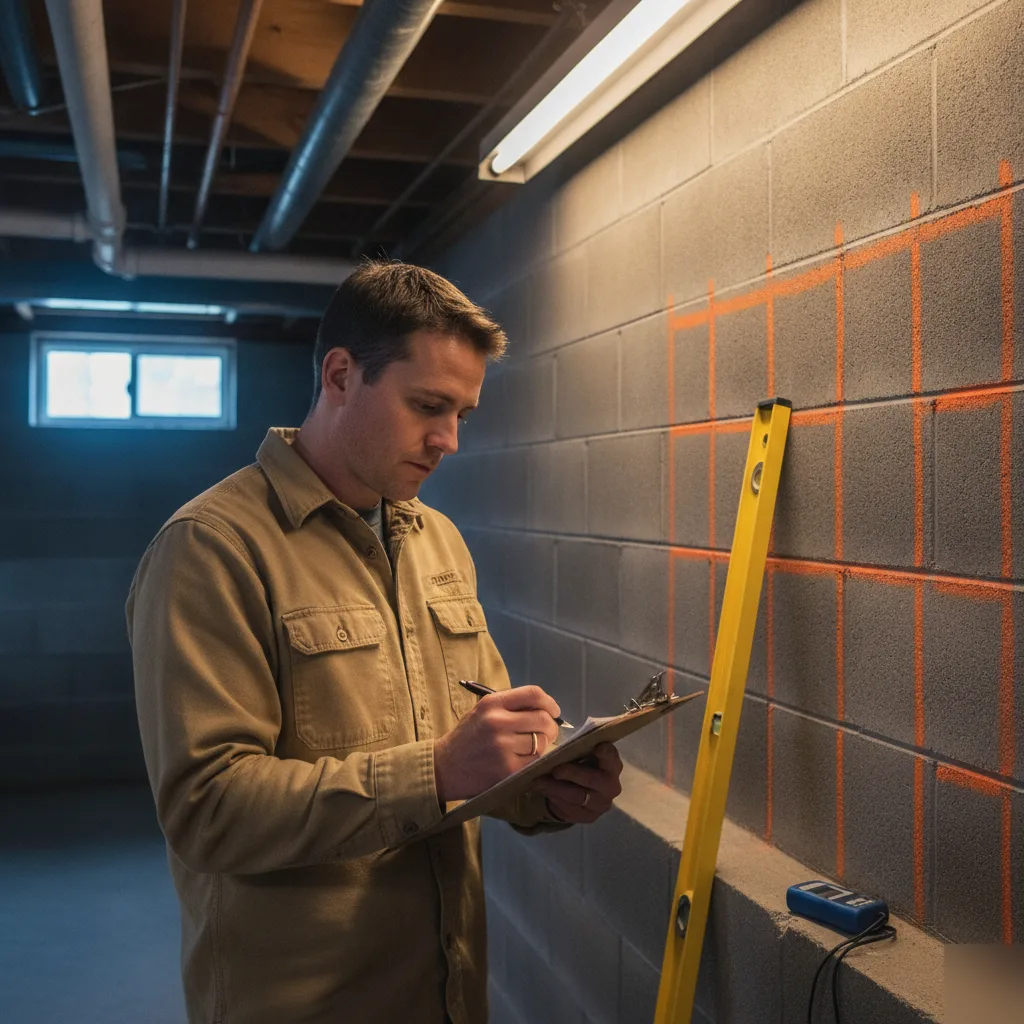
- Foundation wall condition, including crack mapping and movement patterns
- Evidence of past or active water intrusion through the foundation
- Floor levelness. We check whether sagging indicates structural settlement.
- Condition of support beams, columns, and floor joists in the basement or crawlspace
- Signs of previous repairs. We check whether they were done correctly.
Buyers tell us they wish they'd called before the inspection deadline pressure kicked in. Don't wait until day nine of a ten-day contingency period.
Pre-Renovation Inspections Are Just as Critical
Already own the home? Planning to knock out a wall for an open-concept kitchen? Before you start demo, you need to know what your foundation can handle. Adding load from a removed bearing wall means that weight has to go somewhere. And if your foundation has existing cracks or settlement, that plan might need to change.
We see this constantly in Clayton's active renovation market. Homeowners bring us in after a concern about a crack in the basement is raised. This is a smart move. Scott's direct experience in St. Louis County plan review means your permit drawings are built around exactly what the examiner needs to see. That saves you rounds of revision and weeks of delay. Need a structural engineer Clayton trusts for foundation questions? Give us a call before you start planning demo.
Frequently Asked Questions
How long does a foundation inspection take in Clayton?
Most foundation inspections in Clayton take two to three hours from start to finish. Older homes near Wydown or throughout the historic parts of Clayton often take longer. Stone foundations and older poured concrete require more careful review than modern construction. After the inspection, you receive a written report with photos and specific findings. That report gives you something concrete to act on, not just a verbal summary you have to remember later.
Do I need a structural engineer or will a general home inspector work?
For foundation concerns, a licensed structural engineer gives you more reliable answers than a general home inspector. A home inspector may note a crack and flag it as a concern. A structural engineer can tell you why the crack formed, whether it is still active, and what it means for your home's structure. In Clayton, where clay soils cause specific movement patterns, that engineering background makes a real difference in the accuracy of the findings.
Can a foundation inspection help before I sell or buy a home in Clayton?
Yes, a foundation inspection before buying or selling a Clayton home protects both sides of the transaction. Sellers avoid surprises during escrow. Buyers know exactly what they are taking on before closing. Many Clayton homes are 70 to 90 years old. That age alone makes a structural review worth doing. If a general home inspection flags foundation concerns, a structural engineer's report gives you the specific answers needed to move forward with confidence.
What causes cracks to appear in Clayton homes after a wet spring?
Clayton's clay soils absorb moisture and expand during wet seasons, then shrink and pull back during dry summers. That repeated cycle pushes and pulls against your foundation walls and footings. Homes near Wydown Terrace and throughout older Clayton neighborhoods sit on soils that have been doing this for decades. When a particularly wet spring follows a dry fall, the soil movement is more dramatic. That is when new cracks appear or existing ones grow wider.
What should I do to prepare before the inspector arrives?
Clear access to your basement and any crawl space before the inspector arrives. Move stored items away from foundation walls so every section can be seen clearly. If you have noticed specific cracks or problem areas, take a few photos ahead of time and note when you first saw them. That history helps the engineer understand whether a crack is new or has been growing over time. The more access and context you can provide, the more useful your inspection report will be.
Is one crack in my basement wall enough reason to schedule an inspection?
One crack alone may not be urgent, but certain crack types always warrant a call. Horizontal cracks in a basement wall signal lateral soil pressure and should be evaluated right away. A single diagonal crack near a window corner can point to active settlement. In Clayton's older housing stock, cracks rarely appear in isolation for long. If you are also noticing sticky doors or uneven floors alongside that crack, schedule an inspection soon rather than waiting to see if it gets worse.