What Does a Pre-Purchase Structural Inspection Cover That a Regular Home Inspection Doesn't? A Chesterfield Buyer's Guide
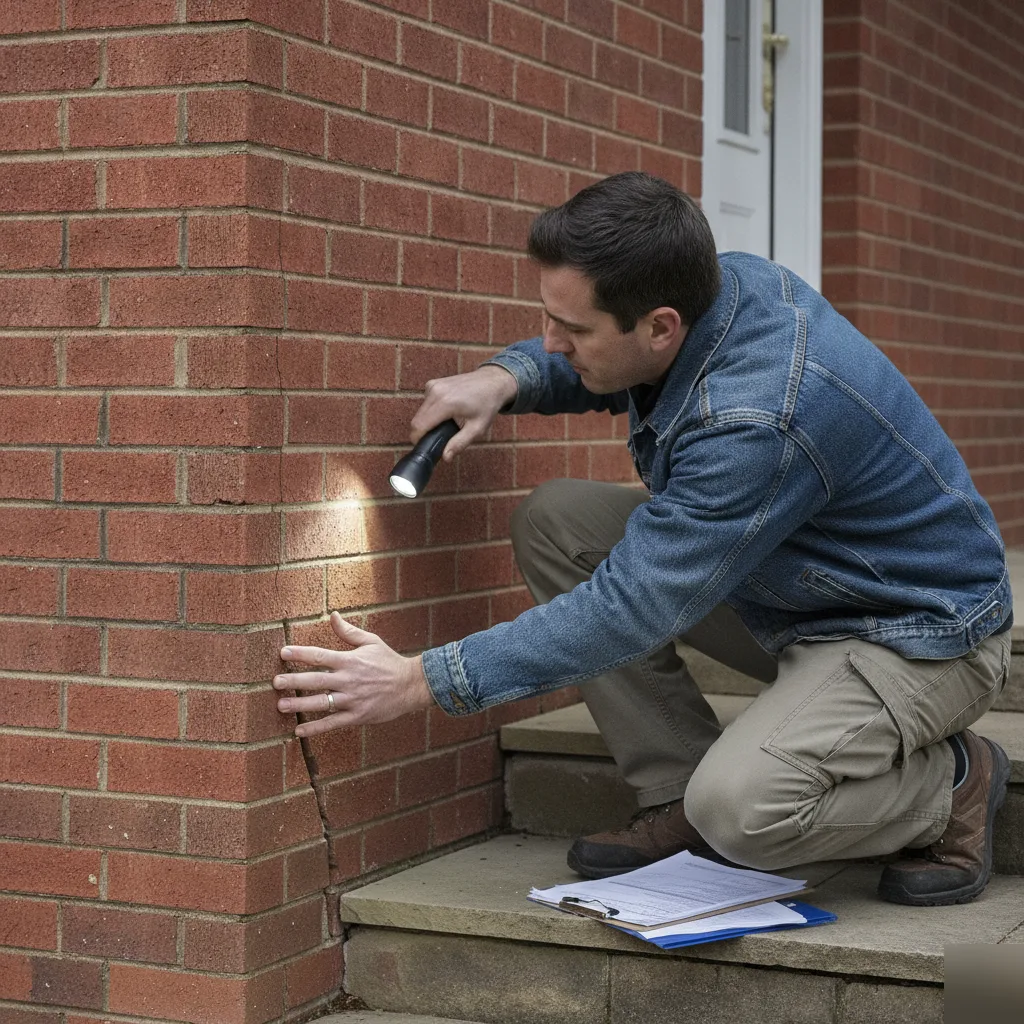
Structural Inspection vs. Home Inspection: Two Completely Different Responsibilities
Many people assume a pre-purchase structural inspection is simply an in-depth home inspection, but that isn't the case. These represent two distinct services with different tools, different objectives, and performed by different professionals. The home inspector examines the general condition of the home; the structural engineer examines if the home can safely support its own weight. They aren't asking the same questions.
The home inspector performs a broad examination of everything on a checklist, including the roof, HVAC, plumbing, electric, appliances, grading and visible surfaces. These are generalists. They are looking for red flags so you can either renegotiate a price or walk away from the property. Most home buyers aren't aware that home inspectors are not authorized to assess the structural components of a home. They can report a crack in the foundation. But they can't explain if the footing has collapsed or the soil has moved.
This is where a pre-purchase structural inspection bridges the gap.
What a Structural Engineer Examines
During the course of a pre-purchase structural inspection, the engineers are assessing load paths, the condition of the foundation, framing, and the path of transferring weight from the roof to the ground. The checklist isn't the same one as the home inspection checklist, but includes items such as:
- Condition of foundation walls, footings and slabs, including crack mapping and indications of movement
- Locate load-bearing walls and indicate evidence of removal or change
- Deflection of floor system, joist sizing and beam size sufficiency
- Ridge framing and connection details at bearing points
- Evidence of past un-permitted, un-engineered structural repairs.
In Chesterfield the engineers frequently find homes built on expansive clay soils, and these soils result in the same conditions of foundation performance, which may or may not be recognizable by a home inspector. A diagonal crack across the bottom of mortar blocks in a basement wall will speak very clearly to a structural engineer than to someone filling out a checklist.
Why the Difference Matters Before You Buy
A common scenario occurs during negotiations. A buyer received a home inspection report indicating "minor foundation crack observed in basement wall, recommended to monitor". Seems reasonable. Then a pre-purchase structural inspection finds the wall has moved inwards 1/2 inch, floor joists above have separated from the sill plate and moisture intrusion is actively causing the problem. The issue is not something you can simply monitor. A fix like that could be five figures.
And the home inspector wasn't wrong either, but the purpose of the home inspection wasn't to catch every little detail.
This same thing happens often with buyers in Chesterfield and their assumptions about their home inspection covering structural concerns. And then once they buy, and then they're calling. If you have a pre-purchase structural inspection, you have the numbers to use in the negotiation. You have the actual issues of that home that have already occurred.
It's sort of a similar thing, if your home inspector is telling you your house works, the structural engineer is going to tell you if your house stands. And both are important. They're asking completely different questions.
No, a pre-purchase structural inspection is not the "premium upgrade" of a home inspection, it's two separate professionals, asking two separate questions, for two separate reasons.
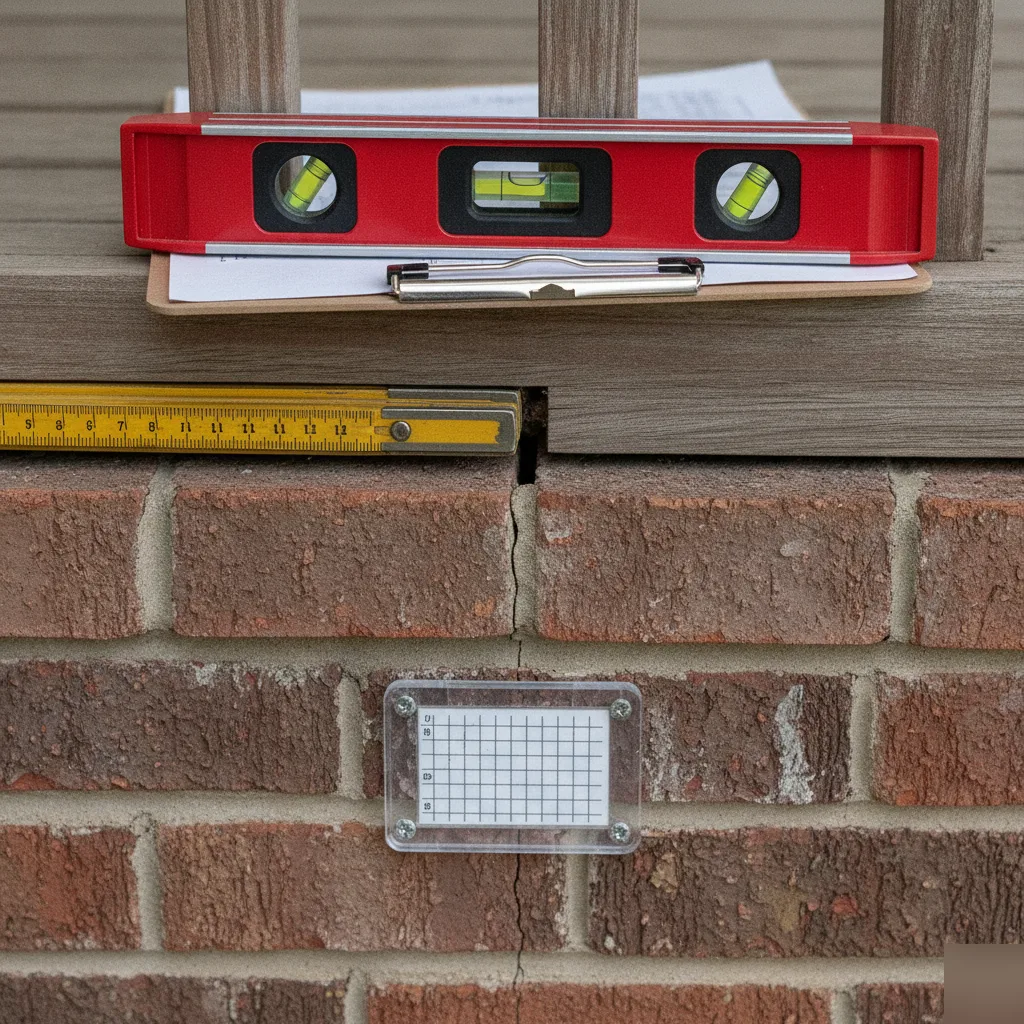
Why a home inspector can't give you the structural answer
The home inspector is trying to look at all the different systems. Roof, plumbing, electricity, HVAC. And appliances. So when you have to spend a couple of hours going through the house that's the challenge. It's just not their job to do. They're going over a lot of different systems in the house for a pre-purchase structural inspection, you're looking at one thing only and that's the structure.
Most Chesterfield home inspectors follow the ASHI Standard of Practice and the Standard of Practice says they don't have to say anything about the structure. And so that means that their standard, what they're supposed to be looking at doesn't ask them to tell you if the structure is safe or not, or not sound. That's what they're doing is they're saying okay we see this, this is the damage that can be seen, and they have no idea how serious it is, so they have to move on to the next thing on the checklist.
Different training, different scope
The home inspector has been trained to identify defects, so you see cracks in the drywall, stains in the ceilings, doors that stick. They look for these things, but it's a very different issue when they have an actual understanding behind what happened to cause the cracks, to identify a crack and to know what might have caused those cracks, that's where the different scope comes in. It might be a crack that was just caused by settling. It might be caused by a header that wasn't big enough, so they're not able to support the structural framing, they can't support the load above it.
The home inspector will tell you there's a crack here. The structural engineer is going to tell you why you're seeing that, and do you need to do something about it?
We see it all the time, we'll get a home inspection where they will say "We see cracks in the foundation, it's recommended by a home inspection to be inspected by a licensed structural engineer," and that is a very heavy statement by a home inspector. They're not supposed to say that. So that is very, very what they've been trained to say.
They're not supposed to touch it or they're not supposed to see it
The home inspector can't go move the insulation, they can't open the wall, they can't pull back finishes. Many of the homes in Chesterfield that were built in the 80s and 90s, especially ones that have finished basements, will completely hide the foundation wall. The home inspector walks into a carpeted basement where they see drywall on every side, they can't see the foundation. They can't see the rim joist. They can't look for any moisture damage behind the wall cavity. A pre-purchase structural inspection takes a different angle. The engineer will look at load paths. They'll check to see how the roof loads will move down through the walls and into the foundation and then into the soil. They'll look at beam spans and joist sizes and spacing of columns. They'll be figuring out if the structure will work like it should under the current building code. Let me give you an example. We had a family who were buying a home near Chesterfield Valley on the upper level. The house inspection came back clean. But the listing had mentioned that they had a bonus room above the garage. We looked at the floor framing for the addition and saw that the joists were undersized for the span. The floor was not up to code by anyone's definition. The home inspector didn't catch it because the home inspector was never able to see it from the basement below, so the floor felt okay when we walked across it. That is exactly the kind of thing that a pre-purchase structural inspection is looking for. Now, none of this implies that the home inspector isn't doing a good job. The home inspector is doing their job. However, their job is not structural engineering. So, if you are purchasing a home and you are reading through the home inspection report and you see language like, "appears functional or that there are no visible structural problems at time of inspection," please understand what that language means in the context that there isn't a structural professional that is looking at this. And when is the right time to reach out to the structural engineering? Before closing, not six months from now when you see it. What can a structural engineer tell you that the home inspector won't? The home inspector walks through the house and writes down what they see. The structural engineer figures out what's happening behind what they're seeing. That is the big difference, and it is bigger than most people think. So when the home inspector is in your house, they're writing according to the Standards of Practice that are set forth by organizations like the American Society of Home Inspectors, or ASHI, or InterNACHI. And those standards say that they aren't going to be looking for anything on the structural. They will see the cracks or the stains or the sag, but they aren't going to be able to tell if the cracks in your foundation wall are cosmetic or if there's an active problem going on with your foundation wall. The structural engineer can make that distinction. They'll look at the load path. Every house will take load from the roof and pass it down through the wall and through the beams and through the columns and into the foundation and we'll look for the entire load path. Let's say your predecessor did tear out a load-bearing wall or built onto the home and didn't use the engineering. That load path is now broken, and a home inspector won't ever know. They don't calculate loads or know if the beam in the wall is sized properly to span the distance.
And this issue happens to be particularly common in the Chesterfield area where homes are typically from the '80s and '90s where a basement is finished or an area is removed for posts or a renovation takes out part of a wall. And the home looks okay on the surface but the framing tells a different story.
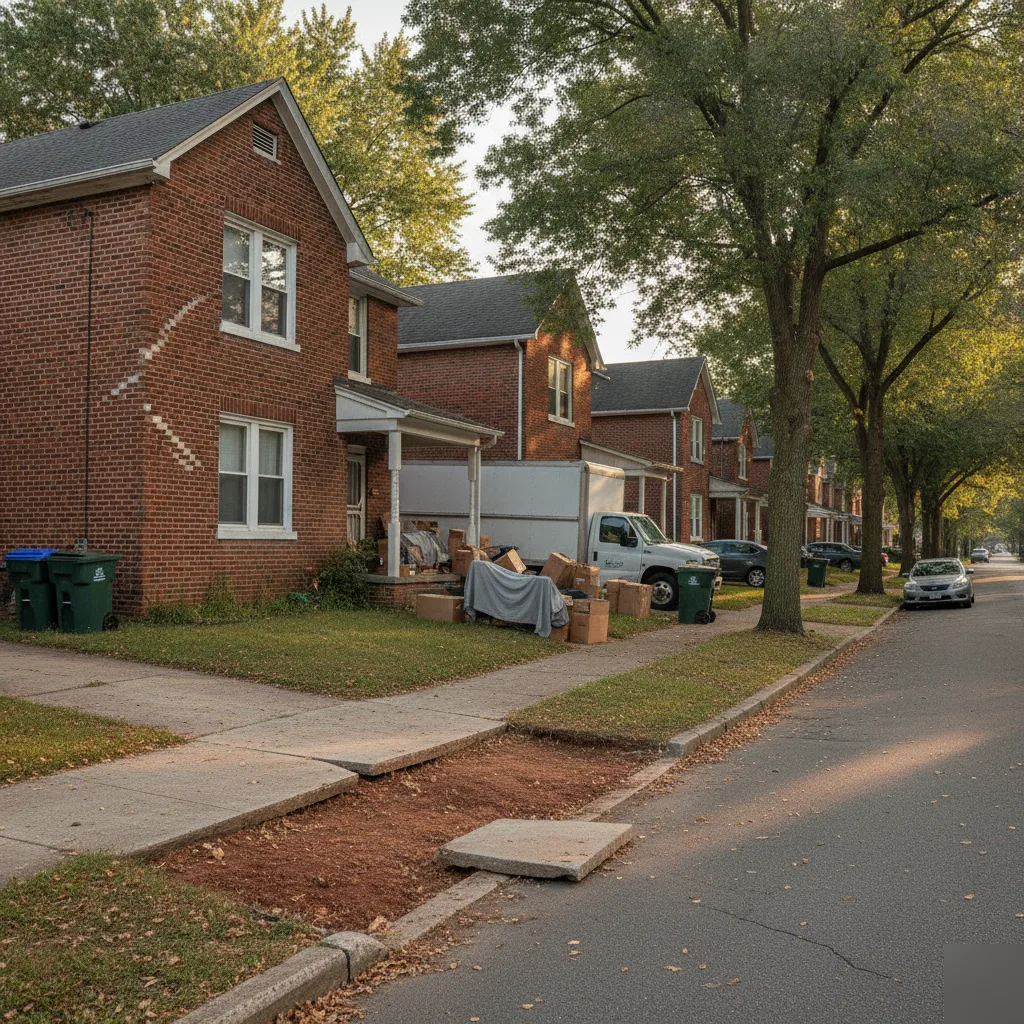
Foundation Performance
A home inspector may see cracks in a basement wall and say, "There is a crack." A structural engineer will measure that crack, look for displacement, study soil conditions around the home, and decide if the foundation is moving.
"There is a big difference between a shrinkage crack and a crack from lateral earth pressure pushing in a wall. And many homes in Chesterfield are on expansive clay soil. It gets wet and it swells, it gets dry and it shrinks. This puts a lot of stress on the home foundation.
"The home inspector may see a crack and the structural engineer will look at the crack pattern, whether your floors are level and walls plumb and say, 'Is the foundation something that needs to be monitored or is it in need of repair? '
Structural Connections and Framing
"The other issue is, the way structures are designed. Let's just say two boards are nailed together. From a layman's perspective, the boards are connected. From an engineering perspective, are they really connected?
"We will look at joist hangers, where the beams connect to columns, are the anchor bolts there? The thing is, that's a lot of it, the structural engineer checks are things the home inspector may not look at.
"The things that make a house stand when you have high winds and the snow load on a roof are not things that a home inspector is looking at.
So what is the inspection like?
One buyer in town had a home inspection done, which was completely fine and nothing major came up on that. A structural engineer looked at it and found that a main load bearing beam in the basement was under sized for that span. "The builder put in a 2x8 and the load tables say you need to put in an engineered beam and that's something that a lot of people wouldn't think about if they didn't know."
What isn't the engineer checking?
"We don't check HVAC systems, the roofs, the electrical panels and stuff like that. That belongs to the home inspector. That is the main difference between those two inspections. The home inspector is looking at do the systems work? The structural engineer is checking if it will hold."
So if you are buying a home and there are mentions of any issues of cracks or uneven floors or renovations being done to the house that would be a good time to call for a pre-purchase structural inspection because home inspectors just can't get to that point in the scope.
Frequently Asked Questions
How do I know if my Chesterfield home needs a structural inspection instead of just a home inspection?
You need a structural inspection if your home inspector flags cracks, uneven floors, or sticking doors and can't explain the cause. These signs often point to foundation movement, which needs an engineer's eye. This matters even more in Chesterfield, where many homes sit on expansive clay soils that shift with moisture changes. If your inspection report says "monitor" or "recommend further evaluation," that's your cue to call a structural engineer before you close.
What's the biggest misconception buyers have about structural inspections?
The biggest misconception is thinking a structural inspection is just an upgraded home inspection. It isn't. A home inspector checks whether your systems work. A structural engineer checks whether your home stands safely. They use different tools, follow different standards, and answer different questions. Many Chesterfield buyers skip this step because they assume their home inspection already covered it. That assumption can cost you thousands after closing.
Does Chesterfield's soil type make structural inspections more important?
Yes, expansive clay soil in Chesterfield can cause foundations to shift more than in other areas. This soil expands when wet and shrinks when dry, putting uneven pressure on footings and walls. A home inspector may note a crack but won't know if the soil is the cause. A structural engineer can trace the movement back to soil behavior and tell you if it's still active. This is one reason local buyers benefit from a pre-purchase structural inspection before closing.
Can a structural engineer find problems a home inspector missed?
Yes, structural engineers are trained to find issues that fall outside a home inspector's checklist. Home inspectors follow standards like ASHI, which don't require them to judge structural safety. They can report a crack, but they can't tell you if it means the foundation is failing. Engineers measure wall movement, check load paths, and look for signs of past repairs done without permits. This deeper look often uncovers costly problems long before they become emergencies.
What should I do if my home inspector recommends a structural evaluation?
Take that recommendation seriously and schedule a structural inspection right away. When a home inspector suggests calling a licensed engineer, it usually means they saw something beyond their scope. This isn't a routine suggestion. It's a signal that the issue could affect your home's safety or resale value. Getting an engineer's opinion before you close gives you real numbers to use in negotiations, not just guesses.
How long does a pre-purchase structural inspection usually take?
Most pre-purchase structural inspections take a few hours, depending on the size and age of the home. Engineers focus only on the structure, so they move slower and check details a general home inspection would skip. They measure cracks, check floor framing, and look for signs of foundation movement. This focused approach gives Chesterfield buyers a clear answer about whether the home is structurally sound before they sign anything.