What Happens After the Inspection Report Is Delivered? A Chesterfield Homeowner's Guide

The Immediate Next Steps After Your Report Arrives
Most people treat the inspection report like the last step in the process. It isn't. The real decisions start after you've read it. The report tells you what's happening with your home's structure, but it doesn't fix a single thing, and it definitely doesn't hand your contractor a blueprint. That part still has to happen.
The team watches this same scene play out across Chesterfield again and again. A homeowner orders a foundation crack inspection or a pre-purchase foundation inspection. The report shows up in their inbox. They skim it, spot a few flagged items, and then it sits on the kitchen counter for two weeks because nobody's sure what to do next.
So here's the step-by-step version.
- Read the entire report. Don't skip past the summary or the photo pages. Every flagged item is there for a reason.
- Sort the findings by urgency. Active foundation movement needs attention now. Cosmetic items can usually wait.
- Check whether the report calls for further engineering. A structural damage inspection may point toward stamped drawings before any repair work can start.
- Loop in your contractor, but know their limits. In most Chesterfield jurisdictions, a contractor can't pull permits or begin structural work without engineering plans in hand.
- Nail down your timeline. If you're buying a home, your contract probably has a deadline tied directly to these inspection results.
One thing that trips people up is the difference between an inspection report and a structural repair design. The report tells you there's a problem. The repair design tells your contractor exactly how to fix it. Two different steps, two different deliverables, and you'll need both.
If you're in the middle of buying a home near Chesterfield Valley or the Wildwood border, timing matters more than most buyers realize. Inspection contingency windows usually run 10 to 14 days. Sit on your report for a week and you could lose the deal entirely.
The biggest mistake homeowners make? Handing the report over to a contractor and asking them to sort it out. A good contractor will tell you flat out that they need engineered plans first. A less careful one might just start tearing into walls. The report is your roadmap, but somebody still has to draw the actual route.
So don't let it collect dust on the counter. Open it, read it closely, and figure out which findings need a professional to weigh in. That's the point where things actually start moving forward.
Spotting the Findings That Matter
Most inspection reports run long, ten pages or more isn't unusual. Every crack, every stain, every cosmetic flaw gets written down. That's just the inspector doing their job thoroughly. But not every finding carries equal weight, and the team regularly sees Chesterfield homeowners losing sleep over items that pose zero threat to their home's structure.
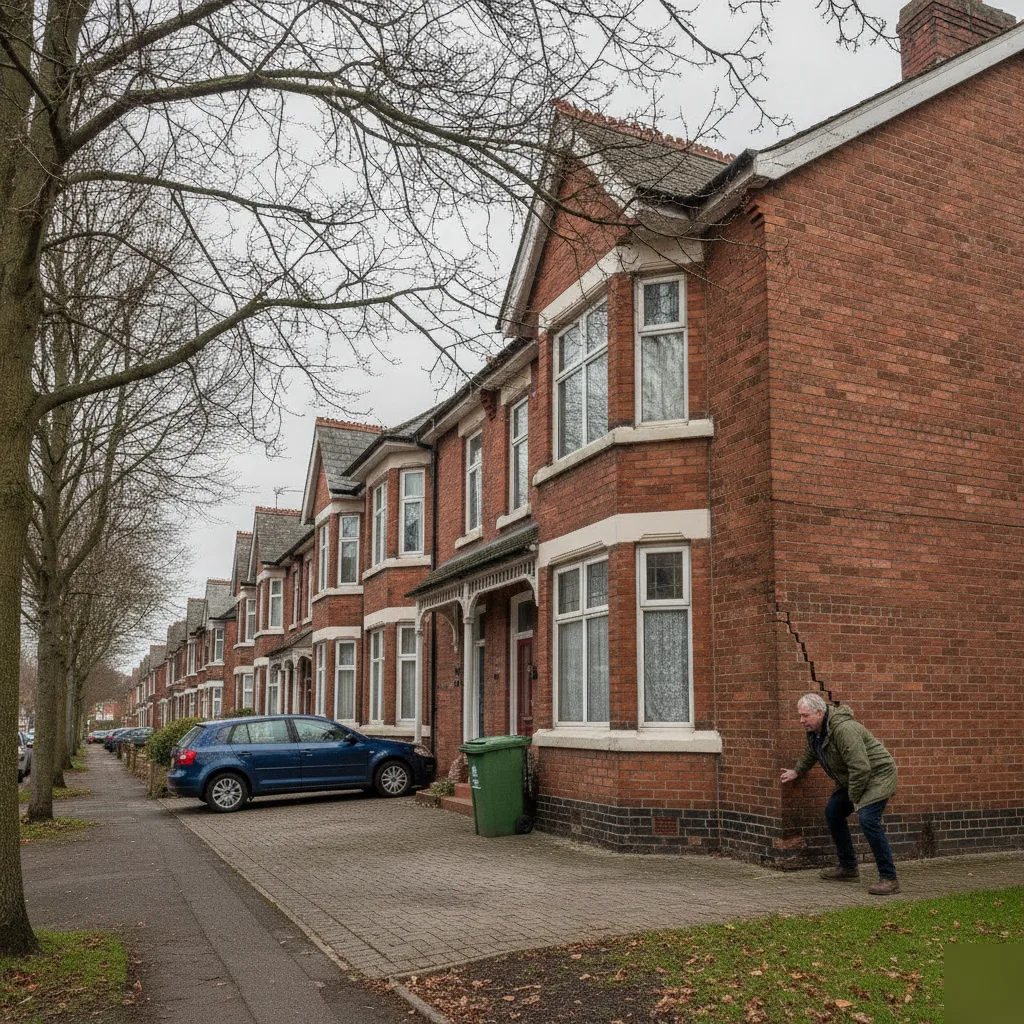
The real skill is knowing how to sort what you're reading. A hairline crack in drywall near a door frame is common in homes sitting on Missouri's expansive clay soils, and it often means nothing. A horizontal crack running across a foundation wall is an entirely different story. Both can show up in the same report, sometimes described in strikingly similar language. One you simply keep an eye on. The other needs an engineer's eyes on it soon.
Here's what should jump to the top of your list right away:
- Foundation cracks wider than 1/4 inch, or cracks running horizontally along basement walls
- Sagging or bouncy floors, especially on upper levels or near load-bearing walls
- Water intrusion showing up alongside structural movement like bowing or displacement
- Notes about unpermitted modifications to walls, beams, or floor systems
- Deck or balcony connections showing rot, corrosion, or missing hardware at the ledger board
Then there are the items that sound scary but usually aren't. Minor settling cracks in a poured concrete foundation, surface rust on exposed steel lintels, small gaps at trim joints. Inspectors flag these because that's their job, but they rarely call for immediate structural repair.
Here's the advice the team gives every homeowner who calls in after getting a report: start with the summary section. That's usually where inspectors put their biggest concerns. If the language says "monitor" or "cosmetic," that item can wait. If it says "further evaluation by a structural engineer" or "immediate repair recommended," that's your priority.
A lot of Chesterfield homes built in the 1980s and 1990s have finished basements, which means the original foundation walls are hidden behind drywall. Inspectors can only document what's visible, so sometimes the report reads "unable to fully evaluate" for a section of foundation. That's not filler language. It means there could be something worth checking behind that wall, even though it couldn't be confirmed visually.
One scenario that comes up a lot: a pre-purchase inspection flags a cracked beam in the crawlspace, and the buyer panics. When the team pulls up the photos, though, it turns out to be a non-structural nailer board that split back during original construction. No risk whatsoever. But the reverse happens too. A report notes "minor floor slope," the buyer shrugs it off, and months later they discover a joist was cut for old plumbing work and the floor system actually needs real support.
The report hands you data. Figuring out which data points demand action is your job. When you're not sure, that's exactly the moment a foundation crack inspection or a structural damage inspection earns back its cost.

Cosmetic Issue or Structural Concern: A Quick Decision Framework
Not every item on your inspection report carries the same weight. Some findings sit right on the surface. Others point to real problems hiding inside your walls, under your floors, or down in the foundation. Knowing which is which, before you spend money fixing the wrong thing, makes all the difference.
The team runs into this confusion constantly in Chesterfield. A homeowner gets a 30-page report, spots words like "cracking" or "displacement," and panics. But a hairline crack in drywall and a diagonal crack in a foundation wall are completely different animals. One's cosmetic. The other could mean your foundation is shifting under lateral soil pressure.
Here's a simple framework for sorting through your findings.
- Look at location first. Cracks in drywall near door frames usually come from normal settling. Cracks in poured concrete walls, block foundations, or along floor-to-wall joints deserve a closer look from a structural engineer.
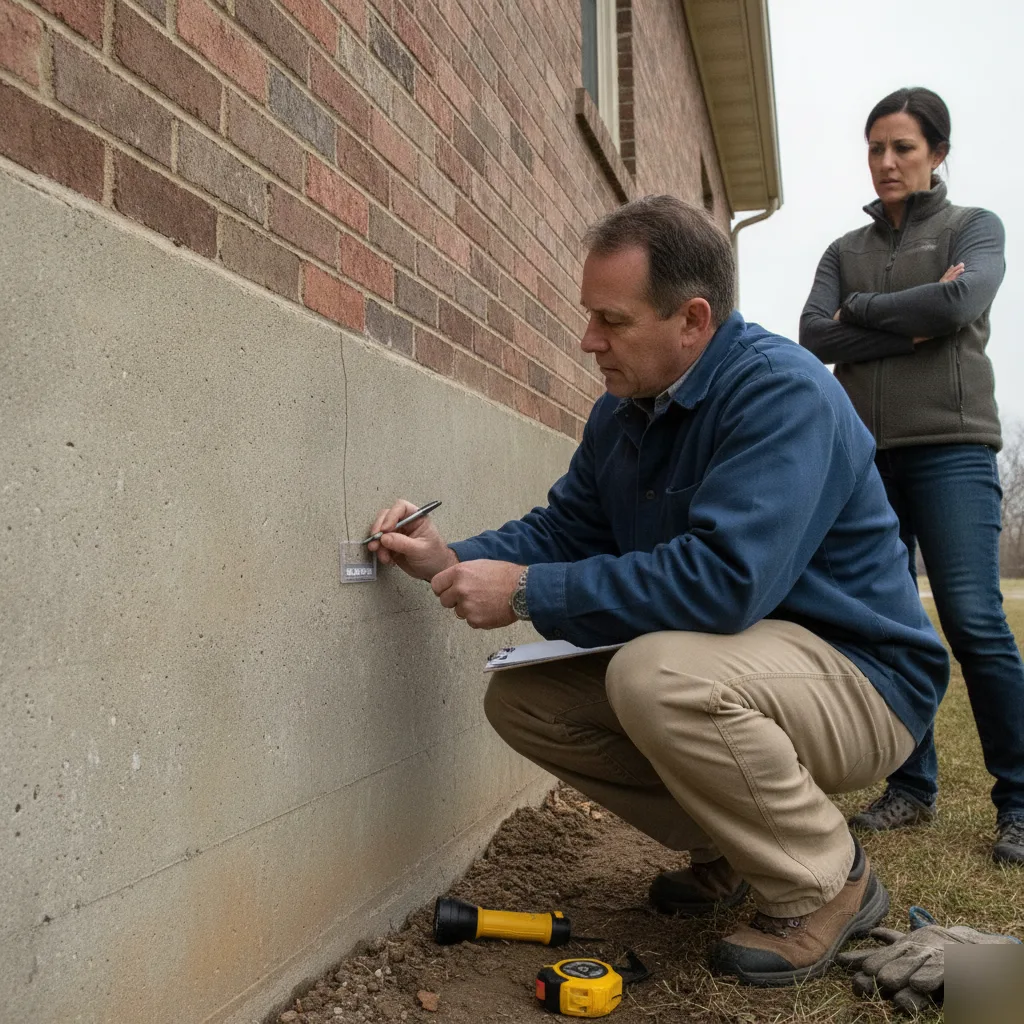
- Check the size. The American Society of Civil Engineers notes that cracks wider than 1/4 inch in foundation walls often signal active movement. Anything that wide warrants a foundation crack inspection.
- Watch for patterns. One small crack is nothing to worry about. Several cracks running the same direction, doors sticking on one side of the house, or sloping floors all point toward something systematic happening beneath your home.
- Ask about water. If the inspector noted moisture near a crack, that shifts the priority. Water speeds up damage to concrete and steel reinforcement, turning what looked minor into a major repair.
- Factor in the age and style of your home. Plenty of Chesterfield homes built in the 1970s and 1980s sit on clay-heavy soil, which expands and contracts with moisture and puts extra stress on foundations that newer construction methods now account for.
Cosmetic issues don't threaten your home's ability to stand up. Think nail pops in drywall, minor paint cracking, or surface-level concrete spalling on a garage floor. Fix them whenever you get around to it, they won't get worse overnight.
Structural concerns are a different animal. They affect load paths, foundation integrity, or the framing holding up your roof and floors. And the longer you wait on these, the more they tend to cost.
One scenario the team sees often: a buyer in Chesterfield gets a pre-purchase structural inspection report showing a bowed basement wall. Their contractor waves it off, says it just needs some sealant. But a structural engineer measures 1.5 inches of inward deflection and recommends reinforcement before closing. That gap, between a casual read and a structural one, is exactly why this framework matters.
If you're still not sure where a finding falls, that's precisely what a structural damage inspection is built to clarify. This isn't the part to guess on.
Frequently Asked Questions
How do I know if a crack in my report needs a structural engineer?
Look at the size and direction of the crack first. A hairline crack near a door frame is usually just normal settling, but a horizontal crack across a foundation wall, or one wider than 1/4 inch, needs a closer look. Check the report's summary section too. If it says "monitor," you can wait. If it says "further evaluation," call a professional soon. When in doubt, a foundation crack inspection can tell you exactly what you're dealing with.
Can I fix foundation problems myself after getting my report?
No, you shouldn't try to fix structural foundation problems on your own. Your inspection report only tells you there's a problem; it doesn't give repair instructions. Contractors in most Chesterfield jurisdictions can't even pull permits for structural work without stamped engineering plans in hand. Trying to patch a crack or add support without that plan can hide bigger issues or make them worse. Get an engineer's repair design first, then bring in your contractor.
Why does my report say the foundation couldn't be fully evaluated?
This usually means part of your foundation wall was hidden behind a finished basement. Many Chesterfield homes built in the 1980s and 1990s have finished basements, so inspectors can only report what they can see. It's not a filler phrase. It means there could be something worth checking once drywall comes down. If your report has this note, ask about opening up a small section so a proper look can happen.
Does clay soil around Chesterfield cause more foundation cracks?
Yes, expansive clay soil common in the Chesterfield area does contribute to more foundation movement than other soil types. This soil swells when wet and shrinks when dry, which puts pressure on foundation walls over time. That's why hairline cracks near door frames are so common here and usually harmless. But repeated soil movement can also cause more serious horizontal cracking, so it helps to know which type you're seeing before you decide it's nothing.
How long do I have to act on inspection findings if I'm buying a home?
Most home purchase contracts near Chesterfield Valley or the Wildwood border give you 10 to 14 days from your inspection contingency window. That clock starts ticking the moment your report lands in your inbox, not when you get around to reading it. If a finding needs a follow-up structural damage inspection, waiting even a few extra days can mean losing your negotiating leverage or the deal itself. Read your report right away and flag anything that needs a second opinion fast.