What Happens If I Remove a Load Bearing Wall Without an Engineer
Removing a Load-Bearing Wall Without an Engineer Creates Immediate Structural Risk
What if you rip out a load bearing wall without a licensed P.E.? You mess up your house. The short story: big problems. Think bowed floors, ceilings splitting, failed inspections. Repair costs can blow past what a proper structural engineering plan would have been. We see this issue pop up a lot in Clayton's classic old houses, especially those brick beauties from the 1930s. It's a bigger deal than people realize.
A load-bearing wall does what it says on the tin. It holds up serious weight from floors, the roof, everything stacked above it. That load then travels straight down to your foundation. Pull it out without a proper structural engineering plan, and that weight doesn't just vanish into thin air, it finds new, unsupported pathways. And it moves quick.
What Actually Happens to Your Home's Structure
The second a load-bearing wall goes away without that proper engineered support, gravity really starts to win the battle for your home's integrity. Here's what we typically see happen next:
Upstairs floor joists start to droop right above where the wall was. In an older Clayton brick home, maybe built in the 1930s or 40s, which is a lot of houses here, you might feel bouncy floors upstairs. Or you just see a dip. Sometimes this happens in just days.
Ceiling and wall cracks pop up quickly. Just a hint. These drywall splits are more than surface deep, they tell you the framing underneath is really moving, and not in a good way.
The roof loses a key support. Rafters shift. That causes uneven rooflines later on, leading to noticeable changes in your home's silhouette.
New foundation cracks. The load has to go somewhere. When it's not routed correctly through proper beams and posts, it can pile up, concentrating on foundation spots. These weren't built for that stress. We see those older poured concrete or stone foundations all over Clayton.
These aren't made-up stories. We've gone into homes across Clayton and nearby St. Louis County towns where a DIY wall removal led to a second-floor dip you could literally check with a rolling marble. Imagine that. One owner, right here near downtown Clayton, wanted an open-concept kitchen. They pulled out a load-bearing wall. Three months later, the upstairs bathroom floor had sagged almost half an inch, a very noticeable slope in a bathroom. Fixing that meant temporary shoring, a properly engineered beam, and two brand-new support columns, all the way down to the foundation. That's a big mess.
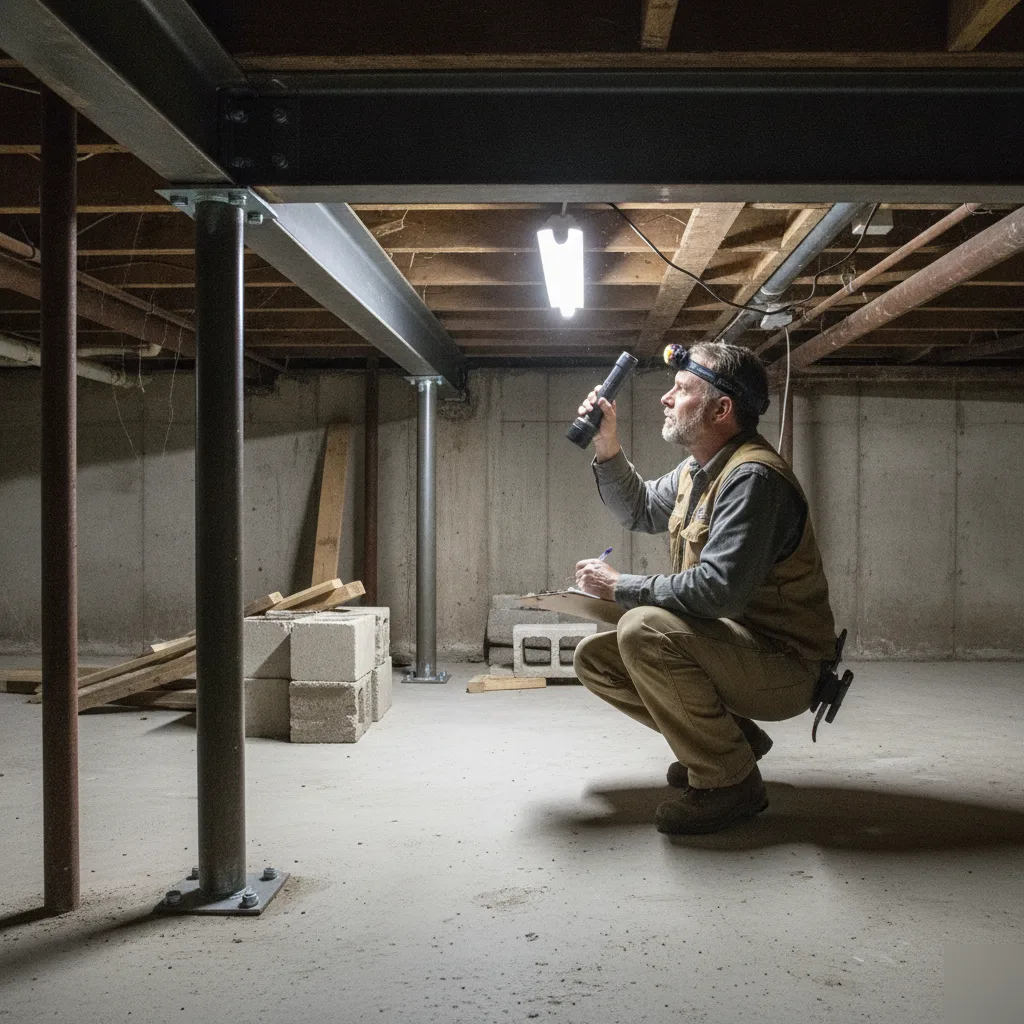
The Hidden Danger You Can't See Right Away
But some owners get lucky early on. The wall disappears, nothing crashes, so they think it's all good. That's a mistake. Structural failure from a removed load-bearing wall isn't usually sudden or loud. It's often a quiet, creeping problem. Like a slow leak.
Here's how we see it. Your home's framing is a whole system. Every single wall, every joist, every beam, they all share the load. Pull one piece out without putting something else in its place? The other parts grab extra stress. They weren't made for that. Wood bends slowly under constant overload. Joints start to get loose. Nails work their way out. This takes time.
You'd think these problems show up immediately, but that's not always true. By the time you spot a door dragging or a floor with a real slope, the damage has been building up. For weeks. Maybe months. And now, the fix? It's probably a lot bigger. And much pricier than just doing it right from the start.
Why Clayton Homes Are Especially Vulnerable
Clayton has many homes from the 1920s through the 1950s. A big chunk, actually. These places often have balloon framing or earlier platform framing styles. The wood sizes they used? Different than today's. The way things connect? Much simpler. This is why a simple interior wall in one of these homes can hide a big load. You can't just eyeball it. Often, a wall that looks decorative actually holds up half the house. It's a critical part of the load path, keeping everything stable.
A wall that just seems like a room divider? It might actually carry a key load point for floor joists. These joists often stretch all the way from the exterior wall. You can't tell without an engineering analysis. It's not possible. And guessing wrong? That's how real structural damage begins. Consumer Reports has documented how avoid shoddy home construction risks can follow a property for years, affecting resale value and safety long after the original work is done.
Here's why our approach makes a difference in Clayton. Scott's direct experience in St. Louis County plan review means your permit-ready drawings are built around exactly what the examiner needs to see. This matters. St. Louis County requires permitted structural work for load-bearing wall removal. No shortcuts there. Skip the permit, skip the licensed P.E., and you're baking a problem right into the house. It will follow through every future sale and inspection. That's a headache you don't need.
If a load-bearing wall removal is on your mind for your Clayton home, take the right step first. Our team provides engineer-stamped beam and header designs. You get all the structural calculations. And we give you permit-ready drawings well before any demolition starts. That's how you get it right.
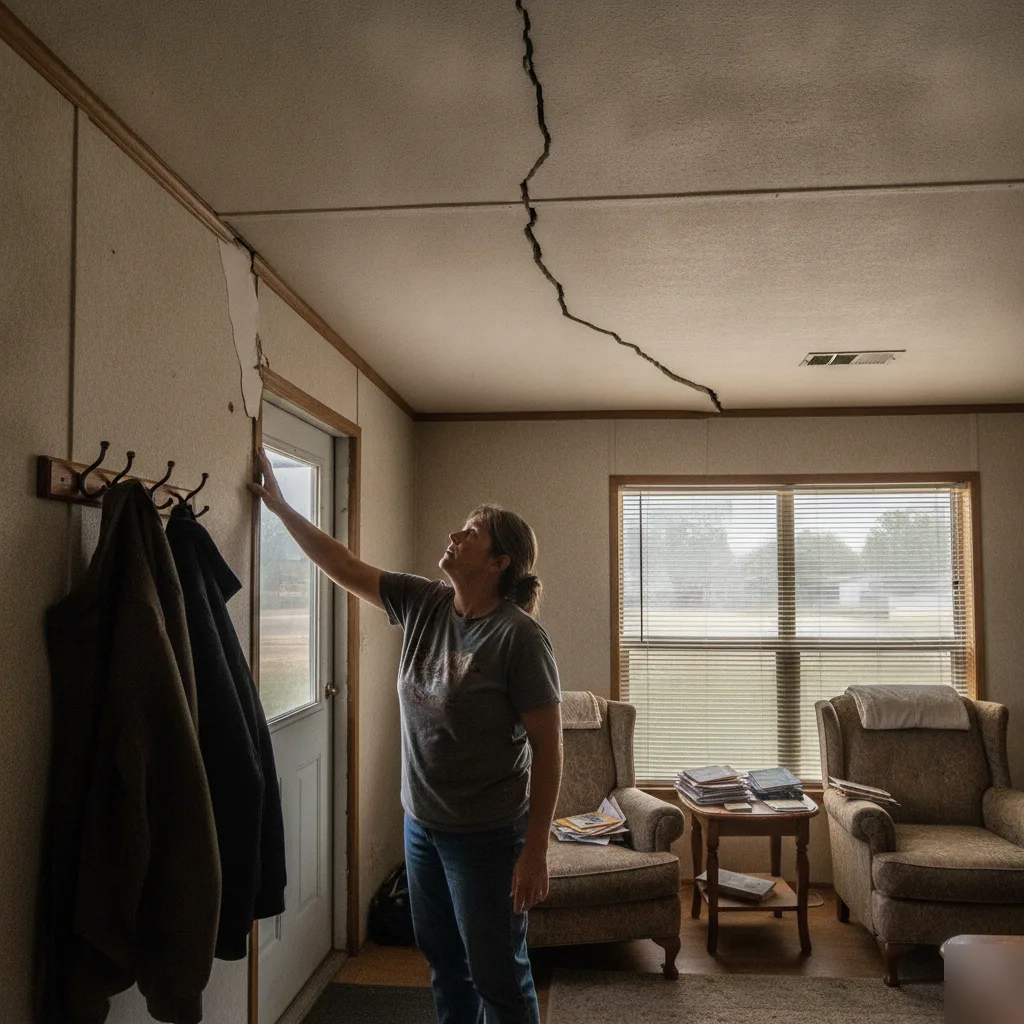
Warning Signs That a Load-Bearing Wall Was Removed Incorrectly
The damage isn't always instant. A wall comes down, things look solid for a while. Then tiny issues surface. We see this play out constantly in Clayton's old brick homes. (Many of them are pre-war, remember?) The warning signs sneak up. Most owners don't link them back to the wall removal until things get bad. For more on this, check our load-bearing wall removal page for Clayton homeowners.
So, if a load-bearing wall disappeared without a licensed P.E., watch for these indicators that structural integrity has been compromised:
- Cracks show up above doors or windows. Often diagonal. These usually pop up within months. They mean the beam isn't doing its job. It's not holding the load right.
- Floors start to sag. Or they feel bouncy. If the floor above where the wall was feels soft, or if it slopes toward the room's center, your joists are giving way. They're deflecting. They can't handle the weight alone.
- Doors and windows stick. Their frames shift when the structure above them settles unevenly. A door that worked fine last year, but now drags or won't latch? That's a big warning sign. We see this often in Clayton's older homes, where settlement is already a factor.
- Visible ceiling dips appear. Stand at one end of the room. Look across the ceiling line. Any wave or sag near where the wall used to be? Something is moving. It's not just your eyes playing tricks.
- New foundation cracks. The load has to go somewhere. When it's not routed correctly through proper beams and posts, it can pile up. It concentrates on foundation spots. These weren't built for that stress. It's especially bad for the stone or older poured concrete foundations we often see in Clayton's pre-war houses.
We saw a clear case in a 1940s home near downtown Clayton. An owner pulled out a kitchen-dining room wall. No licensed P.E. No permit. (You can see where this is going.) They put in a beam. But it was too small. And it just sat on the subfloor. No post-to-footing connection below, nothing. Six months after, that floor had sunk almost three-quarters of an inch right in the middle of the beam. A real drop.
That's not just a minor flaw. That's real structural failure, happening as we speak. This isn't a paint job; it's the bones of your house.
And here's the kicker: drywall hides nearly everything. You won't see a beam bowing inside a finished ceiling. You can't spot joists pulling from their hangers deep in the floor. Those cracks and dips we mentioned? They're just the big warnings. The real damage is often tucked away, out of sight. Until it's too late.
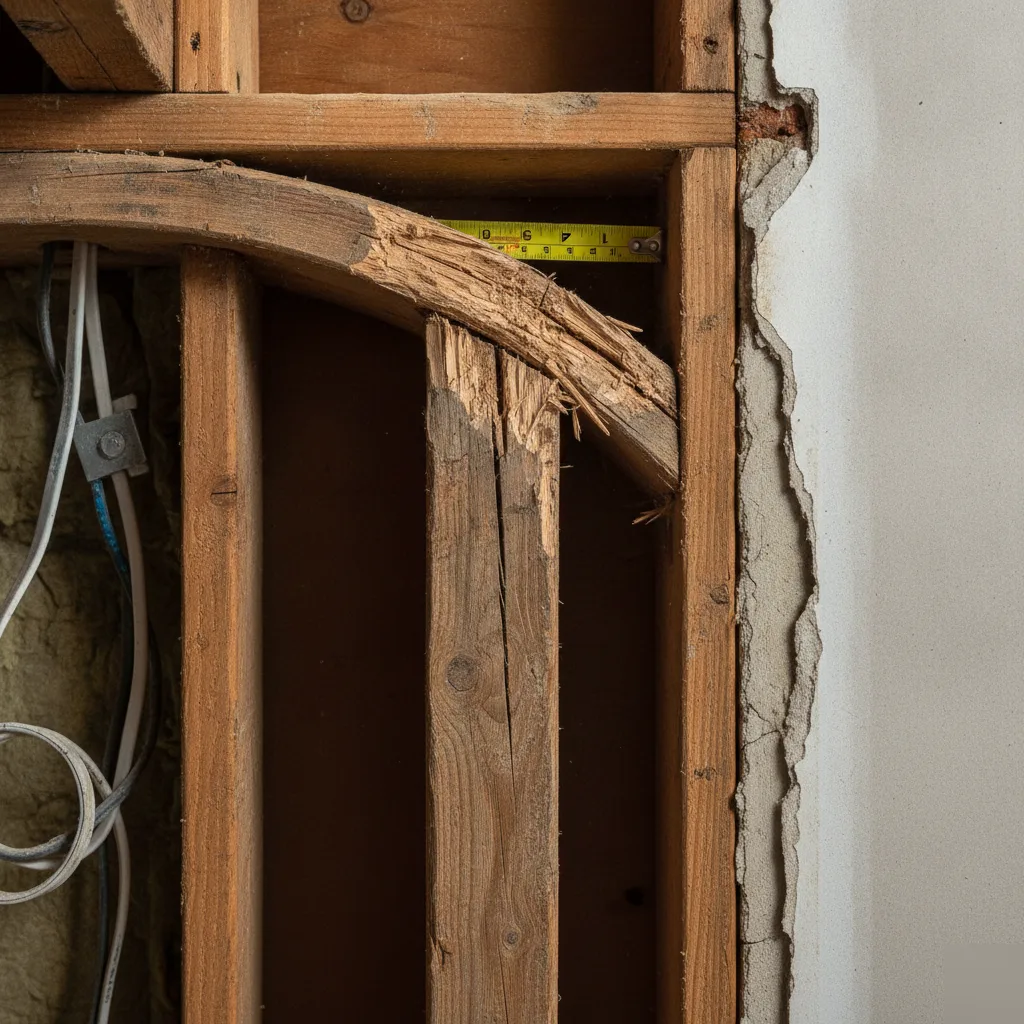
When Cosmetic Fixes Mask Real Problems
Some owners just patch the cracks. They caulk around the doors. Shim the crooked cabinets., this is like putting a band-aid on a broken bone. But the real problem? It doesn't stop. It just keeps getting worse. And with Clayton's wild temperature swings, hot, muggy summers and really cold winters, that puts even more stress on a weak structure. Brick homes here flex differently than the wood frames inside them. So misaligned loads? They appear fast in our local old houses.
Frequently Asked Questions
How do I know if a wall in my Clayton home is load-bearing?
You cannot tell just by looking at it — that's the honest truth. In Clayton's older homes from the 1920s through 1950s, walls that look like simple room dividers often carry real structural loads. A wall running perpendicular to your floor joists is a strong clue. So is a wall that sits above a beam in the basement. Without an engineering analysis, guessing is risky. The only safe way to know for sure is to have a licensed structural engineer review your specific home.
What is the biggest mistake homeowners make when removing a load-bearing wall?
The biggest mistake is assuming nothing is wrong because the house didn't collapse right away. Structural damage from a missing load-bearing wall builds slowly. Floors sag a little. Doors start to drag. Cracks appear in drywall. By the time you notice something serious, the damage has been growing for weeks or months. Waiting makes the fix much bigger. Doing the job right the first time — with a licensed engineer and a permit — saves you from a much harder repair later.
Does Clayton require a permit to remove a load-bearing wall?
Yes. St. Louis County requires a permit for structural work like load-bearing wall removal. That permit process also requires engineer-stamped drawings and structural calculations. Skip the permit and you create a problem that follows the home through every future sale and inspection. Clayton's older housing stock gets extra scrutiny because of the age and framing styles involved. If you're planning this kind of project, our load-bearing wall removal page for Clayton homeowners walks through what that process looks like.
Can older Clayton homes handle load-bearing wall removal the same way newer homes can?
Not usually, no. Clayton has a large number of homes built between the 1920s and 1950s. Many use balloon framing or early platform framing with wood sizes and connection methods that differ from today's standards. These older homes often hide important load paths inside walls that look purely decorative. The framing is also more sensitive to changes because the whole system was designed to work together as built. That's why an engineering review matters even more in these homes.
Will structural damage from a bad wall removal show up on a home inspection?
Yes, and it can hurt your sale. Sagging floors, roof line changes, new foundation cracks, and unpermitted structural work are all things a home inspector will flag. Consumer Reports has documented how construction mistakes can follow a property for years, affecting both safety and resale value. In Clayton's competitive real estate market, an unpermitted wall removal can delay or derail a sale entirely. Fixing it after the fact is always more expensive than doing it correctly from the start.
How fast can structural problems appear after removing a load-bearing wall without support?
Some problems show up within days. Floor joists above the removed wall can start to droop almost immediately. In some Clayton homes, owners have noticed a visible floor dip within just a few weeks of an unsupported wall removal. Other damage, like loosening joints or slowly bending wood, builds over months. The tricky part is that a quiet start doesn't mean things are fine. The damage is still happening — you just can't see it yet.